
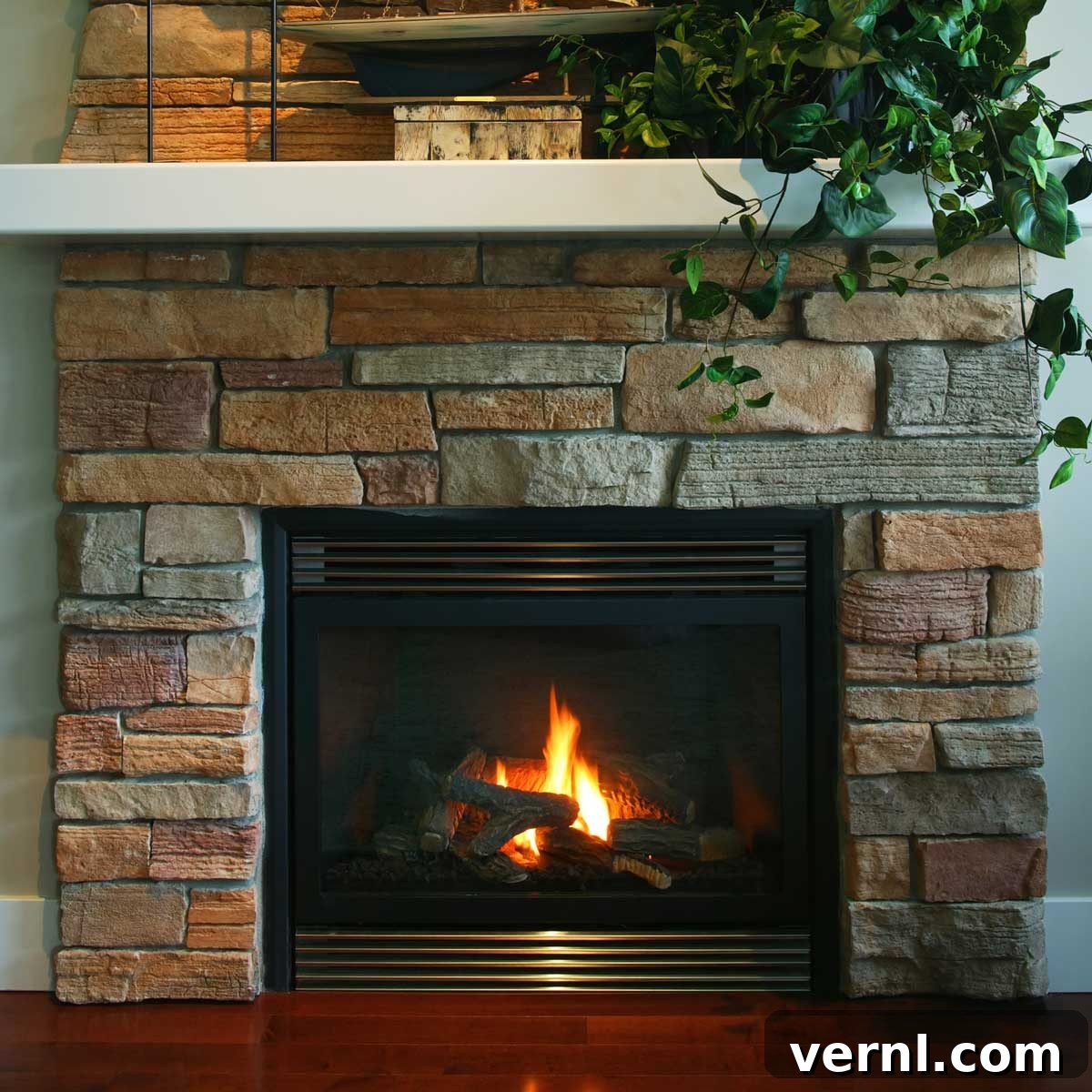
Many U.S. homes rely on a secondary heat source, and the traditional fireplace remains a popular choice. However, the charm of a wood-burning fireplace often comes with significant drawbacks: the constant chore of upkeep and cleaning, concerns about indoor air quality, and the ever-present risk of a house fire due to creosote buildup.
These challenges, combined with the increasing affordability and efficiency of modern heating fuels like propane and natural gas, are compelling more homeowners to seek safer and more environmentally-conscious alternatives. While a complete fireplace replacement can be a costly and extensive renovation, installing a gas fireplace insert offers a much simpler and more economical path to upgrading your home’s heating and ambiance. If you’re contemplating transforming your traditional wood-burning hearth into a convenient and efficient gas-powered unit, delve deeper into this guide to determine if a gas fireplace insert is the perfect solution for you.
Convert Your Wood-Burning Fireplace: A Comprehensive Guide to Gas Fireplace Inserts
The allure of a flickering fire is undeniable, creating a cozy and inviting atmosphere in any home. Yet, the realities of maintaining a traditional wood-burning fireplace often overshadow its romantic appeal. From the strenuous effort of chopping and stacking firewood to the tedious task of cleaning ash and sweeping chimneys, the commitment required can be substantial. Furthermore, concerns about indoor air pollution and the very real danger of chimney fires pose significant safety considerations for homeowners.
In response to these issues, modern heating solutions have evolved, with gas fireplace inserts emerging as a highly popular and practical alternative. These innovative heating elements are specifically designed to fit seamlessly into your existing wood-burning fireplace, offering the warmth and visual charm of a fire without the associated hassle and hazards. By converting to a gas insert, you’re not just upgrading your fireplace; you’re enhancing your home’s safety, efficiency, and overall comfort. Let’s explore everything you need to know about these transformative heating units.
Understanding Gas Fireplace Inserts: What They Are and How They Work
At its core, a gas fireplace insert is a self-contained, gas-powered heating unit engineered to be installed directly into the firebox of an existing masonry or zero-clearance wood-burning fireplace. Unlike a log lighter or gas log set that simply adds gas flames to a wood-burning setup, an insert functions as a complete, sealed combustion system. This means it’s a fully operational fireplace in its own right, delivering both aesthetic flames and significant heat output.
These inserts generate realistic flames that mimic the look of a wood fire, often featuring ceramic logs that glow and radiate heat. They offer a dramatically safer and more environmentally friendly way to enjoy a hearth, while also providing superior heat efficiency compared to traditional wood fires. Gas inserts are versatile in their fuel source, operating on either natural gas or propane, and seamlessly integrate into your home’s existing gas supply line. This connection eliminates the need for firewood and ensures a consistent, reliable heat source at the push of a button.
Types of Gas Fireplace Inserts: Direct-Vent vs. Ventless Systems
When considering a gas fireplace insert, it’s crucial to understand the two primary types available, as each comes with distinct operational principles, safety features, and installation requirements:
- Direct-Vent Systems: These inserts represent the gold standard for indoor air quality and safety. A direct-vent system utilizes a sealed combustion chamber, meaning it draws all combustion air from outside the home and expels 100% of the combustion gases back outdoors through a dedicated vent pipe. This dual-pipe venting system typically runs up the existing chimney flue or through an exterior wall. While direct-vent units are generally more expensive to purchase and slightly less energy-efficient than their ventless counterparts (due to some heat loss through the exhaust), their paramount safety benefit—preventing any combustion byproducts from entering your living space—makes them a preferred choice for many homeowners and building codes. They virtually eliminate concerns about oxygen depletion, carbon monoxide, and moisture buildup indoors.
- Ventless (or Vent-Free) Systems: Ventless inserts are designed for maximum energy efficiency and affordability. They operate by drawing combustion air directly from the room and then returning the heated air and combustion byproducts (primarily water vapor and trace amounts of carbon dioxide) back into the living space. Because no heat is lost up a chimney, these units boast very high efficiency ratings, often close to 99%. However, this design carries potential risks, as it can deplete indoor oxygen levels and introduce moisture and other combustion emissions into the air. For these critical safety reasons, ventless systems are illegal in numerous states and jurisdictions across the U.S. Even when equipped with Oxygen Depletion Sensors (ODS) that detect dangerous declines in indoor air quality and automatically shut off the unit, many authorities still prohibit their use due to ongoing health and safety concerns. Always check local building codes and regulations before considering a ventless system.
The Transformative Benefits of Choosing a Gas Fireplace Insert (Pros)
Converting to a gas fireplace insert offers a wealth of advantages that significantly enhance both your lifestyle and your home’s value:
- Seamless Integration and Minimal Upkeep: Gas inserts are designed to fit perfectly within your existing fireplace structure. Once installed, they demand incredibly low maintenance compared to wood-burning units. Say goodbye to the constant chores of chopping, stacking, and storing firewood, and the messy routine of ash removal. You’ll also eliminate the annual hassle and expense of cleaning your chimney, which is essential for wood fires.
- Enhanced Safety: One of the most compelling reasons to switch is the dramatic improvement in safety. Gas inserts eliminate the risk of sparks flying onto flammable materials, and critically, there is no creosote buildup in the chimney, thus removing the primary cause of dangerous chimney fires. This provides invaluable peace of mind for homeowners.
- Unrivaled Convenience: Enjoy instant warmth and ambiance with the simple push of a button or the flip of a switch. There’s no longer a need to meticulously build and tend a fire, waiting for it to ignite. This effortless operation transforms the fireplace experience.
- Superior Efficiency and Environmental Friendliness: Gas fireplace inserts boast impressive efficiency ratings, typically ranging from 65% to 99%. In stark contrast, traditional wood-fueled fireplaces often operate at a mere 15% to 30% efficiency, with much of their heat escaping up the chimney. This higher efficiency means more heat stays in your home, leading to potential savings on heating bills. Furthermore, gas burns significantly cleaner than wood, producing fewer particulate emissions and contributing to better indoor air quality and a smaller environmental footprint.
- Consistent Heat Output: Gas inserts provide a reliable and consistent source of heat. Unlike wood fires that fluctuate in intensity, you can easily control the heat output of a gas unit to maintain a comfortable temperature in your room.
- Aesthetic Versatility: Modern gas inserts come with a variety of decorative options, including realistic ceramic log sets, sparkling glass chips, or contemporary stones, allowing you to customize the look to match your home’s decor.
Addressing Potential Drawbacks and Considerations (Cons)
While the advantages are numerous, it’s important to consider the potential downsides before making your decision:
- Upfront Investment: The initial cost of a gas fireplace insert can be significant, ranging from a few hundred to several thousand dollars depending on the model, features, and heating capacity.
- Installation Complexity and Cost: Installing a gas insert often requires professional expertise. Connecting to an existing gas line, potentially running new electrical lines, and ensuring proper venting can be complex and expensive. Installation costs can add another substantial amount to the overall project, typically between $400 and $3,000. Many manufacturers also mandate professional installation to validate their product warranty, making a DIY approach risky and often ill-advised unless you possess advanced skills and certifications.
- Loss of Traditional Ambiance: For some, the absence of the distinct smell of burning wood, the crackling sounds, and the rustic ritual of tending a fire might be a significant drawback. Gas inserts, while offering realistic flames, cannot fully replicate the sensory experience of a natural wood fire.
- Fuel Costs: Depending on local utility rates and the cost of firewood and gas in your area, gas (especially propane, which often requires tank refills) could potentially be more expensive than burning wood, particularly if you have access to free or inexpensive firewood.
- Reliance on Utilities: Gas fireplaces require a consistent fuel supply and often an electrical connection for blowers, igniters, and control systems. While many models offer battery backups, a prolonged power outage could impact the unit’s full functionality.
Making an Informed Decision: Key Factors Before Your Purchase
Before investing in a gas fireplace insert, several critical factors need careful consideration to ensure you choose the right unit for your home and heating needs:
Beyond simply researching the unit’s cost, a primary concern should be determining the heat output required if you intend for the insert to serve as a supplemental heat source. Gas fireplace inserts vary widely in price, typically falling between $400 and $3,500, with the final cost influenced by the power rating, brand, and additional luxury features.
Installation expenses will be an additional factor, usually ranging from $400 to $3,000. This variability largely depends on the complexity of extending gas and electrical lines, modifying the ventilation system, and whether you’re opting for a direct-vent or ventless unit. Given the intricate nature of gas, electrical, and venting work, attempting gas fireplace installation on your own is strongly discouraged unless you possess substantial professional experience and certifications. Safety and warranty considerations are paramount.
Calculating Your Heating Needs (BTUs)
To accurately determine the heat output your unit will need (measured in British Thermal Units, or BTUs), you’ll need to calculate the square footage of the area you wish to heat and then multiply it by the BTU requirements specific to your climate zone. The U.S. is divided into several climate zones, each with different average heating demands:
- Homes in Zone 1 (warm climates) typically require 30 to 35 BTUs per square foot of space.
- Zone 2 (moderate) needs 35 to 40 BTUs per square foot.
- Zone 3 (colder) needs 40 to 45 BTUs per square foot.
- Zone 4 (very cold) needs 45 to 50 BTUs per square foot.
- Zone 5 (frigid) needs 50 to 60 BTUs per square foot.
For instance, to provide effective zoned heating for a 300-square-foot living room, you would need at least 9,000 BTUs if your home is located in Zone 1 (300 sq ft x 30 BTUs/sq ft). A Zone 2 home of the same size would require 10,500 BTUs (300 sq ft x 35 BTUs/sq ft), and so on.
While less common, some homeowners in smaller residences (ranging from 400 to 1,000 square feet) might choose to use their gas fireplace insert as their primary heat source. If this is your intention, the calculation becomes more nuanced. You’ll still use a similar square footage multiplication, but you must also factor in the height of your ceilings (since heat rises and fills a larger volume) and critically assess the efficiency of your home’s envelope. This includes the quality of your outer walls, insulation, windows, doors, and any other areas exposed to the external environment. A well-sealed and insulated home will retain heat more effectively, requiring fewer BTUs.
It is always highly recommended to seek professional guidance from a qualified HVAC technician or fireplace expert when determining the appropriate heat output for your home, especially if the insert is intended as a primary heat source. They can account for unique home characteristics and ensure optimal heating performance and safety.
Elevating Your Fireplace Experience: Advanced Features and Customization
Beyond its fundamental role as a heat source, modern gas fireplace inserts come equipped with a range of innovative features that can significantly enhance convenience, control, and aesthetic appeal:
- Wall Thermostats: Integrate a wall-mounted thermostat to automatically regulate the heat output of your insert. This allows you to set your desired room temperature, and the unit will adjust its flame and heat production accordingly, optimizing comfort and energy use.
- Flame Height Adjustment: Most contemporary units offer the ability to customize the visual effect and heat output by adjusting the flame height. Depending on the model, you can typically fine-tune the flame production from a subtle glow (around 30%) to a robust, full flame (100%).
- Remote Control Operation: For ultimate convenience, many inserts include a handheld remote control. This allows you to effortlessly adjust the heat output, flame height, and even turn the unit on or off from anywhere in the room, without having to get up.
- Automatic Shut-Off Timer: Enhance energy conservation and safety with an automatic shut-off timer. You can program the unit to turn off after a set period, preventing unnecessary energy consumption if you fall asleep or leave the room.
- Smart Fireplace Integration: Though less common, advanced “Smart” fireplace inserts are entering the market. These units allow you to control the timer, heat output, and flame settings directly from a smartphone app. Some smart systems can even be integrated with popular voice assistants like Amazon Alexa and Google Assistant, enabling hands-free voice commands for seamless operation.
- Circulation Blower: Many inserts come with an optional or integrated blower. This fan system helps to circulate the warm air produced by the insert more effectively throughout the room, ensuring even heat distribution and maximizing the unit’s heating efficiency.
- Battery Backups: For added reliability, especially in areas prone to outages, look for models equipped with battery backups. These ensure that your unit can continue running during power outages, providing essential heat when you need it most.
- Decorative Media Options: Beyond standard realistic log sets, you can often customize the aesthetic with alternative media like contemporary glass chips, river stones, or other decorative elements to match your interior design.
Installation: Why Professional Expertise is Crucial
The installation of a gas fireplace insert is not a task for the inexperienced DIY enthusiast. It involves critical connections to your home’s gas supply, electrical wiring for controls and blowers, and precise venting for direct-vent systems. Mistakes in any of these areas can lead to serious safety hazards, including gas leaks, carbon monoxide poisoning, or electrical fires. Moreover, improper installation can void the manufacturer’s warranty, leaving you without coverage for potential issues. Therefore, it is strongly recommended, and often legally required, to hire a qualified and certified professional for the installation process. They possess the necessary expertise and tools to ensure your new gas fireplace insert operates safely, efficiently, and in compliance with all local building codes and regulations.
Maintaining Your Gas Fireplace Insert for Lasting Performance
One of the many benefits of gas inserts is their low maintenance. However, “low” does not mean “no.” Regular, albeit minimal, maintenance is key to ensuring your unit operates safely and efficiently for years to come. This typically involves:
- Annual Professional Inspection: Schedule a yearly check-up with a certified technician. They will inspect the gas lines, ignition system, burner, and vent (for direct-vent models) to ensure everything is in proper working order and free of obstructions.
- Cleaning: While you won’t be scooping ash, it’s still important to occasionally clean the glass front and the decorative media (logs, glass, stones) to remove dust and soot buildup, ensuring a clear view of the flames.
- Battery Checks: If your unit has a battery backup, test and replace the batteries periodically to ensure functionality during power outages.
Adhering to these simple maintenance steps will prolong the life of your insert and guarantee its safe and efficient operation.
Your Gateway to Gas Fireplace Knowledge: Related Resources
To further empower your journey into the world of gas fireplaces, explore these essential resources covering everything from selection to proper maintenance and safety:
- Best Gas Fireplace Inserts
- Types of Gas Fireplaces Explained
- How to Install a Gas Fireplace Safely
- Indoor Gas Fireplace Safety for Beginners
- What to Know About Gas Fireplace Servicing and Maintenance
- How to Light a Gas Fireplace
- How to Clean a Gas Fireplace Effectively
- Dealing with a Noisy Gas Fireplace Blower? Here’s How to Replace It
Ultimately, a gas fireplace insert offers a modern, efficient, and convenient upgrade for any home still relying on a traditional wood-burning fireplace. By understanding the types, benefits, considerations, and features available, you can make an informed decision that will bring years of warmth, comfort, and peace of mind. Your journey to a safer and more enjoyable hearth begins here.
Next, prioritize your well-being by learning more about gas fireplace safety.