In Family Handyman’s series DIY Diaries, real DIYers share the projects they’re most proud of. They tell the whole story—from first sketches and frustrating setbacks to the moments they felt most accomplished. These candid accounts reveal the real process of DIY and offer practical tips to give you confidence for your next build.
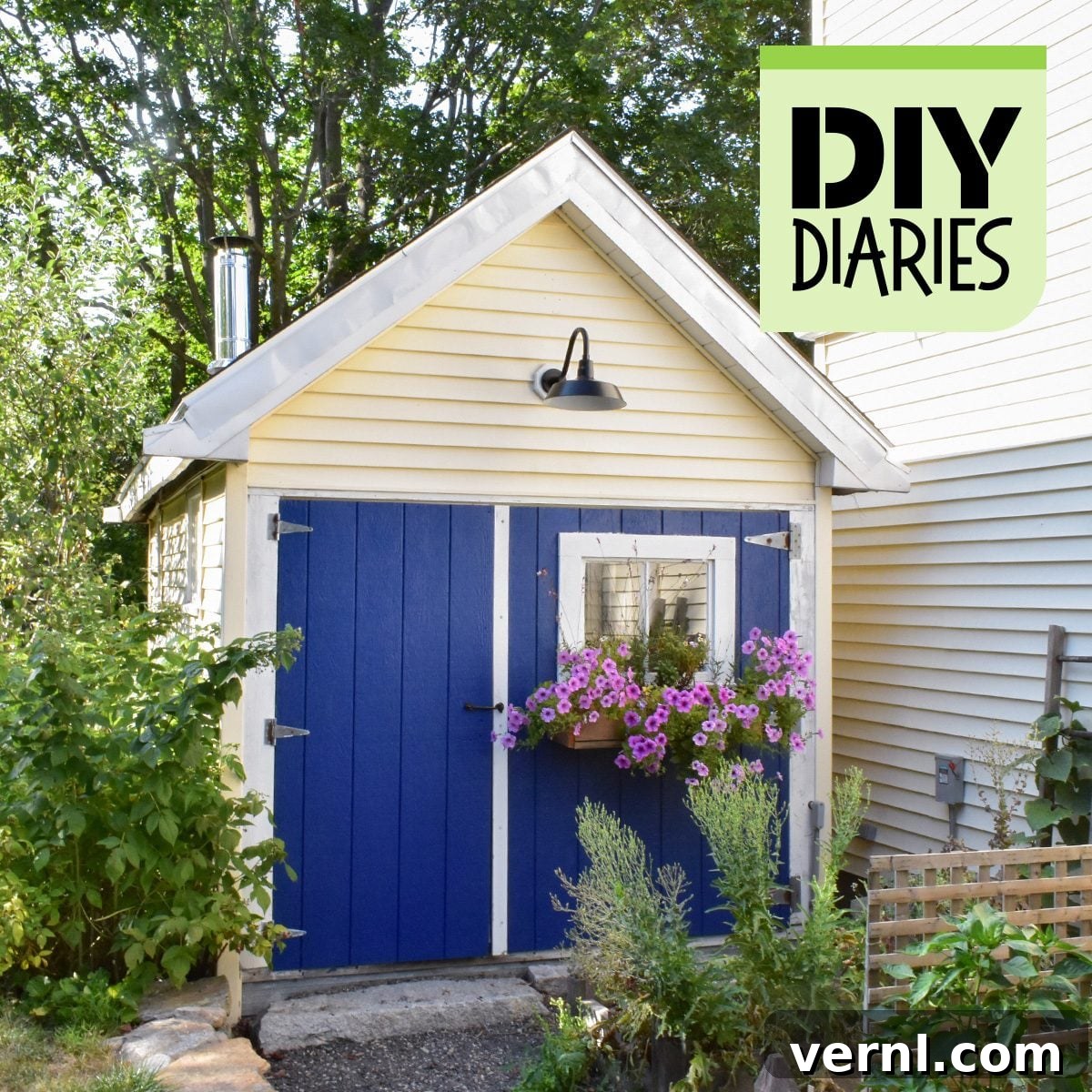
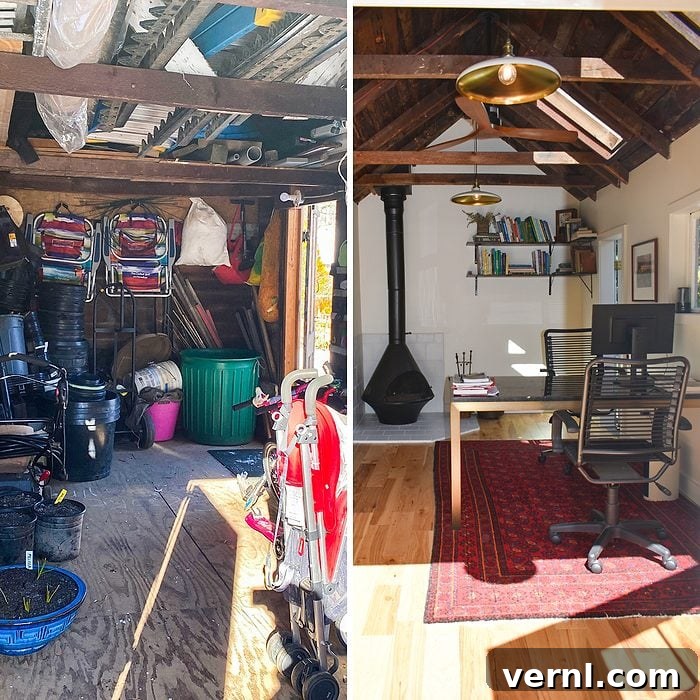
Family Handyman reader Scott McDermott’s contribution to DIY Diaries is a striking shed-to-office transformation that shows what careful planning, thoughtful reuse, and steady work can achieve. The project began when McDermott’s friend Dan Michels, an architect, visited and saw potential in a run-down 1940s shed on McDermott’s property. “When Dan stepped inside, he immediately envisioned what the space could become,” McDermott says. McDermott describes himself as someone who has an eye for gardens, while Dan sees structures and homes; that combination sparked the project.
The Project Stages
What was the inspiration for this project?
McDermott draws inspiration from magazines, Instagram, Pinterest, old books and homes he’s visited. He collects ideas and starts with mood boards to shape a cohesive vision. For this build, the goal was to create an enjoyable, functional workspace—somewhere he’d want to spend hours away from the distractions of home.
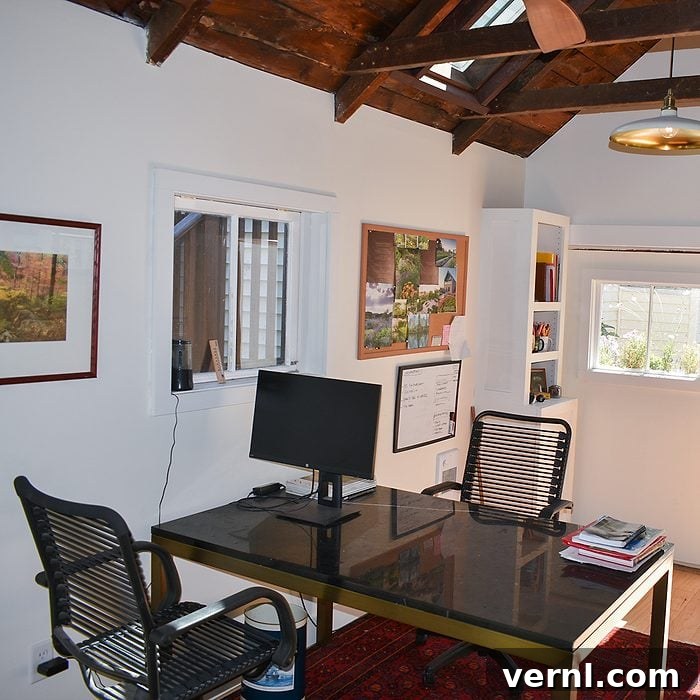
As a landscape designer, McDermott wanted a quiet, separate office with a minimalist, comfortable feel. The brief called for simplicity and utility: a place to focus, with clean lines and warm materials.
Walk me through the stages of this shed transformation
The whole project took about a year from initial planning to finished space, since McDermott worked on it in spare moments. The first phase was planning and design: Michels drew a basic floor plan and suggested changes like new door placements, skylights and a wood stove. Next, McDermott asked his wife’s uncle, Kyle Engle, to inspect and augment the existing framing.
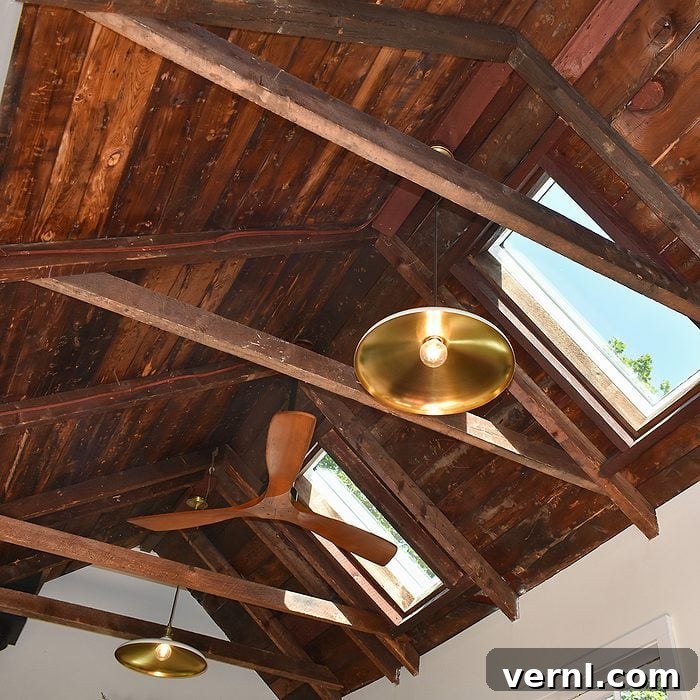
McDermott and Engle completed the new framing, insulated the walls with rock wool, installed a new roof and skylights, fitted a full glass door, laid hickory flooring, hung drywall, restored original windows, and painted. For electrical work—rewiring the structure, installing a ceiling fan and pendant lights, and ensuring everything met code—McDermott hired a licensed electrician.
Did you run into any setbacks?
Working with a structure from the 1940s brought predictable challenges. “Nothing was straight anymore,” McDermott explains. The roof had a lean and many elements weren’t square, so nearly every material needed custom cutting—from flooring and roof components to insulation that wouldn’t fit standard studs. Permitting delays also slowed progress between phases.
Was there an aspect of this shed transformation that intimidated you until you tried it?
Framing felt intimidating at first, but Engle taught McDermott the basics. With accurate measurements, correct spacing, a good chop saw and a framing nailer, McDermott found framing manageable and gained confidence through hands-on practice.
Did you use any budgeting hacks on this project?
McDermott used several cost-saving strategies. He sourced hickory flooring and secondhand furnishings through Facebook Marketplace, found and restored original elements from the shed—ceiling material, windows, siding and an original door—and prioritized reuse where possible. A major saving came from choosing rock wool insulation over spray foam: rock wool insulated the space for just over a thousand dollars, versus an estimated $5,000–$6,000 for spray foam.
Was there a specific moment where you felt most proud?
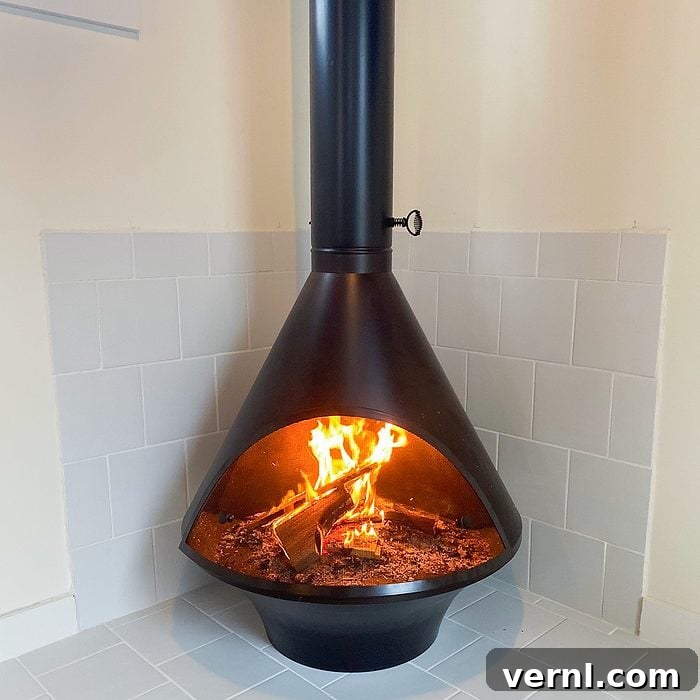
“The first time I lit a fire in the new office and actually worked out there was pretty special,” McDermott recalls. The satisfaction of using a space he rebuilt himself made the achievement especially meaningful.
If you could have a do-over on this, what’s one thing you’d change?
His main regret is timing: he wishes he’d started the project years earlier. Once finished, the space became so valuable that he says he would have benefited from having it sooner.
Advice to Aspiring DIYers
What’s one piece of advice you’d give to someone before they start a similar project?
“Take it slow and do it right,” McDermott advises. He didn’t rush the work and has no regrets. He recommends using YouTube to learn techniques—“you can learn a lot from a few short videos”—and encourages asking knowledgeable staff at stores like Home Depot for advice. Those conversations can be surprisingly informative.
What’s next for you?
Next on McDermott’s list is installing cobblestones in his driveway—another hands-on project that will complement his landscaped property and new office.
Do you have a DIY project you’d like featured on Family Handyman? Email us your project at [email protected].