
Ultimate Guide to Keeping Mice Out of Your Cozy Cabin and Home
Cabins and homes offer a comforting retreat, especially during colder months. Their warmth and shelter, which we cherish, unfortunately, make them equally appealing to mice. Once these unwelcome guests gain entry, they can pose significant risks, from structural damage to health hazards. Mice are notorious for chewing through electrical wires, which can create fire hazards, spreading diseases through their droppings and urine, and multiplying at an alarming rate. Protecting your property from these persistent pests is crucial for maintaining a safe and healthy living environment.
To help you safeguard your home or cabin, we’ve gathered expert-approved advice. Dr. Nancy Troyano, a certified entomologist and Director of Operations, Education and Training at U.S. Pest Operations (Rentokil – Terminix), along with Ricky Young of Youngs Pest Control, share their invaluable insights and practical tips for effective mouse prevention and control.
Why Do Mice Seek Shelter in Homes and Cabins?
“Mice are on a relentless search for food, warmth, and shelter,” explains Dr. Troyano. This drive becomes particularly intense as temperatures drop in the fall and winter, prompting rodents to seek refuge indoors. Their survival instinct propels them to go to extraordinary lengths to find a way inside. Mice and other rodents are surprisingly agile and determined; they will scale walls, climb ladders, traverse wires, and even swim through sewers to infiltrate your living space. Understanding these motivations is the first step toward effective mouse proofing.
Identifying and Sealing Common Mouse Entry Points
Mice possess an uncanny ability to squeeze through incredibly small openings—any gap the size of a dime is a potential doorway for them. This makes a thorough inspection of your property’s exterior and interior paramount. Start by meticulously checking for openings that need to be sealed. Key areas where mice are most likely to enter include:
- Utility Line Entrances: Look for holes where gas, water, electrical, and data lines penetrate the house. These are often poorly sealed.
- Structural Gaps: Inspect cracks between walls, floorboards, and baseboards, especially in older homes or cabins.
- Foundation Cracks: Even hairline cracks in the foundation can serve as entry points.
- Window and Door Openings: Check for gaps around window frames, door jambs, and beneath doors.
- Plumbing Penetrations: Ensure sink and bathtub drains are properly sealed where pipes enter the wall or floor.
- Exterior Corners: Pay close attention to house corners, specifically gaps between J-channels and siding, which can hide vulnerabilities.
- Basements and Crawl Spaces: These often overlooked areas can have numerous unsealed openings.
- Vents: Dryer vents and other exhaust vents must have secure covers.
- Roofing and Soffits: Damaged roofing, loose shingles, or compromised soffits can provide access to attics and interior walls.
Effective Sealing Techniques: Screen and Caulk

For larger gaps, such as those found around dryer vents, soffits, or utility line penetrations, robust physical barriers are essential. Use galvanized mesh wire or hardware cloth with a small gauge (1/4 inch or less) to securely block these entry points. These materials are durable and resistant to gnawing. After installing the screen, use high-quality caulk to seal the edges, ensuring no small gaps remain. Caulk itself is also highly effective for blocking most small entry points and cracks, providing a durable, weather-resistant seal. Choose a silicone-based caulk for its flexibility and longevity, especially in areas exposed to temperature fluctuations.
The Power Duo: Steel Wool and Expanding Foam
When dealing with harder-to-seal spaces or irregular holes, a combination of steel wool and expanding foam provides superior protection. Tightly packed, coarse-grade steel wool is an excellent deterrent because mice find it extremely difficult and unpleasant to chew through. For optimal results, first pack the hole with steel wool, ensuring it’s dense and completely fills the void. Then, apply expanding foam over the steel wool. This combination not only seals the opening but also creates a formidable barrier that deters rodents. Expanding foam offers additional benefits by helping to keep out unwanted insects, spiders, and cold drafts, improving your cabin’s energy efficiency.
However, it’s important to note that standard expanding foam is not smell-proof. This means that enticing scents from inside your home could still attract mice. For enhanced protection, consider investing in a mouse or pest-deterrent expanding foam product, which often contains bittering agents or repellents that further discourage rodents. Integrating these sealing methods with other preventative strategies will significantly reduce the risk of infestation.
Fortifying Doors and Windows
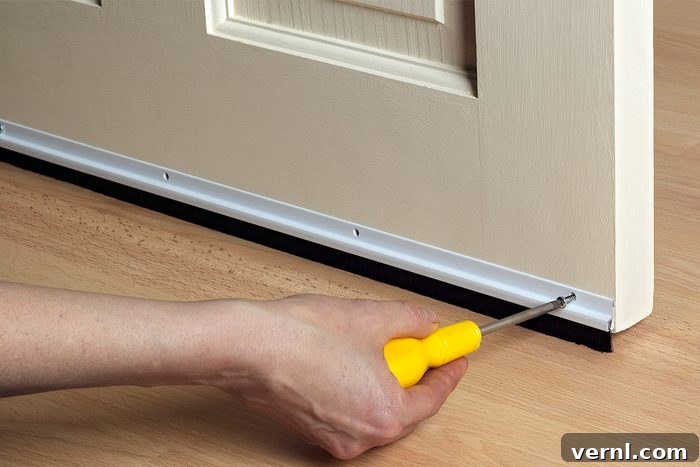
Doors and windows are common, yet often overlooked, access points for rodents. Begin by inspecting all exterior doors. Install door sweeps on the bottom of all exterior doors, paying particular attention to older cabins where gaps beneath doors are more prevalent. These sweeps should make firm contact with the threshold, creating an impenetrable barrier. Additionally, check the weather seals along the bottom and sides of garage doors to ensure they are intact and functioning correctly. Deteriorated weather stripping should be replaced immediately.
Window screens, while effective against insects, may not be sufficient to stop a determined mouse. “Mice can chew through some types of screens,” warns Ricky Young of Youngs Pest Control. He recommends upgrading to “steel screens or other heavy-duty materials for window screening” in vulnerable areas. Galvanized metal screens are widely considered the most effective option due to their strength and resistance to gnawing. Regularly inspect all screens for tears or damage and repair or replace them promptly.
Essential DIY Cabin Pest Control: Interior and Exterior Maintenance
Secure Your Fireplace Flue
If your cabin boasts a fireplace, it can be an inviting, albeit unconventional, entry point for mice. Before leaving for the season, ensure you clear the flue of any debris, such as leaves, bird nests, or soot, which could provide nesting material or block the damper. Once clear, close the flue tightly. To confirm it’s fully closed and secure, look up the chimney from inside the fireplace; you shouldn’t see any signs of light. You can also reach up and carefully touch the damper to feel its position. Check for any drafts by holding a hand near the opening. If you feel a draft, the seal is not complete. For a more definitive test, carefully light a rolled-up newspaper and hold it inside the top of the fireplace. If the flue is still open, it will pull the smoke and flames upward, indicating an open pathway.
Maintain Impeccable Tidiness: Inside and Out
A clean environment is one of the most effective deterrents against mice. Indoors, before you depart for the season, embark on a thorough deep clean of your kitchen and pantry. This includes wiping down all cabinet interiors, countertops, and appliances. Vacuum or sweep all floors meticulously, ensuring no crumbs or food particles remain. Remove all garbage from the premises. The fewer crumbs and food debris available, the less enticing your cabin becomes for hungry mice seeking an indoor feast.
Exterior tidiness is equally important. Trim tree branches so they are at least several feet back from the house, preventing mice from using them as bridges to your roof or windows. Avoid letting plants and vines grow directly up the sides of your cabin. “Overgrown vegetation close to walls will offer shelter to mice and potential nesting sites,” advises Dr. Troyano. This dense foliage provides cover and a concealed pathway for rodents to explore your foundation and siding.
Furthermore, keep bird feeders positioned far away from the house, as spilled seeds can attract mice. When leaving for the season, take them down, clean them thoroughly, and store them in sealed containers. Keep your grass short around the cabin to reduce available shelter and food sources (seeds). Move any woodpiles at least 20 feet away from the cabin foundation, as they are prime nesting and hiding spots for rodents. Maintain a clear perimeter, ensuring bushes and other landscaping are a few feet from the foundation; this also significantly minimizes wildfire risk, an important consideration for cabin owners.
Strategic Food Storage for Rodent Protection

Mice have an incredibly keen sense of smell, and if they can detect food, they will relentlessly try to gain entry to consume it. To minimize alluring scents, adopt a rigorous food storage strategy. Place all food items, especially dry goods like pasta, cereals, and crackers (which mice are particularly fond of), into durable plastic, metal, or glass containers with tight-fitting lids. Avoid leaving food in original cardboard boxes or plastic bags, as these are easily chewed through. Store these containers higher up on shelves, inside a refrigerator, or even within a stove or microwave when not in use. “Or better yet, leave [the kitchen] empty during the winter,” suggests Young, especially for seasonal cabins. Removing all food entirely eliminates the primary attractant.
Utilizing Repellents for Rodent-Proofing Your Cabin
While not a standalone solution, certain scents can act as valuable deterrents, helping to keep mice at bay. One traditional method involves using mothballs. Place them in strategic locations where mice might enter or hide, such as underneath the porch, in mesh bags, or old stockings hung around the cabin’s perimeter or inside cabinets. Remember that mothballs contain strong chemicals and should be used with caution, following manufacturer guidelines, and keeping them away from children and pets.
For a nontoxic and more natural alternative, essential oils like peppermint oil are often recommended. The strong aroma of peppermint oil can irritate a mouse’s sensitive nasal passages, encouraging them to seek refuge elsewhere. To apply, create a modest mixture of peppermint essential oil and water in a spray bottle (typically 10-15 drops per ounce of water) and liberally spray it on possible entry points, baseboards, and dark corners. Clove oil or eucalyptus oil can be substituted for peppermint, as they also possess strong, repellent scents. “Some people also try hanging dried herbs such as peppermint and eucalyptus near entry points to keep mice out,” notes Young. He adds, “If it doesn’t help, at least your cabin will smell nice,” highlighting that while their effectiveness can vary, they add a pleasant aroma to your home.
Year-Round Maintenance Tips for a Mouse-Free Home
Mouse prevention isn’t just a seasonal task; rodents can attempt to enter your home at any time of year. Establishing consistent, year-round mouse prevention habits is key to long-term success:
- Daily Cleaning: Make it a routine to regularly clean up crumbs and food scraps from countertops and floors after meals. A spotless kitchen minimizes attractive food sources.
- Pet Food Management: Never leave pet food bowls on the ground overnight. Store pet food in sealed, airtight containers and only put out what your pets will eat immediately.
- Keep Doors Closed: Develop the habit of keeping all exterior doors, especially the garage door, closed at all times. Even a few minutes open can be enough for a curious mouse to slip inside.
- Natural Predators: Consider adopting a new feline friend or a mouse-chasing terrier if you’re looking for a natural, albeit not always guaranteed, form of rodent control. Ensure responsible pet ownership.
- Early Detection with Humane Traps: Even with all precautions, it’s wise to set a humane live trap or two in discreet locations to see if mice are around. Check these traps regularly (daily) to ensure that any captured mice don’t suffer from dehydration or starvation. If you do catch a mouse, release it as far from the cabin as possible – 100 yards is a good minimum, but a mile away is even better to prevent it from returning.
Additional Advanced Mouse-Proofing Strategies
Forge Alliances with Neighbors
If your cabin is located in a community where neighbors live year-round, cultivating a good relationship with them can be an invaluable asset in mouse prevention. Ask if they would be willing to check in on your property from time to time, especially during your absence. They can be your eyes and ears, alerting you if they notice any signs of mice, such as droppings, chewed areas, or even rodent activity around the exterior. Early detection means you can take prompt action, preventing a potential full-blown infestation before it becomes a significant problem.
Leverage Technology: Set Up Security Cameras
For those without close neighbors or who desire an extra layer of vigilance, installing security or wildlife cameras around your cabin can provide remote monitoring. Modern Wi-Fi-enabled cameras can alert you instantly when there’s movement detected. However, a standard trail cam might not be sufficient for mice. Given their small size and incredible speed, you’ll need higher-quality video capabilities, fast trigger speeds, or burst-photo functionality to capture clear images of rodent activity. Strategically place cameras where mice are most likely to travel – near suspected entry points, along foundations, or in areas where you’ve noticed previous signs of activity. This can help you identify specific problem areas.
Strategic Trap Placement and Responsible Trapping
For persistent problems or as a final safeguard while you’re away, some individuals choose to set up mouse traps. Both Young and Troyano recommend heavy-duty traditional spring traps. These are often considered the most humane lethal option as they deliver a quick and effective kill, minimizing suffering. If you find your standard mouse traps aren’t working, consider exploring ways to enhance their effectiveness, such as using different baits (peanut butter, chocolate, or nesting material) or placing them more strategically. It is crucial to avoid sticky traps, as these cause immense suffering. Mice caught on sticky traps can take days to die from starvation or dehydration, often chewing off their own limbs in desperate attempts to escape, making them an inhumane choice.
Note on Poison Traps: While poison traps exist and are designed to make mice seek water, drawing them outdoors before they die, it’s vital to consider the ecological impact. Introducing such poisons into the environment and food chain can jeopardize healthy ecosystems, potentially harming pets, local wildlife, and even birds of prey that might consume poisoned rodents. Always prioritize humane and environmentally responsible pest control methods.
Frequently Asked Questions About Mouse Proofing
What Smells Do Mice Hate and How Can They Be Used?
Mice have a highly developed sense of smell, and certain plant-derived scents are known to repel them. Research on rodents’ responses to various odors indicates that plant secondary metabolites (PSMs) such as methyl nonyl ketone, black pepper oil, and anthraquinone act as effective and natural deterrents. Common household scents that can be utilized include peppermint oil, clove oil, and eucalyptus oil. These essential oils can be diluted with water and sprayed around entry points, baseboards, and dark corners. You can also place cotton balls soaked in these oils in strategic locations. While these natural repellents can help deter mice, they should be used as part of a comprehensive mouse-proofing strategy, not as a standalone solution, as their effectiveness can diminish over time or in high-infestation scenarios.
How Do You Effectively Seal Gaps to Keep Mice Out?
According to the Centers for Disease Control and Prevention (CDC), the most effective approach is to conduct a thorough inspection of your home’s interior and exterior for any gaps, cracks, or holes. Pay particular attention to areas around doors, windows, utility pipes, and vents. For small holes and cracks, a combination of coarse-grade steel wool and caulking is highly effective. Pack the hole tightly with steel wool, then seal over it with a durable, flexible caulk. For larger openings, more robust materials are required, such as lath screen, galvanized metal sheeting, or cement. Ensure that all doors and windows close tightly, and that window and door screens are intact and made of sturdy, chew-resistant material like galvanized metal. Stainless steel wool, wire mesh, or galvanized steel are excellent choices for blocking structural gaps due to their resistance to rodent gnawing.
What Are Humane Means of Deterring Mice Infestations?
Keeping mice from your house humanely involves a combination of preventative measures and non-lethal deterrents. One of the most successful methods is preventing access to food and water sources by maintaining clean living quarters and storing all food in sealed, rodent-proof containers. Eliminating clutter and potential nesting sites also reduces their appeal. Crucially, sealing off all potential entry points, including cracks, gaps, or holes in walls, as well as around pipes and utility lines, is paramount to prevent mice from getting inside. For mice that have already found their way indoors, live traps offer a humane solution, allowing you to capture and release the rodents outside (preferably a mile away to prevent return). Natural repellents such as peppermint and eucalyptus essential oils can also be used around doors, windows, and other small openings or suspected hiding places, as rodents generally dislike strong odors. Regularly checking and refreshing these deterrents is essential for ongoing effectiveness.
About the Experts
- Dr. Nancy Troyano is a board-certified entomologist and Director of Operations, Education and Training at Ehrlich Pest Control. With many years of experience and deep expertise in pest behavior, she offers science-informed advice on highly effective pest prevention and management methods.
- Ricky Young is a dedicated pest control professional at Youngs Pest Control. He specializes in providing hands-on, field-proven solutions for effectively managing and eliminating rodent and insect infestations in both residential homes and seasonal properties.
Sources
- Centers for Disease Control and Prevention (CDC): “How to Seal Up to Prevent Rodents”
- USEPA: Do’s and Don’ts of Pest Control
- National Library of Medicine: “Like or dislike: Response of rodents to the odor of plant secondary metabolites”