
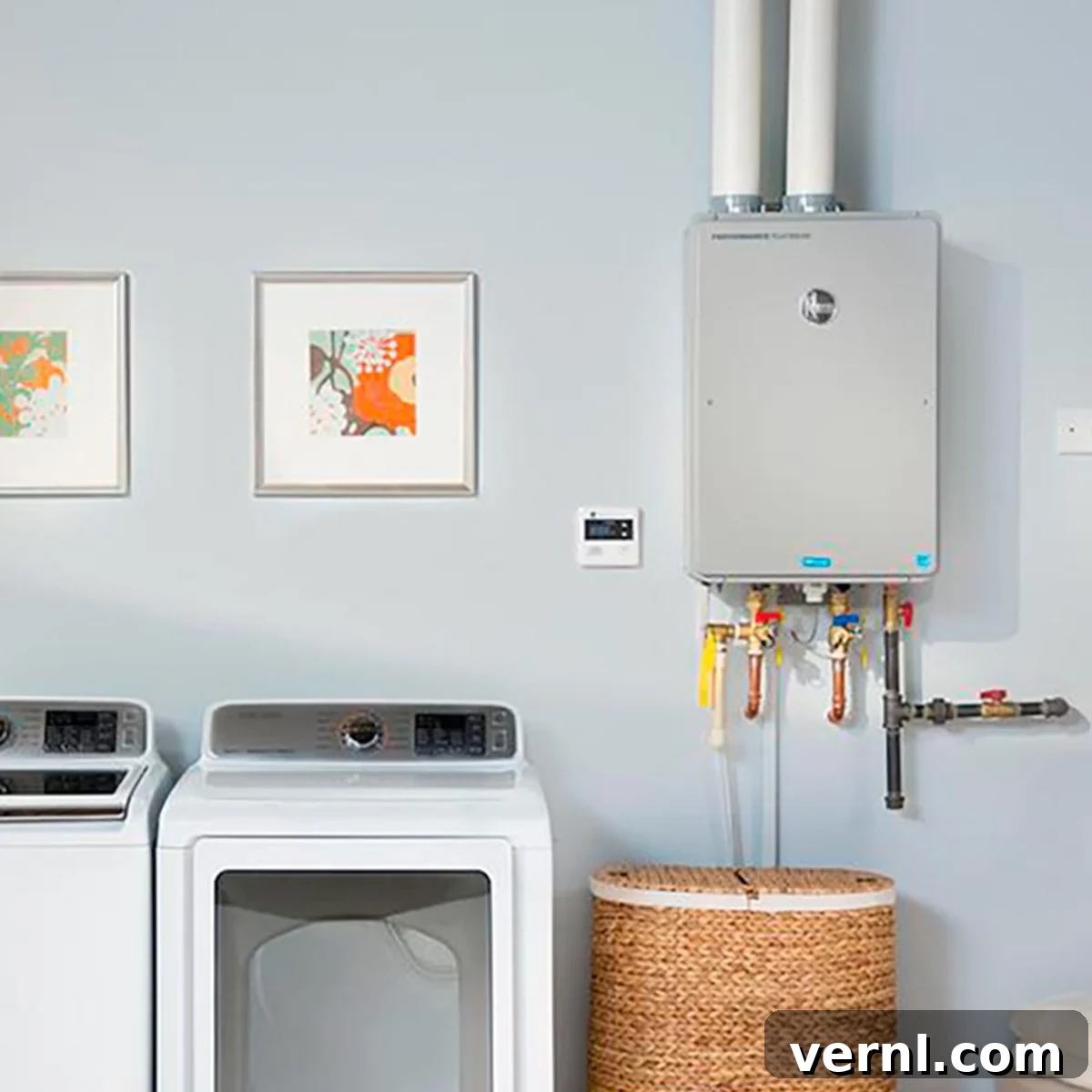
Embrace Efficiency: Your Comprehensive Guide to Tankless Water Heaters
In today’s fast-paced world, where home comfort meets environmental consciousness, optimizing your household’s energy consumption has become a top priority for many homeowners. One of the most impactful upgrades you can consider is revolutionizing your hot water system. Traditional tank-style water heaters, while familiar, are often energy hogs, constantly heating and reheating water whether it’s needed or not. This continuous operation leads to considerable “standby heat loss” and inflated utility bills.
Enter the innovative realm of tankless water heaters, also widely known as on-demand water heaters. These modern marvels are engineered to provide hot water precisely when you need it, and only when you need it. By eliminating the energy waste associated with traditional storage water heaters, they offer a compelling win-win proposition: unparalleled convenience and significant energy savings.
Imagine a household where you never have to worry about running out of hot water, even during peak usage times with multiple showers, a running dishwasher, and laundry in full swing. Envision noticeable reductions in your monthly energy expenditures, all while contributing to a greener planet. This seamless blend of efficiency and unlimited supply is the core promise of a tankless water heating system.
However, like any significant home improvement, considering a tankless water heater prompts important questions: How do these advanced systems operate? What are their true benefits, and are there any potential drawbacks? Most importantly, is a tankless water heater the ideal choice for your unique home and family’s hot water demands? This comprehensive guide will meticulously explore the mechanics of tankless water heaters, detail their numerous advantages, discuss crucial factors for selection, and help you determine if this cutting-edge technology is the perfect fit for your residential needs.
How Do Tankless Water Heaters Work? Delivering Hot Water, Instantly.
The fundamental principle behind tankless water heaters is elegantly simple yet profoundly efficient: they heat water directly and instantaneously as it flows through the unit, rather than storing a large, pre-heated volume. This “on-demand” approach is what sets them apart and underpins their energy-saving capabilities and continuous hot water supply.
The Mechanics of Instantaneous Heating
The process begins the moment a hot water faucet is opened in your home. Sophisticated sensors within the tankless unit detect the water flow. This signals the unit to activate its heating mechanism. Cold water then travels through an inlet pipe and into the tankless water heater’s compact core. Inside, a high-efficiency heat exchanger, typically crafted from durable materials like copper or stainless steel, rapidly transfers heat to the flowing water. The heat source itself can be either a powerful gas burner (for natural gas or propane models) or robust electric heating elements (for electric models).
As the water passes through the heat exchanger, it quickly reaches the precisely desired temperature set by the homeowner. This perfectly heated water is then immediately directed to the open faucet. This rapid, continuous heating ensures a constant supply of hot water for as long as it’s needed, entirely eliminating the common scenario of a traditional tank running empty and leaving you with cold water.
Understanding Flow Rate: Gallons Per Minute (GPM)
One of the key performance metrics for tankless water heaters is their flow rate, measured in Gallons Per Minute (GPM). This indicates how much hot water the unit can deliver at a specific temperature rise (the difference between the incoming cold water temperature and your desired hot water temperature). Flow rates are crucial for ensuring the unit can meet your household’s simultaneous hot water demands. A higher GPM rating means the unit can handle more hot water applications at once.
Gas vs. Electric Tankless Water Heaters: Which is Right for You?
Tankless water heaters come primarily in two types based on their fuel source, each with distinct advantages and considerations:
- Gas-Fired Tankless Water Heaters: These units typically operate on natural gas or propane and are celebrated for their ability to produce higher flow rates. This makes them an excellent choice for larger homes or families with substantial and frequent hot water demands, capable of supplying multiple fixtures simultaneously without a noticeable drop in temperature. Gas models generally require proper venting systems (either direct-vent or power-vent) to safely expel combustion gases, which can add to installation complexity and cost. However, where natural gas is readily available and affordably priced, gas tankless heaters often boast lower long-term operating costs. As highlighted by energy.gov, gas-fired units generally offer superior flow rates compared to their electric counterparts.
- Electric Tankless Water Heaters: Electric models are typically more compact and do not require venting, making their installation potentially simpler in certain scenarios. They are frequently favored for point-of-use applications, such as a single sink or shower, or in homes where natural gas access is unavailable. For whole-house hot water, electric tankless heaters require a substantial amount of electrical power, often necessitating dedicated, high-amperage circuits and potentially an expensive electrical service upgrade. While easier to install from a venting perspective, their operational costs can be higher depending on local electricity rates, and their overall GPM capacity is generally lower than gas models.
Sizing Your Tankless Water Heater: Meeting Your Household’s Peak Demand
Properly sizing your tankless water heater is paramount to guarantee a continuous and adequate supply of hot water. This involves calculating your home’s “peak hot water demand”—the maximum amount of hot water you anticipate using at any one time. Consider the GPM requirements of common household fixtures and appliances:
- Showers: Typically 2.0-2.5 GPM
- Bathtubs: Can range from 4-7 GPM for filling
- Dishwashers: Around 1.0-2.0 GPM for hot water cycles
- Washing Machines: 1.5-3.0 GPM for hot water cycles
- Sink Faucets: 0.5-1.5 GPM
To calculate your peak demand, identify which fixtures are most likely to run simultaneously. For example, if two showers and a kitchen faucet might be in use at the same time, your peak demand could be approximately 2.5 GPM + 2.5 GPM + 1.0 GPM = 6.0 GPM. You would then look for a tankless unit that can deliver at least this flow rate at your specific regional incoming water temperature. In colder climates, where incoming water temperatures are lower, the unit will need to work harder to achieve the desired temperature rise, potentially affecting its effective GPM output.
For larger households with significant and concurrent hot water needs, installing more than one tankless water heater is a common and effective strategy. This ensures that ample hot water is always available for multiple showers, laundry, and dishwashing without compromise. Another option is to use a central whole-house unit complemented by smaller, point-of-use tankless heaters for distant bathrooms or specific high-demand appliances, minimizing wait times for hot water.
It’s also important to address any preconceived notions you might have. Many homeowners have encountered various tankless water heater myths that could unfairly influence their decision. Understanding the facts is crucial for appreciating the true capabilities of these modern systems.
The Unparalleled Advantages of a Tankless Water Heater
Beyond the fundamental benefit of providing hot water on demand, tankless water heaters offer a compelling array of advantages that make them a superior choice for today’s discerning homeowner. These benefits span from substantial financial savings and environmental responsibility to enhanced convenience and peace of mind.
1. Exceptional Energy Efficiency and Long-Term Cost Savings
The most compelling reason to switch to a tankless system is its superior energy efficiency. Traditional storage tank heaters constantly consume energy to maintain a large volume of water at a set temperature, even when no hot water is being used. This constant reheating constitutes “standby heat loss,” a significant drain on your energy bill.
Tankless water heaters eliminate this waste entirely. They only activate and consume energy when a hot water tap is opened, heating water instantly and then shutting down. The U.S. Department of Energy estimates that tankless water heaters can be 24% to 34% more energy efficient for homes that use 41 gallons or less of hot water daily. For homes with higher hot water demands (around 86 gallons per day), they can still be 8% to 14% more efficient. These efficiencies translate into tangible annual savings, often exceeding $100 for a typical family, with potential for even greater savings depending on usage patterns, local energy costs, and the specific model chosen. Over the extended lifespan of a tankless unit, these accumulated savings can be substantial, often offsetting the higher initial investment.
2. An Endless Supply of Hot Water
The days of a family member enduring a cold shower because the hot water tank ran out are history with a tankless system. Since water is heated continuously as it flows through the unit, there’s no fixed tank capacity to deplete. This means you gain access to an effectively limitless supply of hot water. Whether it’s morning rush hour with multiple showers, a relaxing long soak in the tub, or simultaneously running the dishwasher and washing machine, a tankless water heater ensures a continuous, comfortable hot water experience for everyone, without interruption.
3. Superior Lifespan and Reduced Maintenance Needs
Tankless water heaters are engineered for durability and longevity. Many high-quality models boast an impressive operational lifespan of more than 20 years, often double the typical 10 to 15-year life expectancy of conventional storage tank heaters. This extended durability is partly due to their design, which mitigates the constant exposure of water to a large tank interior, a common source of corrosion and leaks in traditional units. Furthermore, many components within a tankless system are designed to be individually replaceable, simplifying repairs and further extending the overall service life of the unit.
While tankless units are not entirely maintenance-free, their requirements are often less burdensome than those of tank models. The primary maintenance task is an annual flush to remove mineral sediment and scale buildup, especially crucial in areas with hard water. This preventative measure helps maintain optimal efficiency and prevents potential damage over time, and can often be performed by a homeowner or a professional plumber.
4. Significant Space Savings and Installation Flexibility
One of the most immediate and appreciated benefits of tankless water heaters is their remarkably compact size. Unlike their bulky, cylindrical tank counterparts that demand considerable floor space, tankless units are typically wall-mounted and significantly smaller. This frees up valuable square footage in utility closets, basements, garages, or laundry rooms, allowing for more efficient space utilization in your home. Their versatile design also permits installation in less conventional locations, including outdoors in climates that permit it, offering homeowners unprecedented flexibility in home design and storage.
5. Reduced Environmental Impact
Beyond the personal financial gains, the enhanced energy efficiency of tankless water heaters also translates into meaningful environmental benefits. By consuming less energy to heat water, these units contribute to a reduction in greenhouse gas emissions and a smaller overall carbon footprint for your household. Choosing a tankless system is a tangible step towards making your home more sustainable and aligning with broader ecological goals.
Choosing the Right Water Heater: Important Considerations for Tankless Systems
While the advantages of tankless water heaters are compelling and numerous, a balanced perspective requires an honest look at potential drawbacks and specific considerations. Understanding these aspects is crucial for making an informed decision and ensuring a tankless system is indeed the perfect fit for your home and budget.
Higher Initial Cost and Installation Complexity
One of the primary factors to consider is the initial investment. Tankless water heaters typically have a higher purchase price than traditional tank models. Furthermore, installation can be more complex and, consequently, more costly. This is often due to the need for infrastructure upgrades. For gas units, this might involve upgrading your existing gas line to accommodate the higher BTUs required or installing a new, specialized venting system. Electric tankless models may necessitate significant and potentially expensive electrical panel upgrades to handle their substantial amperage demands. It is highly advisable to obtain detailed quotes from multiple qualified plumbers specializing in tankless installations to get an accurate estimate of the total upfront cost.
Flow Rate Limitations and Simultaneous Usage Challenges
Despite providing an “endless” supply of hot water, tankless units do have a maximum flow rate (GPM) they can deliver at a given temperature rise. If your household frequently demands hot water from multiple high-flow fixtures concurrently—for example, two showers running while the washing machine is on—a single tankless unit might struggle to maintain consistent temperature or sufficient flow across all points of use. This can lead to a slight drop in water temperature or reduced water pressure. Proper sizing based on your peak demand, as discussed earlier, is essential to mitigate this. In some high-demand scenarios, installing multiple smaller units or a larger, high-capacity unit might be the only way to ensure optimal performance.
Periodic Maintenance Requirements
While generally low-maintenance, tankless units are not maintenance-free. To ensure optimal efficiency and longevity, particularly in areas with hard water, an annual flushing of the heat exchanger is recommended. This process helps prevent the buildup of mineral scale, which can significantly reduce efficiency and potentially damage the unit over time. While some homeowners are comfortable performing this task themselves, many prefer to enlist the services of a professional plumber.
Navigating Your Options: Expert Tips and Further Resources
Whether you’re strongly considering the modern efficiency of a tankless system or still weighing all your water heating options, making a thoroughly informed decision is paramount. Our expert tips and comprehensive guides are designed to empower you with the knowledge needed to navigate the diverse range of models, understand their features, and ultimately select the ideal water heater that perfectly aligns with your household’s unique demands and your financial strategy.
For a deeper dive into selecting the perfect water heating solution for your home, we encourage you to explore these valuable and informative resources:
- How to Choose a New Water Heater: A Step-by-Step Guide for Every Homeowner
- New Homeowner’s Guide to Water Heaters: Essential Knowledge for Your First Home
- Top Electric, Gas, and Tankless Water Heaters: Expert Recommendations for 2024
- Best Under-Sink Water Heaters: Point-of-Use Solutions for Instant Hot Water at the Tap
- Best Tankless Water Heaters: Our Top Picks for Efficiency, Performance, and Reliability
- The Pros and Cons of Tankless Water Heaters: A Balanced Perspective for Informed Decisions
Final Thoughts: Is a Tankless Water Heater the Right Choice for Your Home?
The decision to upgrade to a tankless water heater represents a significant investment, but one that promises substantial long-term rewards in the form of impressive energy savings, an endless supply of hot water, and a reduced environmental footprint. By thoroughly understanding how these advanced systems operate, appreciating their numerous benefits, and carefully weighing the initial costs and specific installation requirements, homeowners can confidently determine if this innovative technology is the optimal fit for their needs and lifestyle.
We strongly recommend consulting with a qualified and experienced plumbing professional. They can conduct a thorough assessment of your home’s unique hot water demands, evaluate your existing infrastructure, and provide tailored recommendations for proper sizing and seamless installation. This expert guidance will ensure that you select and install a tankless system that delivers optimal performance, unparalleled comfort, and significant savings for many years to come.