
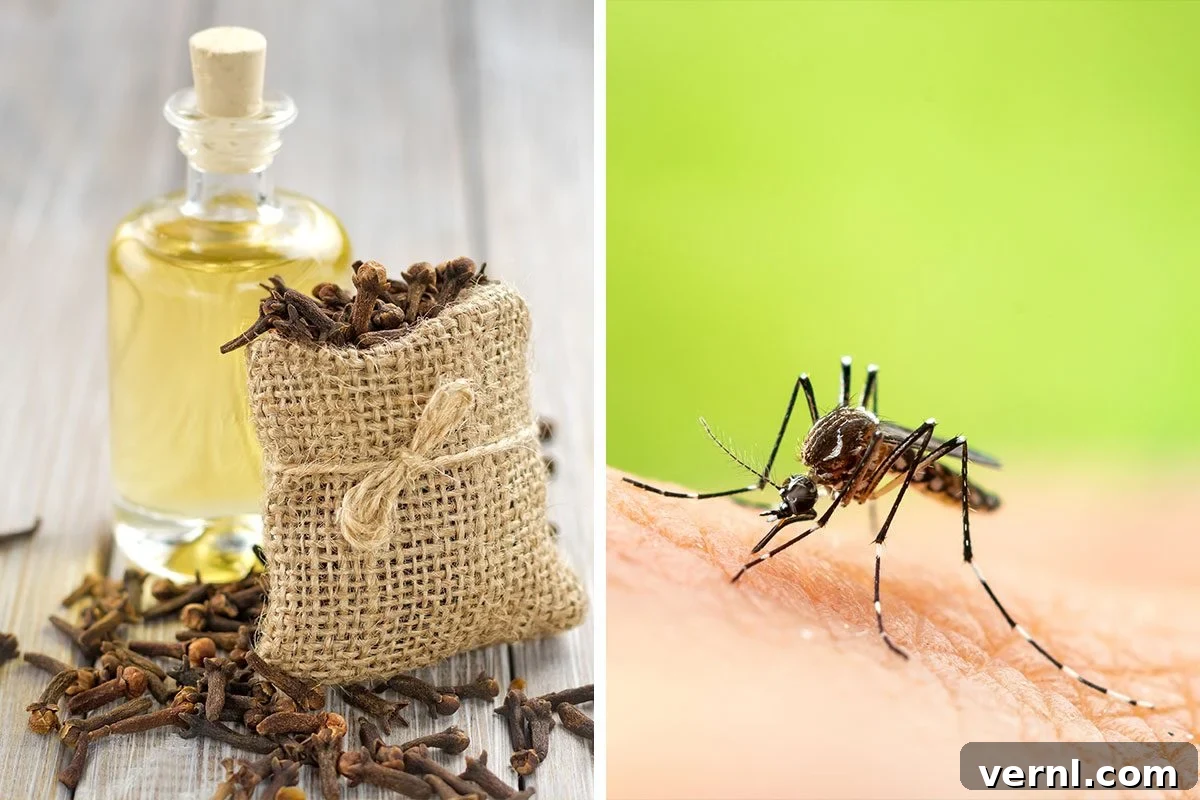
The joy of outdoor activities often faces a common adversary: persistent and bothersome insects. While the market is flooded with various commercial insect repellents, a growing number of individuals, myself included, harbor concerns about the harsh chemicals these products often contain. As a seasoned master herbalist, my journey has led me to craft effective DIY bug repellent sprays, harnessing the power of natural ingredients like clove oil. This homemade solution offers a safe and highly effective alternative, suitable for direct application to the skin or for misting into the air, ensuring those irritating pests remain at a respectful distance.
Clove oil stands out as an exceptional natural remedy for deterring a wide array of insects, including mosquitoes, making it a cornerstone of chemical-free pest control. Its preparation at home is remarkably straightforward. This guide will walk you through the simple, five-step process of creating your own DIY clove oil spray, empowering you to enjoy the outdoors with peace of mind.
Unveiling the Power of Clove Oil: A Natural Insect Repellent
Clove oil, derived from the aromatic flower buds of the clove tree (Syzygium aromaticum), boasts a rich history, revered for its distinctive aroma and extensive therapeutic properties for centuries. Beyond its culinary and medicinal applications, clove oil’s potent insect-repelling capabilities are largely attributed to its primary active compound: Eugenol. This natural chemical possesses a strong, characteristic scent that is highly disagreeable to many insects, effectively driving them away.
Extensive research underscores Eugenol’s efficacy as a natural insecticide and repellent. Medical experts at MedicineNet highlight Eugenol’s capacity to repel common household pests such as ants, mites, ticks, and spiders. Further studies, including those documented by the National Library of Medicine, expand this list to prominently include mosquitoes, a pervasive nuisance in many outdoor settings. This scientific backing reinforces the traditional understanding of clove oil as a formidable deterrent against a broad spectrum of pests.
One of clove oil’s most appealing attributes is its safety for personal use and its minimal environmental impact when properly diluted. The recognition of clove oil as a natural, chemical-free bug repellent is therefore not surprising, but rather a testament to its inherent properties. Learning to prepare your own DIY clove oil spray through this simple, homemade recipe becomes a logical and essential step for anyone seeking an effective, eco-conscious solution to pest control.
Furthermore, the safety profile of clove oil in pest control applications has been rigorously evaluated. A comprehensive study from Cornell University, titled ‘Cloves & Clove Oil Profile Active Ingredients Eligible for Minimum Risk Pesticide Use,’ indicated that the U.S. Environmental Protection Agency (EPA) acknowledges the use of clove oil as an insecticide to be safe, posing minimal risk to human health when used according to guidelines. This provides an additional layer of assurance for those looking to embrace natural repellent solutions.
Essential Precautions and Safety Tips for Using Clove Oil at Home
While natural, essential oils are highly concentrated botanical extracts, making them incredibly potent. This potency means they can be potentially dangerous if not handled and used correctly. As a master herbalist, I cannot stress enough the importance of caution. A fundamental rule is to never apply undiluted essential oils directly to your skin. Their concentrated nature can cause significant irritation, redness, and even chemical burns. Always ensure proper dilution before any topical application.
Moreover, the integrity and efficacy of essential oils are sensitive to environmental factors. It is imperative to store your essential oils properly to maintain their potency and prevent degradation. Never use essential oils that have been stored in excessively hot or sunny environments, as exposure to heat and direct sunlight can alter their chemical composition, potentially rendering them ineffective or, worse, irritating. If an essential oil has been compromised by improper storage, it is best to dispose of it carefully and responsibly, replacing it with a fresh, properly stored bottle to ensure maximum safety and effectiveness.
Understanding Essential Oil Dilution: The Key to Safe Application
Dilution is a critical step in safely utilizing essential oils, particularly when intended for skin application. For general topical use, a two percent dilution ratio is widely recommended. This translates to approximately 12 drops of essential oil per ounce (or 30 ml) of a suitable carrier liquid. While the DIY clove oil repellent recipe presented here is formulated with a slightly weaker dilution, it has been thoroughly tested and proven to be highly effective without compromising safety. The goal of dilution is not to weaken the repellent’s power, but to distribute the essential oil safely across a larger surface area, preventing skin sensitivity while still providing adequate protection.
A “carrier liquid” is an inert base used to dilute concentrated essential oils. Common carrier liquids include various vegetable oils (like jojoba, almond, or coconut oil), witch hazel, or in our recipe, distilled water combined with castile soap as an emulsifier. These carriers help to “carry” the essential oil onto the skin without irritation and facilitate an even spread. Understanding and adhering to proper dilution ratios is paramount for harnessing the benefits of essential oils safely and effectively.
Choosing the Right Companion Oils: Essential Oil Synergy with Clove Oil
While clove oil is a star player in natural insect repellency, its effectiveness can be significantly enhanced by blending it with other essential oils renowned for their pest-deterring qualities. In this recipe, I’ve selected oils that are scientifically recognized for their ability to ward off insects. However, the world of essential oils offers a rich palette of options, allowing for customization based on preference and specific pest concerns. You might consider substituting or adding other potent insect-repelling essential oils such as geraniol, cedarwood, or lavender, each bringing its unique aromatic profile and repellent properties to the blend. Geraniol, for instance, is highly effective against mosquitoes and ticks, while cedarwood is known for repelling moths and fleas, and lavender offers a soothing scent that many insects dislike.
Regardless of your choice, my most crucial advice is to always use food-grade or therapeutic-grade essential oils. The distinction between these and “fragrance oils” is critical. Food-grade and therapeutic-grade oils are rigorously processed and tested to ensure purity, free from synthetic additives, contaminants, or harsh chemicals. These are the only types of essential oils considered pure enough and safe for topical application on your skin and for use in your immediate environment. Fragrance oils, conversely, are typically synthetic and intended solely for aromatic purposes, lacking any therapeutic benefits and potentially causing adverse reactions when applied to the skin. For a truly chemical-free pest control solution that is both effective and safe, prioritize pure, undiluted, therapeutic-grade essential oils.
A Crucial Word of Caution: Prioritizing Pet Safety
This is an absolutely critical section that demands your undivided attention. It is imperative to understand that none of the essential oils used in this DIY bug repellent spray are considered absolutely safe for dogs or cats. Even small exposures can lead to severe health consequences for your beloved companions. As someone deeply versed in the intricacies of essential oils, I strongly advise extreme caution and, frankly, avoidance if you have pets in your home.
While a very limited number of essential oils might be deemed relatively safe for topical use on pets *under strict veterinary guidance and at extremely low dilutions*, the risks associated with general DIY use far outweigh any potential benefits. Pets, especially cats, metabolize essential oils very differently from humans. Cats, in particular, lack a specific liver enzyme necessary to break down many essential oil compounds, leading to a dangerous buildup of toxins in their system. Even passive exposure, such as inhaling diffused oils or licking residue from surfaces or your skin, can be incredibly dangerous.
Essential oils possess the potency to cause severe respiratory issues (like asthma attacks or pneumonia), neurological problems (such as tremors, ataxia, or seizures), liver damage, kidney failure, and in severe cases, even be fatal to cats and dogs. Symptoms of essential oil toxicity in pets can include lethargy, difficulty breathing, drooling, vomiting, diarrhea, redness or burns on the skin, and behavioral changes. If you notice any of these signs after potential exposure, seek immediate veterinary attention.
Therefore, if you share your home with pets, the safest course of action is to unequivocally DO NOT use this DIY bug repellent spray on yourself, directly on your pets, their bedding, or any gear they might interact with. Their well-being must always be the top priority. Consider alternative, pet-safe pest control methods or consult with your veterinarian for specific recommendations that will not endanger your furry family members.
Crafting an Effective Clove Oil Bug Repellent at Home: A Step-by-Step Guide

Creating your own natural insect repellent is a rewarding process that puts you in control of the ingredients. Follow these five easy steps to make an effective DIY clove oil bug repellent spray for natural pest control:
Step 1: Gather Your Supplies
Preparation is key to a smooth crafting process. To assemble your powerful clove oil bug repellent, you will need the following high-quality items:
- Thirty drops of clove essential oil: This is the primary active ingredient, providing strong repellent properties.
- Ten drops of citronella essential oil: A classic and widely recognized insect repellent, enhancing the blend’s efficacy.
- Ten drops of lemon eucalyptus essential oil: Known for its powerful mosquito-repelling properties, often compared to synthetic repellents.
- Two tablespoons of unscented liquid castile soap: This acts as a crucial emulsifier, allowing the oils and water to mix effectively. I personally highly recommend Dr. Bronner’s unscented castile soap for its purity and effectiveness.
- One cup of distilled water: Using distilled water prevents mineral buildup and extends the shelf life of your repellent, as tap water can introduce impurities.
- An immersion blender: This tool is excellent for thoroughly emulsifying the oils and soap, ensuring a consistent mixture.
- An amber glass spray bottle: Amber glass is essential as it protects the sensitive essential oils from UV light degradation, maintaining their potency over time. Plastic bottles can also leach chemicals into your natural product.
- A small funnel: To prevent spills and ensure easy transfer of the mixture into your spray bottle.
Step 2: Combine the Essential Oils
Begin by carefully adding the specified amounts of clove, citronella, and lemon eucalyptus essential oils into the cup of your immersion blender. This initial combination starts the dilution process, which is vital for safety and effectiveness. Essential oils are extremely concentrated, and clove oil, in particular, can be quite irritating if not adequately diluted. By blending it with other oils at this stage, we initiate a gentle pre-dilution, preparing them for further integration into the water base.
Step 3: Introduce the Castile Soap
Next, pour the two tablespoons of unscented liquid castile soap into the blender cup with the essential oils. The castile soap plays a vital role in this recipe: it acts as a natural emulsifier. Essential oils are hydrophobic, meaning they do not mix with water. Castile soap, being an amphiphilic molecule, has both water-attracting and oil-attracting properties, allowing it to bridge the gap between the oils and water. This ensures that the essential oils are evenly dispersed throughout the water, rather than separating and floating on top, which would diminish the repellent’s consistency and effectiveness.
Step 4: Emulsify the Mixture
With all the essential oils and castile soap in the blender cup, activate your immersion blender and blend the mixture for approximately one minute. The goal here is to thoroughly emulsify these ingredients. You’ll notice the mixture becoming creamy and uniform, indicating that the oils are finely dispersed within the soap. This emulsification is crucial for creating a stable solution that won’t separate quickly and will deliver a consistent spray every time you use it.
Step 5: Bottle and Dilute Further
Proper bottling is a key step to ensure the longevity and safety of your homemade repellent. Carefully take the emulsified soap and oil mixture and, using your small funnel, pour it into the amber glass spray bottle. After transferring the concentrated mixture, add the one cup of distilled water to the bottle. This final addition of distilled water serves to further dilute the essential oils, bringing them to a safe concentration for direct application to your skin or for misting into the air around you. The amber glass will protect the oils from light degradation, preserving their potency.
Your DIY clove oil bug repellent is now prepared and ready for use! Ensure the cap is screwed on tightly.
Shake Well Before Each Use
Before every application, it’s essential to give your concoction a final visual check. Ensure that all the ingredients appear to be well-mixed within the spray bottle. Essential oil-based sprays can sometimes separate over time, even with an emulsifier, due to differences in density. To reactivate the emulsion and ensure that the essential oils for bugs are evenly distributed throughout the water, vigorously shake the bottle for at least a minute. This ensures that each spray delivers the full, consistent potency of the repellent ingredients.
Perform a Patch Test
Prior to integrating your homemade DIY clove oil natural bug repellent into your routine, it is crucial to perform a patch test. Apply a small amount of the spray to an inconspicuous area of your skin, such as the inner forearm. Wait for a few minutes, or even up to an hour, to observe for any adverse reactions. If you experience any irritation, redness, itching, or a burning sensation, immediately wash the area thoroughly with soap and water and discontinue use. Your skin’s health is paramount. If no irritation occurs, you can confidently proceed with using your effective, chemical-free insect deflector.
Pro tip: If an immersion blender is not readily available, don’t worry! Simply add all the essential oils, castile soap, and distilled water directly into your amber spray bottle. Then, shake the bottle vigorously for several minutes to achieve a satisfactory emulsion. This method also applies each time if you notice the spray separating after it has been stored; a good shake will restore its consistency.
Optimal Storage for Your Homemade Insect Repellent
To maximize the efficacy and extend the shelf life of your DIY clove oil insect repellent, proper storage is crucial. Always store your spray in a cool, dark place, away from direct sunlight and sources of heat. Essential oils are highly volatile and photosensitive; prolonged exposure to heat and light can cause their active compounds to degrade, significantly diminishing their potency and effectiveness over time. Storing the repellent in its amber glass bottle, coupled with a cool, dark environment, creates an ideal condition that preserves the integrity of the essential oils.
With proper storage, your homemade repellent should maintain its effectiveness throughout the most insect-heavy months, particularly during damp, rainy periods and transitional seasons when temperatures are mild and insect activity peaks. This allows you to consistently enjoy a natural, chemical-free, and healthy way to spend your time outdoors without the annoyance of pests.
Generally, properly stored pure essential oils can retain their therapeutic properties for anywhere between two and five years, depending on the specific oil. However, once diluted and mixed into a water-based solution like this repellent, the shelf life is typically shorter due to the presence of water, which can encourage microbial growth over extended periods. Therefore, while the essential oils themselves are long-lasting, I would conservatively suggest not storing the prepared solution for more than a year to ensure optimal safety and efficacy. To help you keep track, simply write the date you made the repellent on the label of your spray bottle. This simple practice ensures you know exactly when it’s time to discard it and prepare a fresh batch, guaranteeing you always have the most potent and safe natural solution at hand.
Frequently Asked Questions About Clove Oil Bug Repellent
Which bugs does clove oil naturally repel?
Clove and its oil have been historically recognized as natural household remedies for keeping various pests at bay, such as deterring ant trails and discouraging cockroaches from inhabiting nooks and corners of homes. Modern scientific research corroborates these traditional uses, specifically highlighting Eugenol, the principal active ingredient in clove oil. Studies have concluded that Eugenol possesses significant repellent power against a wide range of insects and pests, including ants, mites, ticks, spiders, and notably, mosquitoes. This makes clove oil a versatile and effective natural deterrent for both indoor and outdoor pests.
How safe is the DIY clove oil spray for personal use on humans?
When prepared precisely according to the dilution guidelines provided in the recipe above, the clove oil spray is designed to be very safe for human use. The specified dilution ensures that it will neither cause skin irritation nor lead to any harmful toxicity in the surrounding air. The careful balance of essential oils and carrier liquids minimizes potential adverse reactions. Furthermore, when the spray is stored meticulously in a cool, dark place as advised, it retains its efficacy and safety profile for an extended period, typically two to three years, providing a long-lasting, dependable natural repellent solution.
What exactly are essential oils?
Essential oils are highly concentrated liquid extracts derived from various parts of plants, including flowers, leaves, stems, bark, roots, and fruits. They are termed “essential” because they capture the unique fragrance and “essence” of the plant from which they are extracted. These complex botanical compounds are renowned for their potent aromatic properties and are often utilized for their wide array of therapeutic effects and medicinal values, from calming aromatherapy to powerful antimicrobial actions.
While often considered eco-friendly and generally harmless when used correctly, it is crucial to exercise caution with essential oils due to their concentrated nature. If not diluted properly and used in appropriate proportions, these potent concentrates can indeed cause adverse reactions such as severe skin irritations, allergic reactions, and even chemical burns. Therefore, always adhere to recommended dilution ratios and perform patch tests before widespread use.
Is the DIY clove oil natural pest control spray prepared at home safe for my pets?
Absolutely NOT. It is critically important to understand and adhere to this warning: DO NOT use this DIY clove oil spray on or near pets, including dogs and cats. Essential oils can be highly toxic to animals, as their bodies process these compounds differently than humans. Even diluted applications or airborne exposure can lead to serious health issues, including respiratory distress, liver damage, neurological problems, and in severe cases, be fatal. Always prioritize pet safety and keep essential oil-based products away from them.
Are there other natural alternatives to clove oil for warding off pests?
Yes, homeowners have several other effective DIY pest control ideas utilizing natural ingredients. Many other essential oils and natural compounds possess insect-repelling properties. These alternatives to clove oil can be explored and prepared with the help of recipes prescribed by experts. Each alternative, however, would also need to be used with the same due precautions and safety advisories as tagged with their respective recipes, ensuring safe and effective application.
Sources
- MedicineNet: “What Is Clove Oil Used For?”
- Medical Author: Karthik Kumar, MBBS
- Medical Reviewer: Pallavi Suyog Uttekar, MD
- National Library of Medicine – National Center for Biotechnology Information
“Bioactive properties of clove (Syzygium aromaticum) essential oil nanoemulsion: A comprehensive review”
Vinay Kumar Pandey a, Shivangi Srivastava b, Ashish a, Kshirod Kumar Dash c,∗, Rahul Singh a,∗∗, Aamir Hussain Dar d, Tripti Singh f, Alvina Farooqui a, Ayaz Mukkaram Shaikh e, Bela Kovacs e,∗∗∗ Nov 2023 - New York State Integrated Pest Management, Cornell University, Geneva NY
“Cloves & Clove Oil Profile Active Ingredient Eligible for Minimum Risk Pesticide Use” – Brian P. Baker, Jennifer A. Grant, and Raksha Malakar-Kuenen1