
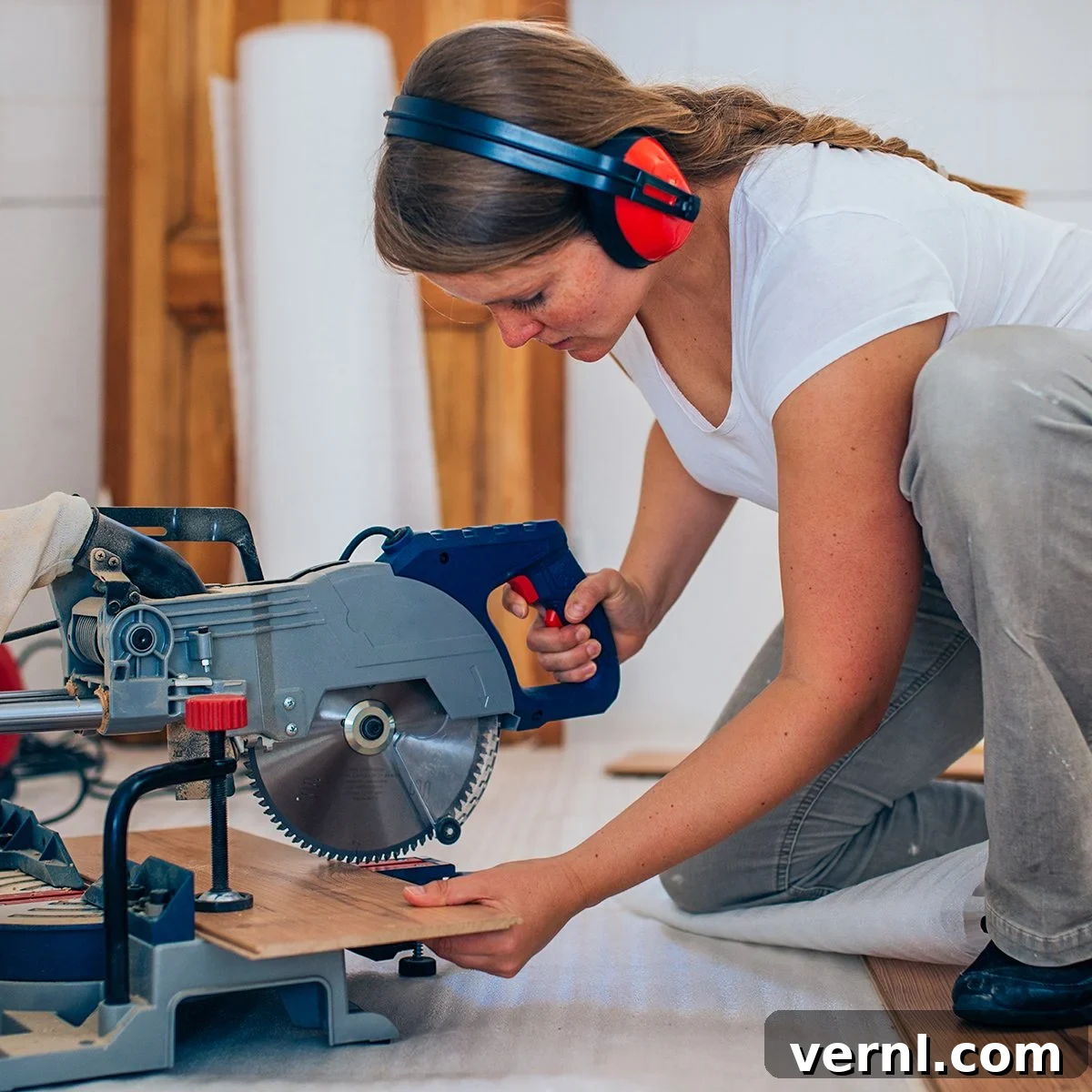
Welcome to New Homeowner Bootcamp, your essential guide from Family Handyman, designed to help you navigate the journey of homeownership. This guide covers everything from essential post-purchase tasks to money-saving maintenance tips and inspiring home improvement projects.
Owning a home unlocks a world of DIY possibilities. You’re no longer restricted by a landlord or dependent on parents; you’re free to personalize your space and bring your creative visions to life. This newfound freedom can be exciting but also feel a little overwhelming at first.
Starting your first DIY project can be daunting. Where do you begin? What tools do you need? What if you make a mistake? It’s perfectly normal to have these concerns, but remember, everyone starts somewhere.
“The biggest misconception is that you need experience before you can try,” says Danny Niemela of ArDan Construction. “That is backwards. You get experience by screwing things up, fixing them, then doing it cleaner the next time, even if it takes three trips to the hardware store.”
If you’re feeling overwhelmed, try focusing on one specific skill or project that interests you. This approach makes the learning curve more manageable. As Bar Zakheim of Better Place Design & Build points out, “The world of DIY is enormous, but learning how to properly maintain your home can save you a lot of money.”
The key is to embrace the learning process. There’s no shame in trying, and with each project, your skills and confidence will grow. We’re here to provide guidance and support every step of the way.
Beginner DIY Toolkit: Essential Tools
Whether you’re new to homeownership or new to the world of DIY, a basic toolkit is essential. As Ron Shimek, president of Mr. Handyman, notes, “You don’t need a professional workshop, but having the basic tools for the job will make a huge difference. You can always expand your collection as your skills grow.”
Here’s a starter list to get you going:
- Tape Measure: For accurate measurements in every project.
- Level: Ensures straight lines and level surfaces.
- Screwdrivers (various sizes): Essential for assembling furniture and other tasks.
- Hex Wrenches (Allen Wrenches): Another must-have for furniture assembly and various mechanical tasks.
- Power Drill: Drills holes, drives screws, and tackles a wide range of projects.
- Saw: (Hand saw or small power saw) for cutting wood and other materials.
- Pencils: For marking measurements and outlines.
- Utility Knife: For cutting and trimming various materials safely.
- Painter’s Tape: For clean lines when painting.
Easy DIY Projects for Beginners
Ready to get started? If you’re unsure what’s behind your walls, start with projects that offer straightforward results and build your confidence. Here are a few simple DIY projects perfect for beginners.
Paint a Room
Painting a room is often easier than it seems and is a great introductory DIY project. Jonathan Palley of Clever Tiny Homes says, “Painting really is the ideal DIY skill to pick up first…It doesn’t require many dangerous or expensive tools, it’s necessary for just about any home and it has both practical and aesthetic elements to it.”
Start with a small room like a bathroom to gain confidence. The key to successful painting is proper preparation.
- Prep Work: Use painter’s tape to protect light switches, trim, and other obstacles.
- Drop Cloth: Protect your floors from drips and spills with a drop cloth.
- Brush Control: Don’t overload your paint brush. Dip the brush about one-third of the way into the paint and tap off the excess.
Hang a Gallery Wall
Transform a blank wall into a personalized showcase. Planning is key to an appealing gallery wall. Plan your layout before you start. Use craft paper and painter’s tape to arrange the frames on the wall. This will allow you to visualize the final design and make adjustments before committing to drilling holes.
Danny Niemela suggests these additional tips:
- Layout: Plan the layout on the floor first.
- Spacing: Use masking tape on the wall to visualize spacing. Keep consistent spacing—about three inches between frames usually looks clean.
- Level: Use a level for precise alignment. A laser level is helpful but not essential.
- Height: Don’t “eyeball” the height. Measure carefully and mark each point.
- Anchors: Use drywall anchors for anything heavier than a pound or two.
Build a Bench
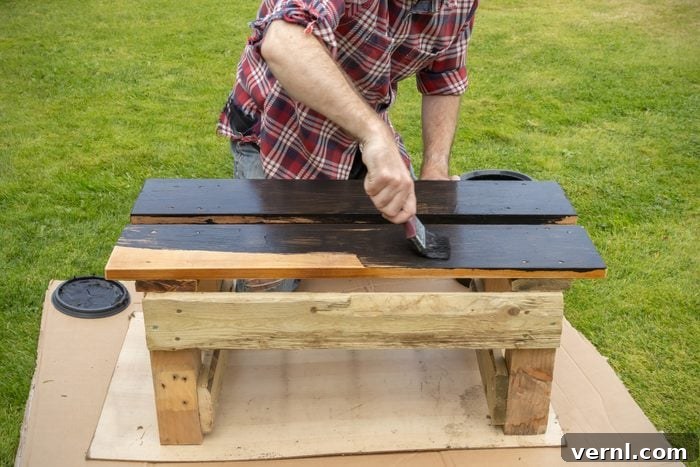
A simple bench is a manageable woodworking project for beginners. Build it for about $75 with a few tools. If you have a saw, great, but if not, ask the home center to cut the wood for you.
Easy bench projects offer a great way to improve basic woodworking skills without investing in a lot of expensive equipment.
Build a Raised Garden Bed
Raised garden beds are excellent for gardening. They save your back and are a good barrier to pests. Building a raised garden bed can be a satisfying project.
According to Niemela:
- Materials: Use durable materials like cedar or redwood.
- Pre-Drilling: Pre-drill holes to prevent splitting.
- Screws: Use deck screws instead of nails for a stronger hold.
- Height: If building a bed taller than 12 inches, stack blocks or use rebar to prevent bowing.
Common Home Maintenance Tasks
Homeownership involves more than just fun DIY projects; it also requires regular maintenance to protect your investment. Keep your home and appliances in top condition with these essential tasks.
Replace Air Filters
Air filters in your heating and cooling systems remove dust and pollutants, but they don’t last forever. Changing them regularly is essential for maintaining good indoor air quality. Check your furnace, air conditioner, and wall return ducts monthly and replace the filters when dirty. Always unplug your HVAC unit before changing the filter.
Test Smoke Detectors
Smoke detectors are critical for safety. Test them monthly by pushing the test button. Replace smoke detectors every ten years and write the replacement date on the unit so you know when to change them.
Clean Out Gutters and Downspouts
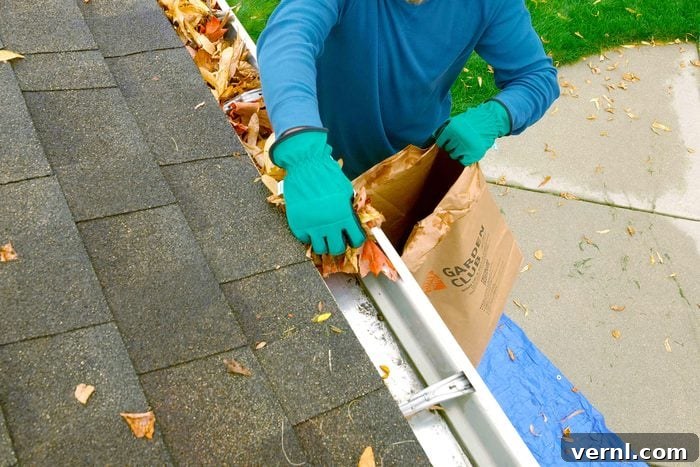
Cleaning gutters annually protects your roof from ice dams and water damage. You’ll need an extension ladder. Scoop out leaves and debris and rinse with water.
Niemela offers the following pro-tips for gutter cleaning:
- Ladder Safety: Make sure your ladder is rated for your weight and use a ladder stabilizer.
- Tools: Use gloves, a hose, a bucket, and a gutter scoop.
- Downspouts: Check downspouts for clogs and flush with a hose from the top.
- Weather: Always check the weather forecast.
Ensure that your downspouts direct water away from the foundation.
“You’ve got this!” says Shimek. “Don’t be afraid to try, to make mistakes and to learn along the way. The satisfaction of creating something with your own hands, fixing something yourself or transforming a space is truly empowering. Take it one step at a time, celebrate your small victories, and remember that every project, no matter how small, adds to your skills and confidence.”
When to Call a Professional
While DIY is rewarding, it’s important to know when to call a professional. Some tasks are best left to the experts, especially for beginners. It’s often quicker and safer to call a pro, and that’s perfectly okay.
If you encounter these problems or aren’t comfortable tackling them yourself, contact a professional:
- Complex Electrical Tasks: Unless you are a certified electrician, any tasks that involve complex wiring are not recommended. If you smell burning, have flickering lights, or a breaker that won’t hold, call a licensed professional.
- Extensive Mold Damage: If mold has spread, it is a serious issue that will need professional remediation.
- Gas Leaks: If you smell gas, leave your house and call a licensed plumber immediately.
- Pest Infestations: If you have termites, cockroaches, or a wasp nest, call for help to avoid structural, health, and safety issues.
FAQs
How do I stay safe when doing DIY home projects?
Safety should be a top priority. Take your time and focus on each step of the process. According to Niemela:
- Always unplug tools when changing blades.
- Wear safety glasses, ear protection and appropriate clothing, including sturdy, closed-toe shoes.
- Wear gloves when working with rough wood or metal edges.
- If working overhead, wear something on your face.
Palley emphasizes the importance of:
- Turning off the circuit breaker before doing any wiring work.
- Working with someone else present in case something goes wrong.
What kinds of projects are good for a new homeowner or someone who’s just getting into DIY and looking to build their skills?
Start with simple projects, such as painting, replacing cabinet hardware, installing a backsplash, or building shelves. Scott McGillivray says that these are “a great way to gain confidence without major risk.”
As a DIYer, are there any projects a beginner should avoid? If so, why?
Avoid anything involving structural, electrical, or plumbing work. According to Scott McGillivray, “Mistakes here can be dangerous and expensive to fix.”
About the Experts
- Danny Niemela: Professional home remodeler and co-owner at ArDan Construction.
- Bar Zakheim: CEO of Better Place Design & Build.
- Jonathan Palley: CEO of Clever Tiny Homes.
- Ron Shimek: President of Mr. Handyman.
- Scott McGillivray: Real estate, renovation, and finance expert.