
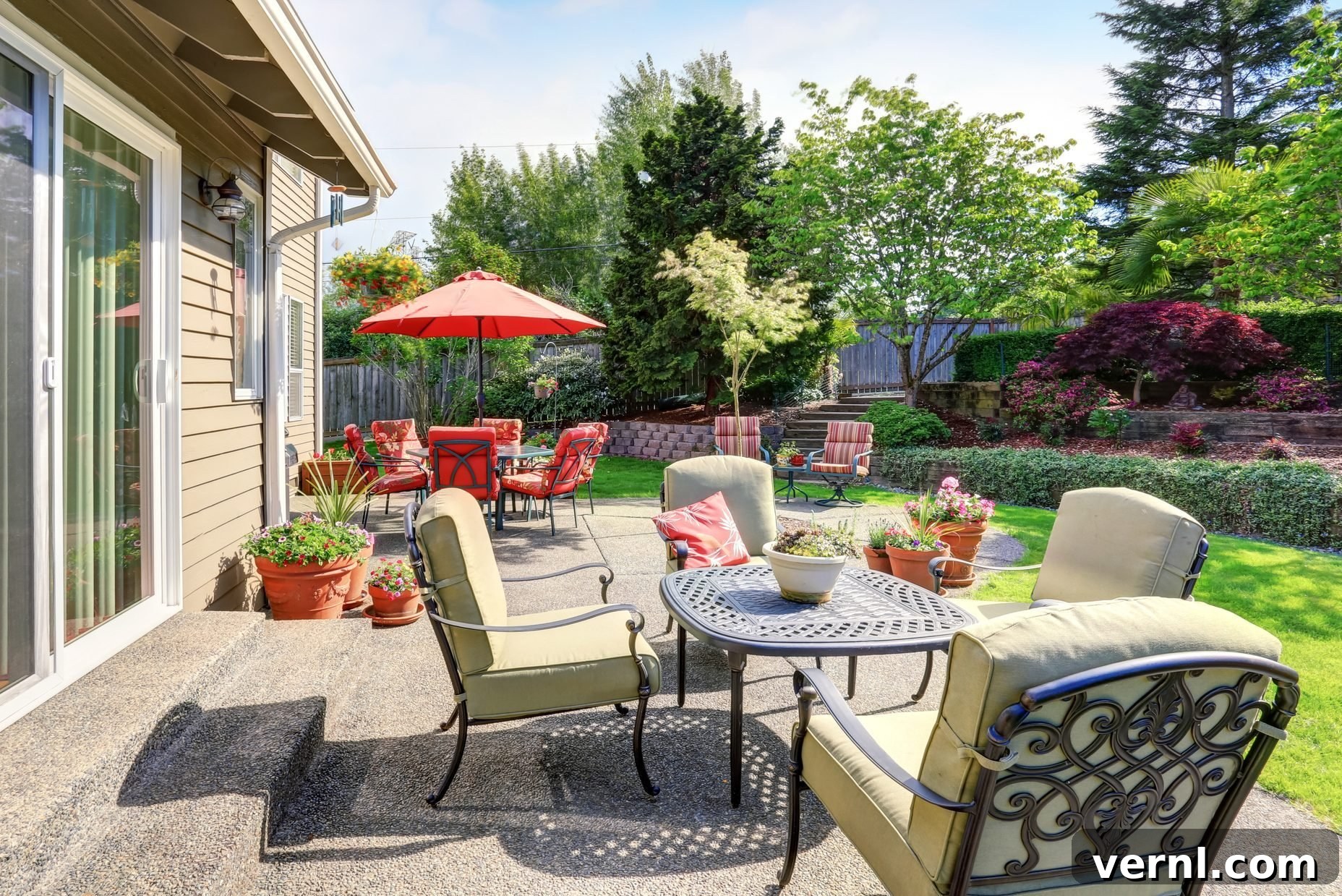
As homeowners increasingly prioritize their outdoor living spaces, the investment in comfortable and stylish outdoor furniture has soared. Industry reports indicate that U.S. consumers spent over $15 billion on outdoor furnishings in 2020, a trend projected to continue its upward trajectory through 2027. This growing commitment to al fresco living underscores the importance of proper outdoor furniture care. To help you safeguard your valuable pieces against the relentless forces of nature—be it harsh sun, driving rain, strong winds, or temperature extremes—we’ve consulted with leading experts. They’ve shared their invaluable tips and innovative ideas for protecting your outdoor furniture, ensuring its longevity and maintaining its aesthetic appeal in even the most challenging climates. Dive in to learn how to keep your patio, deck, and garden furniture looking its best year-round!
Essential Protection Strategies for Every Furniture Material
Secure Outdoor Furniture Against High Winds
Living in an area prone to strong gusts and unpredictable weather patterns necessitates robust measures to protect your outdoor furniture. High winds can easily overturn lightweight pieces, causing damage to the furniture itself and posing a significant safety risk. To prevent this, always anchor your outdoor furniture effectively. When not in use, stack chairs and secure them with bungee cords or specialized furniture straps. Umbrellas, which are particularly susceptible to wind damage, should always be closed and ideally brought indoors during windy conditions. Furthermore, ensure that all cushions are securely tied to their frames; loose cushions can quickly become airborne. For prolonged periods of non-use, or when expecting severe weather, consider covering your anchored furniture with heavy-duty tarps or custom-fit covers. For those in exceptionally windy regions, investing in heavier, weatherproof outdoor furniture designed for stability can be a wise long-term strategy, offering inherent resistance to environmental stressors.
Fortify Cushion Fabrics with Sun and Water Shields
Many modern outdoor furniture cushions, pillows, and umbrella fabrics come pre-treated with advanced sun- and water-repellent technologies. These specialized finishes help resist fading from UV rays and repel moisture, preventing mildew growth and fabric degradation. However, if your existing outdoor textiles lack this built-in protection, you can easily add a powerful defense yourself. Products like Scotchgard Sun and Water Shield sprays are designed to create an invisible barrier that repels water, prevents yellowing, and significantly reduces color fading caused by sun exposure. When applying, ensure the fabric is clean and dry, then spray evenly, allowing it to dry completely without odor. This simple step can dramatically extend the life and vibrancy of your outdoor cushions and fabrics. Jackie Hirschhaut, executive director of the International Casual Furnishings Association, emphasizes that even with protective sprays, all outdoor cushions should be brought indoors during the off-season, especially if furniture frames are left outside year-round, to ensure their optimal preservation and prevent premature wear.
Invest in High-Quality Outdoor Furniture Covers
Effective outdoor furniture covers are arguably one of the most vital components in any comprehensive protection strategy. These covers act as a crucial barrier, shielding your valuable outdoor pieces from an array of damaging elements, including intense UV rays, heavy precipitation, dirt, dust, and even bird droppings. UV protection for outdoor furniture is paramount, as prolonged sun exposure is a leading cause of fading, cracking, and material breakdown across all furniture types. When selecting outdoor furniture covers, expert Jackie Hirschhaut advises prioritizing a comfortable, yet snug fit over each piece. It’s essential to take precise measurements to avoid covers that are either too tight, which can strain seams and fabric, or too loose, which may flap in the wind and allow moisture to seep underneath. Crucially, avoid covers that completely seal the furniture, as proper air circulation is vital. Hirschhaut explains, “It’s important for air to get in underneath to prevent mold or mildew,” which can thrive in damp, stagnant environments. Landscape designer Paul Knapp recommends exploring specialty retailers like Coverstore or Outer, known for their wide selection of quality outdoor furniture covers, including custom sizes and designs that cater to specific furniture dimensions and styles, ensuring maximum protection and aesthetic integration.
Seal Wooden Outdoor Furniture for Enhanced Durability
Wooden outdoor furniture, while offering timeless beauty and natural appeal, is particularly susceptible to the damaging effects of weather. Moisture can lead to rot, warping, and mildew, while UV radiation from the sun causes fading, graying, and surface degradation. Therefore, it is absolutely essential to seal wooden outdoor furniture with a protective coating. Paul Knapp, a landscape designer, highlights the benefits of polyurethane, stating, “Polyurethane will help protect your wood from the sun and bring out its natural beauty.” He further advises opting for polyurethane formulas that include UV blockers, as these offer superior defense against sun-induced damage. Beyond polyurethane, other effective sealing options include oil-based sealants, which penetrate the wood to nourish and protect from within, and water-based sealants, which offer a durable, clear finish. Before application, ensure the wood is clean, dry, and lightly sanded for optimal adhesion. Regular reapplication, typically annually or bi-annually depending on exposure and product type, is key to maintaining the wood’s integrity and extending the lifespan of your cherished wooden patio pieces.
Utilize Shade to Preserve Furniture’s Lifespan
Every piece of outdoor furniture, regardless of its material, benefits immensely from adequate sun protection. Direct, prolonged exposure to harsh UV rays accelerates wear and tear, causing fabrics to fade, plastics to become brittle, and wood to gray and crack. Larry Greene, president of Worthington Design & Remodeling, suggests a simple yet highly effective strategy: “Consider putting it under an umbrella or a more permanent shaded structure.” This proactive approach dramatically expands the set’s life by significantly lowering the risk of damage from sun, wind, and rain. Options range from portable patio umbrellas, which offer flexible shade solutions, to more permanent installations like pergolas, gazebos, or shade sails, which not only protect furniture but also enhance the overall comfort and usability of your outdoor space. Strategically placed shade can also keep your furniture cooler, making it more comfortable to use during hot summer days and reducing thermal stress on materials, further contributing to their longevity.
Protect Metal and Aluminum Furniture with Paste Wax
Metal and aluminum outdoor furniture, while generally durable, are not immune to the elements. Without proper care, metal can corrode, rust (especially wrought iron and steel), and dull over time, while aluminum can develop a chalky oxidation layer. The most effective way to protect metal and aluminum outdoor furniture, according to Alex Varela, general manager of Dallas Maids, is with a diligent coating of paste wax. He likens it to sunscreen for your skin: “Just like you use sunscreen to protect your skin, think of wax as sunscreen for your outdoor furniture.” This protective layer repels water, prevents oxidation, and helps maintain the material’s sheen. Before applying paste wax, ensure the furniture is thoroughly cleaned. If you notice existing corrosion or rust on metals like wrought iron or steel, it’s crucial to address it first. Remove all rust by sanding or using a wire brush, apply a rust-neutralizing primer, then paint with an exterior-grade paint, and finally, seal with paste wax for ongoing protection. For metals highly prone to rust, Varela specifically recommends applying a rust neutralizer as a foundational step to fortify the surface.
Apply a Protectant to Plastic Furniture
Plastic outdoor furniture, often chosen for its affordability and low maintenance, is particularly susceptible to degradation from prolonged sun exposure. Over time, intense UV rays can cause the vibrant colors of plastic to severely fade, transforming them into dull, bleached tones. Furthermore, the plastic itself can become brittle and prone to cracking, significantly reducing its lifespan. Paul Knapp advises a simple yet effective solution: “Applying a coat of outdoor furniture protector can keep the sun’s rays from fading your furniture.” These specialized protectant sprays contain UV inhibitors that act much like sunscreen, forming a protective barrier on the plastic surface. This barrier helps to absorb or reflect harmful UV radiation, preventing discoloration and inhibiting the chemical breakdown that leads to brittleness and cracking. Regular application of these protectants, typically once or twice a season depending on sun exposure, will significantly extend the life and maintain the aesthetic appeal of your plastic outdoor furniture.
Optimal Off-Season Outdoor Furniture Storage
Proper off-season storage is a critical step in preserving your outdoor furniture, particularly for those living in climates with distinct seasonal changes. Alex Varela emphasizes that unless you reside in a perpetually mild climate where furniture is used year-round, storing it outside during winter is generally ill-advised. “Exposing your furniture to constant water changes [continually getting wet and drying] is not a good idea,” Varela notes, as this cycle can lead to material stress, cracking, and accelerated deterioration. Joe Raboine, an outdoor living expert and vice president of design for Oldcastle APG Inc., recommends a thorough cleaning and the application of major UV protection before storing. This pre-storage preparation is crucial because “moisture and dirt left on outdoor items can cause mold or mildew to grow in the winter months.” Mold and mildew can spread rapidly, leaving your furniture in poor condition by the time spring arrives. Materials like wicker, wrought iron, mesh, or plastic can often be effectively cleaned with a simple solution of dish soap and water. For more rugged and sturdy furniture, Gayla Sessa of Missouri Table and Chair suggests that a pressure washer can be an excellent tool for deep cleaning. However, she advises caution during the first use, as excessive pressure can inadvertently damage furniture. When storing, aim for a cool, dry, and well-ventilated space like a garage, shed, or basement. Elevating furniture off the ground using blocks or pallets is also recommended to prevent moisture absorption from concrete floors, further safeguarding against mold and mildew.
Seasonal Maintenance Tips for Patio Furniture Durability
A proactive, season-by-season maintenance approach ensures your patio furniture remains in pristine condition, ready to enhance your outdoor living experience throughout the year. Adapting your care routine to the changing demands of each season is key to maximizing durability and beauty.
- Spring: The Reawakening and Deep Cleanse
As temperatures rise and nature reawakens, spring is the ideal time to gently ‘wake up’ your outdoor furniture from its winter slumber. Begin with a thorough deep cleanse for all pieces, removing any accumulated dirt, dust, or mildew from storage. Inspect each item meticulously for any signs of damage incurred during the off-season, such as loose screws, chips in paint, or minor rust spots. Address these issues promptly with necessary paint touch-ups to prevent further degradation, or tighten any wobbly joints. Don’t forget to wash all coverings and cushions using appropriate cleaning solutions, allowing them to dry completely in the sun, ensuring they are fresh, clean, and ready for another season of enjoyment. - Summer: Protection During Peak Use
Summer typically brings the most intense use of your outdoor furniture, making protection during this period paramount. With extended periods of sun exposure, your primary job is to diligently protect materials from UV damage and frequent use. Regularly apply UV-blocking sprays to fabrics, plastics, and even some woods, creating an extra layer of defense against fading and material breakdown. Strategically deploy umbrellas, canopies, or other shaded structures to shield furniture from the harshest midday sun. Promptly clean up any spills or stains from food and drinks to prevent them from setting, and wipe down surfaces to remove pollen or environmental debris, keeping your furniture looking its best while it’s heavily utilized. - Autumn: Preparation for Storage and Repair
As the leaves begin to fall and temperatures cool, autumn signals the time to prepare your outdoor furniture for its off-season storage. This period is dedicated to thorough checks and preventative repairs. Before tucking your furniture away, meticulously fix any loose screws or bolts, touch up paint chips to prevent rust and further peeling, and oil metal joints or wooden components as needed to prevent seizing and maintain flexibility. Crucially, give all furniture a final, comprehensive clean before covering or storing. Removing dirt, grime, and environmental contaminants ensures that mold and mildew don’t have a chance to develop while the furniture is in storage, providing a clean slate for the following spring. - Winter: Rest and Vigilant Checks
For most climates, winter is a period of rest for patio furniture, a time when it’s typically not in use. While it may be out of sight, it shouldn’t be entirely out of mind. If storing furniture outdoors, even under covers, ensure it is elevated from the ground using blocks or furniture risers to prevent it from absorbing moisture from damp surfaces, which can lead to rot, rust, or mildew. Ideally, store your furniture indoors in a cool, dry, and well-ventilated space like a garage, basement, or shed. Even in storage, periodic checks are advisable. Briefly uncover or inspect stored items to ensure no unexpected moisture or pests have infiltrated, allowing you to address any issues before they become significant problems. This vigilance ensures your furniture emerges from winter as fresh and ready as possible.
Frequently Asked Questions About Outdoor Furniture Protection
What’s the best way to protect outdoor furniture from rain?
Protecting outdoor furniture from rain is crucial to prevent water damage, rust, and material degradation. High-quality waterproof furniture covers are undoubtedly one of the most effective solutions, creating an impermeable barrier against precipitation. Ensure these covers fit snugly but allow for some air circulation to prevent moisture build-up underneath. For optimal protection against heavy rains and prolonged wet periods, storing items in a shed, garage, or another enclosed space is ideal, completely removing them from exposure to the elements. If indoor storage isn’t feasible, applying water-repellent sealants to wooden furniture or rust-resistant sprays to metal items provides an excellent secondary line of defense, significantly contributing to the long-term durability and appearance of your patio furniture.
How do you keep the sun from damaging outdoor furniture?
The sun’s powerful UV rays are a primary cause of fading, cracking, and embrittlement in outdoor furniture materials. The easiest and most effective way to safeguard your outdoor furniture from sun damage is to provide shade. This can be achieved by placing furniture under shaded structures such as pergolas, gazebos, or large patio umbrellas. Additionally, utilizing UV-resistant covers when the furniture is not in use provides a direct physical barrier against harmful rays. Regularly applying protective sprays that contain UV inhibitors to fabrics, plastics, and treated woods adds another vital layer of defense. These sprays act like sunscreen for your furniture, absorbing or reflecting UV radiation and helping to preserve color and material integrity over time.
How often should I clean my outdoor furniture?
Maintaining a regular cleaning schedule is key to prolonging the life and beauty of your outdoor furniture. A thorough surface cleaning should be performed approximately every two weeks, especially during seasons of heavy use. This involves wiping down surfaces to remove dust, pollen, and light debris, and spot-cleaning any fresh spills. A more comprehensive sanitization and deep clean is recommended once a month to tackle tougher grime, mildew, and embedded dirt. Beyond cleaning, it’s important to review and reapply various protective treatments—such as sealants for wood, paste wax for metal, or UV protectant sprays for fabrics and plastics—every three months, or more frequently depending on the material type, local climate conditions, and the intensity of exposure to the elements. Consistent care prevents issues from escalating and keeps your furniture in top condition.
About the Experts
- Gayla Sessa of Missouri Table and Chair is a highly respected furniture expert, passionate about discussing all aspects of furniture care and maintenance.
- Jackie Hirschhaut serves as the senior advisor for the esteemed International Casual Furnishings Association, bringing immaculate and comprehensive furniture-related knowledge to the industry.
- Paul Knapp is a premier landscape designer based in Davenport, Iowa, renowned for his creativity in transforming clients’ design dreams into stunning outdoor realities.
- Larry Greene is the well-known and highly respected president of Worthington Design & Remodeling, situated in Indianapolis.
- Alex Varela is the general manager of Dallas Maids, a company founded on the belief in the power and positive impact of a clean and healthy home environment.
- Joe Raboine is the vice president of design at Oldcastle APG, an accomplished outdoor living expert dedicated to helping individuals live well and comfortably outside.
Sources:
- Global Marketing Insight: “Outdoor Furniture Market – By Product, By Material, By Pricing, By End Use, By Distribution Channel, Forecast 2025 – 2034”
- Architectural Digest: “5 Spiffy Ways to Weatherproof Outdoor Furniture”