
The Ultimate Guide to Growing Lush Green Grass Under Trees: Expert Solutions for Shady Lawns
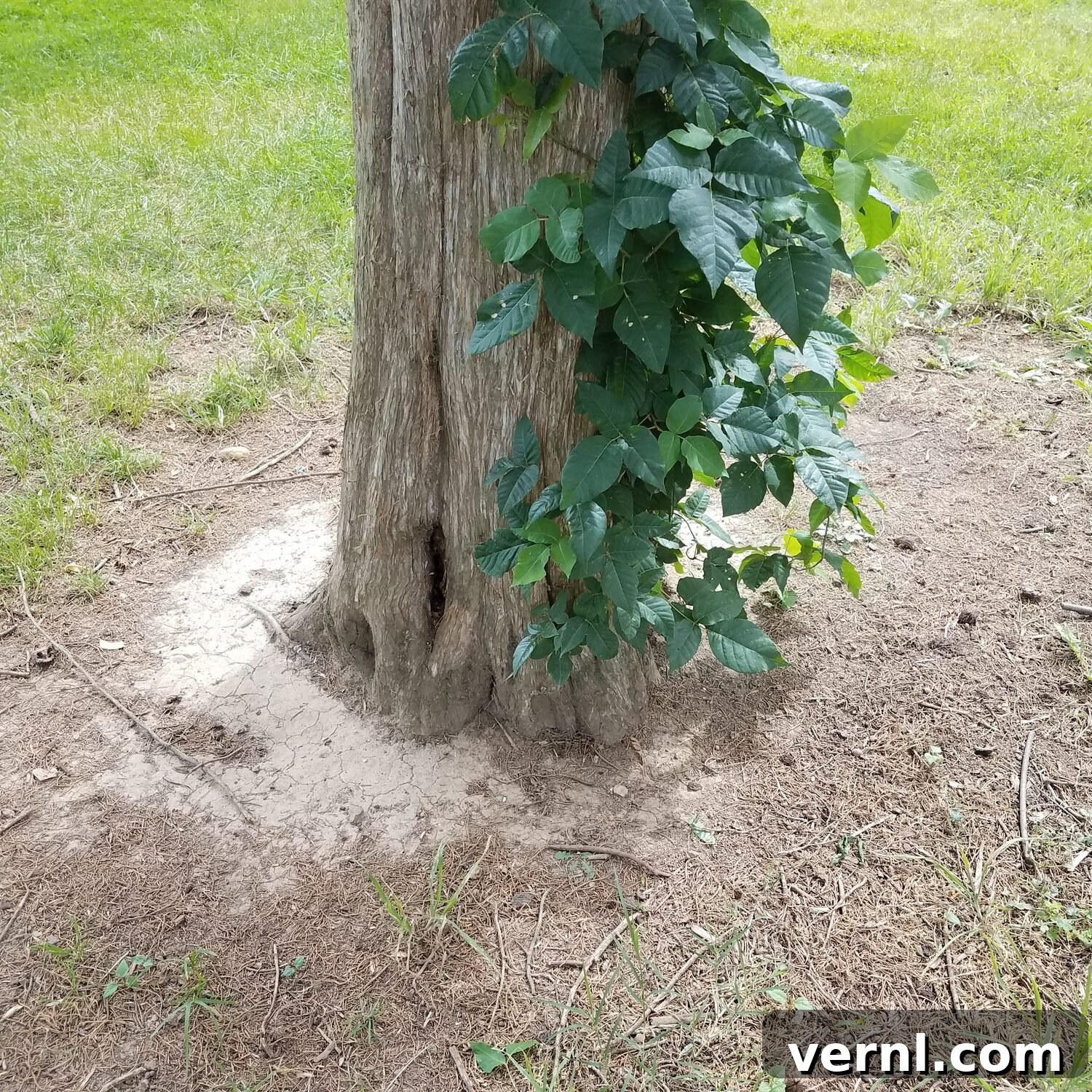
The vision of a pristine, verdant lawn stretching seamlessly to the base of stately trees is a homeowner’s dream. Yet, for many, this dream remains frustratingly out of reach. While golf courses and meticulously maintained public parks often boast thick, healthy turf right up to the trunk, the reality for most home landscapes is quite different. Bare patches, thin growth, and stubborn weeds frequently plague the areas beneath trees, leaving many homeowners to wonder, “Why can’t I grow grass under my trees?”
The quest for a vibrant lawn beneath a tree canopy is indeed a common challenge, rooted in a complex interplay of environmental factors. It’s not a simple fix, but with the right knowledge and strategies, you can significantly improve your chances of success. This comprehensive guide will delve into the primary reasons why grass struggles to thrive under trees and, more importantly, provide practical, expert-backed solutions. We’ve gathered insights from two leading lawn care specialists: Joe Churchill, a Senior Turf Specialist with Reinders, and Ryan Mange, a Lawn/Plant Health Manager at CMS Landscaping, to help you transform those tricky shaded areas into the lush green spaces you desire.
Understanding the Core Challenge: Why Grass Struggles Beneath Your Trees
The environment directly beneath a tree is inherently demanding for grass. It’s a microclimate characterized by reduced sunlight, potential soil compaction, varying pH levels, and intense competition for vital resources. As Ryan Mange aptly puts it, “Grass growing under tree canopies is not a practice that is natural for either the grass or the tree.” To successfully cultivate grass in these conditions, it’s crucial to understand these fundamental challenges. Let’s explore the key factors that make growing grass under trees such an uphill battle.
1. Scarcity of Sunlight: The Shade Factor
All grass varieties require sunlight for photosynthesis, the process that converts light energy into the fuel they need to grow. Most common lawn grasses thrive with at least six to eight hours of direct sunlight daily. Even the most shade-tolerant varieties typically need a minimum of four hours. Tree branches and their dense leaf canopies create significant shade, often reducing light levels far below what grass needs to survive, let alone flourish. This lack of adequate sunlight is arguably the most significant barrier to growing healthy grass under trees.
Solutions:
- Choose Shade-Tolerant Grass Varieties: Not all grass is created equal when it comes to shade tolerance. Opt for varieties specifically bred to perform well in lower light conditions. Fine fescues (such as creeping red fescue, chewings fescue, hard fescue, and sheep fescue) are often the top recommendation for shady areas. These grasses possess thinner blades and a different photosynthetic efficiency that allows them to thrive with less direct sun. Blends that incorporate these fescues can offer a robust solution.
- Strategic Tree Pruning: One of the most effective ways to increase light penetration is through targeted pruning. As Joe Churchill advises, “Raise the canopy of the tree by selectively removing lower branches at the bottom of your trees.” This technique, known as ‘raising the crown,’ allows more sunlight to reach the ground. Additionally, thinning the canopy by removing some inner branches can create a dappled light effect, which is often more beneficial than dense, uniform shade. It’s crucial to prune correctly to avoid harming the tree; consult an arborist if you’re unsure.
- Consider Alternatives for Heavy Shade: In instances of extremely dense shade where even the most tolerant grasses struggle, it might be time to “throw in the towel,” as Churchill suggests, and explore alternative ground covers. We’ll delve into these alternatives later, but options like hostas, ferns, or periwinkle (vinca minor) can provide beautiful, low-maintenance solutions in deep shade.
2. Compacted Soil Syndrome: A Barrier to Growth
The soil around trees, especially in frequently trafficked areas or where heavy lawn care equipment is used, often becomes severely compacted. Compacted soil has reduced pore space, making it difficult for grass roots to penetrate and establish themselves. This dense soil also inhibits proper air circulation, water infiltration, and nutrient absorption, suffocating the delicate root systems of grass. As Ryan Mange warns, “Trying to force grass growth in areas with poor soils is always a recipe for disappointment.”
Solutions:
- Aeration with a Plug Aerator: Renting a plug aerator is a highly effective way to alleviate compaction. This machine removes small cores of soil, creating channels that allow air, water, and nutrients to reach the grass roots. Aerating once or twice a year, especially in spring or fall, can significantly improve soil structure and promote healthier grass growth.
- Minimize Foot Traffic and Vary Mowing Patterns: Where possible, try to divert foot traffic away from the areas directly under trees to prevent further compaction. If pathways are necessary, consider installing stepping stones or mulch. Varying your mowing patterns each time you cut the lawn can also help distribute the weight of the mower more evenly, reducing the likelihood of creating compacted ruts.
- Incorporate Organic Matter: Amending the soil with organic materials like compost can dramatically improve its structure. Compost helps to loosen clay soils, bind sandy soils, and create a more porous, healthier environment for root growth. A light top-dressing of compost after aeration can be particularly beneficial.
3. The Acidity Factor: Unfavorable pH Levels
Certain trees, particularly pine trees, can significantly alter the soil’s pH balance. As pine needles fall and decompose, they release acids that lower the soil’s pH, making it more acidic. Most common lawn grasses prefer a slightly acidic to neutral pH range (typically between 6.0 and 7.0). Soil that is too acidic inhibits the availability of essential nutrients, even if they are present, making it difficult for grass to absorb them and thrive.
Solutions:
- Regular Debris Cleanup: Consistently rake or blow away pine needles and other acidic leaf litter from beneath the tree. This prevents them from breaking down and further acidifying the soil.
- Soil Testing and Liming: The first step is to conduct a soil test to determine the exact pH level of your soil. Your local agricultural extension office can provide kits and analysis. If the soil is too acidic, you can “sweeten” it by adding lime. Dolomitic lime is often preferred as it also supplies magnesium, another vital nutrient. Follow the soil test recommendations precisely for application rates, as over-liming can also be detrimental. Apply lime in the fall or early spring, allowing time for it to work into the soil.
- Choose Acid-Tolerant Grasses: While most lawn grasses prefer neutral soil, some fescues can tolerate slightly more acidic conditions than others. Researching specific varieties suited to your soil’s natural tendencies can be helpful.
4. Relentless Thirst: Dry Soil Conditions
Trees are substantial plants with extensive and deep root systems designed to efficiently absorb water from a wide area. When grass is planted nearby, it faces intense competition for available moisture. Tree roots are far more prolific and reach deeper into the soil, quickly monopolizing rainfall and irrigation before it can penetrate to the shallower root zone of the grass. This often leaves the soil under trees too dry and depleted to support healthy grass growth.
Solutions:
- Supplemental and Targeted Watering: “Manage moisture under trees by adding additional water over and above what is supplied by irrigation,” suggests Joe Churchill. This means the area under the tree may require separate, dedicated watering. The most effective method is deep and infrequent watering, which encourages grass roots to grow deeper, making them more resilient. Consider using a soaker hose or drip irrigation system placed directly in the problematic area to ensure water reaches the grass roots slowly and deeply, minimizing runoff and evaporation.
- Monitor Soil Moisture: Regularly check the soil moisture levels under your trees. You can do this by simply sticking your finger into the soil or using a soil moisture meter. Water when the top few inches of soil feel dry.
- Utilize Mulch for Moisture Retention: A ring of organic mulch (such as wood chips or shredded bark) around the base of the tree can significantly help retain soil moisture. Ensure the mulch is not piled directly against the tree trunk, as this can lead to rot; leave a small gap. Mulch also helps to moderate soil temperature and suppress weeds, further reducing competition.
5. The Nutrient Battle: Competition for Resources
Beyond water, trees also vigorously compete with grass for essential soil nutrients. Trees have evolved highly efficient root systems that are adept at seeking out and absorbing available nutrients, often outcompeting the less established and more shallow-rooted grass. Ryan Mange highlights this natural advantage, stating, “Trees are very good at outcompeting grass for water, nutrients and sunlight… [They] have evolved to be very adept at discouraging neighboring plants.” This nutrient depletion leaves the grass starved and struggling.
Solutions:
- Soil Testing for Nutrient Levels: Just as with pH, a soil test is invaluable for understanding your soil’s nutrient profile. It will indicate any deficiencies in nitrogen, phosphorus, potassium, and other micronutrients, allowing for precise fertilization.
- Targeted Fertilization: Based on your soil test, apply a balanced fertilizer specifically formulated for lawns. Consider slow-release nitrogen fertilizers, which provide a steady supply of nutrients over an extended period, reducing the risk of nutrient runoff and providing consistent feeding for the grass. It can also be beneficial to provide the tree with its own supplemental fertilizer, perhaps deeper in the root zone, to reduce its need to scavenge nutrients from the shallower soil where grass roots reside.
- Top-Dressing with Organic Compost: A light layer of organic compost applied over the lawn can work wonders. Compost slowly breaks down, releasing a steady supply of nutrients, improving soil structure, increasing water retention, and encouraging beneficial microbial activity. This method enriches the soil naturally, making more nutrients available for both grass and tree.
Beyond Grass: Exploring Alternatives for Shady Areas
Despite all best efforts, there are some deeply shaded areas where grass simply won’t thrive. In such cases, trying to force grass growth can be a constant source of frustration and wasted resources. Fortunately, a variety of attractive and practical alternatives can create beautiful and low-maintenance landscapes under your trees.
- Mulch Beds: Creating a wide, organic mulch bed around the tree is a classic and effective solution. Mulch helps retain moisture, suppresses weeds, prevents compaction, and slowly decomposes to enrich the soil. Opt for natural, shredded wood mulch or bark. Ensure the mulch is not piled against the tree trunk (forming a “volcano” effect), as this can lead to rot and pest issues. Leave a small space around the trunk clear.
- Shade-Loving Ground Covers: Many plants thrive in shady conditions where grass fails. Consider options like:
- Hostas: Known for their diverse leaf shapes, colors, and textures, hostas are a staple for shady gardens.
- Periwinkle (Vinca minor): A low-growing, evergreen ground cover with pretty blue flowers in spring.
- Ivy (Hedera helix): While sometimes aggressive, certain varieties can provide dense green cover. Be mindful of its climbing habit on tree trunks.
- Ferns: Many native ferns thrive in moist, shady environments, offering delicate textures.
- Moss: If your area naturally supports moss, cultivating a moss lawn can be a unique and serene solution for deep shade.
- Hardscaping: For areas with very heavy foot traffic or extremely challenging conditions, hardscaping elements like stone pathways, paver patios, or gravel beds can provide functional and aesthetic solutions. These create inviting spaces while eliminating the need for vegetation in difficult spots.
- Native Shade Plants: Research native plants in your region that are adapted to woodland conditions. These plants are often low-maintenance, ecologically beneficial, and perfectly suited to the existing environment under your trees.
Frequently Asked Questions About Growing Grass Under Trees
What should I put around my trees to make grass grow?
To give grass the best chance to grow around your trees, a multi-pronged approach is essential. First, amend the soil with a generous layer of organic compost to improve its structure, drainage, and nutrient content. If your soil is acidic (common under pine trees), apply lime based on a soil test to adjust the pH to a level conducive to grass growth. Finally, sow a high-quality, shade-tolerant grass seed blend, such as fine fescues, which are specifically adapted to lower light conditions. Consistent moisture and appropriate pruning of the tree canopy will further enhance success.
Should I consider artificial grass around my trees?
Artificial grass can be a viable option for areas under trees, particularly where natural grass struggles persistently due to extreme shade or compaction. However, it’s crucial to select artificial turf designed with proper drainage to allow rainwater and air to reach the tree’s roots, preventing root rot and ensuring the tree’s health. Avoid installing artificial grass directly at the base of young trees, as it can suffocate developing root systems; instead, create a ring of organic mulch around the tree base first, extending outwards before the artificial turf begins. While artificial grass eliminates mowing, it still requires maintenance, as falling leaves, debris, and pet waste can stain or degrade the material if left to decay for too long, necessitating regular cleaning.
When is the best time to plant grass under trees?
The ideal time to plant grass seed under trees is typically in the late summer or early fall (August to October in most temperate climates). This timing allows the seeds to germinate and establish strong root systems before the harsh conditions of winter arrive. The soil is still warm from summer, encouraging germination, and cooler air temperatures combined with increasing rainfall provide optimal growing conditions. Planting in early spring (March to April) is a second-best option, but the young grass will face increasing competition from the tree as it leafs out, and the onset of summer heat can be challenging for new seedlings.
How often should I fertilize grass under trees?
The frequency of fertilization for grass under trees depends on your soil test results and the type of fertilizer you use. Generally, grass in shaded areas has lower nutrient requirements than grass in full sun. A soil test will pinpoint exact deficiencies. If no test is done, a light application of a slow-release, balanced lawn fertilizer once or twice a year (typically in early spring and fall) is a good starting point. Be mindful not to over-fertilize, as this can stress the grass and encourage excessive growth that may not be sustainable in low light. Always follow the manufacturer’s instructions for application rates.
Meet Our Lawn Care Experts
- Joe Churchill is a Senior Turf Specialist with Wisconsin-based Reinders, a major distributor of lawn care products in the Midwest. He has over 25 years of experience in the turfgrass industry and is certified in Turfgrass Management with a B.A. in Geography and Horticulture from the University of Minnesota.
- Ryan Mange is a Lawn/Plant Health Manager at CMS Landscaping, a full-service lawn care and irrigation company in Holyoke, Massachusetts. He is also an International Society of Arboriculture (ISA) Certified Arborist.