
It’s a common admission: the sight of a wasp, with its distinctive buzzing and potent stinger, can send shivers down the spine of even the most seasoned nature enthusiast. These agile insects seem to be an ever-present feature of our warmer months, darting through gardens and buzzing around outdoor gatherings. Yet, with the crisp arrival of autumn and the noticeable dip in temperature, their presence rapidly dwindles. The once-ubiquitous wasp suddenly seems to vanish, leaving many to wonder about their mysterious disappearance. Where do these stinging pests go when winter arrives? Do they embark on a tropical migration, seeking sunnier climes while we brace for colder weather? The truth, as often is the case with nature, is far more intricate and, for the majority of the wasp population, a stark reality of the changing seasons.
Unlike many creatures that migrate or enter a prolonged state of hibernation, most wasps do not escape the cold by flying south. Instead, the vast majority of the wasp colony succumbs to the winter chill. The lifecycle of a typical wasp is surprisingly brief, spanning just a single season. Only one crucial member of the colony possesses the remarkable ability to endure the frosty months, ensuring the continuation of the species: the queen. This fascinating annual cycle, driven by instinct and the relentless march of the seasons, offers a deeper insight into the survival strategies of these often-misunderstood insects.
The Intricate Lifecycle of Wasps: A Seasonal Journey
To truly understand why wasps disappear in winter, we must first delve into their annual lifecycle, a meticulous process orchestrated by nature. Most wasps lead a surprisingly short existence, hatching in the vibrant warmth of spring and meeting their end as autumn gives way to winter. This seasonal rhythm is fundamental to their survival strategy, as meticulously detailed by institutions like the Iowa State University Extension and Outreach office. The colony’s entire being is geared towards reproduction within this limited timeframe.
The elaborate journey of a wasp colony begins with the emergence of a queen wasp from her solitary hibernation in the early days of spring. Awakened by rising temperatures, she embarks on the critical task of establishing a new nest. Utilizing chewed-up wood pulp mixed with her saliva, she meticulously constructs a small, initial nest, often in a sheltered location. Within this foundational structure, she lays her first batch of eggs. These eggs will hatch into larvae, which she nourishes diligently, single-handedly raising the inaugural generation of worker wasps. This initial phase is crucial and demanding, as the queen is solely responsible for foraging, building, and nurturing.
Once these first worker wasps mature and emerge from their pupal stage, the dynamics of the colony shift dramatically. The newly minted workers immediately assume their designated roles, diligently foraging for food – primarily nectar for themselves and protein-rich insects for the developing larvae. This division of labor allows the queen to focus exclusively on her primary duty: continuously laying eggs, rapidly expanding the colony’s population. This industrious activity continues throughout the summer and into the early autumn, depending on the specific climate and species. The colony grows exponentially, with thousands of workers diligently maintaining the nest and bringing in resources.
As the days shorten and temperatures begin their downward trend, typically around late autumn or early winter, a pivotal shift occurs within the colony. The queen begins to produce a new generation of reproductive wasps: male drones and future queens. These new queens will mate before the onset of severe winter weather. Once mating is complete, the old queen, along with all the worker wasps and male drones, will perish with the coming of the cold. Their purpose fulfilled, their lives conclude, making way for the next generation. It is only the newly fertilized queens that possess the biological imperative and adaptive capacity to survive the winter, carrying the genetic torch into the following year.
Winter’s Retreat: The Queen’s Solitary Hibernation
The question of whether wasps hibernate is often met with a nuanced answer: only the queen does. This distinction is vital to understanding the annual cycle of these social insects. As mentioned, the worker wasps, the male drones, and the original founding queen all succumb to the harsh realities of winter’s chill. Their physiological makeup is not equipped to handle sustained periods of cold and lack of food. Their life’s work – building the nest, raising the young, and expanding the colony – is completed within a single season.
The newly fertilized queen, however, is a marvel of evolutionary adaptation. She enters a state of diapause, a form of insect hibernation, designed to see her through the lean, cold months. To achieve this, she seeks out sheltered, protected locations where she can remain undisturbed and shielded from extreme temperatures. Common overwintering sites include cracks and crevices in tree bark, hollow logs, undisturbed soil, under rocks, within wall cavities of buildings, attics, or even in piles of leaf litter. Essentially, any secure, insulated spot that offers protection from frost and predators can serve as her winter sanctuary.
During hibernation, the queen’s metabolic rate drops significantly. Her bodily functions slow to a crawl, conserving energy until the environmental conditions become favorable once more. She does not eat or drink during this period, relying entirely on stored fat reserves accumulated in the late autumn. The success of her hibernation is critical for the survival of the entire species. Should she fail to find adequate shelter, or if the winter proves exceptionally harsh, her chances of survival diminish significantly. Upon the arrival of spring, signaled by warming temperatures and increasing daylight hours, the queen emerges from her solitary slumber, ready to begin the arduous process of founding a new colony, thereby perpetuating the endless cycle of wasp life.
Exploring the Diverse World of Wasps
The term “wasps” is a broad umbrella encompassing a vast and incredibly diverse group of stinging insects. While often confused with bees or ants due to superficial similarities, wasps possess distinct characteristics that set them apart. The wasps most people are familiar with, and often encounter, belong to the social wasp category. Prominent among these are paper wasps, renowned for their distinctive nests. These nests, often resembling an inverted umbrella or a mushroom cap, are typically constructed from a papery material made from chewed wood fibers mixed with saliva. They are frequently found hanging from a short stalk in sheltered locations such as under eaves, inside light fixtures, on porch ceilings, or beneath the soffit of a home.
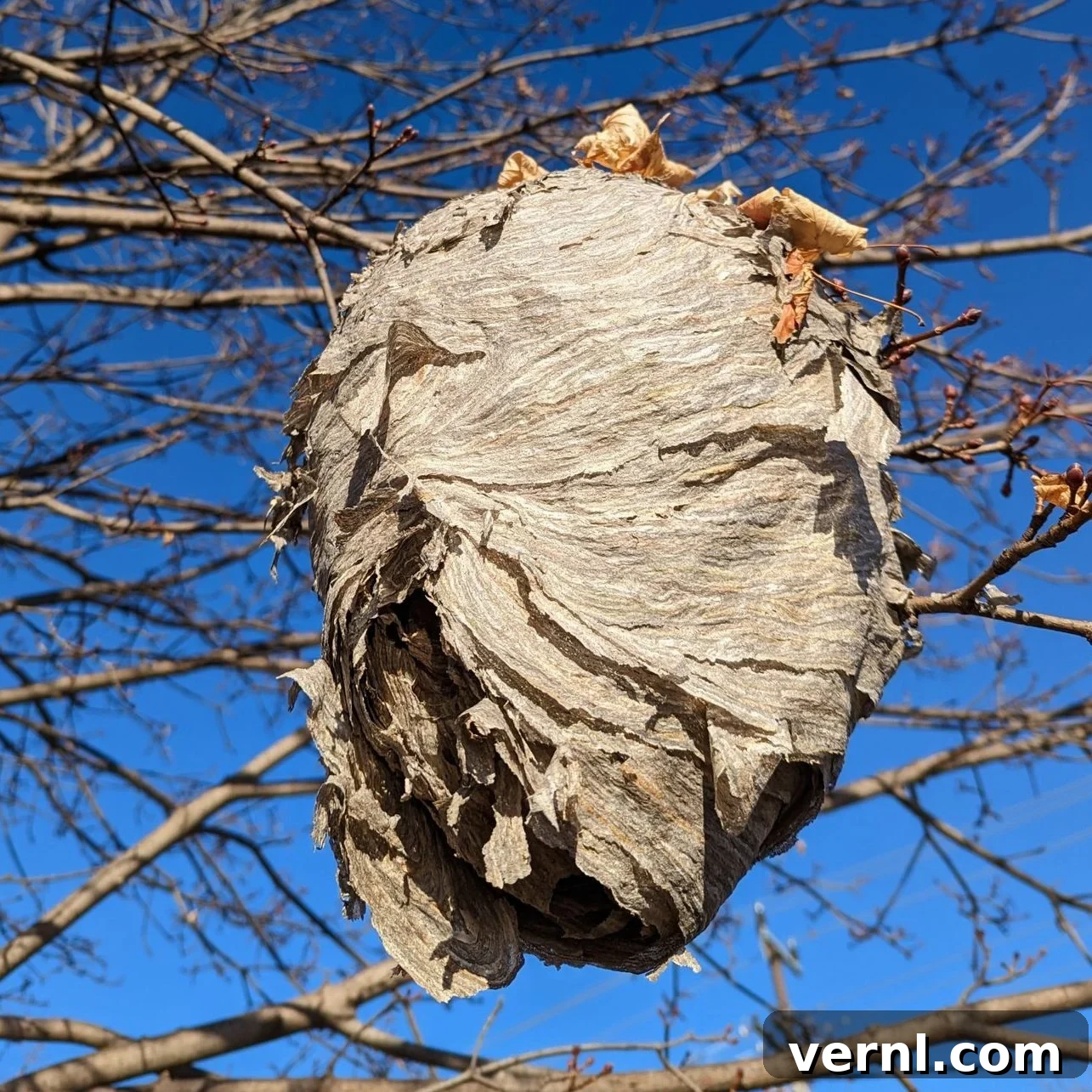
Paper wasps are part of a larger group of social wasps that also includes the more aggressive yellowjackets and hornets. While all these insects possess a potent sting, their appearance, nesting habits, and levels of aggression can vary. Yellowjackets, often smaller and more brightly colored with striking black and yellow patterns, are known for their preference for ground nests or concealed aerial nests in voids. They are notoriously attracted to human food and can become quite aggressive, particularly later in the season when food sources dwindle and their colony is at its peak. Hornets, generally larger and often dark-colored with yellow or white markings, build large, enclosed, football-shaped nests, typically in trees or shrubs, but sometimes in wall voids. They are formidable predators and can also be aggressive if their nest is disturbed. The shared characteristic among all these social wasps is their readiness to defend their nest with a sting if they perceive a threat. This defensive instinct is precisely why the proximity of a wasp nest to human activity can become a concern.
The Indispensable Role of Wasps: Nature’s Unsung Heroes
Despite their intimidating reputation, wasps play an incredibly beneficial and often underestimated role within our ecosystems. Far from being mere stinging nuisances, they are vital components of natural pest control and contribute to plant pollination. Wasps, particularly social wasps, are highly effective predators of numerous garden and agricultural pests. Their diet for their larvae consists primarily of protein-rich insects, making them natural allies for gardeners and farmers. They actively hunt and capture a wide array of pests, including aphids, caterpillars, beetles, spiders, and various other insect larvae that can cause significant damage to crops and ornamental plants. The adult wasps then chew these prey items into a digestible paste to feed their developing young, ensuring a steady supply of protein for the burgeoning colony. This predatory activity reduces the need for chemical pesticides, fostering a healthier and more balanced environment.
Beyond their predatory prowess, adult wasps also feed on nectar and other sugary substances for their own energy needs. In this process, they inadvertently transfer pollen from flower to flower, contributing to the pollination of various plants. While not as efficient as bees, their role as secondary pollinators is nonetheless significant, supporting biodiversity and the reproduction of numerous plant species. The Cornell Extension Cooperative highlights their value in managing caterpillars that munch on garden plants, underscoring their importance in integrated pest management strategies. Their presence helps maintain the delicate balance of insect populations, preventing any single pest species from overwhelming an ecosystem.
While the ecological benefits of wasps are undeniable, their close proximity to human dwellings can sometimes necessitate intervention. Wasps are generally harmless unless provoked or if their nest is directly threatened. However, if wasps build a nest in a high-traffic area near your home, such as a doorway, patio, or play area, the risk of accidental stings increases significantly. In such situations, it’s often advisable to consider relocating or safely removing the nest. While many online sources suggest various DIY methods, including some unconventional ones like this TikTok hack for getting rid of wasps, it is crucial to prioritize safety. Extreme caution should always be exercised when dealing with wasp nests, and for larger or more aggressive colonies, professional pest control services are often the safest and most effective solution to ensure removal without risking injury.
Understanding and Responding to a Wasp Sting
A wasp sting, though often a painful and startling experience, is generally a minor inconvenience for most individuals. When a wasp stings, it injects venom, which causes localized pain, redness, swelling, and itching at the site of the sting. For the majority of people, these symptoms are temporary and subside within a few hours or days. The immediate response should focus on cleaning the affected area and alleviating discomfort. Begin by washing the sting site thoroughly with soap and water to remove any residual venom and reduce the risk of infection. Applying a cold compress or ice pack can help reduce swelling and numb the pain. Over-the-counter pain relievers such as ibuprofen or acetaminophen can help manage the discomfort, while an anti-itch cream, hydrocortisone ointment, or oral antihistamine can mitigate the itching and reduce localized swelling.
However, for a segment of the population, a wasp sting can trigger a severe allergic reaction, known as anaphylaxis, which requires immediate medical attention. Individuals who are allergic to wasp venom may experience a range of symptoms that extend beyond the sting site. These can include widespread hives and itching, swelling of the face, lips, or throat, difficulty breathing due to constricted airways, dizziness, a rapid or weak pulse, nausea, vomiting, or abdominal cramps. In severe cases, anaphylaxis can lead to a dangerous drop in blood pressure and even loss of consciousness. If you or someone you are with exhibits any of these severe symptoms after being stung, it is imperative to seek emergency medical attention without delay. If the individual has a prescribed epinephrine auto-injector (EpiPen), administer it immediately as directed, and then call for emergency services. Prompt action is crucial in managing severe allergic reactions to wasp stings, highlighting the importance of knowing one’s allergies and having an emergency plan in place.
Concluding Thoughts on Wasps
The world of wasps is far more complex and compelling than their fearsome sting suggests. From their intricate annual lifecycle, dictated by the relentless march of the seasons, to the queen’s solitary quest for survival through winter, these insects are masterpieces of natural adaptation. While their presence near our homes can understandably cause apprehension, a deeper understanding reveals their critical ecological roles as both efficient predators, keeping garden pests in check, and unwitting pollinators. By appreciating their multifaceted contributions to the environment, we can foster a more balanced perspective on these industrious creatures. Whether you’re admiring their architectural nests from a safe distance or taking precautions against a potential sting, understanding wasps allows us to coexist more harmoniously with these fascinating and vital inhabitants of our natural world.