
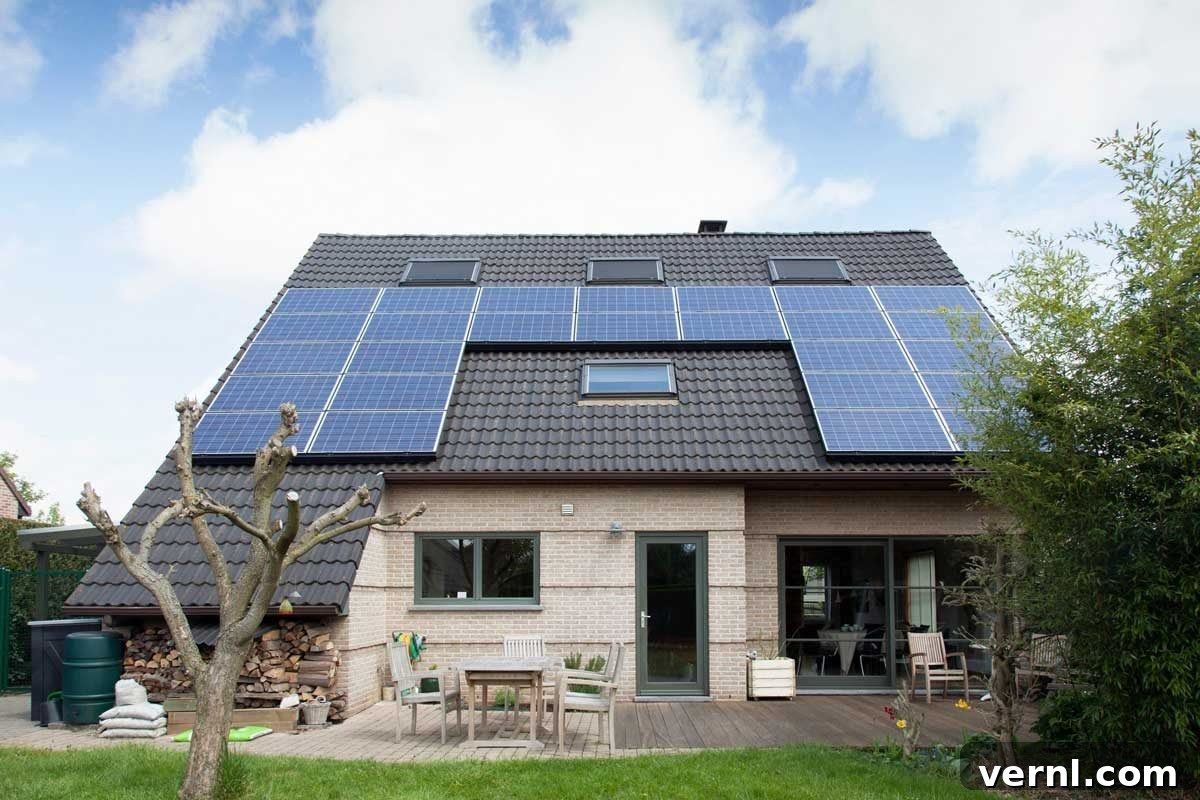
The conversation around solar power and other renewable energy resources has undeniably surged in recent years. As environmental consciousness grows and energy costs fluctuate, consumers are increasingly embracing sustainable technologies, supported by various local and national government incentives designed to accelerate their adoption. This shift marks a pivotal moment in how we power our homes and communities.
Data from the Solar Energy Industries Association (SEIA) highlights this remarkable growth. Since 2016, the total capacity of residential solar installations across the U.S. has more than doubled, demonstrating a robust market expansion. Concurrently, the average installation price per watt has seen a significant decrease of 27 percent over the same period, making solar more accessible and affordable than ever before.
If residential solar is on your horizon, but you find yourself with lingering questions about making the investment, this comprehensive guide will provide a detailed overview of solar technology. We’ll explore whether it represents a truly sustainable and economically smart strategy for today’s homeowners. To determine the financial viability of solar power for your specific situation, resources like findsolar.com can offer personalized insights.
Additionally, understanding passive solar design principles can further enhance your home’s energy efficiency, making it easier and more cost-effective to maintain comfortable indoor temperatures year-round, complementing an active solar system beautifully.
What Are the Core Benefits of Adopting Solar Energy?
Each passing year brings new technological breakthroughs and environmental awareness, continually accelerating the acceptance and integration of residential solar energy systems. Industry experts, such as Jeff Barnes from Modernize Home Services, have observed a profound transformation within the sector.
Barnes notes that today’s homeowners are motivated by a diverse range of factors when choosing solar. Reasons vary “Ranging from ‘It’s the right thing to do,’ to ‘I want to achieve energy independence and get off the grid,’ or ‘I want to save money on utility bills.’ ” The most compelling advantages that attract the majority of customers include:
Environmental Stewardship and Reduced Carbon Footprint
While the manufacturing process of solar panels does involve a carbon cost, the operational phase of renewable energy systems represents one of the most environmentally friendly ways to power your residence. By harnessing the sun’s abundant energy, you significantly reduce your reliance on fossil fuels, which are major contributors to greenhouse gas emissions and climate change. Furthermore, if your utility provider supports net metering or similar programs, your solar array can even contribute surplus electricity back to the grid, effectively lowering your community’s overall consumption of non-renewable resources and fostering a cleaner energy ecosystem for everyone. This long-term environmental benefit far outweighs the initial manufacturing impact, positioning solar as a critical component of a sustainable future.
Substantial Long-Term Cost Savings
A properly designed and expertly installed solar energy system is a significant investment that pays for itself over time, ultimately generating substantial savings. The exact payback period for residential solar installations hinges on several key variables, including your current electricity rates, the availability and generosity of green energy incentives, and the local climate, particularly the duration and intensity of sunlight throughout the year. Generally, after the initial upfront cost, most homeowners find their systems pay for themselves within several years, becoming a net financial gain thereafter. Beyond simply reducing or eliminating your monthly electricity bill, solar panels can also increase your home’s resale value, offering an additional financial advantage. This makes solar a smart economic decision for homeowners looking to future-proof their finances against rising energy costs.
Enhanced Energy Independence and Reliability
One of the most appealing benefits of a solar array is its potential to provide crucial functions, such as keeping your refrigerator running during unexpected power outages. This capability mirrors the function of a traditional gas-powered generator, but without the ongoing fuel costs, noise, or emissions. Recent advancements in battery storage technology have dramatically improved the reliability of solar systems. Modern solar arrays, when paired with robust battery backups, can now store excess energy generated during the day, ensuring your power stays on throughout the night or during prolonged grid failures. A compelling real-world example of this reliability is Babcock Ranch, a town in Florida, which famously experienced minimal damage and sustained power during Hurricane Ian, largely thanks to its solar infrastructure. This level of energy independence offers invaluable peace of mind, especially in areas prone to severe weather or an aging electrical grid.
Is Residential Solar a Viable Option Across the United States?
The short answer is a resounding, yet qualified, yes. While it’s true that properties with abundant sun exposure and ample roof space for panels will naturally yield greater benefits and faster returns on investment, the viability of solar extends far beyond the sunniest states. The return on investment will certainly vary based on the initial purchase price and the subsequent utility savings. However, many are surprised to learn that three of the top 10 solar-producing states in the U.S. are located in the Northeast: New Jersey, Massachusetts, and New York. This demonstrates that innovative technology and supportive policies can overcome geographical limitations.
Here are some of the critical factors that determine whether residential solar is a smart choice for your home:
Regional Sun Exposure: More Than Just “Sunshine States”
Surprisingly, the sheer amount of direct sunshine in your region isn’t the sole or even primary factor in determining solar panel effectiveness. While panels obviously don’t produce energy at night (though they technically do capture a minuscule amount of reflected moonlight, which is negligible for practical purposes), they function remarkably well on cloudy or overcast days. Modern photovoltaic technology is highly efficient at converting diffused sunlight into electricity. What truly matters is the overall annual solar irradiance – the total amount of solar energy received by a given area over a year – rather than just the number of perfectly clear days. Advancements in panel efficiency allow systems in less sunny climates to still produce substantial energy, especially when combined with favorable local policies.
Crucial Role of Local and State Incentives
We will delve into this element in greater detail below, but it’s essential to underscore upfront that many cities and states have implemented robust incentive programs specifically designed to encourage homeowners to adopt solar technology. These incentives can significantly offset the upfront costs, making solar power financially attractive even in areas where it might otherwise seem marginal. From tax credits to rebates, these programs play a vital role in accelerating solar adoption.
Impact of Local Utility Prices and Policies
The prevailing local energy prices are a major determinant of how quickly a solar system pays for itself and the magnitude of your savings. The higher your current electricity rates, the more dramatic the financial relief and return on investment from installing solar panels. For instance, a solar system might achieve its payback period much faster in an area with consistently high energy prices, even if it has a moderate amount of sunshine, compared to a very sunny region with exceptionally low utility costs.
Another pivotal local policy influencing solar systems is **net metering**. This innovative billing mechanism allows homes with solar panels to send any excess electricity they generate back to the local power grid. In return, the utility company credits the homeowner for this contributed power, often at the full retail rate. This means that not only is excess energy efficiently utilized rather than wasted, but it also further accelerates the payback period of your solar investment.
If net metering is not available or is less favorable in your local market, investing in battery storage becomes an even more compelling option. Battery systems provide invaluable backup coverage, storing your self-generated power for use during peak demand hours or grid outages. “Batteries are becoming more and more sophisticated, offering greater capacity and efficiency at increasingly competitive prices,” explains Barnes, underscoring their growing importance in the residential solar landscape.
How Effective is a Residential Solar System for Energy Needs?
It’s entirely reasonable for homeowners to question the true energy efficiency and practical effectiveness of a solar system installed on a residential roof. The ultimate answer largely depends on your specific energy goals and consumption patterns.
If your aspiration is to achieve complete energy independence and be entirely off-grid, you will undoubtedly require a robust, meticulously designed solar system, likely paired with substantial battery storage capacity. However, if your primary objective is to supplement your existing energy consumption, significantly reduce your monthly electric bill, and lessen your environmental impact, even a modestly sized solar solution can deliver impressive results. Many homeowners find that a partial solar installation, designed to offset a significant portion of their electricity use, offers the perfect balance of cost-effectiveness and environmental benefit, without the complexity of a full off-grid setup.
Navigating Residential Solar Tax Credits and Other Financial Incentives
When evaluating the financial feasibility of solar for your home, it is absolutely crucial to factor in the various incentive programs offered by government bodies and utility companies. These programs, typically provided as tax rebates, direct equipment subsidies, or performance-based payments, can dramatically reduce the overall cost of your solar investment, making it significantly more accessible and financially rewarding.
Federal Tax Incentives: The Investment Tax Credit (ITC)
The most influential and widely recognized incentive program for solar adoption in the United States has been the **Investment Tax Credit (ITC)**. Often simply referred to as the “solar tax credit,” this program was established in 2005 and has proven exceptionally effective and popular, leading to consistent renewals and extensions. The ITC allows homeowners to claim a substantial percentage of their solar system’s cost as a credit on their federal tax return. For installations through 2022, this credit stands at 26 percent. While it is slated to decrease in future years, it has often been extended due to its success and positive impact on renewable energy growth. This direct reduction in your tax liability makes the upfront cost of solar significantly more manageable and dramatically improves the return on investment.
State and Local Incentives: Tailored Support for Homeowners
Beyond the federal ITC, numerous states and municipalities offer their own distinct and often generous incentive programs. These can vary widely, including state tax credits, property tax exemptions (preventing your property taxes from increasing due to the added value of solar panels), sales tax exemptions on solar equipment, and performance-based incentives like Solar Renewable Energy Credits (SRECs), where you can sell credits generated by your solar system. To discover the specific programs applicable to your location, the Database of State Incentives for Renewables and Efficiency (DSIRE) is an invaluable resource, providing a comprehensive, regularly updated list of all available incentives.
Local Utility Incentives: Collaboration for a Stable Grid
Local utility providers also have strong strategic motivations for encouraging homeowners to embrace solar power. Every home that installs solar means reduced demand on the centralized utility grid, especially during peak hours. This lessens the strain on existing infrastructure, helps utilities avoid costly upgrades, and improves overall grid stability and resilience. Consequently, many utilities actively participate by offering their own suite of incentives, which may include attractive buyback programs for excess power, direct rebates on solar equipment, and educational resources designed to integrate more homeowners into the solar ecosystem. These utility-specific programs further sweeten the deal for residential solar adoption.
Considering a DIY Residential Solar Installation?
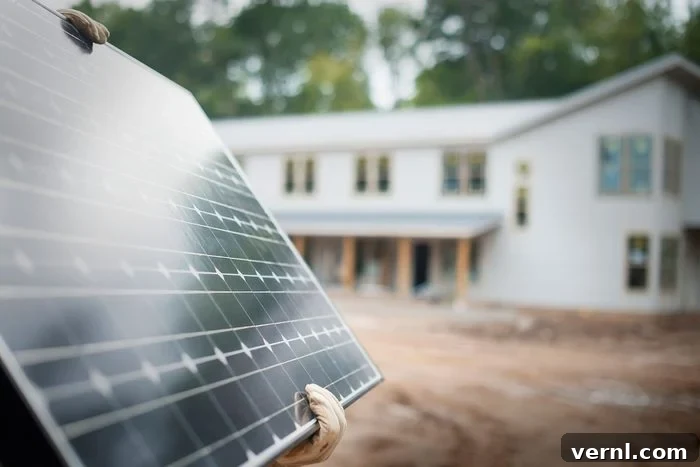
For many homeowners, the idea of a do-it-yourself (DIY) project, especially one that promises energy savings, is appealing. Simple solar panel installations for standalone systems, such as those for a shed or RV, are surprisingly straightforward and manageable for a handy homeowner. However, when it comes to tying a solar array into your home’s main electrical system and, crucially, connecting it to the broader utility grid, the complexity increases significantly. Depending on local regulations and building codes, a licensed electrician may be legally required to make these critical connections to ensure safety and compliance. Generally, any work involving the main electrical panel and grid interconnection is best and safest when performed by a certified professional.
That said, many DIY-friendly solar kits and models are becoming increasingly accessible and user-friendly for the actual mounting of panels and basic wiring. While you will almost certainly want at least one assistant for lifting and positioning panels, it doesn’t necessarily require a large professional crew for the physical installation aspects of many home solar systems. For the electrical components and grid tie-in, however, budgeting for a qualified electrician is a wise decision to ensure safety, proper function, and adherence to all local regulations and warranty requirements.
Understanding Solar Power Costs: Installation and Ongoing Expenses
Delving into the financial aspects of solar power involves understanding both the initial installation expenses and minimal ongoing costs. This section provides a detailed breakdown to help you budget effectively for your solar journey.
Initial Installation Costs: What to Expect
The exact cost of a solar installation is highly variable, influenced by a multitude of factors. These include your geographical location, the specific type and efficiency of the solar panels chosen, the slope and orientation of your roof, your existing roofing material, and whether your system will incorporate battery storage or rely solely on tying into the grid.
For an average 2,000-square-foot home with typical electrical usage, you can generally expect to pay between $7,000 and $10,000 for the solar panels themselves. The installation labor will likely add another $6,000 to $10,000, with costs varying based on factors like roof height, material complexity (e.g., tile vs. asphalt shingles), and pitch. If your installation is ground-mounted, labor costs may drop significantly due to easier accessibility, although the material costs for the racking structure might increase. It’s also important to factor in costs for inverters, wiring, permitting fees, and any necessary electrical upgrades to your home.
When planning your solar installation, always give careful consideration to your roof’s condition. If your roof is nearing the end of its lifespan or almost time for a replacement, it is highly advisable to complete this work *before* installing solar panels. Removing and reinstalling panels for a roof replacement can be a costly endeavor. Furthermore, investigate the potential impact of panel installation on your existing roof warranty. “You are likely altering the warranty of the shingles on your roof when installing panels,” warns Barnes. Having the panels professionally installed may keep the original roof warranty intact or, more commonly, the solar installer’s warranty will cover any issues related to the penetration of the roof. It’s crucial to clarify these warranty details with both your roofing contractor and solar installer.
Minimal Ongoing Maintenance Costs
One of the most attractive aspects of solar systems is their remarkably low ongoing maintenance requirements and associated costs. Most homeowners can plan on an annual inspection of the panels, much like the routine inspection of your roof and gutters. During this inspection, you’ll look for any evidence of damage from animal nests, falling debris, or any loose wiring that might compromise the system’s performance.
The simplest form of solar panel maintenance is diligently monitoring your utility bills. Consistent performance indicates your panels are working as expected. If you notice an unexpected creep upward in your energy costs, it could signal an issue with the solar system that warrants further investigation.
You may also need to clean the panels periodically, typically no more than once a year, depending on your local environment (e.g., dusty areas, heavy pollen). This cleaning can usually be accomplished with a simple squeegee and a manufacturer-approved cleaning solution, similar to washing windows. Avoid abrasive cleaners or high-pressure washers, which can damage the panel surface.
Both the routine cleaning and annual inspection can be handled by the homeowner, saving on labor costs. Alternatively, you can enlist a professional service to manage these tasks, ensuring the whole process is hassle-free and expertly handled. If you had your solar system professionally installed, it’s worth inquiring whether the company offers an inspection or maintenance plan as part of their services, which can provide added peace of mind.
Long-Term Predictions and the Future of Residential Solar
Like many rapidly evolving technologies, predicting the distant future of residential solar energy can be challenging, but certain trends are clear. The one certainty is that solar technology will continue its trajectory of improvement, becoming even more efficient, durable, and, crucially, more affordable. Innovations in panel materials, inverter technology, and battery storage solutions are constantly pushing the boundaries of what’s possible.
As utility companies face increasing scrutiny over grid reliability and capacity, particularly with the escalating demands brought by hotter summers and colder winters, they will likely offer even more robust incentives to encourage homeowners to transition to solar. This symbiotic relationship benefits both consumers and utility providers.
Furthermore, the aesthetics of solar panels are rapidly improving. The days of bulky, obtrusive panels detracting from a home’s curb appeal are steadily fading. It’s now far more common to see sleek, frameless, or low-profile panels that blend seamlessly with roof lines, or even integrated solar roofing materials that are virtually indistinguishable from traditional shingles.
Ultimately, it’s only a matter of time before solar panels transition from being a desirable novelty to a standard feature in modern home construction and renovation. They are poised to become as commonplace and expected as a highly efficient heat pump or a backyard swimming pool, fundamentally altering our perception of residential energy. This widespread adoption will solidify solar’s role as a cornerstone of sustainable living for generations to come.