
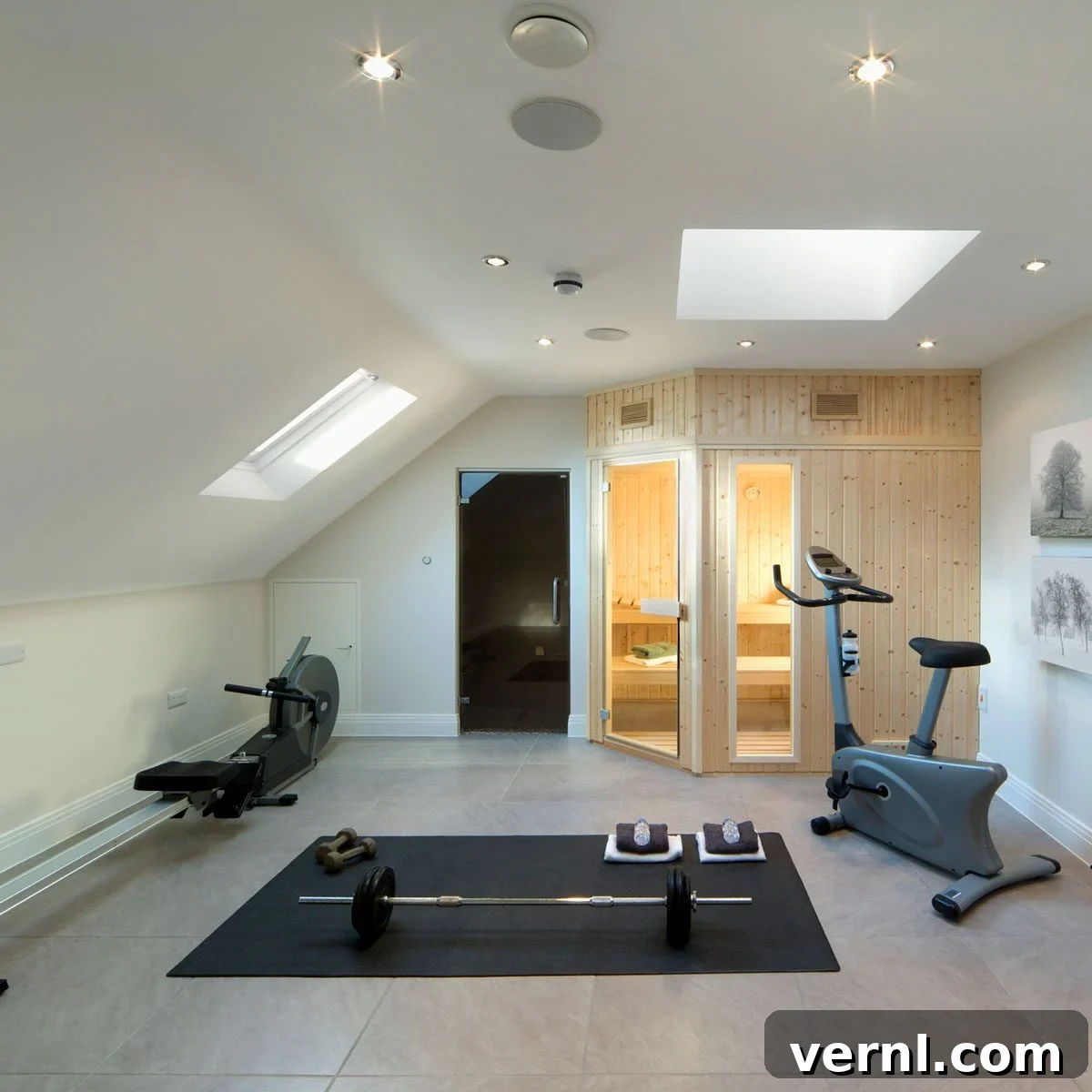
The Ultimate Guide to Home Gym Flooring: Choosing the Best Surface for Your Workout Space
Establishing a dedicated home gym is a fantastic way to prioritize your fitness and health. A critical step in creating the perfect home gym is selecting appropriate flooring that will support your exercise routines and equipment. The right home gym flooring not only safeguards your subfloor but also enhances safety, comfort, and the overall functionality of your workout area.
As you plan your ideal space, don’t forget to consider inspiring home gym paint colors to complete your motivating fitness sanctuary.
Why Choosing the Right Home Gym Flooring is Crucial
Your gym floor is more than just a surface; it’s a foundational element that significantly impacts your workout experience. Investing in the proper flooring offers numerous benefits, making your home gym safer, more effective, and durable:
- Subfloor Protection: Intense workouts, the impact of dropped weights, and heavy exercise equipment can cause significant damage to your underlying floor, whether it’s concrete, wood, or tile. Specialized gym flooring acts as a robust protective barrier.
- Enhanced Safety: Quality flooring provides essential traction, minimizing the risk of slips and falls during dynamic movements. Its shock-absorbing properties cushion your joints, which is vital for preventing injuries and long-term discomfort, a point emphasized by fitness experts at Men’s Health.
- Equipment Longevity: Just as it protects your body, the correct flooring extends the life of your valuable workout gear by absorbing impact and reducing wear and tear.
- Noise Reduction: The thud of weights, vibrations from cardio machines, or impact from jumps can generate considerable noise. Effective gym flooring helps to dampen sound, making your workouts quieter for you and less disruptive for other household members.
- Comfort and Performance: A comfortable and stable surface encourages longer, more consistent workouts. Good flooring provides a resilient base for various exercises, potentially improving your overall performance and consistency.
Key Factors to Consider When Selecting Your Home Gym Floor
There isn’t a single “best” floor for every home gym. The ideal choice depends on your personal needs, the specific exercises you’ll perform, and your home’s existing structure. Evaluate these factors carefully before making your decision:
- Workout Intensity and Type:
- Heavy Weightlifting / Powerlifting: Demands maximum durability and exceptional shock absorption to handle heavy weight drops. Rubber flooring is almost always the top recommendation here.
- Cardio (Treadmills, Ellipticals, Bikes): Requires durable flooring that can withstand constant machine vibrations and foot traffic. Rubber mats or vinyl flooring are excellent choices.
- Yoga, Pilates, Bodyweight Exercises, Stretching: Prioritizes comfort, cushioning, and grip. Foam or cork flooring offers a soft, supportive surface.
- High-Impact Aerobics / HIIT: Needs significant shock absorption to protect joints from repetitive impact. Thicker rubber or foam-rubber hybrid mats are highly suitable.
- Equipment Weight and Footprint: Consider the weight of your heaviest machines and free weights. The flooring must be robust enough to prevent indentations, tearing, or permanent damage under heavy loads.
- Existing Subfloor: What type of floor will your gym flooring go over? Whether it’s concrete, wood, or existing carpet influences which materials are most suitable. For instance, rubber is superb for covering hard concrete floors.
- Budget: Home gym flooring options vary significantly in price per square foot. Establish a realistic budget that includes both material costs and potential installation expenses.
- Durability and Maintenance Requirements: How long do you expect your flooring to last, and how much effort are you willing to put into cleaning and upkeep? Some materials are naturally more resilient and easier to clean than others.
- Aesthetics: While functionality is paramount, the visual appeal of your gym space can influence your motivation. Do you prefer a look that integrates seamlessly with your home decor or a more distinct, purpose-built gym aesthetic?
Exploring the Best Home Gym Flooring Options
Let’s delve into the most popular and effective materials for home gym flooring, examining their distinct advantages and important considerations.
Rubber Flooring: The Ultimate Protector
Rubber is widely regarded as the ultimate home gym flooring solution, particularly for serious fitness enthusiasts. Its exceptional performance characteristics make it suitable for virtually any subfloor, including tough concrete surfaces. Rubber flooring is unmatched in its ability to support the heaviest exercise equipment and withstand the most intense workouts.
Benefits of Rubber Flooring:
- Unrivaled Durability: Highly resistant to wear, tear, and heavy impacts, making it perfect for weightlifting, CrossFit, and high-traffic areas.
- Superior Shock Absorption: Offers excellent cushioning, protecting your joints and the underlying subfloor from the impact of dropped weights and high-intensity movements.
- Exceptional Traction: Provides a stable, non-slip surface, which is critical for safety during vigorous exercises and heavy lifting.
- Easy to Clean: Its non-porous nature makes it resistant to sweat and spills, simplifying maintenance and promoting hygiene.
- Versatile Formats: Available in convenient rolls, interlocking tiles, and individual mats, offering flexibility for installation and coverage.
Considerations for Rubber Flooring:
- Initial Odor: New rubber flooring can sometimes emit a distinct “rubbery” smell. This typically dissipates over time with good ventilation.
- Weight: Rubber is dense and heavy, which can make large-scale installation, especially with rolls, more challenging.
- Cost: Generally a higher upfront investment compared to foam, but its longevity and protective qualities often make it the most cost-effective solution in the long run.
You can find a wide range of rubber flooring options in various thicknesses and sizes on Amazon. For substantial coverage and protection, consider options like 4-foot x 6-foot heavy-duty rubber rolls from American Floor Mats. If you’re covering a larger area, RevTime offers 8-foot x 6-foot extra-large rubber floor mats. For convenient custom layouts and easy DIY installation, IncStores provides 23-inch x 23-inch interlocking tiles made from recycled rubber.
Foam Flooring: Comfort and Versatility
Foam home gym flooring offers an economical and comfortable solution, effectively transforming your floor into a giant, seamless exercise mat. These lightweight floor tiles typically feature an interlocking design, simplifying installation and providing excellent portability for temporary setups or multi-purpose rooms.
Benefits of Foam Flooring:
- Affordability: Significantly more budget-friendly than rubber, making it an accessible entry-level option for many home gym setups.
- Comfort: Provides a soft, cushioned surface, ideal for floor-based exercises such as yoga, Pilates, stretching, and bodyweight workouts.
- Easy Installation and Portability: Interlocking tiles are incredibly simple to assemble and disassemble, allowing for quick layout changes or easy storage.
- Lightweight: Much easier to handle, transport, and install compared to heavier rubber options.
Considerations for Foam Flooring:
- Lower Durability: Not designed for heavy-duty use; susceptible to indentations from heavy equipment, sharp objects, or dropped weights.
- Less Shock Absorption for High Impact: While comfortable, it offers less impact protection than rubber for intense, high-impact activities or significant weight training.
- Limited for Heavy Equipment: Generally not recommended for direct placement under very heavy equipment, especially over hard surfaces like concrete, as it can compress and degrade over time.
- Wear and Tear: May show signs of wear, scuffs, and tears more quickly than more robust materials, particularly in areas of high friction or frequent use.
Amazon offers a diverse selection of foam flooring in various sizes, thicknesses, and aesthetic styles. You can find vibrant colorful foam tiles to brighten your space, or opt for foam tiles designed to mimic the appearance of wood grain for a more integrated, natural look. For those seeking enhanced durability without the full cost of rubber, hybrid options like foam tiles topped with a layer of rubber offer a beneficial balance of comfort and resilience.
Vinyl Flooring: Durable and Moisture-Resistant
Vinyl flooring presents another compelling option for home gym setups, especially in areas prone to moisture or where a sleek, integrated look is desired. Its practical advantages make it a strong contender for various workout environments and multi-purpose spaces.
Benefits of Vinyl Flooring:
- Excellent Water and Moisture Resistance: Highly resistant to water, mold, and mildew, making it an ideal choice for garage and basement gyms where dampness can be a concern.
- Effortless Cleaning: Its smooth, non-porous surface is exceptionally easy to wipe down and maintain, making cleaning vinyl floors after sweaty workouts a simple task.
- Robust Durability: Extremely hard-wearing and capable of handling the weight of most heavy gym equipment without significant damage or premature wear.
- Aesthetic Versatility: Available in a vast array of colors, patterns, and textures, including designs that convincingly mimic wood or stone. This allows your gym to blend seamlessly into your home’s decor or achieve a specific stylish look.
Considerations for Vinyl Flooring:
- Lower Shock Absorption: While durable, vinyl typically offers less inherent shock absorption compared to rubber, which might not be ideal for very high-impact activities or direct weight drops. Specific mats can be used to augment protection in these areas.
- Slippery When Wet: Although water-resistant, some smooth vinyl surfaces can become slippery when wet, necessitating caution or the selection of textured options.
- Installation Complexity: While planks and tiles are relatively simple for DIY, large sheet vinyl installations can be challenging and may benefit from professional expertise.
Experts like Rubber Flooring Inc. often recommend vinyl as an ideal solution for garage or basement gym environments, specifically highlighting its resilience against moisture and temperature fluctuations. Amazon provides diverse vinyl solutions for home gyms. For instance, GOPLUS PVC Vinyl mats are perfectly sized for placement under cardio equipment like treadmills, offering targeted protection. If you need to cover a larger floor area efficiently, Achim Home Furnishings offers convenient self-adhesive vinyl floor planks for straightforward installation. They also provide aesthetically pleasing 12-inch x 12-inch self-adhesive vinyl floor tiles that mimic wood, giving your gym a sophisticated and warm appearance.
Carpet Flooring: Comfort and Integration
Carpet can be a comfortable and familiar choice for home gym flooring, offering a seamless integration into existing home decor while providing several practical benefits for specific types of workouts. It’s particularly popular for creating a general fitness zone within a multi-purpose room or for low-impact activities.
Benefits of Carpet Flooring:
- Comfort and Sound Absorption: Provides a softer surface underfoot and naturally helps to dampen noise, contributing to a quieter and more pleasant workout environment.
- Aesthetic Integration: Easily blends with your existing home decor, making your gym space feel less like a stark, dedicated industrial area and more like an integral part of your home.
- Good Traction (Low Pile): A low, commercial-grade pile carpet offers decent traction and stability, reducing the risk of slipping during general exercises.
- Cost-Effective: Can be a more budget-friendly flooring option, especially if you opt for easy-to-install carpet tiles for a DIY project.
- Supports Equipment: Most carpet, especially when combined with appropriate padding, can adequately support the weight of typical exercise machinery without permanent indentations or damage.
Considerations for Carpet Flooring:
- Moisture and Odor Retention: Standard carpet tends to absorb and trap sweat, moisture, and odors, making it less hygienic and more challenging to clean thoroughly compared to non-porous surfaces. This can lead to mildew if not properly managed.
- Limited Shock Absorption: While offering some cushion, traditional carpet provides relatively low shock absorption, which may not be ideal for intense, high-impact exercises without additional padding.
- Durability Concerns: Can show signs of wear, fraying, or matting more quickly than other gym flooring options, particularly in high-traffic or high-impact zones.
- Cleaning Challenges: Spills and stains can be difficult to remove, and proper drying is crucial after cleaning to prevent mold and mildew growth.
For flexible and easy DIY installation, carpet tiles are an excellent choice. When selecting carpet, always opt for a low-pile, commercial-grade variety to ensure optimal traction and stability for your workouts. You can also explore specialized anti-fatigue carpet tiles, which are engineered with higher shock absorbency to provide better joint protection. An example is a 20-pack of self-adhesive Nispora heavy-duty carpet tiles, offering a practical and reasonably durable solution for your home gym space.
Cork Flooring: Eco-Friendly Comfort
Cork flooring emerges as an appealing eco-friendly and comfortable option for home gyms, celebrated for its unique blend of natural properties and performance characteristics. It is particularly well-suited for specific environments and workout styles, offering a warm and inviting feel.
Benefits of Cork Flooring:
- High Shock Absorbency: Naturally resilient and elastic, cork provides excellent cushioning and support, making it exceptionally comfortable for joints during intense workouts, yoga, stretching, and plyometrics.
- Eco-Friendly and Sustainable: Made from the renewable bark of cork oak trees, cork is an environmentally responsible flooring choice.
- Anti-Microbial Properties: Cork naturally resists fire, mold, mites, and mildew, making cork flooring a particularly good choice for basements or damp environments where these issues might arise.
- Excellent Sound Dampening: Helps to absorb sound effectively, reducing noise from footfalls, jumps, and equipment, thereby creating a quieter and more peaceful workout space.
- Comfortable Underfoot: Its natural warmth and softness make it pleasant to walk and exercise on, even barefoot.
Considerations for Cork Flooring:
- Durability with Heavy Loads: While resilient, cork is less forgiving than rubber when it comes to extremely heavy machinery or consistently dropped free weights. It can dent, scratch, or show impressions under extreme, concentrated pressure.
- Sunlight Fading: Cork is prone to fading and discoloration when exposed to direct sunlight over prolonged periods, making it a more suitable choice for basement or garage gyms with less direct natural light.
- Water Damage Risk: While mold-resistant, cork can still be damaged by standing water if not properly sealed and maintained. Spills should be cleaned up promptly.
- Cost: Can be more expensive than some other flooring options, depending on the quality, thickness, and installation method.
For home gyms, especially those located in basements or garages, cork can be an excellent choice. If your workouts involve very heavy machinery or substantial free weights, it’s advisable to consider reinforcing the area. One effective strategy is to use glue-down cork tiles on top of a floating cork floor for enhanced durability and impact resistance. Alternatively, for dedicated heavy lifting zones, you might opt for strategically placed rubber mats over your cork flooring to provide maximum protection.
Installation and Maintenance Tips for Your Home Gym Floor
Proper installation and consistent maintenance are paramount to maximizing the lifespan and optimizing the performance of your home gym flooring, regardless of the material you choose.
- Subfloor Preparation: Before any installation begins, ensure your subfloor is impeccably clean, completely dry, level, and free of any debris or significant imperfections. Any irregularities can compromise the longevity and aesthetic appeal of your new flooring. For concrete subfloors, assessing and addressing moisture levels with a vapor barrier might be necessary.
- DIY vs. Professional Installation: Many popular flooring types, such as interlocking tiles (foam, rubber, carpet) and self-adhesive vinyl planks, are specifically designed for straightforward DIY installation, offering significant cost savings. However, larger rubber rolls or sheet vinyl installations can be more complex and may benefit from the precision and expertise of a professional installer for a seamless and durable finish. Always meticulously follow the manufacturer’s specific installation guidelines.
- Tailored Cleaning Routines:
- Rubber Flooring: Regularly sweep or vacuum to remove loose dirt and dust. Mop with a mild, pH-neutral cleaner mixed with water. Avoid using harsh chemicals, abrasive cleaners, or oil-based products, as they can damage the rubber.
- Foam Flooring: Wipe down with a damp cloth and a mild soap solution. Ensure the tiles air dry completely before re-use to prevent moisture retention and potential mildew growth.
- Vinyl Flooring: Sweep or vacuum frequently to remove loose grit. Mop with a damp cloth and a cleaner specifically formulated for vinyl. Avoid harsh abrasive scrubbers that can scratch the surface.
- Carpet Flooring: Vacuum regularly, ideally several times a week, especially in high-traffic areas. Spot clean spills immediately with a suitable carpet cleaner. For wall-to-wall installations, consider professional cleaning periodically to maintain freshness and hygiene.
- Cork Flooring: Sweep or vacuum regularly to prevent grit from scratching the surface. Damp mop with a mild cleaner designed for cork floors. Ensure the cork is properly sealed upon installation and reseal as needed, typically every few years, to maintain its protective barrier against moisture.
- Ventilation is Key: Ensure excellent ventilation in your home gym space, particularly after intense workouts or cleaning sessions. This helps surfaces dry quickly, dissipates any odors (especially with new rubber), and maintains a fresh environment.
Final Thoughts on Creating Your Ideal Home Gym Space
Designing and outfitting your home gym is an incredibly rewarding project that allows for complete personalization. The flooring you meticulously select forms the very foundation of this space, directly influencing your comfort, ensuring your safety, and extending the lifespan of your valuable exercise equipment. By carefully considering your unique workout style, available budget, and desired aesthetic preferences, you can confidently choose the perfect home gym flooring that impeccably supports all your fitness aspirations.
Beyond the floor, remember to integrate other vital elements such as optimal lighting, strategic mirror placement, and inspiring home gym paint colors to cultivate a truly motivating and functional workout environment. When you combine your ideal flooring with carefully chosen smart exercise equipment, you will have created a personal fitness haven perfectly equipped to help you achieve all your health and wellness goals.