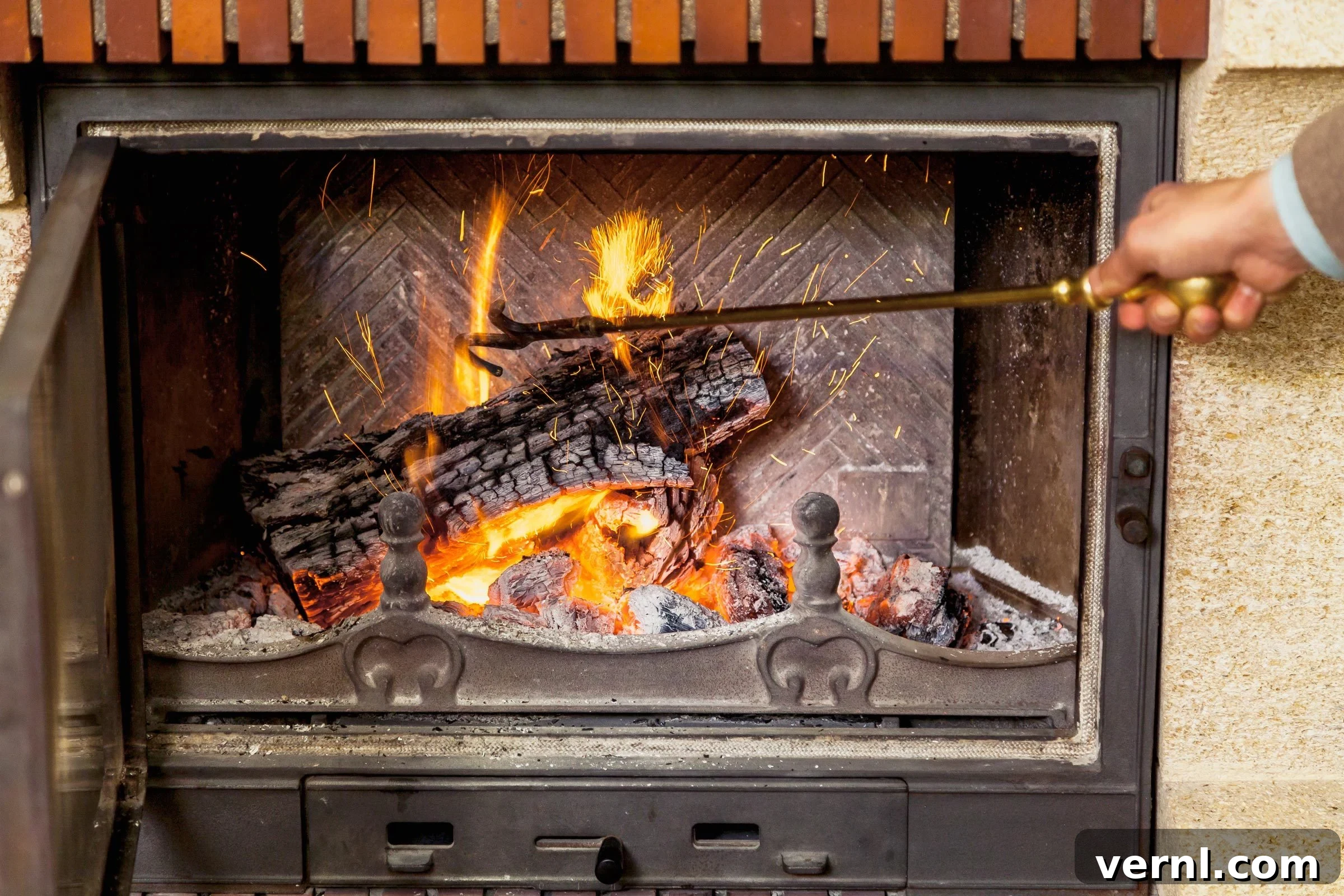
Mastering Fireplace Safety: How to Safely Extinguish and Manage Your Wood-Burning Fire
There’s an undeniable allure to a crackling fire in a wood-burning fireplace. It transforms a cold winter evening into a haven of warmth and coziness, casting a mesmerizing glow that invites relaxation. It’s a cherished companion during the colder months, offering light, warmth, and an unparalleled ambiance. However, this beautiful and comforting element of your home also harbors immense power and unpredictability. The very flames that provide solace roar mere inches from your valuable carpets, wooden floors, and furnishings. One fleeting moment of carelessness – a stray spark, an unexpected pop, or a rolling ember – can instantly ignite combustible materials, escalating from a minor incident to a significant fire hazard that risks injury and severe property damage.
While the joy of a blazing fire is profound, true peace of mind for any homeowner comes only when that fire is completely and safely extinguished. Understanding the correct procedures for putting out a fire, and equally important, knowing what practices to avoid, is paramount for ensuring the ongoing safety of your home and loved ones. This comprehensive guide will equip you with the knowledge to manage your fireplace responsibly, allowing you to enjoy its benefits without unnecessary worry.
Essential Tools and Materials for Responsible Fire Management
Before you even light the first log in your wood-burning fireplace, it’s crucial to have a dedicated set of safety tools readily accessible. These items are not just for emergencies; they are integral to the safe operation and ultimate extinguishing of your fire:
- Fireplace Tool Set: A high-quality set typically includes a poker, shovel, and tongs. The poker is invaluable for repositioning logs and spreading embers to aid cooling. The shovel is essential for carefully applying cooling agents and for eventual ash cleanup. Tongs provide a secure grip for handling smaller, cooler wood pieces if necessary, minimizing direct contact with heat.
- Heat-Resistant Firefighter Gloves: Standard household gloves offer insufficient protection against the intense heat of a fire. Invest in a pair of sturdy, heat-resistant gloves, similar to those used by firefighters. These are indispensable for handling hot fireplace tools, potentially warm logs, or managing ashes safely, providing a critical barrier against severe burns.
- Dry Sand or Baking Soda: These common household items are surprisingly effective and safe for smothering persistent embers or small flare-ups. Baking soda (sodium bicarbonate) releases carbon dioxide when heated, actively suffocating the fire by depriving it of oxygen. Dry sand works similarly by creating a barrier and absorbing heat. Both are non-toxic, readily available, and excellent choices for ensuring a fire is completely extinguished without damaging your fireplace.
- Metal Ash Bucket with Lid: A purpose-designed, non-combustible ash bucket is an absolute necessity for safe ash disposal. Made from galvanized steel or other fire-resistant materials, these buckets safely contain residual heat and embers. The tight-fitting lid prevents oxygen from reaching any latent sparks, significantly reducing the risk of a secondary fire. Remember, even ashes that appear cold can harbor dangerous embers for several days. Here are a few ways you can use the fireplace ash once it’s completely cooled and safe.
- ABC-Rated Fire Extinguisher: While not for routine use, an ABC-rated fire extinguisher is your primary line of defense in an emergency. It should be prominently located near your fireplace, easily accessible, and everyone in your household should be trained on its proper use. This tool is reserved for situations where flames escape the firebox or an uncontrolled fire develops.
- Durable Fireplace Screen: A robust screen is a fundamental safety barrier. It prevents sparks, popping embers, and rolling logs from exiting the firebox and landing on your floor, carpet, or other flammable materials, protecting both your property and occupants from potential burns.
- Carbon Monoxide Detector: Though not directly related to extinguishing a fire, a carbon monoxide (CO) detector is vital for any home with a wood-burning appliance. CO is an odorless, colorless, and deadly gas that can result from incomplete combustion. A detector provides critical early warning, ensuring your family’s safety from this silent killer.
How to Safely and Effectively Put Out a Fire in Your Fireplace
Possessing the knowledge to safely extinguish a fire is as crucial as knowing how to build one. Every individual who operates a wood-burning fireplace should be proficient in these methods to prevent accidents and ensure home safety. Here’s a detailed, step-by-step guide to responsibly bringing your fire to a complete and safe conclusion:
1. The “Starve It Out” Method: The Safest and Most Recommended Approach
“By far the best way to put out a fire in a fireplace is to stop feeding it,” states Leroy Hite, CEO and founder of Cutting Edge Firewood in Peachtree Corners, Georgia. This method leverages the basic principle of fire: without fuel, a fire cannot sustain itself. By simply refraining from adding more wood, the existing logs and kindling will gradually burn down, their energy dissipating until the fire naturally extinguishes. This passive approach is the safest as it minimizes direct interaction with active flames and hot embers.
Successful implementation of the “starve it out” method requires foresight and planning. If you intend to go to bed or leave your home, you must anticipate the burn time of your last logs. “If your wood is stacked so a bunch of wood is on the fire, it’ll burn for a few hours,” Hite clarifies. He further notes, “If you burn an extended burn log … it can burn up to eight hours.” Consider the density and size of your wood: smaller, drier pieces of softwood will burn out much faster than large, dense hardwoods. Hite advises, “If you want your fire to burn out in two hours, feed small pieces.” He also points out that “the species of wood makes a difference,” citing that hickory burns approximately 30% longer than cherry wood. Plan your final additions accordingly to ensure the fire is completely out well before you leave it unattended.
As the fire begins to die down, always ensure a sturdy fireplace screen is securely in place. Regularly check that any remaining wood pieces are stable and pushed safely to the back of the fireplace, preventing any possibility of them rolling or falling out onto the hearth or floor.
2. Accelerate Cooling by Spreading Embers and Applying Cool Ashes
Once the active flames have subsided and only glowing embers and coals remain, you can gently expedite the cooling process. Using your fireplace poker, carefully spread out the residual wood and embers into a thin, single layer across the firebox floor. This action significantly increases the surface area exposed to cooler air, allowing heat to dissipate much faster than if they were left in a concentrated pile. Following this, take your fireplace shovel and scoop some of the fine, cool ash from the bottom of your fireplace (if accumulated from previous fires). Gently sprinkle this cool ash evenly over the spread-out embers. The ash acts as both an insulating layer, trapping remaining heat, and a smothering agent, further restricting oxygen supply. Repeat this process of spreading and applying cool ash until all visible glows have ceased and no smoke is detectable, confirming the complete extinguishment of the fire.
3. The Chemical Intervention: Applying Baking Soda or Sand for Added Assurance
For any lingering, stubborn embers, or simply to add an extra layer of certainty that your fire is truly out, household baking soda (sodium bicarbonate) offers an effective solution. The chemical composition of baking soda means that when it’s exposed to heat, it releases carbon dioxide. This gas acts as an inert blanket, displacing oxygen around the embers and effectively smothering the fire. Generously sprinkle baking soda directly onto any glowing areas. Alternatively, clean, dry sand can be used. Sand works by physically smothering the embers, cutting off their oxygen supply, and absorbing their heat. While both are excellent options, baking soda often provides a cleaner and more active extinguishing action.
Crucial Safety Precaution: Always Use a Fireplace Screen
It cannot be overstated: a secure, robust fireplace screen is an indispensable safety device. Whether your fire is burning brightly, slowly dying down, or in the process of being extinguished, the screen must always be in place. Its primary function is to contain unpredictable sparks, popping embers, and even small, rolling logs within the firebox, thereby preventing them from escaping and creating a significant fire hazard on your living area floor or other combustible surfaces.
Dangerous Practices: What NOT to Use to Extinguish a Fireplace Fire
While preparedness with the right tools is essential, understanding which methods and materials are inappropriate or downright dangerous for extinguishing a fireplace fire is equally vital. Misguided attempts can unfortunately exacerbate risks rather than mitigate them.
1. The Ash Bucket: A Container for Cooled Ashes ONLY
The thought might occur to quickly scoop burning materials into an ash bucket to remove them if you need to leave or go to bed. However, Leroy Hite strongly advises against this practice. “Honestly, this way can be more dangerous than leaving the coals and burning logs in your fireplace,” he warns. “You have to grab something that is on fire and smoking. I don’t advise doing this. You could burn yourself or drop the bucket and the hot contents fall out, or you could trip and fall.”
Transporting actively burning or even glowing embers is fraught with peril. Hot embers can retain their heat for an astonishingly long time – sometimes up to a full week, even within a sealed metal container. Premature or improper disposal can lead to devastating fires. Never transfer hot ashes into a plastic trash can, cardboard box, or directly onto any combustible surface, as spontaneous combustion is a real and dangerous possibility. If you absolutely must remove ashes, ensure they are thoroughly drenched with water (outdoors, on dirt or concrete) or have cooled completely in a lidded metal ash bucket for at least a full week, stored far away from any structures or flammable materials. Crucially, never bring partially cooled ashes in a closed container indoors, as this poses a severe risk of carbon monoxide poisoning.
2. Fire Extinguisher: Reserved for True Emergencies, Not Routine Use
“I wouldn’t use a fire extinguisher unless there is an emergency, like if the fire is spreading somewhere other than the fireplace,” Hite emphasizes. While an essential safety device for out-of-control fires, a fire extinguisher is emphatically not designed for routine fireplace extinguishing. “You’re going to make a big mess with a fire extinguisher. You’ll have a mud of ashes.” The chemicals found in a typical ABC-rated extinguisher, while effective at dousing flames, create a corrosive and incredibly difficult-to-clean residue when combined with ash and soot. This not only results in a significant cleanup ordeal but can also be detrimental to the fireplace masonry and damper system over time if not meticulously removed.
3. Water: A Potentially Damaging and Dangerous Extinguishing Agent
Similarly, Hite strongly cautions against using water to put out a fireplace fire. “The fireplace isn’t made to hold water, and if you pour water in there, you’re going to have wet ash coming out into your house,” he explains. Beyond the undeniable mess, applying water to a hot fire carries several significant dangers. The rapid interaction of water with intense heat can generate immense amounts of superheated steam, which can cause severe steam burns. The sudden, drastic temperature change on hot masonry can also lead to thermal shock, potentially causing cracks, spalling, and long-term damage to the firebox lining, flue, and mortar joints, compromising the structural integrity and safety of your fireplace. Furthermore, water can create excessive smoke, forcing it back into your living space, and the corrosive slurry formed by water and ash is both difficult to clean and damaging.
Post-Fire Care: Cleaning Your Fireplace for Longevity and Safety
Once your fire is unequivocally out, and the ashes are completely cool (which, as discussed, can take several days), it’s time for proper cleanup and maintenance. However, resist the urge to clean your fireplace too thoroughly. Leroy Hite offers a practical recommendation: “Once the fire has been out for at least a week, Hite recommends leaving an inch or so of ashes at the bottom of the fireplace.”
This advice isn’t about laziness; it’s a clever strategy for both efficiency and the longevity of your fireplace. A thin, residual layer of ash acts as a natural insulator, shielding the brick or firebox lining from the intense radiant heat of subsequent fires. This insulation helps maintain a hotter, more efficient burn, makes it easier to start new fires, and significantly contributes to the overall lifespan of your fireplace structure. When you do clean, carefully use your fireplace shovel to remove only the excess ash, ensuring about an inch remains. All removed ashes must be stored in your lidded metal ash bucket for at least a full week before final disposal, guaranteeing that any hidden embers are completely dormant and cold. Beyond regular ash management, annual professional chimney inspections and cleaning are paramount to prevent dangerous creosote buildup, ensure proper ventilation, and maintain the safe operation of your fireplace for years to come.
By diligently understanding and consistently applying these comprehensive safety practices for both extinguishing and managing your fireplace, you can continue to enjoy its comforting warmth and captivating charm for many seasons, without ever compromising the safety and security of your cherished home and family.