Unearthing Pigweed: Your Definitive Guide to Identification, Control, and Prevention
The name “pigweed” evokes various interpretations. While its exact origin remains somewhat shrouded in time, one prevailing theory suggests it earned its moniker from its historical use as a feed for swine. Interestingly, this resilient plant, known scientifically as Amaranth, has also served as a vital food source for human populations in numerous cultures across the globe, providing essential nutrition when other staples were scarce. However, for most homeowners and gardeners, the sight of pigweed sprouting in lawns or garden beds signals a persistent and unwelcome challenge. If you’re seeking to effectively eradicate this common adversary and prevent its return, you’ve come to the right place. This comprehensive guide will equip you with the knowledge and strategies necessary to manage pigweed for good.
What is Pigweed and Why Is It Such a Persistent Problem?
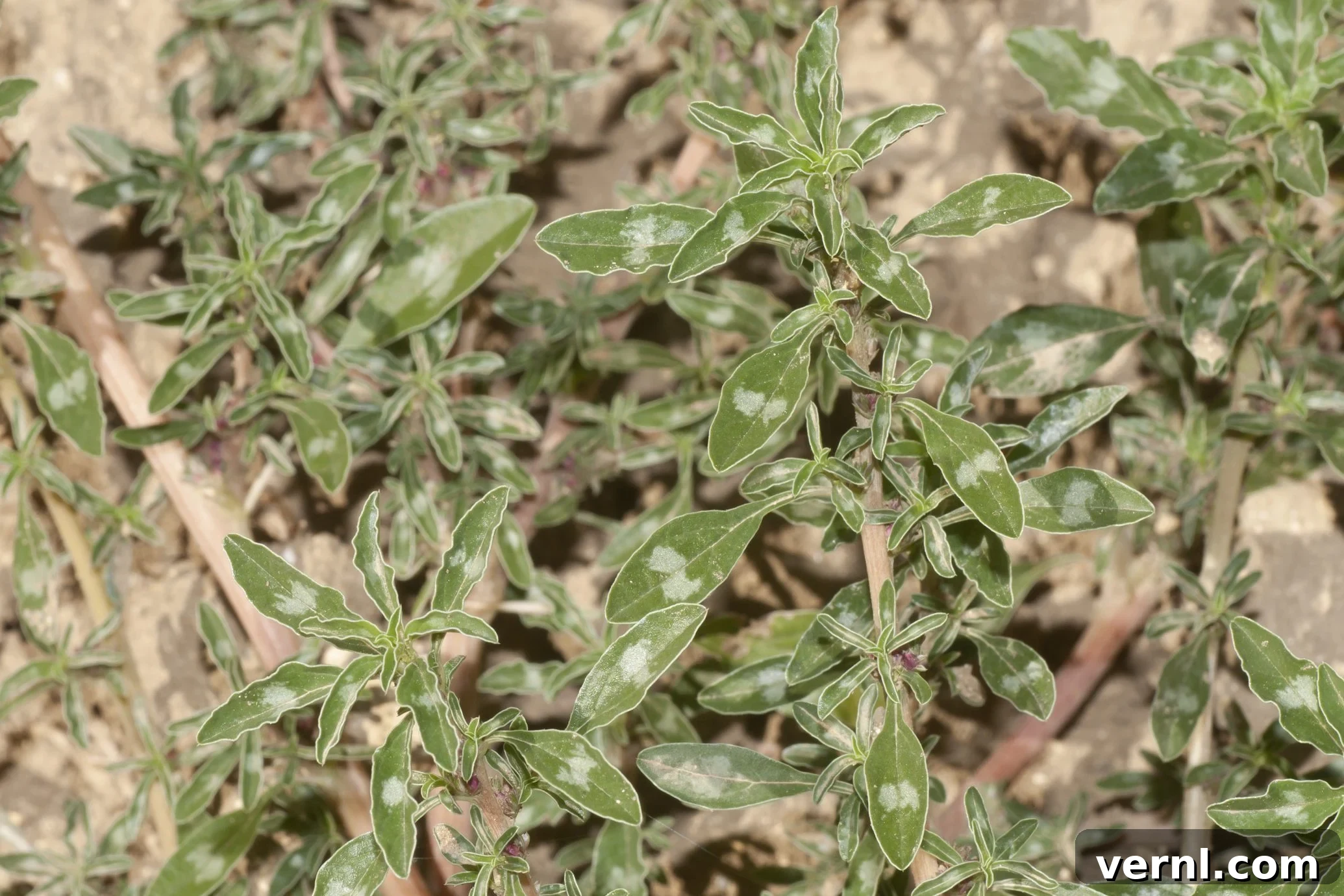
Pigweed is more than just a generic weed; it represents a diverse genus with a formidable capacity for survival and proliferation. Belonging to the genus Amaranthus, this classification encompasses over 70 distinct species, each with unique characteristics. While many are benign, and some even cultivated for their nutritional value, certain pigweed species pose a significant threat to home landscapes and agricultural fields alike. For the purposes of this guide, we’ll primarily focus on Amaranthus blitoides, commonly known as prostrate pigweed. This particular species is the most frequent offender found creeping through your garden beds or discreetly invading your lawn.
Prostrate pigweed—also known by aliases such as mat amaranth, prostrate amaranth, or spreading pigweed—is technically a summer annual. This means it completes its entire life cycle within a single growing season. However, its behavior mimics that of a perennial, as it seemingly returns year after year, defying attempts at eradication. This deceptive persistence stems from its extraordinary reproductive capabilities. A single mature prostrate pigweed plant can produce and disperse well over 100,000 minuscule black seeds, each resembling a tiny grain of sand. These remarkably resilient seeds possess an incredible dormancy period, capable of lying viable in the soil for up to two decades before randomly germinating under optimal conditions. This vast, long-lived seed bank is the primary reason pigweed remains a continuous and frustrating problem for gardeners and landscapers.
Why Do Lawns Become Vulnerable to Pigweed Infestations?
Weeds, including prostrate pigweed, are inherently opportunistic. They exploit any weakness or gap in your lawn’s defenses. A lawn that lacks robust turf density presents exposed soil where weed seeds can easily take root and flourish. Think of it as a “crack in the door” for unwanted invaders. The presence of pigweed often serves as an indicator of underlying issues within your lawn’s ecosystem. It suggests that your turf may be stressed, thin, or lacking essential resources. To create a resilient, weed-resistant lawn, it’s crucial to address these foundational health factors. Implementing a consistent fertilization program, ensuring proper soil moisture levels, and promoting healthy grass growth are key strategies to outcompete and deter pigweed from establishing a foothold.
How to Accurately Identify Pigweed in Your Garden or Field
Accurate identification is the first critical step in developing an effective control strategy against this common lawn and garden adversary. Prostrate pigweed typically presents as a low-growing plant, characterized by its alternate, pale-to-shiny dark-green leaves. These leaves are generally oblong to egg-shaped, with variations in their tips, which can be pointed or rounded, often featuring a subtle indentation. One of the most distinctive features is its growth habit: the light green to reddish plant stems tend to hug the ground, sprawling outwards. When left undisturbed, these stems can extend one to three feet in length, often intertwining to form thick, circular mats that can smother desirable vegetation. Upon closer inspection, you may also observe small, inconspicuous greenish flowers clustered densely at the leaf axils, where the leaf meets the plant stem.
Distinguishing Between Different Types of Pigweed
While pigweed species can sometimes be challenging to differentiate, recognizing the specific type inhabiting your property is invaluable for selecting the most appropriate and effective control methods. Knowing your enemy empowers you to protect your garden and lawn from unnecessary damage and ensures targeted treatment.
- Prostrate Pigweed (Amaranthus blitoides): As our primary focus, this species is easily identified by its ground-hugging, spreading growth pattern. It forms circular or star-like mats, often becoming dense and aggressive. Its low-growing nature allows it to evade mowers and quickly overrun lawns and garden beds if left unchecked.
- Rough Pigweed (Amaranthus retroflexus), also known as redroot pigweed, redroot amaranth, careless weed, or wild beet, is widely distributed throughout North America. Unlike its prostrate cousin, rough pigweed grows upright, reaching heights of several feet. It features reddish stems, particularly near the base, and rough, hairy leaves. Interestingly, despite being a significant agricultural nuisance due to its competitive nature and prolific seed production, rough pigweed also possesses some delightful culinary attributes, which we’ll explore later in this guide.
- Waterhemp (Amaranthus rudis or Amaranthus tuberculatus) and Palmer Amaranth (Amaranthus palmeri) are two other pigweed species known for their rapid growth and extreme competitiveness, particularly in agricultural settings. These species are typically characterized by their impressive stature, often reaching towering heights of three to eight feet or more. They are most frequently encountered in agricultural crops, along fence lines, and in disturbed areas, rather than being common problems in home lawns and smaller gardens. Their identification is critical for farmers, as they have developed widespread herbicide resistance, making control particularly challenging.
Effective Methods to Control and Eliminate Pigweed
Tackling a pigweed infestation requires a multi-pronged approach, combining immediate removal with long-term prevention strategies. Here are the most effective methods to kill existing pigweed plants.
Manual Removal: The Time-Honored Approach
For smaller infestations or as an initial step, reverting to the old-fashioned method of hand-pulling weeds remains one of the most effective and environmentally friendly options. While it can be arduous, especially with larger plants, manual removal offers the best results, completely eliminating the weed without the use of chemicals. It is particularly effective on smaller, younger plants before they have a chance to establish a deep root system or produce seeds. To make the task easier, thoroughly water the area first; moist soil significantly softens the ground, allowing you to pull out the entire plant, including as much of its root system as possible. If the pulled weeds have not yet gone to seed, they can be safely added to your compost bin, returning valuable organic matter to your garden. However, if any seed heads are present, it’s crucial to dispose of them properly to avoid inadvertently spreading seeds.
Chemical Control: Strategic Use of Herbicides
For larger areas or persistent infestations, chemical control using herbicides can be a viable option. It’s imperative to always read and strictly follow the directions on the product label for any pesticide to ensure safety and effectiveness.
- Pre-Emergent Herbicides: Given that pigweed is an annual, it can be effectively managed with a pre-emergent herbicide applied in the spring before the seeds germinate. These herbicides create a chemical barrier in the soil that inhibits seed sprouting. Many of the same pre-emergent products used for crabgrass control will also be effective in preventing pigweed from emerging in your lawn. Timing is crucial for pre-emergents; they must be applied before pigweed seeds begin to sprout, typically when soil temperatures consistently reach 55-60°F.
- Post-Emergent Herbicides: Once pigweed plants have emerged and are actively growing, post-emergent herbicides are necessary. Most conventional broadleaf herbicides are effective against pigweed. These products are designed to target broadleaf weeds without harming desirable grasses, making them suitable for lawn applications. For areas where you need to clear all vegetation, nonselective herbicides containing active ingredients like glufosinate can be used.
- Combination Products: Some products offer the convenience of both pre- and post-emergent herbicides in a single application. These combination formulas are designed to prevent new pigweed plants from germinating while simultaneously controlling existing weeds, offering a comprehensive solution for ongoing management.
Important Note: Be extremely cautious when using nonselective herbicides like glufosinate or glyphosate. These chemicals will kill nearly everything they contact, including your desirable lawn grasses, flowers, and ornamental plants. Always apply them precisely and on calm days to prevent drift onto wanted vegetation.
Preventing Pigweed from Growing Back: Long-Term Strategies
True pigweed management extends beyond killing existing plants; it’s about implementing strategies that prevent its return and deplete the formidable seed bank. Prevention is key to sustainable weed control.
- Mulching: Applying a 2-3 inch layer of organic mulch, such as compost, shredded bark, straw, or hay, is an incredibly effective preventive measure. Mulch acts as a physical barrier over the soil, effectively blocking sunlight from reaching pigweed seeds and inhibiting their germination. Beyond weed suppression, mulch also helps retain soil moisture, regulate soil temperature, and slowly releases nutrients as it decomposes, benefiting your desirable plants.
- Optimized Soil Management: Pigweed thrives in poor, compacted, and nutrient-deficient soil. A robust, healthy lawn or garden is the best defense against weeds. Regularly test your soil to ascertain its pH and nutrient levels, then amend as necessary to maintain optimal conditions. Promoting healthy soil with proper aeration and drainage fosters dense turf and vigorous plant growth, thereby reducing the exposed space where opportunistic weeds like pigweed can establish themselves.
- Regular Monitoring and Early Intervention: Pigweed is a notoriously fast grower, capable of transitioning from a tiny seedling to a prolific seed-producing plant in a matter of weeks. Frequent and thorough inspection of your garden and lawn, particularly during warm weather and after rain, is essential. Catching and removing pigweed plants when they are young and small significantly reduces the effort required for removal and, crucially, prevents them from producing the tens of thousands of seeds that fuel future infestations.
- Minimize Soil Disturbance: As previously mentioned, pigweed seeds can remain dormant for many years within the soil. Every time you till, dig, or otherwise disturb the soil, you risk bringing these dormant seeds closer to the surface. Once exposed to sunlight and favorable moisture conditions, these previously buried seeds can readily germinate. This principle is especially important in fields or garden beds with a known history of pigweed infestations; opt for no-till or minimal-till practices whenever possible.
- Strategic Crop Rotation: For garden beds and larger cultivated areas, seasonal rotation of crops is a powerful tool to disrupt pigweed’s growth cycle. By varying the types of crops grown in a particular area from one season to the next, you make it more difficult for pigweed to adapt to and dominate the same location year after year. For example, warm-season crops like corn or soybeans can be rotated with cool-season cereals (e.g., rye or oats). This rotation helps to alter the soil environment and create periods when pigweed germination is less likely, breaking its persistent cycle.
- Cover Cropping: Another highly potent strategy, particularly in larger garden plots or agricultural fields, is the practice of cover cropping. Seeding close-spaced, rapidly growing cover crops such as cereal rye, clover, or alfalfa creates a dense canopy that effectively shades out the soil surface. This deprivation of light is crucial, as pigweed seedlings require light to germinate and establish. Furthermore, cover crops aggressively compete with nascent pigweed seedlings for vital water and soil nutrients, further inhibiting their growth and establishment.
- Timely Mowing: In pastures, orchards, and larger fields where manual removal isn’t feasible, timely mowing is an essential part of the control regimen. The goal is to mow pigweed plants before they have a chance to flower and produce seeds. This strategy drastically reduces the possibility of future infestations by preventing the replenishment of the seed bank. Ideally, mow when the plants are shorter than 12 inches tall and before any visible seed heads have begun to develop.
- Calculated Tillage Timing: When tillage is incorporated into your management plan, the timing is everything. Early spring shallow tillage can expose young pigweed seedlings to air and sunlight, causing them to dry out and die before they can establish a deeper, more resilient root system. However, frequent deep tillage can have the opposite, detrimental effect; it can inadvertently unearth dormant pigweed seeds from deeper soil layers and move them closer to the surface, where they will find ideal conditions to germinate more readily. Therefore, carefully consider the depth and frequency of tillage based on your specific situation.
Are There Benefits to Pigweed? Exploring Its Culinary and Nutritional Value
While often seen as a nuisance, it’s worth noting that pigweed, particularly certain Amaranthus species like Rough Pigweed, offers surprising benefits. For those who embrace foraging for natural, wild foods, pigweed can be a truly valuable discovery, providing a readily available and nutritious resource. Almost every part of a pigweed plant is edible, making it a versatile ingredient.
- Leaves: The tender young leaves of pigweed can be enjoyed raw, adding a slightly earthy flavor and crisp texture to salads. When cooked, they prepare much like spinach or other leafy greens, retaining their nutritional value and softening to a pleasing texture, making them an excellent side vegetable. Pigweed greens are a powerhouse of essential nutrients, remarkably rich in iron, calcium, and niacin, as well as significant quantities of vitamins A and C.
- Seeds: The tiny seeds of pigweed, which are often the bane of gardeners, are themselves highly nutritious. They contain beneficial amounts of vitamins A and C, along with calcium. These seeds can be consumed raw, cooked into a hearty hot cereal similar to quinoa or oats, or even ground into a gluten-free flour for baking various breads, pancakes, or muffins. A unique and fun application for the seeds is popping them like popcorn, offering a crunchy, nutritious snack.
Important Note for Foragers: Always exercise extreme caution when consuming foraged plants. Thoroughly wash all collected pigweed plants before consumption, especially if there is any possibility they may have been treated with herbicides, pesticides, or other chemicals. Ensure you are 100% confident in your plant identification to avoid consuming toxic look-alikes. When foraging in urban or agricultural areas, be mindful of potential contaminants.
Frequently Asked Questions About Pigweed
Is pigweed poisonous?
While pigweed is generally considered safe for human consumption when properly identified and prepared, it can be toxic to livestock, particularly pigs, if ingested in large quantities. Pigweed toxicity in animals is not immediate; clinical symptoms may not manifest until about a week after ingestion. Approximately half of exposed animals may be affected, though fatalities are generally low. The primary concern lies in pigweed’s ability to accumulate significant levels of nitrate and oxalate, which can comprise up to 30% or more of the plant’s dry weight in the form of oxalic acid. These compounds can interfere with nutrient absorption and kidney function in susceptible animals.
How common is pigweed?
Pigweed is an incredibly common and widespread weed found across various regions globally. In the Pacific Northwest (PNW) region of the United States, for instance, several pigweed species are particularly prevalent and widely distributed. These include redroot pigweed (Amaranthus retroflexus), Powell’s amaranth (Amaranthus powellii), prostrate pigweed (Amaranthus blitoides), and tumble pigweed (Amaranthus albus). Their ubiquitous presence is largely due to their adaptability, rapid growth, and the prolific, long-lived nature of their seeds.
What time of year does pigweed typically germinate?
Pigweed, being a summer annual, typically germinates when soil temperatures consistently reach around 60-70°F (15-21°C). This usually occurs in late spring or early summer, after the last frost has passed. Germination is often triggered by warm weather and adequate soil moisture.
Can pigweed grow in shade?
While pigweed thrives in full sun and open, disturbed areas, some species can tolerate partial shade. However, their growth will likely be less vigorous, and seed production may be reduced compared to plants growing in direct sunlight. Dense shade is generally effective in suppressing pigweed growth.
Does pigweed attract any beneficial insects or wildlife?
Certain pigweed species can act as host plants or provide food for specific insects. For example, some insects might feed on pigweed, and birds are known to eat the nutritious seeds, potentially aiding in seed dispersal. However, their role as a significant attractant for beneficial insects in a garden setting is usually outweighed by their competitive weed nature.
Sources and Further Reading
- Michigan State University: “Prostrate pigweed–Amaranthus blitoides“
- Cornell CALS: “How to identify pigweeds”
- Penn State Extension: “Pigweeds”
- USDA Plants Database: “Amaranthus L.”