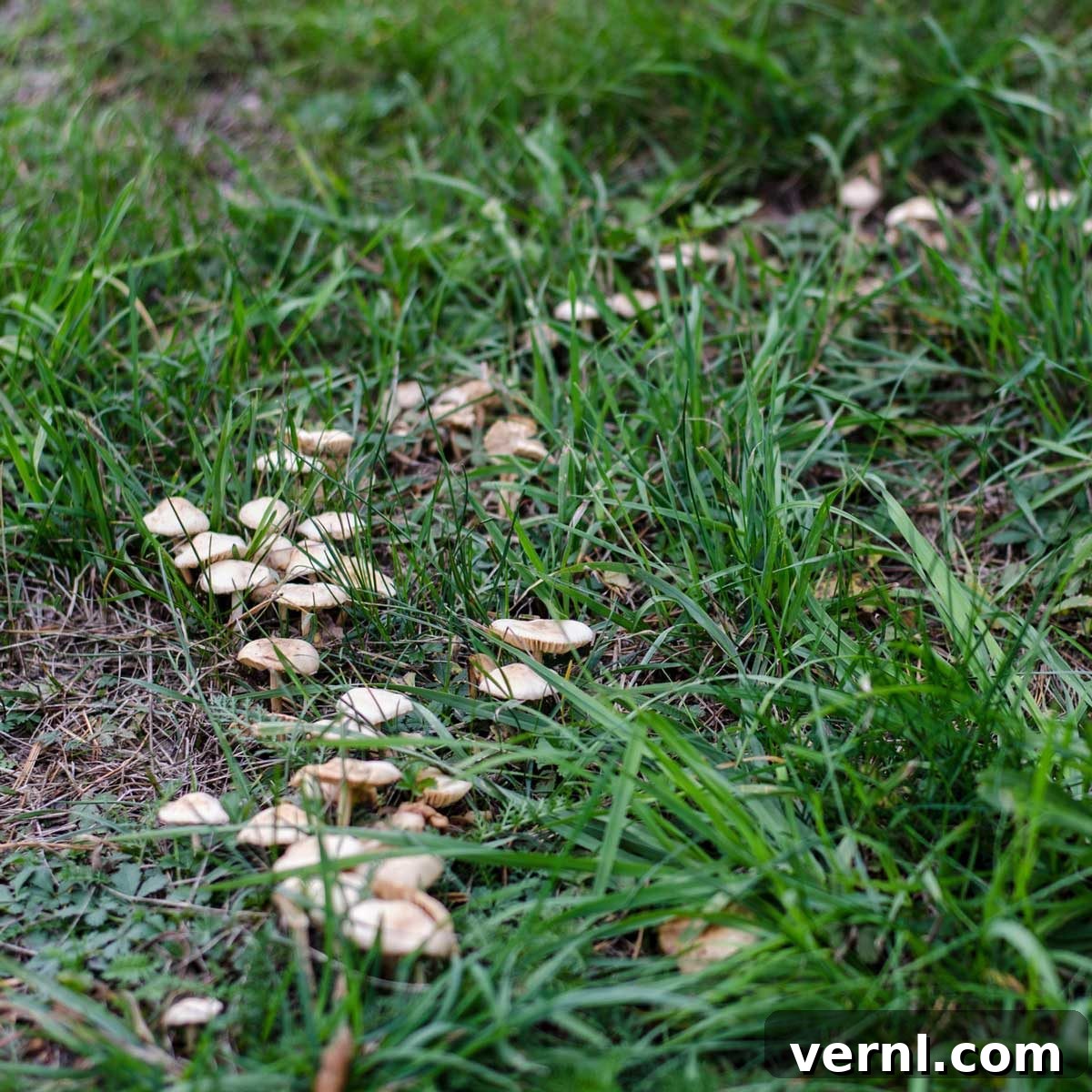
Fairy rings are distinct, often puzzling patterns that emerge on lawns, golf courses, and open fields, creating areas of abnormal growth that can be a source of frustration for homeowners and groundskeepers alike. These natural phenomena, steeped in folklore and often unwelcome, manifest in various forms but share two undeniable characteristics: their unmistakably circular or arched appearance, and the universal desire of property owners to see them gone from their meticulously maintained green spaces.
Understanding Fairy Rings: An Introduction to Their Mystique and Manifestations
The enchanting name “fairy ring” itself is rooted in ancient folklore, where these enigmatic circles were believed to be the dancing grounds of fairies, elves, or leprechauns under the moonlight. While the mystical explanations have long given way to scientific understanding, the name endures, adding a touch of whimsy to what is, in reality, a common lawn problem. Chris Lemcke, national technical director at Weed Man, sheds light on their most common visual form, stating, “The mushrooms can be in a complete circle or in more of an arc.” These fungi are not just a surface-level annoyance; they are the visible manifestation of a complex subterranean fungal network that can impact the health and appearance of your entire lawn.
Beyond the classic mushroom circle, fairy rings can present themselves in several distinct ways, each with its own visual cues and underlying causes. Recognizing these different forms is the first step toward effective management.
What Do Fairy Rings Look Like? Decoding the Visual Clues
Fairy rings are categorized into three primary types, each dictating a different visual impact on your turf:
-
Type 1: Mushroom Rings (Fruiting Body Rings)
This is arguably the most recognized form of a fairy ring. Characterized by a circular or semi-circular growth of mushrooms, this type is often seen during periods of high moisture, such as spring or fall. The mushrooms themselves can vary widely in size, color, and species, but their arrangement in a distinct ring is the giveaway. While some mushrooms are harmless, others can be poisonous to pets or children, making their presence a potential safety concern in addition to an aesthetic one. These visible mushrooms are merely the fruiting bodies of a much larger fungal network living beneath the soil surface.
-
Type 2: Accelerated Growth Rings (Dark Green Rings)
Unlike their mushroom-producing counterparts, these fairy rings are defined by an unusually vibrant, dark green band of grass that stands out against the lighter green of the surrounding lawn. This phenomenon, often observed in larger turf areas like golf courses, parks, and expansive home lawns, is a result of the fungi within the soil actively decomposing organic matter. This decomposition releases a surge of nitrogen and other nutrients, which the grass roots absorb, leading to significantly enhanced growth and a deeper green coloration. Sometimes, a ring of dead or brown grass can appear *inside* this green ring, or on the outer edges, indicating where the fungal activity has become too intense or has depleted resources.
-
Type 3: Necrotic Rings (Dead or Brown Grass Rings)
While less common than the other two types, necrotic fairy rings are often the most damaging and challenging to address. These rings appear as patches of withered, brown, or dead grass, often with a ring of healthy or even darker green grass surrounding them. The fungi responsible for this type of ring can interfere with the grass’s ability to absorb water, a condition known as hydrophobicity (water repellency), or they can produce toxic compounds that directly harm the grass roots. Furthermore, some fungi can rapidly deplete the soil of essential nutrients like nitrogen, leading to the gradual demise of the turf within the ring.
Regardless of the specific manifestation, the distinctive curved or circular shape of fairy rings stems from the unique growth pattern of the causal fungi. These fungi establish an underground network of fine threads, known as mycelium, which grow outwards evenly in all directions from a central point. As this mycelial mat expands, it eventually surfaces, either as mushrooms, enhanced grass growth, or areas of stressed and dying turf, creating the tell-tale circular pattern.
The Root Cause: What Triggers the Formation of Fairy Rings?
At the heart of every fairy ring lies a specific type of fungus, typically from the group known as Basidiomycetes. The presence of these fungi is usually linked to decaying organic matter buried beneath the lawn’s surface. “When you see a mushroom fairy ring,” Lemcke explains, “it’s usually by old stumps or wood decaying in soil.” The fungi, acting as natural decomposers, thrive on this decaying matter, breaking it down and releasing nutrients. However, the specific interaction between the fungi, the organic matter, and the soil environment determines which type of fairy ring ultimately appears.
Key Factors Contributing to Fairy Ring Development:
-
Buried Organic Matter: This is the primary catalyst for most fairy rings. Old tree stumps, roots, construction debris (like wood scraps or sawdust), or even excessive thatch in the lawn can provide the food source these fungi need to establish and spread. As the fungus consumes this organic material, its mycelium grows outwards in a radial pattern.
-
Soil Conditions: Certain soil conditions can exacerbate fairy ring problems. Poorly drained soils, compacted areas, or those with significant nutrient imbalances can create an environment where these fungi can flourish. The availability of moisture is also crucial; wet conditions often trigger the appearance of mushroom rings, while persistent dry conditions can stress grass, making it more susceptible to necrotic rings.
-
Nutrient Cycling:
- Accelerated Growth Rings: The fungi responsible for these rings are highly efficient decomposers. As they break down organic material, they release a substantial amount of nitrogen and other essential nutrients into the soil. This localized nutrient boost acts as a natural fertilizer, causing the grass within the ring to grow more vigorously and appear a darker green.
- Dead Zone Rings: Conversely, the fungi causing necrotic rings can have a detrimental effect on nutrient availability. Some types of fungi can bind up nutrients, making them unavailable to the grass roots, or produce compounds that are toxic. Additionally, the dense mycelial mat formed by these fungi can become hydrophobic, repelling water and preventing it from reaching the grass roots, leading to severe drought stress and eventual death of the turf, even when the rest of the lawn is adequately watered.
Effective Strategies for Managing and Eliminating Fairy Rings
While fairy rings can be a persistent nuisance, they are not insurmountable. The approach to management depends largely on the type of fairy ring present and its severity. Patience and consistent effort are key to reclaiming the pristine appearance of your lawn.
Addressing Mushroom Fairy Rings: Simple Solutions for Surface-Level Fungi
For mushroom fairy rings, Lemcke offers a reassuring perspective: “They are usually short-lived, appearing in the spring, fall or whenever there are especially wet conditions.” The mushrooms themselves are the temporary fruiting bodies, not the underlying fungal network. Therefore, direct removal of the mushrooms is often sufficient for aesthetic purposes.
-
Manual Removal or Mowing: Simply pick the mushrooms off or mow over them. This removes the visible part of the problem and prevents spores from spreading. Always dispose of them carefully, especially if children or pets frequent the area.
-
Remove the Source: If the mushrooms consistently sprout near a dead tree stump, old roots, or other visible decaying wood, physically removing that organic matter is the most effective long-term solution. This eliminates the primary food source for the fungus, eventually causing the mycelium to die back.
-
Improve Drainage: Since wet conditions favor mushroom growth, improving soil drainage in the affected area can help reduce their frequency.
Tackling Accelerated Growth and Dead Zone Fairy Rings: A More Intensive Approach
These types of fairy rings require a more strategic and often more intensive approach, focusing on altering the soil environment and disrupting the fungal network. “Properly fertilizing your lawn is your best bet for tackling accelerated growth and dead zones fairy rings,” states Lemcke.
1. Mechanical Disruption and Soil Amendment:
-
Aeration: For both accelerated growth and dead zones, core aeration is highly beneficial. It physically breaks up the fungal mycelium, improves air and water penetration, and helps nutrients reach the grass roots. For dead zones, it’s particularly crucial to aerate thoroughly to allow water to penetrate the hydrophobic fungal mat.
-
Deep Spading (for severe cases): In very persistent or severe necrotic rings, more aggressive measures may be necessary. This involves digging up the affected area to a depth of 12-18 inches and a width of at least 1-2 feet beyond the ring, removing the contaminated soil and fungal material, and then refilling with fresh, healthy soil. This is a labor-intensive method usually reserved for extreme cases.
2. Watering and Wetting Agents:
-
Thorough Watering: Before applying any treatments to dead zone fairy rings, it’s essential to thoroughly water the area. The goal is to break the hydrophobic barrier created by the fungus. This may require multiple, deep watering sessions over several days.
-
Wetting Agents (Surfactants): For persistent hydrophobic areas, applying a horticultural wetting agent can dramatically improve water penetration. These products reduce the surface tension of water, allowing it to soak into the soil more effectively and reach the grass roots, hydrating the turf and potentially flushing out fungal toxins.
3. Fertilization and Nutrient Management:
-
Balanced Fertilization: For accelerated growth rings, the goal is to “mask” the darker green areas by applying a balanced fertilizer to the rest of the lawn, helping it catch up in color and vigor. For dead zones, targeted fertilization is crucial to replenish depleted nutrients and support grass recovery.
-
Type of Fertilizer: Lemcke favors “slow release fertilizers with high amounts of nitrogen.” Slow-release nitrogen provides a steady supply of nutrients, promoting consistent growth without sudden surges that can exacerbate uneven coloring. A soil test can help determine the specific nutrient deficiencies in your lawn, allowing for a more tailored fertilization plan.
-
Frequency: “There’s no set answer on how often you should fertilize your lawn because it depends on the type of fertilizer you use,” notes Lemcke. Generally, following manufacturer recommendations for slow-release products and adjusting based on observed lawn health is a good strategy.
4. Fungicides (When to Consider):
-
Fungicides are generally a last resort for fairy rings due to their cost, environmental impact, and varying efficacy. They are most effective when applied early in the ring’s development and are typically recommended for severe necrotic rings that do not respond to other treatments. A professional lawn care specialist can help identify the specific fungus and recommend the most appropriate fungicide and application method. Systemic fungicides, which are absorbed by the plant, tend to be more effective than contact fungicides for deep-seated fungal issues.
Preventive Measures: The Best Defense Against Fairy Rings
The most effective strategy against fairy rings is often prevention. By maintaining a healthy lawn and addressing potential underlying issues, you can significantly reduce the likelihood of these unwanted circles appearing.
-
Thorough Site Preparation: Before establishing a new lawn, ensure all construction debris, old tree roots, and large pieces of wood are removed from the soil. This eliminates future food sources for fairy ring fungi.
-
Regular Aeration and Dethatching: These practices prevent thatch buildup and soil compaction, improving air and water circulation and discouraging fungal growth.
-
Balanced Fertilization Program: A consistent and balanced fertilization schedule, guided by soil tests, ensures your lawn receives the nutrients it needs to remain vigorous and less susceptible to fungal invasions.
-
Proper Irrigation: Deep, infrequent watering promotes deep root growth and discourages surface fungi. Avoid overwatering, which can create conditions favorable for mushroom growth.
-
Mowing Height: Maintain an appropriate mowing height for your grass type. Taller grass can shade the soil, keeping it cooler and potentially less hospitable for some fungi.
When to Call a Professional
If you’ve tried various home remedies and cultural practices without success, or if your fairy rings are extensive, rapidly spreading, or causing significant damage, it may be time to consult a professional lawn care service or an arborist. They can accurately identify the specific fungus, assess the underlying soil conditions, and recommend targeted treatments, which may include specialized fungicides or more aggressive soil renovation techniques. Professional intervention can save you time, effort, and further damage to your lawn in the long run.
Conclusion
Fairy rings, whether appearing as mystical mushroom circles, vibrant green bands, or unsightly dead patches, are a common challenge for lawn enthusiasts. While their origins are rooted in fungal activity driven by decaying organic matter and environmental conditions, understanding their different forms and causes empowers homeowners to tackle them effectively. By adopting a proactive approach through proper lawn care, addressing buried organic debris, and applying targeted treatments, you can restore your lawn to its pristine condition. Patience and persistence are key, transforming these unwelcome circles from a source of frustration into a manageable aspect of garden maintenance, allowing your lawn to thrive free from their enchanting, yet often detrimental, presence.