
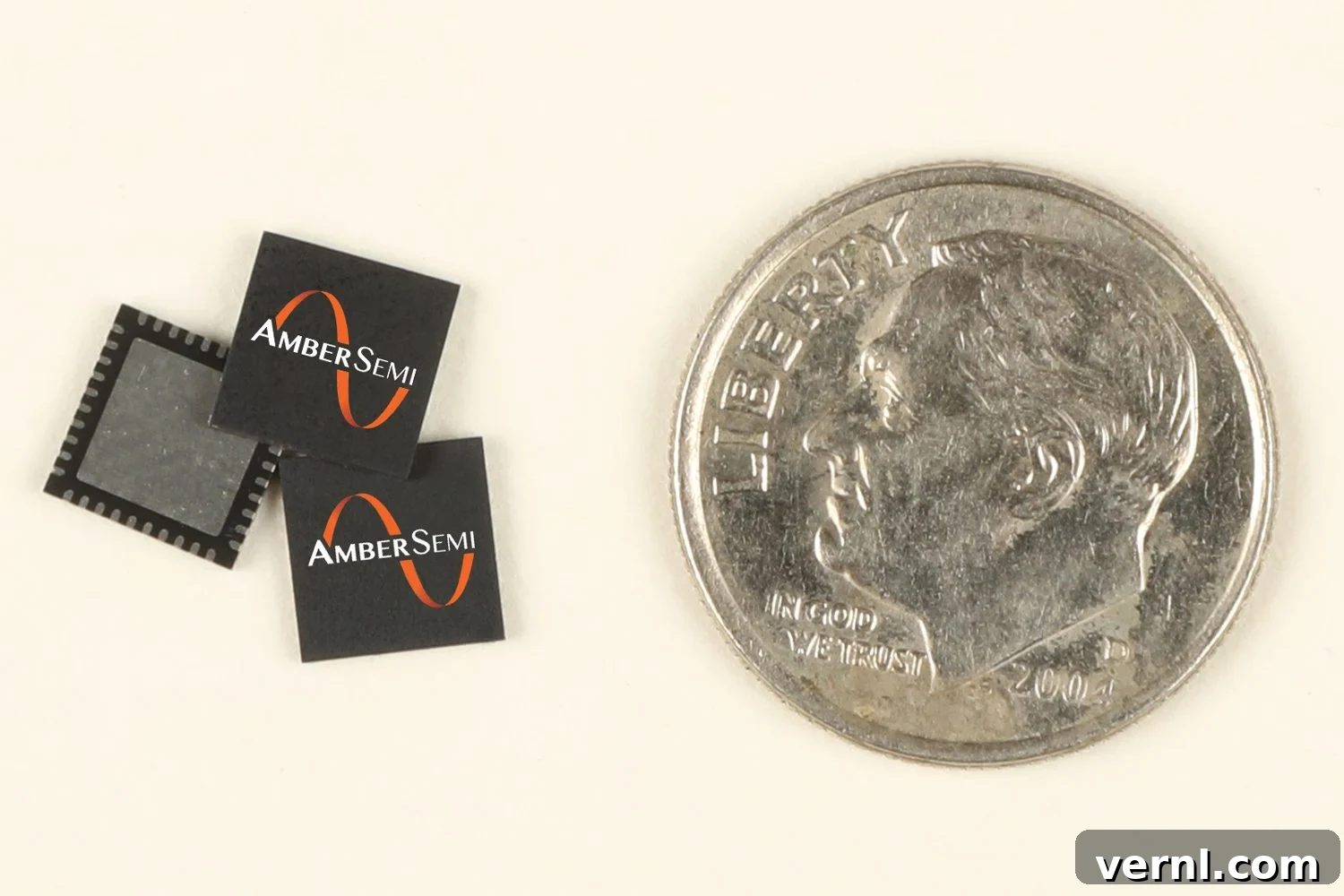
While various consumer technologies, such as cell phones and electric bikes, have experienced astonishing leaps forward due to rapid innovation over the past few decades, a fundamental aspect of our daily lives has largely remained unchanged: the electrical grid powering our homes and buildings. This long-standing static nature of household electrical systems, often relying on principles developed over a century ago, is on the cusp of a profound transformation.
Starting in late 2024, a significant technological shift will begin to integrate advanced silicon chips featuring solid-state technology into everyday home electrical components. This includes essential items like LED lighting, circuit breakers, and outlet receptacles. For many, this might sound like a minor technical detail, perhaps even complicated or uninteresting, but its implications are far-reaching and could significantly enhance your quality of life. These next-generation products are engineered from the ground up to boost safety, improve energy efficiency, and unlock new levels of control within your home environment.
“The fact that our modern world still largely relies on the foundational, and sometimes dangerous, electrical infrastructure from Thomas Edison’s era clearly demonstrates society’s readiness for a transformative change,” explains Thar Casey, founder and CEO of AmberSemi. He envisions a future where “Once this pivotal upgrade takes hold, solid-state technology will become the universal standard for every outlet, smart home ecosystem, and LED dimmer switch throughout your residence. This marks the completion of a truly revolutionary second electrical revolution for the power grid.”
Casey’s enthusiasm for solid-state chips is well-founded. His company is at the forefront of this innovation, actively forging partnerships with leading component manufacturers to accelerate the introduction of this groundbreaking technology to the market. Consumers will gradually begin to notice packaging indicating products are “Powered by AmberSemi solid-state power technologies,” signaling a new era of home electricity.
To help you navigate this exciting shift, here’s a comprehensive look at what solid-state home electrical components entail, their numerous benefits, and what you can anticipate regarding their availability in your home.Understanding Solid-State Technology
At its core, solid-state refers to a category of electrical components, devices, and systems that operate based on advanced semiconductor technology. Unlike traditional electrical devices that often rely on mechanical switches, moving parts, or analog signals to control electricity, solid-state components are entirely digital. This means they function without any physical movement or wear and tear, leading to increased reliability and precision.
While its application in home electrical systems is relatively new, solid-state technology itself is far from novel. It has been a cornerstone of modern electronics for decades, underpinning the rapid evolution of products ranging from the first transistor radios to the powerful microprocessors in today’s smartphones and computers. This proven track record across various industries highlights its robustness and adaptability.
Casey effectively illustrates the transformative power of solid-state technology by drawing a parallel to the evolution of televisions: “The best way to grasp the profound impact of solid-state tech is by looking at televisions. Consider the incredible intelligence, expanded features, and crystal-clear imagery possible in modern solid-state-based smart TVs, and then compare them to the bulky, old-school cathode ray tube (CRT) TVs that were commonplace up until the early 2000s. The difference in advancement is truly worlds apart.” Just as solid-state transformed our viewing experience, it is now poised to redefine our interaction with home electricity, moving from rudimentary functionality to intelligent, responsive control.
What are Solid-State Home Electrical Components?
Specifically within the context of your home, solid-state electrical components are the “endpoints” of your electrical system – the parts you directly interact with or that manage power delivery at the local level. These include critical devices such as dimmer switches, circuit breakers, and integrated smart-home systems that now incorporate sophisticated silicon chips. The integration of these chips fundamentally alters how these components operate.
One of the most significant safety enhancements is that these solid-state devices cannot arc. Traditional mechanical switches and relays can create a prolonged electrical discharge, or arc, when contacts open or close under load. This arcing generates intense heat and can be a significant fire hazard, especially in faulty or aging wiring. Solid-state components, by contrast, switch electricity digitally, eliminating the physical gaps where arcs typically form. This inherent arc-free operation dramatically reduces the risk of electrical fires, making your home a safer place.
Furthermore, the digital nature of these components means they can be precisely controlled, monitored, and managed through software. This opens up a world of possibilities for advanced functionality that mechanical systems simply cannot achieve. Currently, AmberSemi holds a comprehensive suite of patents covering this transformative technology and is actively collaborating with global leaders in electrical products and semiconductor manufacturing to integrate their innovative chips into a wide array of consumer-facing products.
Key Advantages of Solid-State Home Electrical Components
The ability of solid-state components to digitally control electricity brings forth a multitude of tangible benefits for homeowners, revolutionizing safety, efficiency, and convenience:
- Enhanced Safety: By operating completely arc-free, solid-state components eliminate a primary cause of house fires linked to electrical systems. Traditional circuit breakers and switches, when failing or under stress, can generate dangerous electrical arcs. Solid-state alternatives mitigate this risk entirely, providing an unprecedented level of safety for your household and its occupants.
- Superior Surge Protection: Electrical surges, often caused by lightning strikes, grid fluctuations, or even the cycling of large appliances, can inflict considerable damage on sensitive electronics and appliances throughout your home. Solid-state components are inherently more robust and surge-proof, offering a built-in layer of protection against these destructive power spikes, thereby safeguarding your valuable investments.
- Programmable and Intelligent: This is where solid-state technology truly shines in the age of smart homes. Their programmable nature allows seamless integration with Artificial Intelligence (AI) systems and other smart-home devices. This connectivity unlocks advanced energy management capabilities, such as dynamic load balancing, automated lighting based on occupancy or daylight, and detailed energy monitoring. Imagine an electrical system that learns your habits, optimizes power consumption in real-time, and minimizes energy waste, significantly contributing to a more energy-efficient and sustainable home.
- Compact Design: Solid-state components are inherently much smaller than their traditional, mechanical counterparts. This miniaturization means they require less physical infrastructure space within your walls, electrical panels, and outlets. The result is not only sleeker, less intrusive fixtures but also greater flexibility for architectural design, easier installation, and potentially more room for future technological upgrades.
“To put it simply, solid-state technology represents the undeniable future of home electricity because it promises to make buildings profoundly safer, healthier, smarter, and significantly more energy-efficient,” affirms Casey. This holistic improvement touches every aspect of how we interact with power in our living spaces.
Beyond individual homes, solid-state electrical components are also poised to have a profound and positive ripple effect across the industrial and regulatory sectors of the electrical industry. Their programmable nature means manufacturers can design fewer components that are adaptable to various product types and regional standards, streamlining production and reducing complexity. Furthermore, the inherent increase in safety and efficiency offered by these components could pave the way for simpler, more modern electrical codes, ultimately accelerating adoption and benefiting everyone involved in building and maintaining electrical infrastructure.
Will Solid-State Products Be More Expensive?
In theory, the widespread adoption of solid-state electrical components should not lead to higher costs for consumers. Casey explains that once this technology achieves mass-market manufacturing scale, the economies of scale dictate that solid-state components should generally be less expensive to produce per unit compared to traditional, mechanical components. This manufacturing efficiency, coupled with the significant energy savings they provide in homes, suggests a compelling value proposition over the long term.
However, an important consideration remains regarding initial market dynamics. “The big unknown will be whether manufacturers choose to increase the price of their technologies once solid-state is adopted, simply because of the direct increase in the value of their products based on the added features and capabilities,” Casey cautions. He draws a parallel to the launch of innovative smart home devices like the Nest thermostat. Initially introduced at a premium price point, it sold exceptionally well due to its advanced technology and groundbreaking features. Over time, as production scaled and competition increased, the Nest thermostat became available at a more accessible and reasonable price. This suggests a potential similar trajectory for solid-state electrical components, where early adopters might pay a premium for innovation, followed by broader affordability.
When Can You Expect Solid-State Home Electrical Components?
The first wave of consumer products incorporating solid-state technology is anticipated to hit the market in late 2024. However, it’s crucial to understand that while the initial rollout is imminent, widespread adoption and becoming the “norm” will likely take some time. Casey attributes this gradual transition, in part, to a deeply ingrained “If it ain’t broke, why fix it?” mentality prevalent within established industries.
He elaborates on the inertia: “The ‘old tech’ still functions reliably, the factories have optimized their tooling and processes over decades, and they are consistently churning out millions of units efficiently around the globe.” Moreover, consumers are accustomed to and accept the current products and their functionalities as they are. This established order, where companies often generate substantial profits from existing arrangements, naturally creates a degree of hesitation to embrace radical change, even when a superior technology emerges.
Despite these challenges, history shows that superior solid-state technology has overcome similar resistance in countless other product categories, eventually becoming the undisputed standard. Home electricity is unlikely to be an exception. “There’s more motivation now than ever before to make this transformative shift,” Casey emphasizes, citing growing demands for energy efficiency, enhanced safety, and smart home integration. “The process of transition is actively in motion. We anticipate that within the next decade, virtually all electrical endpoints in homes will have transitioned to solid-state technology.” This signifies not just an upgrade, but a fundamental evolution of our home electrical systems, promising a future that is safer, smarter, and more sustainable.
About the Expert
Thar Casey is the visionary founder and CEO of AmberSemi. In his role, he meticulously oversees and spearheads all facets of the company’s current impressive growth trajectory. A seasoned and serial entrepreneur, Casey possesses an innate passion for cultivating disruptive technology companies, guiding them from their initial conceptualization all the way through to significant market success.