The arrival of warmer weather, while eagerly anticipated, often brings with it an unwelcome guest: flies. These persistent pests can quickly turn a pleasant outdoor gathering – be it a lively barbecue, a joyful birthday party, or a serene al fresco dinner – into a frustrating experience. Their incessant buzzing, unsanitary habit of landing on food and drinks, and general presence can disrupt relaxation and enjoyment, posing not just an annoyance but also potential hygiene concerns. As we head into seasons where outdoor living becomes a daily pleasure, finding effective ways to reclaim our open-air spaces from these winged intruders is paramount.
In the quest for a fly-free environment, many homeowners turn to a variety of solutions, from traditional traps to chemical repellents. However, a particular household cleaning hack has recently soared in popularity across social media platforms, especially TikTok, captivating users with its apparent simplicity and effectiveness. This viral sensation centers around a common cleaning product: Pine-Sol. Touted as an ingenious method to deter flies from outdoor areas, this Pine-Sol hack promises to restore tranquility to your patios and decks, allowing you to fully embrace the joys of outdoor living without constant swatting.
As warmer temperatures encourage more outdoor activities, understanding how to effectively manage common pests like flies becomes increasingly valuable. This article will thoroughly explore the specifics of this popular Pine-Sol method, delve into the reported science behind its efficacy, and outline the necessary safety precautions to ensure a pleasant and pest-free outdoor season for everyone.
Unveiling the TikTok-Famous Pine-Sol Hack for Fly Repellent
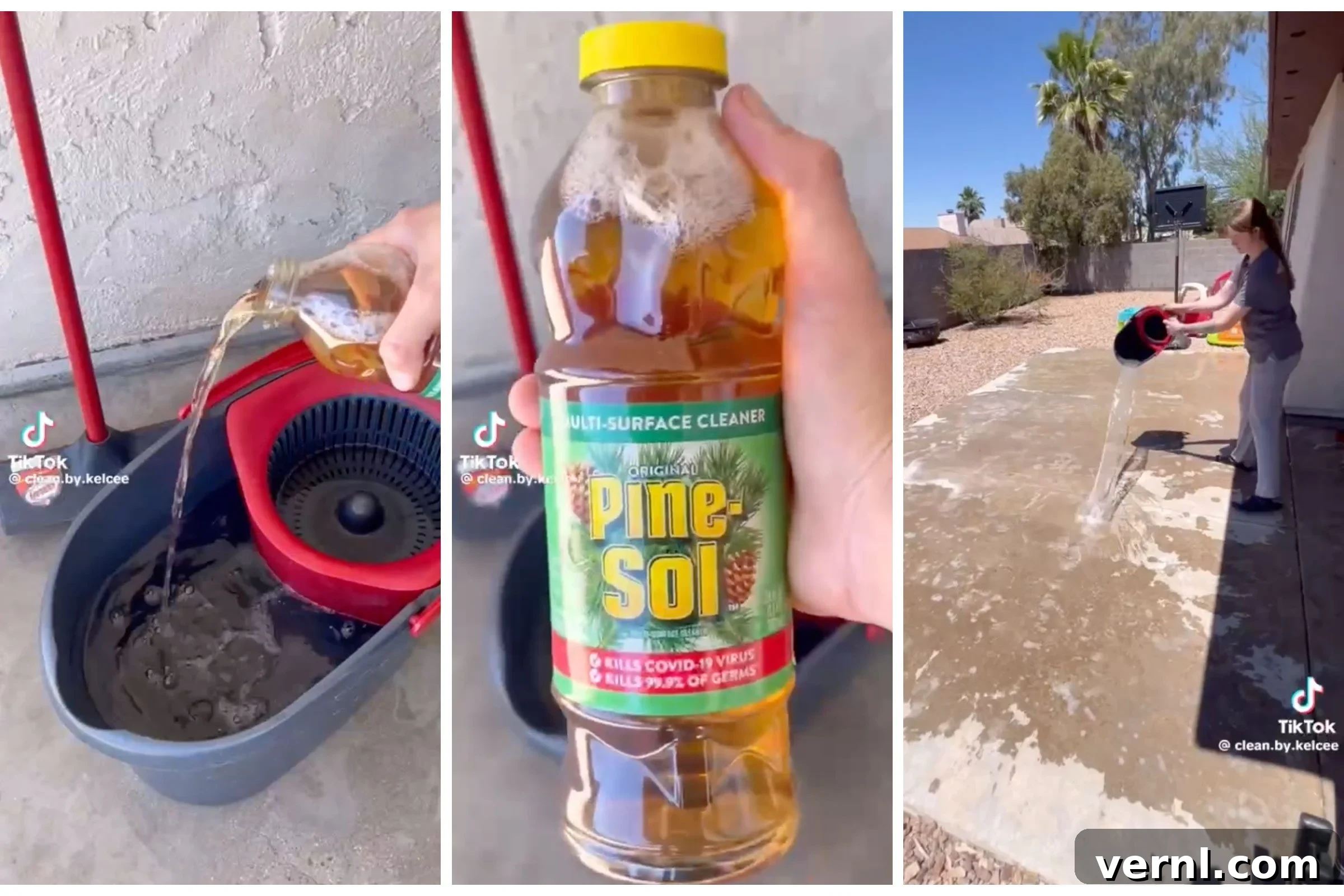
The Pine-Sol fly repellent hack, widely shared and replicated across TikTok, offers a straightforward yet seemingly effective solution to combat outdoor fly infestations. The primary application of this method focuses on cleaning and treating outdoor hard surfaces, most notably concrete patios, to create a fly-deterring zone.
The Patio Treatment Method: Step-by-Step
To implement the core Pine-Sol hack for your patio, you will need just a few items:
- Pine-Sol Cleaner: Opt for the original scent or formulas enhanced with lemon or lavender for potentially better results.
- Water: Regular tap water will suffice.
- A Bucket: For mixing the solution.
- A Long-Handled Scrub Brush: Ideal for reaching all areas of your concrete patio without excessive bending.
Once you have your supplies ready, follow these simple steps:
- Prepare the Mixture: In your bucket, combine Pine-Sol and water using a 50:50 ratio. This means for every cup of Pine-Sol, you should add one cup of water. This dilution ensures the product is effective without being overly concentrated, making it safer for larger applications.
- Apply and Scrub: Pour a section of the mixture onto your concrete patio. Using the long-handled scrub brush, vigorously scrub the surface. Focus on working in manageable sections, ensuring thorough coverage across the entire patio area. The scrubbing action not only distributes the repellent but also helps to clean away any existing grime or potential fly attractants.
- No Rinsing Required: A key aspect of this hack is that rinsing is explicitly not needed. Allow the Pine-Sol and water mixture to air dry naturally on the concrete surface. This allows the active repellent ingredients to remain on the surface and continue working.
- Enjoy a Fly-Free Zone: Once the patio is completely dry, you can safely replace your outdoor furniture and immediately begin enjoying a noticeably more fly-free environment. The lingering scent and residue are intended to deter flies from settling in the treated area.
Alternative Applications for Targeted Protection
While treating an entire patio is effective, this hack also offers versatile alternatives for smaller areas or specific items. For instance, Katie Femia, a gardening expert and creator of The Homespun Hydrangea, suggests a more targeted approach for outdoor furniture. “Clean outdoor tables and chairs with Pine-Sol and a soft cloth prior to use,” she advises. This method is excellent for ensuring surfaces where food and drinks are placed remain unappealing to flies.
Similarly, Janet Thaeler from Clean Freak and Germaphobe recommends focusing on entry points. She suggests preparing a diluted mix of one part Pine-Sol to two parts water and spraying and wiping it onto window sills, doors, or other common problem areas where flies tend to gather or try to enter your home. This creates a barrier at crucial thresholds, preventing flies from becoming an indoor nuisance as well as an outdoor one.
These supplementary methods highlight the adaptability of the Pine-Sol hack, allowing users to tailor its application to their specific needs and problematic areas without having to treat every square foot of their outdoor living space.
The Science Behind the Scent: Does Pine-Sol Truly Repel Flies?
One of the most pressing questions surrounding any viral home remedy is its scientific validity. In the case of the Pine-Sol hack, experts largely agree that there’s a compelling reason why it appears to keep flies at bay. The answer lies in its distinct chemical composition, particularly certain aromatic compounds.
Chemistry professor Bill Carroll explains, “Products that contain natural oils like pine oil can repel flies.” While modern Pine-Sol formulations may no longer contain actual pine oil – a common misconception due to its name – Carroll clarifies that “it does contain limonene, which is a component of pine oil.” This distinction is crucial, as limonene is the key player in its fly-repelling capabilities.
Limonene: The Active Repellent
Limonene is a naturally occurring cyclic terpene, a colorless liquid at room temperature with a strong citrus scent. It’s a major component in the oils of citrus fruit peels and, significantly, is also found in many pine species. Its presence in Pine-Sol gives the cleaner its characteristic fresh, clean aroma – an aroma that flies, it turns out, find highly undesirable.
The Environmental Protection Agency (EPA) provides further validation for limonene’s insect-repelling properties. According to their records, limonene is a registered ingredient in at least 15 different insect repellent and pesticide products. This official recognition underscores its proven efficacy in pest control, suggesting that its inclusion in Pine-Sol is not merely coincidental but an active contributor to its observed repellent effect.
Flies, like many insects, rely heavily on their sense of smell to locate food sources, mates, and suitable breeding grounds. Strong, pungent scents – particularly those they haven’t evolved to associate with sustenance or safety – can overwhelm their sensory receptors, effectively disorienting them and driving them away. As Katie Femia notes, “Flies love many scents, but pine, lemon, and lavender are not included in that list.” This explains why Pine-Sol formulas containing these specific scent profiles, such as those with lavender or lemon oils, might offer even better results, as these essential oil components often contain their own volatile compounds that are irritating to flies.
Beyond Repellency: Eliminating Attractants
Beyond its direct repellent action through smell, Janet Thaeler highlights another significant benefit of using Pine-Sol for cleaning floors and surfaces: it actively removes attractants. Flies are inherently drawn to organic matter, food spills, crumbs, decaying substances, and even residual sugar from spilled drinks. By thoroughly cleaning your patio or outdoor surfaces with Pine-Sol, you are not only applying a repellent but also eliminating the very things that attract flies in the first place.
This dual action – both repelling existing flies and preventing new ones from being drawn in – makes the Pine-Sol hack a powerful component of an integrated pest management strategy for outdoor spaces. It turns a mundane cleaning task into an effective pest control measure, contributing to a cleaner and more comfortable environment.
Ensuring Safety: Important Precautions for Using the Pine-Sol Hack
While the Pine-Sol hack offers an appealing solution for fly control, understanding and adhering to safety guidelines is paramount. The general consensus from experts and product manufacturers is that using Pine-Sol as directed for this hack is indeed safe, but certain precautions must be observed to prevent adverse effects.
General Safety Guidelines
According to the Pine-Sol product page by The Clorox Company, the cleaner is biodegradable and generally safe for use around pets when used appropriately. However, “safe for use” does not mean contact is harmless, especially when wet.
- Allow Drying Time: Janet Thaeler strongly advises waiting until treated areas have completely dried before allowing children or pets near them. While Pine-Sol is not highly toxic, direct contact with wet cleaning solutions can cause skin irritation or other mild reactions. Once dry, the active repellent compounds remain, but the surface is safer to touch.
- Avoid Direct Contact: As with any household cleaner, it is crucial to “avoid direct contact with your skin, eyes or mouth.” Always wear protective gloves during application to prevent skin irritation. If contact occurs, rinse thoroughly with water. In case of eye contact, flush with water for several minutes and seek medical attention if irritation persists.
- Do Not Ingest: Pine-Sol is a cleaning product and should never be ingested by humans or animals. Store the product securely out of reach of children and pets.
- Food and Tableware: Never spray Pine-Sol directly onto food, food preparation surfaces, or tableware. If you are cleaning an outdoor dining table, ensure it is thoroughly wiped down with plain water after the Pine-Sol application and allowed to dry before placing food on it.
Crucial Mixing and Application Warnings
The integrity of the Pine-Sol hack and your safety hinge on proper dilution and avoiding hazardous mixtures.
- Only Mix with Water: When preparing your Pine-Sol solution for this hack, only mix it with water. It is critically important not to combine Pine-Sol with other chemicals or cleaning products, especially those containing bleach or ammonia. Mixing different cleaners can lead to dangerous chemical reactions, producing toxic gases that can cause severe respiratory issues, chemical burns, or even be fatal. Always read the product label for specific warnings regarding mixing.
- Ventilation is Key: Even with simple water dilution, ensure you are working in a well-ventilated outdoor area. While the fumes are less dangerous than when mixed with other chemicals, good airflow prevents the buildup of strong odors that could be irritating.
- Surface Compatibility: Exercise caution when applying Pine-Sol to certain surfaces. Specifically, avoid using Pine-Sol on a wood deck that is unsealed, oiled, or made of aged wood. The strong cleaning agents can potentially strip away natural oils, damage the wood finish, or cause staining and discoloration. For these types of wood surfaces, opt for cleaning products specifically formulated for wood care, or test the Pine-Sol solution in an inconspicuous area first to observe any adverse reactions. Concrete, tile, and most composite decking materials are generally safe for this application.
- Proper Disposal: After completing the hack, dispose of any leftover diluted Pine-Sol mixture responsibly. Do not pour large quantities down storm drains, as this can affect local water systems. Instead, pour it down a household drain with plenty of running water, or check local regulations for chemical disposal if you have significant quantities remaining.
By following these comprehensive safety precautions, you can effectively utilize the Pine-Sol fly repellent hack while ensuring the well-being of your family, pets, and outdoor environment. A little vigilance goes a long way in harnessing the power of household cleaners safely and effectively.
About the Experts
To provide a well-rounded and authoritative perspective on this trending hack, we consulted several distinguished experts in chemistry, gardening, and home cleaning:
- Bill Carroll, Ph.D., is an esteemed adjunct professor of chemistry at Indiana University. With a robust background that includes serving as the former vice president of industry issues for Occidental Chemical Corporation, Dr. Carroll currently leads Carroll Applied Science in Dallas, Texas. His expertise offers valuable insights into the chemical properties and safety aspects of household products.
- Katie Femia is a recognized author, seasoned gardening expert, and the creative force behind The Homespun Hydrangea. This popular lifestyle blog is a treasure trove of engaging content, featuring everything from delightful recipes and practical DIY tutorials to insightful product reviews, all presented with her signature approachable style.
- Janet Thaeler stands as an authoritative figure in the realm of home cleanliness as an expert cleaner at Clean Freak and Germaphobe. This highly popular website and accompanying YouTube channel are dedicated to sharing a wealth of home-cleaning tips, ingenious hacks, and effective organizing strategies. Since launching the site in 2018, Janet has cultivated a significant following, boasting over 240,000 subscribers who rely on her practical and reliable advice.
Sources
The information presented in this article is supported by reliable scientific and product information:
- United States Environmental Protection Agency: Registered Eligibility Decision (RED) Fact Sheet: Limonene (1994)
- The Clorox Company, Pine-Sol official product page: Cleaner Safety (2024)