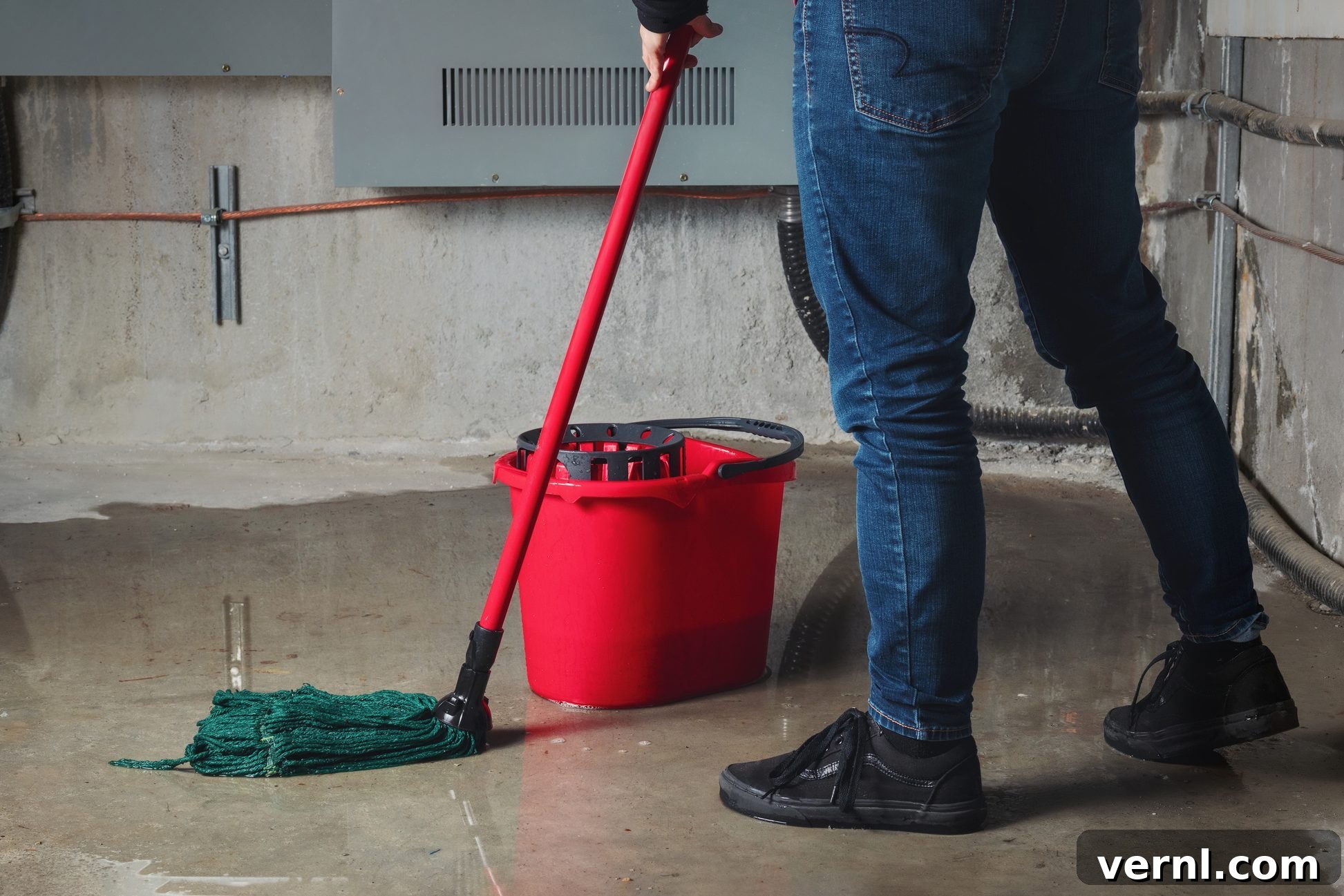
When was the last time you gave your basement the attention it deserves? For many homeowners, the basement often falls to the very bottom of the cleaning priority list, becoming an easily forgotten space. Unless an emergency like a flood necessitates immediate action, or a repair technician requires access, this foundational area of your home often remains out of sight and, unfortunately, out of mind. However, overlooking your basement can have significant repercussions for your home’s overall health, cleanliness, and even its structural integrity.
As emphasized by professional home cleaner Andrii Gurskyi, co-founder of the New York City maid service HomeClean, “Basements are often overlooked, but they play a significant role in your home’s overall cleanliness and health.” It’s crucial not to neglect this vital area. A dirty or damp basement can become a breeding ground for various issues: mold spores and dust can easily migrate upstairs through air currents, potentially affecting indoor air quality and triggering allergies or respiratory problems. Furthermore, neglected basements are notorious for harboring pests such as insects and rodents, which can then find their way into other living areas of your home.
Before diving into cleaning tasks, Gurskyi advises homeowners to be vigilant for potential hazards. He highlights a critical concern, particularly in older homes: “Older homes may contain asbestos in insulation, tiles, or other materials.” Asbestos is a hazardous material that, when disturbed, can release dangerous fibers into the air, posing severe health risks. “If you suspect asbestos, contact a professional for testing and removal,” Gurskyi stresses. “Disturbing asbestos-containing materials without proper training and equipment can release dangerous fibers into the air, making professional intervention essential for safety.” Always prioritize safety and professional assessment if you encounter suspicious materials.
How Often Should You Clean Your Basement?
The frequency with which you should clean your basement largely depends on whether it is a finished or unfinished space, and how it is utilized. Understanding these distinctions will help you establish a realistic and effective cleaning schedule.
Cleaning Finished Basements
If your basement is a finished space, designed and furnished as an integrated part of your home’s living area – perhaps a family room, an extra bedroom, a home office, or a gym – it demands the same rigorous attention as any other room in your house. “Since finished basements are integrated living spaces, they require the same attention as other areas of your home,” Gurskyi explains. This means aiming for at least weekly cleaning. Regular maintenance is vital to ensure these spaces remain inviting, healthy, and free from common household grime. Pay particular attention to all flooring surfaces, especially carpets which can trap dust and allergens. High-touch surfaces like doorknobs, light switches, and remote controls also need regular disinfecting. Additionally, couches, armchairs, and other soft furnishings can accumulate food crumbs, dust, pet hair, and dander, requiring frequent vacuuming and spot cleaning to maintain freshness and hygiene. Maintaining good air circulation and checking for any signs of moisture is also crucial in finished basements to prevent musty odors or mold growth, which can quickly compromise comfort and air quality.
Cleaning Unfinished Basements
Unfinished basements, typically used for storage, laundry, or housing utility systems, generally don’t require daily or weekly cleaning, but they certainly shouldn’t be ignored for extended periods. Gurskyi recommends cleaning them at least monthly. “Regular cleaning prevents dust, debris and allergen buildup, contributing to a healthier home environment,” he notes. Even though they aren’t primary living spaces, dust, cobwebs, and allergens can still accumulate rapidly, circulating throughout your home. Monthly cleaning helps to manage this buildup, reduces the likelihood of pest infestations, and allows you to routinely inspect for potential issues like leaks, mold, or structural concerns. If your unfinished basement serves as a frequent workspace, a home gym, or if you regularly access stored items, you may want to increase the cleaning frequency to every two to three weeks to keep the environment manageable and clean. Regardless of use, a consistent cleaning schedule helps mitigate dampness, musty odors, and keeps potential problems in check before they escalate.
What You Need To Clean Your Basement
While many of your standard upstairs cleaning supplies, such as multi-surface cleaners, sanitizers, and microfiber cloths, are versatile enough to pull double duty in your basement, certain specialized tools can make the task more efficient, effective, and safer. Gurskyi suggests investing in a few basement-specific items:
- A high-quality shop vacuum is indispensable for heavy-duty basement cleaning. Unlike standard household vacuums, shop vacs are built to handle larger debris, dirt, and even liquids. Look for a model with a robust motor for strong suction, a wet/dry function to tackle spills or damp areas, and ideally, a HEPA filter to capture fine dust particles, allergens, and mold spores. Various attachments, such as crevice tools and brushes, will also enhance its versatility for reaching tight corners and cleaning different surfaces, from concrete floors to shelving.
- An air purifier with a HEPA filter is a game-changer for improving air quality in a basement. Basements are often prone to mustiness and can harbor mold spores, dust mites, and pet dander. An air purifier helps to remove these airborne contaminants, making the air healthier to breathe. Ensure you size the air purifier correctly for the square footage of your basement for optimal performance. Consider models with additional features like activated carbon filters for odor removal, or UV-C light technology for enhanced germ-killing capabilities, particularly useful in damp environments where bacteria and viruses might thrive.
- A durable scrub brush with an extendable handle will save your back and provide access to hard-to-reach areas. Basements often have concrete floors, unfinished walls, or high ceilings that accumulate stubborn grime. Opt for a brush with stiff bristles for tackling deeply embedded dirt, mildew, or stains on concrete and grout. For more delicate surfaces, such as painted walls or certain types of flooring, a brush with softer bristles will be more appropriate. An extendable handle allows you to clean high walls, ceilings, and behind large appliances without needing a ladder, enhancing safety and convenience.
- A dehumidifier with a built-in hygrometer is crucial for controlling humidity levels in the basement, which is often the primary cause of mold growth, musty odors, and pest attraction. The hygrometer allows you to monitor the relative humidity, ideally keeping it between 30% and 50%. Choose a model that is appropriately sized for your basement’s square footage and features an auto-shutoff function to prevent overflow when the reservoir is full. For best results and to maintain efficiency, regularly empty the water reservoir and clean the filter according to the manufacturer’s instructions. Some models offer continuous drain options, which can be connected to a floor drain for hands-free operation.
Additionally, always have on hand: sturdy rubber gloves to protect your hands, safety glasses for eye protection when cleaning dusty or chemical-heavy areas, a few buckets for water and cleaning solutions, and a variety of sponges and rags.
Quick Basement Cleaning Chores
For regular weekly or monthly maintenance, treat your basement with the same routine care you give the rest of your home. This involves basic cleaning and disinfecting surfaces, vacuuming, and dusting to prevent accumulation and maintain a healthy environment. Here are the specifics, as recommended by Gurskyi:
- Vacuum Thoroughly: Utilize a HEPA-filter vacuum cleaner to remove dust, dirt, and allergens from carpeted floors, rugs, and any upholstered furniture. The HEPA filter is essential in a basement environment to trap fine particles, including mold spores. Don’t forget to use the vacuum wand and its attachments to reach into corners, along baseboards, and behind furniture where cobwebs, dust bunnies, and dirt frequently settle. Pay attention to vents and pipes where dust can gather.
- Clean and Disinfect Surfaces: Regularly wipe down all accessible surfaces with a microfiber cloth dampened with an all-purpose disinfecting cleaner. This includes countertops, utility sinks, shelving units, light switches, doorknobs, and stair rails. These are high-touch areas that can harbor germs and grime. For plastic or metal storage bins, give them a quick wipe to remove accumulated dust.
- Dust All Surfaces: Dusting is critical in basements, where air circulation can be limited and dust tends to settle more heavily. Remove dust from light fixtures, exposed pipes, plants (if any), windowsills, and walls. Microfiber cloths are superior to traditional feather dusters as they effectively trap and remove tiny dust particles rather than just scattering them into the air. For hard-to-reach areas, an extendable duster can be very useful.
- Mop the Floor: If you have a concrete basement floor, which is very common, choose a cleaner specifically formulated for concrete surfaces. These cleaners are designed to penetrate and lift dirt without damaging the concrete. Alternatively, a simple solution of warm water and mild dish soap can work for general cleaning. After mopping, ensure the floor is rinsed well to remove any soap residue and allowed to dry completely to prevent moisture buildup, which can lead to musty odors or mold. For vinyl or tiled basement floors, use an appropriate cleaner recommended for those materials.
Consistent attention to these quick chores will significantly improve the cleanliness and air quality of your basement, making it a more functional and less problematic space.
Basement Deep Cleaning Tasks
Beyond routine maintenance, your basement warrants a thorough deep clean at least twice a year. This comprehensive cleaning not only eradicates hidden grime and accumulated dust but also provides a crucial opportunity to inspect areas you don’t typically see. Basements are inherently prone to dampness and can develop a musty odor, making them ideal environments for mold and pests. A biannual deep clean allows you to recognize and address these problems proactively before they escalate into significant issues. Consider scheduling these deep cleans during transitional seasons, such as spring (after winter’s dampness) and fall (before winter’s closed-up conditions).
- Clean Behind Furniture and Appliances: Begin by carefully pulling everything away from the walls – this includes large storage units, laundry machines, and any furniture. This exposes hidden areas that accumulate massive amounts of dust, cobwebs, and potential pest nests. Use your HEPA-filtered shop vacuum to thoroughly clean these newly exposed floor and wall surfaces. After vacuuming, wipe down the walls, baseboards, and the backs of appliances with an all-purpose disinfecting cleaner. Also, check behind appliances for any signs of leaks or damage to hoses and connections.
- Wash Walls and Baseboards: Over time, basement walls and baseboards can accumulate dust, grime, and even mildew, especially in unfinished areas. For general cleaning, a mild detergent mixed with water will suffice. For concrete walls, particularly those showing efflorescence (white, powdery mineral deposits) or stubborn stains, opt for a specialty cleaner designed for concrete surfaces. For painted walls, use a gentle cleaner that won’t strip the paint. Always test a small, inconspicuous area first. While cleaning, inspect walls and baseboards closely for any cracks, moisture stains, or signs of mold growth, which could indicate a larger structural or moisture problem.
- Clean and Inspect Air Vents and Ductwork: Dust accumulates rapidly in air vents, restricting airflow and recirculating allergens throughout your home. Dust the exterior of all air vents and use your vacuum’s brush attachment to clean reachable areas of your ductwork. Ensure that return air vents are free of obstructions. While a homeowner can handle superficial cleaning, consider bringing in a professional duct cleaner every few years, especially if you notice excessive dust, persistent odors, or a recent pest infestation, as they have specialized equipment to clean the entire system.
- Organize and Declutter: A deep clean is the perfect opportunity to declutter your basement. Go through all stored items. Get rid of anything damaged, moldy, or items you no longer use or need. This frees up space, reduces fire hazards, and eliminates potential hiding spots for pests. Sort your remaining belongings into categories. Invest in sturdy, clear, airtight storage bins to protect items from dust, moisture, and pests. Label the outsides of these bins clearly for easy identification and access. Utilize vertical shelving to maximize space and keep items off the floor, further preventing moisture damage.
- Inspect for Leaks and Moisture: This is arguably one of the most crucial deep cleaning tasks. While clearing and cleaning, meticulously inspect your basement for any signs of water intrusion. Check around windows, doors, pipes, and the foundation for cracks, damp spots, or water stains. Examine the ceiling for any drips or water marks, which could indicate a leak from upstairs plumbing. Address any identified leaks immediately, as prolonged moisture is the primary cause of mold, mildew, and structural damage.
- Clean Light Fixtures and Change Bulbs: Basements are often dimly lit. A deep clean is an excellent time to wipe down all light fixtures, covers, and bulbs to maximize light output. Replace any burnt-out or dim bulbs with energy-efficient LED alternatives. Better illumination not only makes the space more pleasant but also helps you spot dirt, potential hazards, and pests more easily during future inspections.
Basement Cleaning Services
While routine basement cleaning and even deep cleaning can largely be managed by a diligent homeowner, certain problems warrant the expertise of a professional cleaning or restoration service. If you encounter any of the following issues, Gurskyi advises considering professional help:
- Standing Water, Flooding, and Damage from Leaks: Any significant water event in your basement, whether from heavy rains, burst pipes, or persistent leaks, requires immediate professional attention. Water restoration and cleaning companies possess specialized equipment to swiftly remove large volumes of water, thoroughly dry the affected areas, and sanitize your basement to prevent mold and bacterial growth. They can also assess structural damage and address underlying moisture issues that could lead to long-term problems. The longer water sits, the more extensive the damage and the higher the risk of mold.
- Persistent Musty Odors: If your basement consistently emits a strong, musty odor that doesn’t dissipate with regular cleaning and dehumidification, it’s a red flag. This smell is often an indicator of hidden mold growth or a deeply embedded moisture problem that you can’t locate or resolve on your own. An air quality expert can accurately diagnose the source of the odor, identify hidden mold or moisture issues, and recommend appropriate cleaning and remediation solutions to eliminate the smell and its underlying cause.
- Significant Mold Growth: While small patches of mold and mildew might be DIY-able, especially if contained to a tiny, superficial area, extensive or recurring mold growth should always be handled by professionals. “Significant” mold typically means an area larger than 10 square feet, or if you suspect it’s growing behind walls or in insulation. Mold remediation specialists have the training, protective gear, and specialized chemicals to safely contain, remove, and prevent the return of mold, protecting both your home and your health from hazardous spores. If you’re not comfortable or equipped to handle the extent of the mold, calling in a pro is the safest option.
- Pest Infestations: If you discover a widespread or recurring infestation of rodents, insects (like cockroaches, termites, or carpenter ants), or other pests, it’s time to call a professional pest control service. They can identify the type of pest, locate entry points, eliminate the current population, and implement preventative measures to keep them from returning. A dirty basement often attracts pests, but professional intervention is necessary for eradication.
- Asbestos or Lead Abatement: As previously mentioned, if testing confirms the presence of asbestos-containing materials (ACMs) or lead paint, especially if they are damaged or require removal, never attempt to handle it yourself. Certified asbestos and lead abatement professionals are required by law to safely encapsulate or remove these hazardous materials following strict safety protocols and disposal regulations. This ensures your safety and compliance with environmental regulations.
Understanding when to enlist professional help not only ensures the job is done correctly and safely but also protects your family’s health and the long-term integrity of your home.