
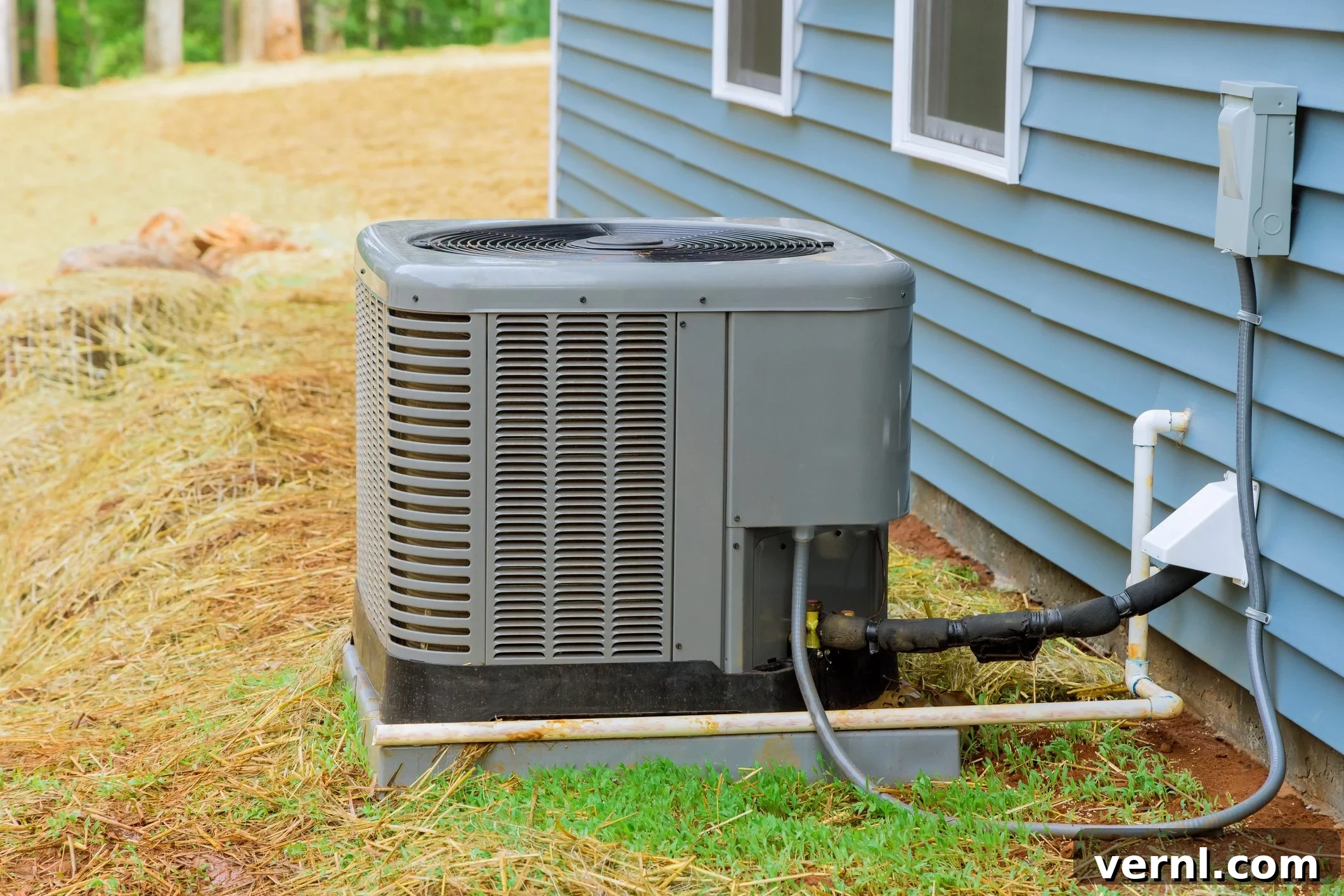
Welcome to New Homeowner Bootcamp, Family Handyman’s essential guide for navigating the challenges of homeownership, from little-known post-purchase tasks to money-saving maintenance and upgrades. This comprehensive article delves into one of the most significant aspects of homeownership: managing and potentially replacing your home’s HVAC system.
A home’s HVAC system, an acronym for Heating, Ventilation, and Air Conditioning, is the unsung hero that ensures your indoor environment remains comfortable year-round. It plays the essential role of keeping a house warm in the winter and cool in the summer, circulating fresh air, and managing humidity. Given its critical function and the substantial investment it represents, understanding when and how to replace an HVAC system is paramount for every homeowner.
Replacing an HVAC system is undoubtedly a major investment, often causing homeowners to delay it longer than they should. This delay, however, is frequently a classic example of being penny-wise and dollar-foolish. In the long run, homeowners often face higher cumulative repair costs that eventually surpass the expense of a new system. Moreover, clinging to an outdated unit means consistently wasting money on inefficient heating and cooling, leading to unnecessarily high energy bills.
According to HVAC pro Tim David, recent upgraded energy efficiency requirements from the Department of Energy are making new HVAC systems more expensive upfront. “Consumers should expect slightly higher costs for equipment, but the significant trade-off is much better efficiency on their energy bills,” he explains. This means while the initial outlay might be higher, the long-term operational savings can be substantial, making a modern system a wise financial decision.
Despite the initial sticker shock, HVAC system replacement is often more cost-effective than continually repairing an outdated, failing system. Consider it akin to constantly spending thousands to keep a 20-year-old car on the road—a vehicle that’s inefficient and prone to breakdowns—versus investing in a modern, fuel-efficient, and reliable model. The upfront cost is higher, but the peace of mind and savings in fuel and repairs quickly add up.
Based on data from HomeAdvisor, the national average cost for installing a new HVAC system hovers around $7,000. However, this figure is a broad average, and the actual cost can vary widely depending on numerous factors specific to your home and location. Understanding these variables is key to accurately budgeting for your new HVAC system.
Factors That Determine the Cost of HVAC System Replacement
The cost of HVAC replacement is not a one-size-fits-all figure. It is influenced by several critical factors, including your geographic location, the specific type of system you choose, and the complexity of the installation. Costs can typically range from $3,000 to $10,000, or even higher for premium, high-efficiency models. Tim David provides more specific insights:
- Electric Furnaces: Installing a new electric furnace can cost around $3,000. These are generally less expensive to purchase and install but can be more costly to operate in areas with high electricity prices.
- Heat Pumps: A new heat pump installation typically ranges from $5,000 to $8,000. Heat pumps offer both heating and cooling, making them a versatile and increasingly popular choice due to their energy efficiency.
A significant advantage for homeowners considering energy-efficient upgrades is the availability of government subsidies. David highlights, “With the subsidies now in place for upgrading your home to be more energy efficient, you can claim up to $2,000 as a write-off.” Furthermore, if you combine this with improvements to your home’s insulation and windows, “that could be another $1,200” in potential savings. It is important to note that the $2,000 subsidy specifically applies to heat pump installations, aligning with the Biden Administration’s initiative to prioritize electric home heating methods.
If your home currently uses a gas furnace and you prefer to continue with a gas-powered system, replacing your furnace will generally range from $3,800 to $10,000. Opting for a high-efficiency model, which offers significant long-term energy savings, may slightly increase this initial cost. For homes heated with oil, oil furnace replacement will typically run between $6,750 and $10,000. The precise cost within these ranges is determined by several specific elements:
- The brand and model of the equipment selected; premium brands or models with advanced features often come at a higher price point.
- The size of your home and the associated heating/cooling load, which dictates the capacity (BTUs or tons) of the required system.
- Your climate zone, as harsher climates may require more robust and higher-capacity systems, impacting both equipment and installation costs.
- The local cost of labor, which varies significantly by region and contractor.
- The complexity of the installation, including modifications to existing ductwork, electrical upgrades, and the removal and disposal of the old unit.
- The energy efficiency ratings (e.g., SEER for AC, AFUE for furnaces, HSPF for heat pumps) of the new system; higher ratings typically mean higher upfront costs but greater long-term energy savings.
Signs That It’s Time for a New HVAC System
Knowing when to replace your HVAC system rather than simply repairing it can save you significant money and headaches. Tim David outlines clear indicators that signal it’s time for an upgrade:
- Age of the System: If your HVAC system is at least 15 years old, it’s likely approaching or has exceeded its expected lifespan. Older systems inherently operate with lower efficiency compared to modern units.
- Frequent Repairs: A strong warning sign is needing to call an HVAC technician at least once a year for three consecutive years. Consistent breakdowns indicate underlying issues that are becoming chronic and costly.
- High Repair Costs: If the cost of a single repair approaches 50% of the cost of a brand new system, David advises opting for replacement. “Most likely, something major is going on,” he says. Trying to fix one major component in an aging system can put “unnecessary stress to other older parts that don’t get replaced,” leading to a cascade of future failures.
- Rising Energy Bills: If your heating and cooling bills are steadily climbing without a corresponding increase in usage, your system is likely losing efficiency and consuming more energy than it should to maintain comfort.
- Inconsistent Heating and Cooling: Are some rooms too hot while others are too cold? This could indicate a poorly performing system, inadequate ductwork, or a system that is improperly sized for your home.
- Unusual Noises or Odors: Grinding, squealing, banging, or persistent musty smells and burning odors coming from your unit are all red flags that your system is in distress and could pose a safety hazard.
- Excessive Dust or Humidity: An old, failing system may struggle to filter air effectively or control humidity levels, leading to poor indoor air quality and discomfort.
- Yellow Pilot Light (for gas furnaces): A yellow or flickering pilot light instead of a strong blue flame can indicate incomplete combustion, potentially releasing dangerous carbon monoxide. This is a critical safety concern requiring immediate professional attention.
All these conditions point to a system that is functioning at a lower efficiency than it should, wasting energy, costing you money, and potentially compromising your home’s comfort and safety.
DIY vs. Hiring Professionals for HVAC Installation
While the allure of saving on labor costs might tempt some homeowners to attempt a DIY HVAC installation, Tim David strongly advises against it. “HVAC systems are complex, require permits and specialized tools, and involve safety hazards,” he warns. The risks associated with improper installation are numerous and significant:
- Poor Performance: An incorrectly installed system will not operate at its peak efficiency, leading to higher energy bills and inadequate heating or cooling.
- Safety Hazards: HVAC systems involve electricity, refrigerants, and, for gas furnaces, natural gas lines. Improper handling of these components can result in electrical fires, gas leaks, carbon monoxide poisoning, or refrigerant leaks.
- Permit and Code Violations: Most localities require permits for HVAC installations to ensure they meet safety and building codes. DIY installations often bypass these, potentially leading to fines or difficulty selling your home later.
- Voided Warranty: This is a crucial point. Most HVAC parts manufacturers require installation by licensed and certified HVAC contractors for the product warranty to be valid. A DIY installation will almost certainly void your warranty, leaving you responsible for the full cost of any future repairs or replacements.
David further explains, “Even if you have the necessary skills, although you will be able to save on labor costs, DIY installation can result in unforeseen additional costs due to mistakes, safety hazards, and the need to hire a professional to fix any issues that arise.” In essence, what seems like a cost-saving measure upfront can quickly become a much more expensive and dangerous ordeal down the line.
Hiring a professional ensures the system is correctly sized, installed according to manufacturer specifications and local codes, and that all safety protocols are followed. It also guarantees your warranty remains intact and that your system performs optimally, providing comfort and energy efficiency for years to come.
Questions To Ask HVAC Contractors
When selecting an HVAC contractor, especially with government subsidies for energy-efficient upgrades currently in effect, it’s vital to be prepared with a list of informed questions. A reputable contractor is your best resource for navigating these options and ensuring a proper installation. Here are key questions to ask:
- Is my home a good candidate for a heat pump system? What are the potential benefits and drawbacks for my specific climate and existing infrastructure?
- If I want to continue using gas, is it worth it to upgrade to a high-efficiency furnace? What are the expected energy savings and payback period for such an investment?
- Will it make any significant difference to my comfort level and energy bill if I spend more money for a system with a higher efficiency rating than the minimum required? Can you provide a cost-benefit analysis?
- Will this HVAC replacement involve any changes to other components of the system, including the air handler, thermostat, or ductwork? If so, what are the associated costs and benefits of these upgrades?
- Are you familiar with current federal, state, and local rebates or tax credits for HVAC upgrades, particularly for energy-efficient models or heat pumps? Can you help me apply for these incentives?
- Can you provide a detailed, written estimate that breaks down all costs, including equipment, labor, permits, and any potential modifications?
- What warranties do you offer on both the equipment and the installation labor?
- Do you offer any post-installation support or maintenance plans to ensure the longevity and efficiency of my new system?
Beyond these specific questions, always perform due diligence before hiring any contractor. Verify their licensing and insurance, and inquire about how long they’ve been in business. To avoid overcharging or substandard service, it’s also a good idea to check references and reviews on social media, industry websites, and consumer protection platforms. Getting multiple quotes from different reputable contractors is always recommended to compare pricing and proposals.
FAQ
What is a heat pump?
A heat pump is an electrical device that efficiently moves thermal energy from one location to another. Unlike traditional furnaces that generate heat, heat pumps transfer existing heat. In the winter, they extract heat from the outside air (even cold air contains thermal energy) and transfer it indoors. In the summer, they reverse the process, moving heat from inside your home to the outside, effectively cooling your space. An air conditioner is a type of heat pump that only works in one direction (for cooling), while a true heat pump can work bi-directionally to both heat and cool a home using a refrigerant cycle.
Is a portable air conditioner enough to cool my house?
Portable air conditioners and portable heat pumps (yes, they have those too) are generally not as efficient or powerful as window-mounted units or central HVAC systems. They are designed to provide some measure of climate control in a single, smaller room. While they can offer temporary relief, they usually lack the capacity to keep an entire house comfortable, especially during peak summer heat. For whole-home comfort and efficiency, a central HVAC system or a multi-zone mini-split system is far more effective.
How often should I get my HVAC system serviced?
For optimal performance, efficiency, and longevity, it is generally recommended to have your HVAC system professionally serviced at least once a year. Ideally, you should schedule two check-ups annually: one for your heating system in the fall before winter sets in, and another for your cooling system in the spring before summer begins. Regular maintenance helps identify minor issues before they become major problems, keeps the system running efficiently, maintains indoor air quality, and can extend the overall lifespan of your unit.
What are SEER, AFUE, and HSPF ratings?
These are industry standards for measuring the energy efficiency of HVAC equipment:
- SEER (Seasonal Energy Efficiency Ratio): This rating applies to air conditioners and heat pumps in cooling mode. It measures the cooling output over a typical cooling season divided by the total electric energy input during the same period. A higher SEER rating indicates greater energy efficiency.
- AFUE (Annual Fuel Utilization Efficiency): This rating applies to furnaces and boilers and measures how efficiently the fuel (natural gas, oil, or propane) is converted into usable heat over a heating season. An AFUE of 90% means that 90% of the fuel’s energy is used for heating, while the remaining 10% is lost through the chimney or exhaust. Higher AFUE ratings signify better efficiency.
- HSPF (Heating Seasonal Performance Factor): This rating applies specifically to heat pumps in heating mode. It measures the total heating output during a typical heating season divided by the total electric energy consumed during the same period. A higher HSPF rating indicates a more efficient heat pump for heating.
Understanding these ratings is crucial when choosing a new system, as they directly impact your long-term energy costs.
About the Expert
- Tim David is an HVAC pro with more than 25 years of experience in the industry and currently serves as the CEO of Airlucent.com. His expertise provides invaluable insights into the complexities of HVAC systems and their maintenance.
Sources
- Home Advisor: How Much Does It Cost to Install or Replace an HVAC System in 2025? This source provides up-to-date national average cost data for HVAC installation and replacement.