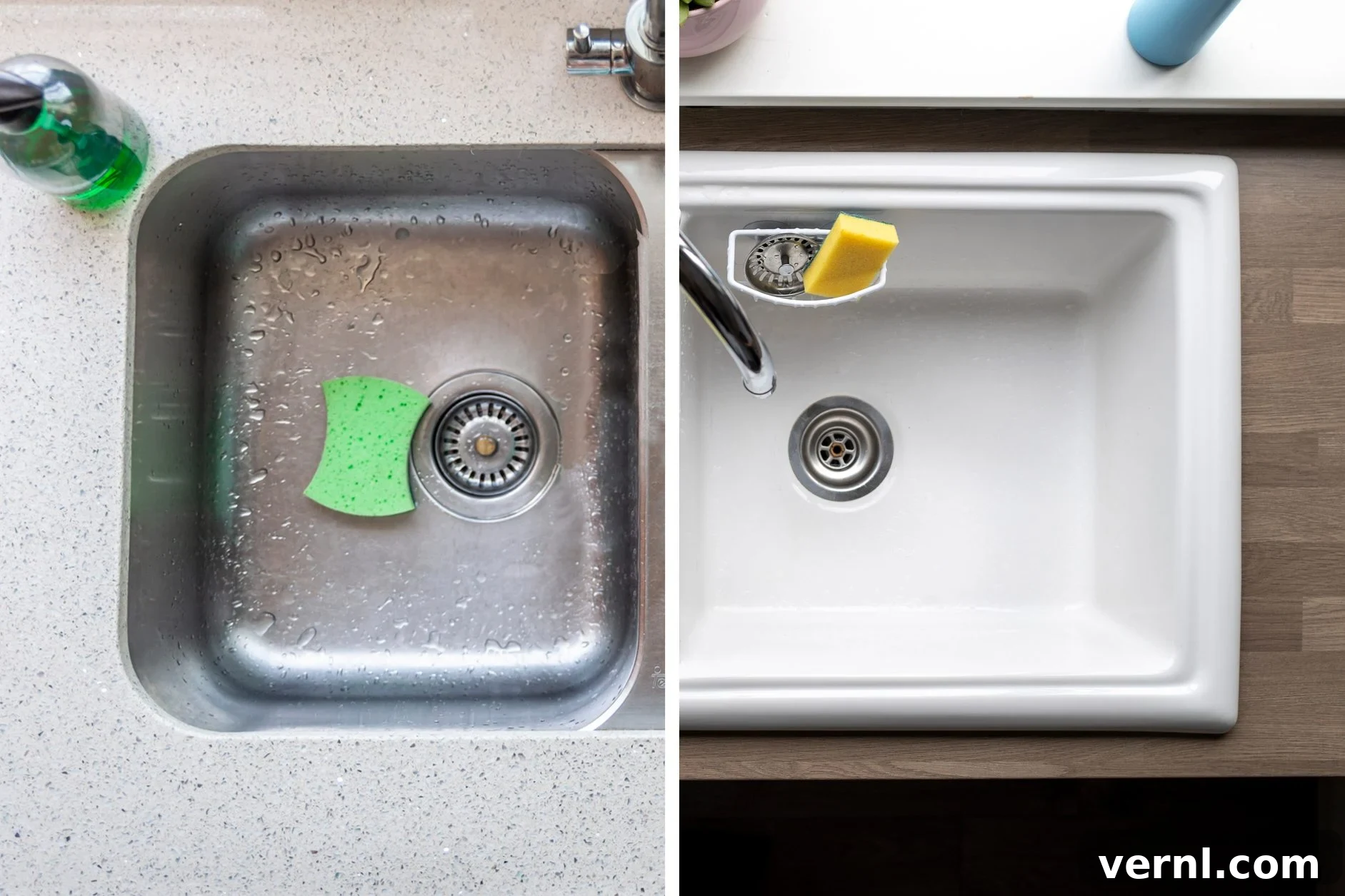
Undermount vs. Drop-in Sinks: The Ultimate Guide to Choosing Your Perfect Sink
Choosing the right sink is a critical decision in any kitchen or bathroom renovation, impacting both the functionality and aesthetics of your space. For centuries, the humble basin has evolved from simple water receptacles to sophisticated fixtures, becoming central to our daily routines. Today, the primary choice for most homeowners often comes down to two popular styles: undermount sinks and drop-in (also known as top-mount) sinks.
While both fundamentally serve the same purpose – providing a basin for water – their installation methods and resulting visual impact are vastly different. Understanding these differences, along with their respective advantages and disadvantages, is key to making an informed decision that aligns with your design preferences, budget, and lifestyle. This comprehensive guide will delve into the intricacies of undermount and drop-in sinks, helping you navigate the options and select the ideal fixture for your home.
The Evolution of Sinks: From Basins to Modern Fixtures
The earliest forms of sinks were rudimentary basins, often carved from stone or shaped from ceramic, placed on shelves or stands to provide access to water without the arduous journey to a natural source like a river or lake. These early designs were essentially drainless tubs, filled and emptied manually. Over time, as plumbing technology advanced dramatically, these basins evolved, incorporating integral drains and connecting directly to running water supplies, transforming them into the essential fixtures we recognize today. Even in modern homes, the core concept remains: a practical basin connected to a countertop, either installed from below (undermount) or from above (drop-in).
The modern sink, as we know it, has undergone significant transformations in terms of materials, design, and installation methods. Undermount sinks, with their sleek, integrated look, are a relatively modern innovation, gaining widespread popularity only in the last 50 to 60 years as solid surface countertops became more common and affordable. Conversely, drop-in sinks represent a direct evolution of plumbing trends that have roots stretching back centuries, offering a more traditional and often robust aesthetic that has stood the test of time.
The choice between these two prevalent styles is more than just a matter of personal preference; it’s a strategic decision that can profoundly influence your countertop material selection, installation complexity, and long-term maintenance commitments. Therefore, it’s crucial to consider this choice meticulously during the initial design phase of any new build or renovation project, ensuring it complements both your aesthetic vision and practical needs.
What Is a Drop-In Sink? (Top-Mount Sink)
Also universally known as a top-mount sink, a drop-in sink is distinctly characterized by its prominent rim that rests directly on top of the countertop surface. When installed, the sink is quite literally “dropped into” an appropriately sized opening cut into the counter. The visible lip or flange of the sink is designed to be slightly wider than the cutout, allowing it to comfortably bear the sink’s weight and provide a visually finished, cohesive edge.
Installation Process for Drop-In Sinks
The installation of a drop-in sink is widely considered to be more forgiving and typically straightforward, making it a favored choice for both enthusiastic DIYers and professional installers. After the precise countertop opening is cut, the sink is simply lowered into place from above. To secure it firmly, additional mounting clips or screws are tightened against the underside of the countertop. The critical final step involves meticulously applying a continuous bead of silicone caulk around the entire perimeter where the sink rim meets the countertop. This caulk serves as a vital waterproof seal, rigorously preventing water, food debris, and unseen grime from seeping into the cabinet below, thereby ensuring a hygienic and dry transition area.
Aesthetics and Versatility of Drop-In Sinks
Drop-in sinks exude a traditional and classic aesthetic that possesses remarkable versatility, enabling them to complement a diverse range of kitchen and bathroom styles – from charming rustic farmhouses to sleek, more contemporary designs. Their visible rim can act as a subtle yet effective decorative element, elegantly framing the sink and providing a distinct, appealing break in the continuous flow of the countertop’s surface. This style’s inherent versatility extends to its compatibility with various countertop materials; because the rim effectively conceals any minor imperfections in the rough-cut edge of the countertop opening, drop-in sinks are perfectly suitable for materials such as laminate, tile, solid surface, and even less precisely cut stone, offering broad design flexibility.
What Is an Undermount Sink?
In stark contrast to the drop-in style, an undermount sink is meticulously installed beneath the countertop, creating a strikingly seamless and sleek transition from the counter surface directly into the basin. This innovative installation method imparts the distinct appearance that the sink is an intrinsically integrated part of the countertop itself, significantly contributing to a modern, minimalist, and uncluttered aesthetic.
Installation Process for Undermount Sinks
Undermount sinks are typically held securely and steadfastly to the underside of the counter using a robust combination of strong silicone adhesive and specialized mounting brackets. These durable brackets are frequently secured either with bolts drilled precisely into the countertop material itself or with a powerful epoxy adhesive for maximum, long-lasting stability. Due to the inherent nature of their installation, which mandatorily requires working from below, ample and unobstructed space within the cabinet beneath is absolutely essential. Furthermore, the cutout in the countertop for an undermount sink must be executed with exceptional precision and finely finished, as its edges will be fully exposed, highly visible, and directly interact with the sink’s perimeter.
Countertop Compatibility and Aesthetic Appeal
Because the edges of the countertop opening are entirely visible and directly exposed to water, undermount sinks are traditionally and optimally paired with solid, non-porous countertop materials. These include luxurious marble, durable granite, elegant quartz, or high-performance solid-surface composites. Such materials can be expertly polished, meticulously sealed, and precisely cut to create a clean, elegant edge that is inherently resistant to moisture, preventing swelling or damage over time. The seamless integration of an undermount sink not only significantly enhances the visual appeal and perceived value of a kitchen or bathroom but also drastically simplifies countertop cleaning by allowing crumbs and spills to be effortlessly wiped directly into the sink basin without any obstruction or barrier.
Undermount and Drop-In Sink Materials
Both drop-in and undermount sinks are available in an extensive and diverse array of materials, each presenting unique aesthetic qualities and functional characteristics. The judicious choice of sink material can profoundly influence the fixture’s durability, its overall appearance, the required maintenance regimen, and, ultimately, its total cost. Homeowners enjoy the flexibility to mix and match sink materials with various countertop options; for instance, one might install a robust granite composite drop-in sink into a warm, traditional wooden butcher block countertop, or conversely, pair a sleek stainless steel undermount with a highly polished quartz surface for a modern touch.
Common Sink Materials and Their Characteristics:
- Stainless Steel: A perennial favorite, stainless steel is celebrated for its exceptional durability, ease of cleaning, heat resistance, and relative affordability. It effortlessly complements both modern and industrial aesthetics. Available in various gauges, with thicker gauges generally indicating higher quality, superior noise dampening, and increased resistance to dents.
- Cast Iron (Enamel Coated): Renowned for its heavy-duty construction and timeless, classic appeal. The thick enamel coating provides a brilliantly smooth, glossy, and exceptionally durable surface that is highly resistant to chipping, scratching, and staining. Cast iron sinks excel at retaining heat, making them practical for soaking, and are available in a wide spectrum of colors.
- Ceramic/Porcelain: Offers a bright, clean, and classic look that is inherently resistant to scratches and stains. Ceramic sinks are a common and elegant choice in both bathrooms and kitchens, providing a timeless elegance. They can be significantly heavy and necessitate sturdy support in the cabinetry.
- Composite Granite/Quartz: Manufactured from a sophisticated blend of natural stone particles (typically granite or quartz) and high-performance resin, these sinks are incredibly durable, highly heat-resistant, remarkably scratch-resistant, and available in a vast selection of colors. They successfully mimic the luxurious appearance of natural stone without its inherent porousness, often at a more accessible price point.
- Acrylic: Lightweight, versatile, and available in numerous colors and shapes, acrylic sinks are generally the most affordable option. While easy to clean, they are more susceptible to scratches, staining, and heat damage compared to other materials.
- Copper: Prized for its distinctive aesthetic, which develops a rich, evolving patina over time, and its natural antimicrobial properties. Copper sinks add a unique, artisanal touch but require specific care and maintenance to preserve their appearance and prevent unwanted discoloration.
With such a vast and diverse range of materials available, homeowners possess unparalleled flexibility to achieve a multitude of desired looks and styles for their sink and counter combinations, ensuring the perfect match for any interior design vision, from rustic to ultra-modern.
Undermount Sinks vs. Drop-In Sinks: A Detailed Comparison
Installation Differences
The fundamental and most defining distinction between undermount and drop-in sinks unequivocally lies in their installation methodology. A drop-in sink is installed from above, a process that is generally less complex, more straightforward, and notably more forgiving of minor imperfections in the countertop cutout. This “top-mount” approach means that the sink’s overarching rim effectively conceals the raw, cut edge of the counter, streamlining the fabrication process.
Conversely, an undermount sink rigorously demands installation from below, necessitating sufficient and unobstructed clearance within the cabinet beneath. While the core concept of mounting brackets holding the sink firmly against the countertop and caulk sealing the transition remains conceptually similar, the required preparation for the surrounding countertop elements differs profoundly. For an undermount sink, the countertop opening’s exposed edges require an exceptionally high level of finish, including meticulous polishing, sealing, and shaping, especially for solid surface materials. Furthermore, the faucet and any ancillary accessories (such as soap dispensers or sprayers) necessitate separate and precisely drilled holes directly into the countertop itself, adding significantly to the precision, complexity, and specialized labor involved in the installation process.
Due to these intricate and demanding differences in preparation, fabrication, and installation techniques, converting between the two mounting systems during a renovation, while not entirely impossible from an engineering standpoint, is rarely practical, financially advisable, or cost-effective. Such a conversion typically entails the complete replacement or extensive, costly modification of the existing countertop, making it a significant undertaking.
Cost Differences
While the actual sink unit itself might bear comparable costs for both undermount and drop-in styles when considering similar materials and quality, the overall project cost can vary significantly. Undermount sinks are frequently perceived as being more expensive, but it is crucial to understand that this cost differential is primarily driven by the stringent countertop requirements and associated labor, rather than the intrinsic cost of the sink itself. The necessity for a solid-body countertop material (such as premium granite, exquisite quartz, or luxurious marble) that can be precisely cut, expertly polished, and meticulously sealed to flawlessly accommodate an undermount sink invariably elevates the total price. These high-end materials are inherently more costly than more economical options like laminates or tiles, and the skilled labor involved in their precise fabrication, cutting, and specialized installation is also considerably higher.
Therefore, while you might indeed find a high-quality stainless steel drop-in sink and a comparable high-quality stainless steel undermount sink priced similarly in a retail setting, the total cost of installing the undermount sink with its requisite premium countertop and specialized installation will almost invariably be higher. This strong association with higher-end kitchens and bathrooms largely contributes to the perception that undermount sinks are a luxury item, even though their standalone purchase price may not fully reflect this overall project expense.
It’s also worth noting that many reputable manufacturers now offer highly versatile “dual mount” sinks. These innovative sinks are ingeniously designed to be installed as either a drop-in or an undermount, providing homeowners with exceptional flexibility in their design choices. However, even when utilized as a drop-in, most dual mount sinks still require separate holes to be precisely drilled into the countertop for the faucet and other accessories, unlike many traditional drop-in models where faucet holes are conveniently pre-integrated into the sink’s rim.
Maintenance and Cleaning Differences
The primary determinant of a sink’s ongoing maintenance requirements is fundamentally its material composition, not its mounting system. For instance, the cleaning protocols for a stainless steel drop-in sink are identical to those for a stainless steel undermount sink. This principle holds true across all sink materials, whether they are ceramic, composite, or traditional cast iron.
However, a key operational difference unmistakably emerges at the critical transition point where the countertop meets the sink. An undermount sink provides a distinct and highly valued advantage in this regard: it facilitates effortless cleaning of the countertop surface. Crumbs, spilled liquids, and other cooking debris can be smoothly and hygienically wiped directly from the counter into the sink basin without encountering an obstructing rim or lip. This seamless flow is highly prized for its contribution to superior hygiene and significant ease of cleaning. Nonetheless, it is absolutely essential to regularly inspect, clean, and meticulously maintain the caulk seal and the narrow gap where the sink meets the underside of the countertop. Neglecting this often-overlooked area can unfortunately lead to undesirable grime accumulation, unsightly mold growth, or unhygienic mildew buildup, necessitating more intensive cleaning later.
Conversely, drop-in sinks, by their very design with a raised rim, do not permit the same smooth, uninterrupted swipe of the countertop surface. Debris inevitably tends to collect against the rim, requiring a slightly different and more deliberate cleaning approach to ensure all particles are thoroughly removed. However, the visible nature of the rim and its accessible seal generally makes it easier to visually spot and proactively address any issues with the caulk, such as cracking or discoloration. Recaulking a drop-in sink is also frequently a simpler and less arduous task compared to the more challenging process required for an undermount, as the entire seal is more directly accessible from above.
Pros and Cons of Undermount and Drop-In Sinks
Understanding the specific advantages and disadvantages of each sink type can greatly simplify your decision-making process and ensure your final choice perfectly aligns with your expectations. Here’s a detailed breakdown:
Undermount Sink Pros
- Clean and Seamless Look: Offers a sleek, modern, and highly integrated appearance that makes the countertop appear expansive and uncluttered. This seamlessness is a hallmark of contemporary kitchen and bathroom designs.
- Easy Countertop Cleaning: The complete absence of a rim means that food particles, liquids, and any debris can be effortlessly wiped directly from the countertop surface into the sink, promoting superior hygiene and significantly reducing daily cleaning time.
- Enhanced Aesthetics for Premium Countertops: Undermount sinks beautifully showcase the exquisite edge profile and inherent quality of high-end solid-surface countertops like granite, quartz, or marble, maximizing their visual appeal.
- Increased Counter Space Perception: By effectively eliminating the visible rim, undermount sinks create a visual illusion of more usable countertop space, which is especially advantageous and practical in smaller kitchens or bathrooms.
- Higher Resale Value: Often associated with higher-end design and premium materials, undermount sinks can contribute to a higher perceived value of a home, which might be a beneficial consideration for future resale.
Undermount Sink Cons
- Requires Solid-Body Countertop Materials: This style is not suitable for laminate or tiled countertops as their exposed edges would be highly vulnerable to water damage and notoriously challenging to finish aesthetically. This restriction significantly limits material choices and often inherently increases the overall project cost.
- Higher Overall Project Cost: While the sink unit itself may not be drastically more expensive than a drop-in counterpart, the necessity for a high-quality, precisely fabricated countertop and potentially more complex, specialized installation inevitably drives up the total expenditure for the project.
- Precision Installation Required: The countertop cutout must be impeccably smooth, perfectly sized, and accurately finished, as any imperfections will be conspicuously visible. This often necessitates professional installation by experienced fabricators.
- Potential for Grime Buildup in Gap: The caulk seal between the sink and the underside of the counter, if not meticulously inspected and maintained, can become a challenging area for grime accumulation, mold, or mildew growth, requiring diligent and careful cleaning.
- More Difficult to Replace: Due to the strong adhesive and bracket system, replacing an undermount sink can be a more labor-intensive, time-consuming, and potentially damaging process to the existing countertop.
Drop-In Sink Pros
- More Forgiving Countertop Cutouts: The visible rim of a drop-in sink conveniently covers any minor imperfections or rough edges in the countertop opening, making it suitable for a much wider variety of countertop materials, including laminate, tile, and solid surface.
- Traditional and Versatile Aesthetic: Offers a classic, timeless look that blends seamlessly with both traditional and transitional decor styles. The visible rim can also be intentionally designed as a decorative feature.
- Generally Lower Overall Cost: Often associated with more budget-friendly countertop materials and a simpler, less labor-intensive installation process, leading to a comparatively lower total project expenditure.
- Easier DIY Installation: The top-mount installation process is typically less complex and requires fewer specialized tools or skills, making it a more accessible and achievable project for experienced DIYers.
- Simpler to Recaulk or Replace: The easily accessible rim makes inspecting, cleaning, recaulking, or even completely replacing the sink a relatively straightforward and manageable process.
- Integrated Faucet Holes: Many drop-in sinks come with pre-drilled holes for faucets and other accessories conveniently integrated into the rim, simplifying installation and eliminating the need for additional, precise countertop drilling.
Drop-In Sink Cons
- Slightly Harder to Clean Countertop: The raised rim creates a physical barrier, meaning crumbs and liquids cannot be smoothly swept directly into the sink. This often requires lifting debris over the edge, potentially leading to small accumulations of dirt or grime around the rim if not thoroughly cleaned.
- May Not Offer a “High-End” Look: While perfectly functional and aesthetically pleasing, drop-in sinks are sometimes perceived as less luxurious or less overtly modern compared to their undermount counterparts, particularly in contemporary, high-end kitchen designs.
- Potential for Grime Around Rim: The seam where the rim meets the countertop can accumulate grime, food particles, or moisture if not regularly and diligently cleaned, although this area is typically more visible and easier to maintain than an undermount gap.
Making Your Decision: Undermount or Drop-In?
Ultimately, the choice between an undermount and a drop-in sink comes down to a harmonious balance of your personal preferences, your allocated budget, your existing or carefully planned countertop material, and the overarching design vision you hold for your home. Both options offer distinct and compelling advantages and can significantly enhance the functionality and aesthetic appeal of your kitchen or bathroom space.
Undermount sinks are an excellent and sophisticated choice for homeowners seeking to prominently highlight their solid-body counters with a sleek, modern, and seamlessly integrated look. They offer superior countertop cleaning ease and can contribute to a higher perceived value of the property, which might be a significant consideration for potential resale. They are truly ideal for those who are investing in premium stone, quartz, or other solid-surface countertops.
Conversely, drop-in sinks are a fantastic and highly practical option for those who appreciate a traditional or classic aesthetic, need to adhere to a careful and constrained budget, or already have or plan to install a laminate countertop or tiled surface. Their exceptional versatility, relative ease of installation, and often lower overall project cost make them a practical, robust, and attractive choice for a wide range of homes and design preferences.
Consider your daily usage patterns, your typical cleaning habits, your ultimate aesthetic goals, and your precise budget constraints carefully. Visualizing how each sink type will integrate seamlessly with your chosen countertop and cabinetry will greatly help solidify your decision. Whichever style you ultimately choose, ensure professional installation or, if undertaking a DIY project, demonstrate meticulous attention to detail for a lasting, functional, and aesthetically pleasing result that you’ll enjoy for years to come.