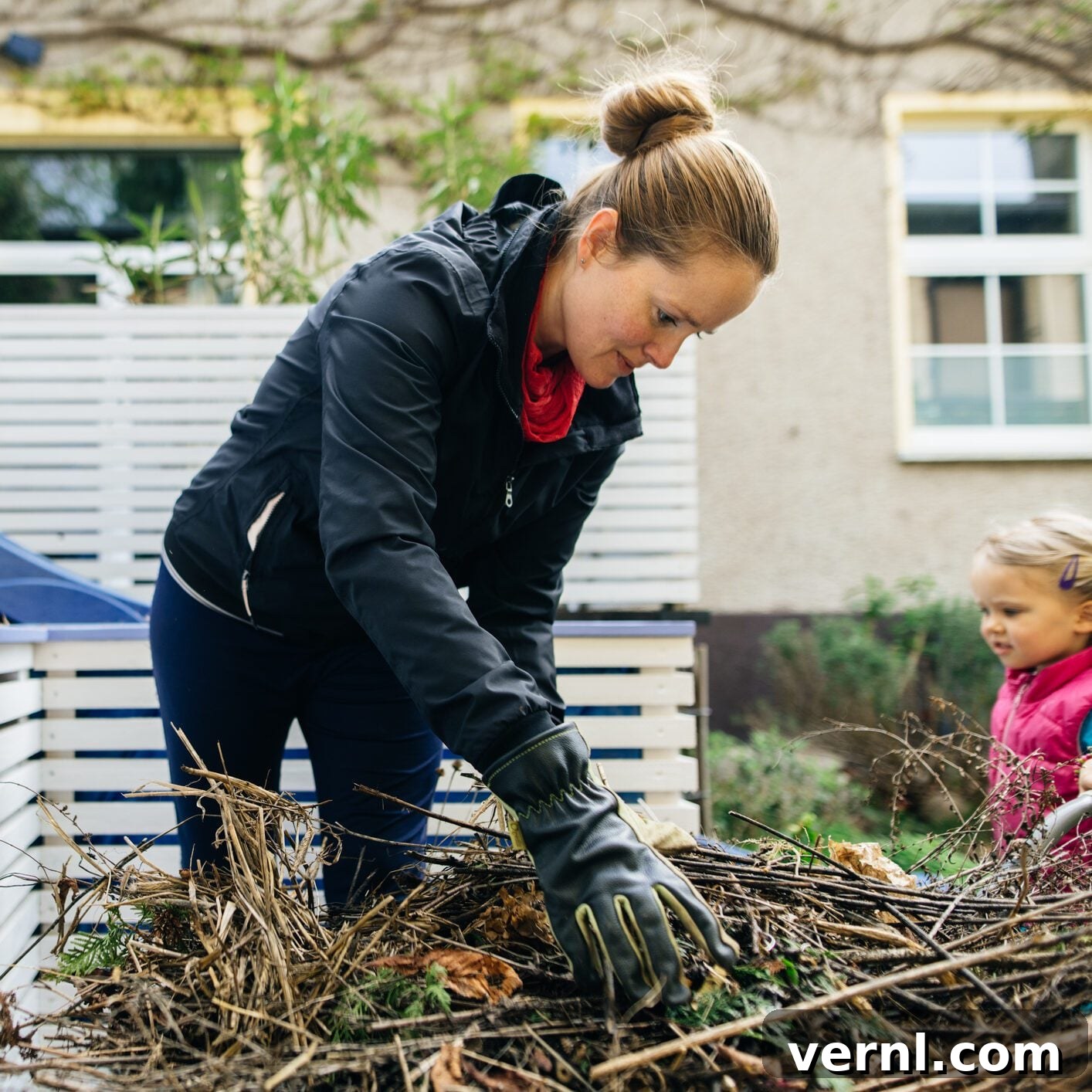
Cleaning a yard can feel overwhelming, which is why many homeowners postpone it. Yet regular cleanup yields clear benefits: a neat yard looks better, is easier to maintain, and is safer for your lawn and family. Debris left to accumulate can damage grass, invite pests, and create more work down the line.
You don’t have to treat yard cleanup like a monumental project. Below are practical strategies that make the job manageable, a list of essential tools, and smart options for reusing the materials you collect.
Basic Cleanup Tools
Having the right tools makes yard cleanup faster and safer. Consider these essentials:
- Cut-resistant work gloves to prevent blisters, cuts and splinters
- Safety glasses and sturdy footwear
- A leaf rake for removing leaves, needles and light twigs without harming soil
- A heavy-duty metal rake for heavier materials
- Shovels for moving soil, rocks and larger debris
- Branch cutting tools such as pruning shears or a chainsaw (use properly and safely)
- A push broom for patios and driveways
- A trash grabber to pick up litter without bending
- A magnet sweeper for nails and small metal bits
- A wheelbarrow or garden cart for hauling debris
- A leaf blower to speed up collection of fine debris like leaves and grass clippings
For large loads, consider a large drag tarp. A tarp lets you haul big piles across the lawn without making many tiring trips with a wheelbarrow.
Start With Large Debris
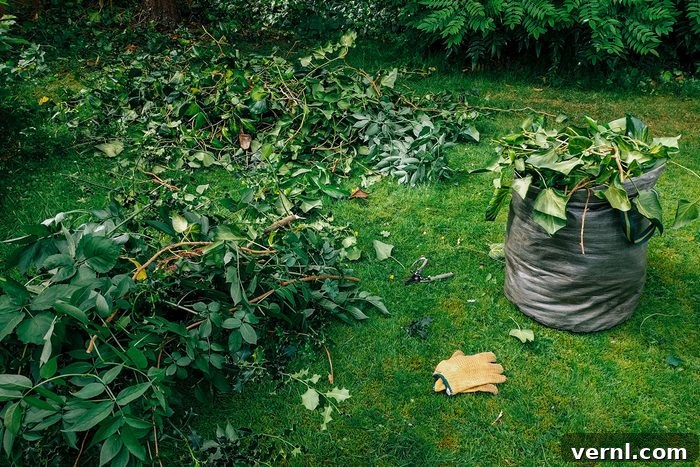
Before you begin, choose a staging area near the driveway or gate to sort branches, rocks and trash. Removing large objects first clears space and makes the rest of the job easier. Large pieces also have the biggest visual impact, so tackling them early improves the yard’s appearance quickly.
- Pry up smaller rocks with a shovel or pull them into piles with a stiff landscape rake. Scoop into a wheelbarrow or garden cart to reduce strain.
- Move large rocks using leverage tools like a pry bar and a block of wood; rolling them on plywood helps protect soil and reduce injury risk.
- Cut large branches into manageable lengths, sort by size, stack neatly and bundle for removal or reuse.
- Separate recyclables and trash from organic yard waste.
- Check brush piles carefully—wildlife can be nesting inside.
- Place broken glass in a rigid container to avoid punctures and injuries.
Safety tip: The first pass through your yard exposes hidden hazards—nails, glass, thorns and sharp metal. Move cautiously and wear protective gear.
How to Clear Small Debris Efficiently
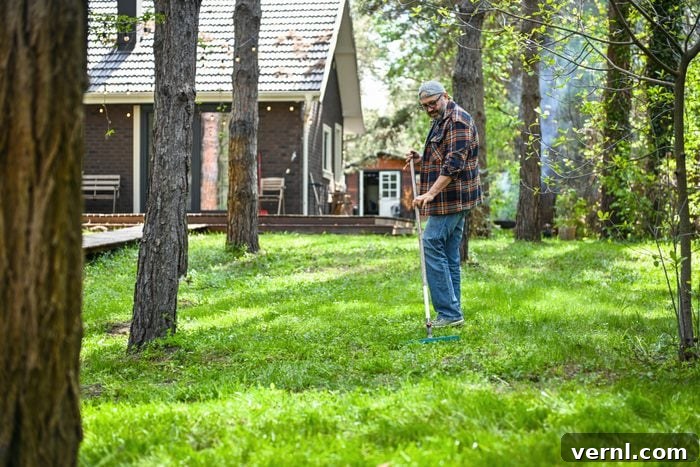
Leaf blowers, rakes and push brooms are best for light debris like leaves, pine needles and grass clippings. Work in sections to stay organized: rake debris into rows, combine rows into piles, then transfer piles onto a tarp or into a wheelbarrow for removal. A rake also helps loosen compacted layers of dead grass.
Pro tip: Choose the right weather. Slightly damp leaves are easier to control, but wet conditions make branches and gravel heavier and more likely to clump or stick.
Reusing and Recycling Natural Materials
Not everything collected during cleanup needs to be thrown away. Many materials can be reused around the yard or composted:
- Leaves make excellent compost and mulch when shredded or allowed to break down.
- Branches can be stacked for firewood, used as garden borders, or processed into mulch with a wood chipper.
- Grass clippings are a natural fertilizer when left in thin layers on the lawn or added to compost piles.
- Rocks work well for landscaping features, drainage paths and erosion control.
- Piles of logs, rocks or leaves can provide habitat for invertebrates and pollinators and support local wildlife—but keep them away from high-traffic areas.
- Avoid reusing diseased limbs, invasive vines or fungus-infected material; dispose of those safely.
Using sustainable yard practices not only benefits the environment but can also boost the appeal of your property.
Safety tip: Wear a dust mask when moving old mulch or soil. Dormant mold spores and dust can become airborne and irritate lungs before you notice any odor or discoloration.
FAQ
How often should I clear yard debris?
For routine maintenance, clear debris monthly during summer and every two weeks in spring and fall. Also remove debris promptly after storms to reduce hazards and prevent damage.
What should I do with large rocks?
Large rocks are valuable for landscaping: use them for borders, pathways or drainage features. You can relocate them to a dedicated rock garden or pile them for future use. If you have excess rocks you don’t want, neighbors or local gardeners might welcome them.
About the Experts
- Christopher Watson — handy-person and home expert.
- Derek Shewmon — property preparation specialist and founder of a company that helps homeowners ready properties for market.
- Daniel Crowley — site preparation and aggregate materials expert.
- Ross Hulstein — landscaping and grounds maintenance professional.
- Josh Eberly — home improvement and site preparation specialist.