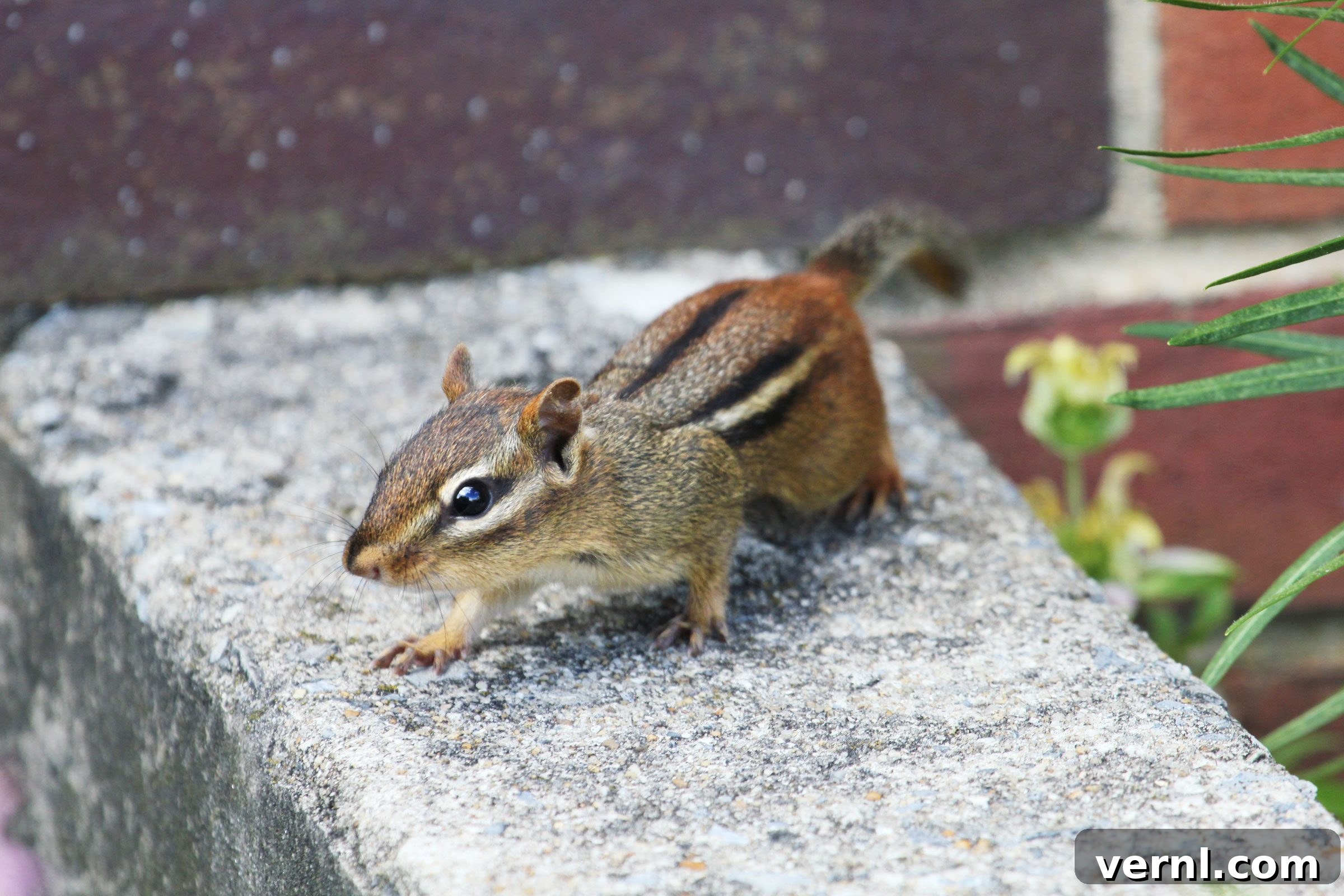
While many of us find chipmunks undeniably charming creatures—with their distinctive chirps, puffed-up cheeks, and bushy tails—their presence can quickly shift from endearing to exasperating. These small, agile rodents, often seen darting across yards, are more than just a fleeting delight; they can pose significant problems for homeowners and gardeners alike.
Although chipmunks are generally not associated with widespread property destruction, their industrious digging habits can wreak havoc on meticulously maintained gardens, leading to uprooted plants and stolen produce. More concerningly, their intricate burrow systems, extending deep underground, can compromise the structural integrity of patios, retaining walls, outdoor stairs, and even the foundations of homes and sheds. Understanding chipmunks—what they are, their diet, potential dangers, and why they become problematic—is the first step in effective management.
This comprehensive guide delves into the world of chipmunks, offering insights into their behavior, the issues they cause, and a range of strategies for humane deterrence and effective removal. We’ll explore methods for both indoor and outdoor control, tackle the challenge of their extensive tunnel networks, and provide expert advice on how to reclaim your property from these adorable but disruptive invaders.
What Exactly Is a Chipmunk?
Often mistaken for their larger cousins, tree squirrels, chipmunks are distinct rodents primarily known for their ground-dwelling habits. They thrive in a variety of wooded and forested environments, preferring areas with ample cover from predators and access to food sources. While superficially similar to squirrels, a closer look reveals several key differences.
Chipmunks typically sport a tan to reddish-brown coat, uniquely marked with five prominent dark stripes running down their backs and heads, often with lighter stripes accompanying them. Unlike squirrels, which often hold their tails curved over their backs, chipmunks tend to carry their bushy tails upright. They are also considerably smaller, averaging about five to six inches in length, excluding the tail, whereas squirrels generally range from 11 to 13 inches in body length. Their petite size and striking stripe patterns are crucial identifiers for distinguishing them from other common yard rodents.
These industrious creatures are solitary animals, except during mating season, and are most active during the day. They spend their days foraging, meticulously collecting food, and meticulously preparing their underground homes for the colder months. Their characteristic cheek pouches, capable of expanding significantly, allow them to transport large quantities of food back to their burrows, making them efficient gatherers.
What Do Chipmunks Eat? Unpacking Their Omnivorous Diet
Chipmunks are classic omnivores with a diverse and opportunistic diet, meaning they will consume almost anything readily available. Their menu includes a wide array of plant matter and small animal protein, reflecting their adaptability in various environments. Primarily, their diet consists of:
- Plant-based foods: Seeds, nuts (acorns, beechnuts, sunflower seeds), berries, fruits, grains, mushrooms, roots, and flower bulbs. These form the bulk of their diet, especially during warmer months.
- Vegetables: They are notorious for raiding vegetable gardens, feasting on young plants, peas, beans, corn, and various other garden produce.
- Insects and small invertebrates: Their diet also includes a healthy dose of protein from bugs, snails, slugs, worms, and even bird’s eggs, particularly when other food sources are scarce.
- Other small prey: In rare instances, chipmunks have been observed preying on very small snakes or baby mice, showcasing their opportunistic nature.
After a successful foraging trip, chipmunks don’t consume all their findings immediately. Instead, they use their expandable cheek pouches to transport food back to their elaborate burrow systems. These underground larders serve as critical storage facilities, allowing them to cache large quantities of food to sustain them through the winter months when food is scarce and they enter periods of torpor or reduced activity.
Why Are Chipmunks a Problem for Homeowners?
While their charming demeanor might suggest otherwise, chipmunks can quickly evolve from quaint garden visitors to persistent nuisances, causing a range of problems for homeowners and gardeners. The biggest concern associated with North American chipmunks stems from their remarkable talent for engineering complex systems of tunnels and burrows.
These subterranean networks are not just simple holes; they can be extensive, reaching up to 30 feet in length and several feet deep. Such significant excavation, particularly when occurring beneath critical structures, can lead to serious issues. Chipmunk burrows frequently undermine:
- Walkways and Patios: Creating unstable surfaces that can crack, sink, or become tripping hazards.
- Stairs and Retaining Walls: Eroding the soil support necessary for these structures, potentially leading to collapses or shifting.
- Foundations: While less common for major structural failure, extensive burrowing near foundations can compromise their integrity over time, potentially leading to costly repairs.
- Sheds and Outbuildings: Similar to homes, their burrows can weaken the ground beneath these structures.
Beyond structural concerns, chipmunks are also known to chew on various materials, including wood, electrical wires, and plastic pipes, which can cause direct damage to homes and outdoor equipment. Their constant need to sharpen their teeth contributes to this destructive behavior.
In the garden, chipmunks are notorious for their disruptive foraging habits. They enthusiastically dig through flower beds, uprooting newly planted bulbs and seedlings, and raid vegetable patches, decimating crops before they can be harvested. Like squirrels, they are also frequent culprits in stealing birdseed from feeders, often making off with more than their fair share and scattering the rest, attracting other pests.
Are Chipmunks Dangerous? Assessing the Risks
Chipmunks are not typically aggressive animals. Their primary defense mechanism against predators is speed and agility; they prefer to flee, darting quickly into a burrow or scaling a tree to escape perceived threats. However, like any wild animal, they can pose risks if provoked or cornered.
Bites: When a Chipmunk Feels Threatened
In the rare event that a chipmunk feels trapped or directly threatened, it will defend itself. This defense can involve scratching or biting to create an opportunity for escape. Chipmunk bites, while usually not severe, can be painful and carry the risk of infection. If you sustain a chipmunk bite, it is crucial to:
- Immediately clean the wound thoroughly with soap and water for several minutes.
- Apply an antiseptic solution or antibiotic cream.
- Cover the wound with a clean bandage.
- Monitor the area for signs of infection such as redness, swelling, pus, or increased pain. If any of these symptoms appear, seek medical attention promptly.
It’s vital to remember that feeding wild animals, including chipmunks, can habituate them to humans, increasing the likelihood of bites. It is strongly advised not to hand-feed chipmunks or attempt to pet them.
Disease Transmission: Understanding the Health Risks
While chipmunks are not considered high-risk vectors for transmitting infectious diseases directly to humans, they can carry certain pathogens and parasites. The Centers for Disease Control and Prevention (CDC) notes that chipmunks can host ticks carrying diseases such as Colorado Tick Fever and Rocky Mountain Spotted Fever. These diseases are transmitted through tick bites, not directly from the chipmunk itself. Therefore, preventing tick exposure is key when dealing with wildlife.
Fortunately, chipmunks are generally not known to transmit rabies to humans. Rabies is primarily associated with larger mammals like raccoons, skunks, foxes, and bats. Nevertheless, any bite from a wild animal should be taken seriously and cleaned appropriately, and if there’s any uncertainty about the animal’s health, veterinary or public health officials should be consulted.
The best approach to minimize health risks is to observe chipmunks from a distance, avoid direct contact, and implement proper pest control measures to keep them out of your immediate living spaces.
How To Get Rid of Chipmunks Outdoors: Effective Control Strategies
When chipmunks become a persistent problem outdoors, a range of methods—from humane deterrents to more decisive removal techniques—can be employed. The key is often a multi-faceted approach to repel or eliminate these industrious rodents.
- DIY Repellent Sprays: A simple, non-toxic deterrent can be made by mixing cayenne pepper with water and spraying it around affected plants or burrow entrances. The capsaicin in the pepper irritates their sensitive noses and mouths, discouraging them from foraging in treated areas. Reapply after rain or watering.
- Ultrasonic Pest Repellers: These electronic devices emit high-frequency sound waves that are irritating to chipmunks and other rodents, but generally inaudible to humans and pets. Placing them strategically near problem areas can help drive chipmunks away, though their effectiveness can vary.
- Strategic Planting: Chipmunks are known to dislike certain plant scents. Planting species like daffodils (which are also toxic if ingested), onions, hyacinths, and marigolds around gardens or susceptible areas can act as a natural deterrent, making the environment less appealing for them.
- Bulb Treatment: For non-edible bulbs, soaking them in a fungicide like thiram before planting can deter chipmunks and other rodents. Thiram makes the bulbs unpalatable and acts as a strong repellent.
- Mothballs (with caution): The strong scent of mothballs (naphthalene or paradichlorobenzene) can repel chipmunks when scattered around basements, garages, and sheds. However, mothballs are poisonous if ingested and their fumes can be harmful, so they should be used with extreme caution, especially if children or pets are present. It’s often better to avoid them due to potential health and environmental risks.
- Visual Deterrents: Hanging reflective objects like old CDs, aluminum pie tins, or even colorful beach balls in trees or near garden areas can create movement and flashes of light that startle and scare chipmunks away. These are usually temporary solutions as chipmunks may eventually habituate to them.
- Humane Trapping: Live traps are an effective way to remove chipmunks without harming them. Bait the trap with sunflower seeds, nuts, peanut butter, or fruits. Once caught, release the chipmunk several miles away from your property in a suitable natural habitat, ensuring local regulations permit this.
- Fumigants (Professional/Controlled Use): For serious infestations within burrows, aluminum phosphide tablets can be dropped into the tunnel. These tablets react with soil moisture to produce toxic phosphine gas, which suffocates rodents. *Caution: These are highly toxic and should only be used by trained professionals or under strict guidance, as the fumes are dangerous to humans and pets. Always check local regulations.*
- Gas Cartridges (Professional/Controlled Use): Available at many hardware and garden stores, gas cartridges produce carbon monoxide and carbon dioxide within tunnels, killing chipmunks by asphyxiation. *Caution: These also produce toxic fumes and carry a risk of igniting fires. Do not use near structures, buildings, or dry vegetation. Always check local regulations and safety guidelines.*
- Lethal Traps or Firearms (Legal Restrictions Apply): In areas where legal and permitted, lethal snap traps designed for rodents can be used. Alternatively, a small-gauge shotgun or a .22-caliber rifle with birdshot can be used by experienced individuals. *Extreme Caution: Firearms should only be handled by those trained and experienced in their use. Always prioritize safety, understand your target and its surroundings, and be absolutely certain your shot will not injure anything beyond the target. Verify all local and state laws regarding wildlife control and firearm use.*
How To Get Rid of Chipmunks Indoors: A Step-by-Step Guide
If a chipmunk finds its way into your home, it’s typically an accidental intrusion, often driven by curiosity or a search for food and shelter. The goal is to guide it out safely without causing harm to the animal or damage to your property.
Method 1: The “Open Door” Approach
This method relies on the chipmunk’s natural instinct to escape to the outdoors.
- Isolate Pets: Immediately secure any dogs or cats in a separate room or a crate to prevent them from startling or injuring the chipmunk, or getting injured themselves.
- Close Interior Doors: Close all interior doors within the affected area to confine the chipmunk to one section of the house, preventing it from venturing further inside.
- Open Exits: Open all windows and doors that lead directly to the outside in the area where the chipmunk is located. If possible, remove screens to provide an unobstructed escape route.
- Wait Patiently: Retreat to a quiet spot and wait. Chipmunks are naturally drawn to open spaces and light, and with patience, it will likely find its way out on its own. Avoid chasing or cornering it, which can stress the animal and make it erratic.
Method 2: Humane Trapping for Stubborn Cases
If the “open door” method doesn’t work after a reasonable amount of time, a humane trap is the next best option.
- Set a Live Trap: Use a small, humane live trap designed for rodents. Place it on the floor near where you’ve seen the chipmunk or along a wall, as rodents often travel along edges.
- Bait the Trap: Lure the chipmunk inside with irresistible bait. Excellent choices include sunflower seeds, pumpkin seeds, raisins, cereal, oats, or a dollop of peanut butter spread on a cracker.
- Monitor and Release: Once the chipmunk is caught, transport the trap outdoors immediately. Release the chipmunk at least several miles away from your home in a suitable wooded area, ensuring it has access to natural shelter and food sources. This prevents it from simply returning to your property.
Always handle traps carefully and wear gloves to protect yourself from potential bites or contamination. After successful removal, thoroughly inspect your home for potential entry points and seal them to prevent future incursions.
How To Get Rid of Chipmunk Tunnels: Eradicating Underground Networks
Chipmunk tunnels, or burrows, are not just simple holes; they are intricate subterranean systems that serve as living spaces, food storage pantries, and nurseries. As we’ve learned, these networks can significantly compromise the stability of landscapes and structures. There are typically two types: shallow summer tunnels and deeper winter tunnels, which can extend up to 30 feet in length and several feet deep.
Ed Spicer of Pest Strategies highlights the problem: “Because these tunnels have a network of several different connections, there can be a multitude of different, unsightly holes scattered throughout your yard. Not only are these tunnels ugly, but over time, the hollowness of the ground below your home, garage, or storage shed can do damage to its structure.” Addressing these tunnels is crucial for property integrity and aesthetics.
Step 1: Eliminate the Chipmunk Population First
Attempting to fill chipmunk burrows while the chipmunks are still present is an exercise in futility. They are highly motivated diggers and will simply create new tunnels or reopen old ones. Therefore, the absolute first step is to implement effective chipmunk removal strategies (as detailed in the “How To Get Rid of Chipmunks Outdoors” section) to significantly reduce or eliminate the population on your property.
Step 2: Locate All Tunnel Entrances
Once the chipmunk population is under control, meticulously inspect your property to identify all tunnel entrances. Look for holes that are typically two to three inches in diameter. Common locations include:
- Around the base of foundations, patios, and retaining walls.
- Beneath woodpiles, rock formations, and dense shrubbery.
- Near tree stumps and landscape timbers.
- Along fences or property borders.
- In flower beds and vegetable gardens.
Walk slowly and observe the ground carefully. Sometimes, active tunnels will have fresh soil mounded around them.
Step 3: Fill the Burrows Effectively
Once all entrances are located, it’s time to fill them:
- Dirt and Gravel Mixture: Use a spade to fill the holes with compacted dirt, or a mixture of dirt and fine gravel. The gravel adds stability and makes it harder for them to re-dig. Pack the material down firmly to eliminate air pockets.
- Used Cat Litter: An effective and often overlooked method is to use *used* cat litter. The lingering scent of cat feces and urine acts as a powerful predator deterrent, signaling to any returning chipmunks that the area is no longer safe. Fill the tunnels completely and pack it down.
- Sand and Quick-Dry Cement (for foundations): For tunnels directly adjacent to foundations or concrete slabs, a mixture of sand capped with quick-dry cement can be particularly effective. This creates a much more durable barrier that is difficult for chipmunks to penetrate. After filling and letting the cement set, cover the area with two or three inches of topsoil to allow ground cover to grow back, blending it into your landscape.
Be thorough in filling all identified holes. If these efforts prove insufficient, or if the problem persists and causes significant structural concerns, it may be time to consult a professional pest control service. They have specialized tools and knowledge to handle extensive burrow systems.
How To Deter Chipmunks: Proactive Prevention Strategies
Prevention is often the most effective and least invasive method for managing chipmunks. By making your property less attractive and accessible, you can significantly reduce their presence and the problems they cause. Here are simple, actionable steps to deter chipmunks both indoors and out:
- Seal Entry Points: Regularly inspect your home’s exterior for any cracks, gaps, or openings, especially around the foundation, utility lines, and dryer vents. Use caulk, expanding foam, or hardware cloth to seal these potential entry points, preventing chipmunks from seeking shelter indoors. Even small openings (1/2 inch or larger) can be an invitation.
- Remove Attractants and Shelter: Chipmunks are drawn to areas that offer both food and hiding spots.
- Clear Debris: Remove dead tree stumps, rock piles, brush piles, fallen branches, and dense ground cover near your home, garage, or other buildings. These provide ideal nesting sites and protective cover.
- Keep Yard Tidy: Regularly mow your lawn and keep shrubs and bushes trimmed, especially those close to the house.
- Secure Food Sources: Store birdseed, pet food, and garbage in tightly sealed, rodent-proof containers. Promptly clean up fallen fruits or nuts from trees on your property.
- Protect Plants and Bulbs: Chipmunks love to dig up and eat seeds and bulbs.
- Wire or Plastic Screens: When planting seeds or bulbs, place them beneath a layer of fine mesh wire or plastic screen. This creates a physical barrier that prevents them from digging up your plants.
- Raised Garden Beds: Consider using raised garden beds with a hardware cloth bottom to prevent burrowing underneath.
- Install L-Shaped Footers (Mesh Barriers): For structures like foundations, sidewalks, and porches, installing L-shaped footers made of galvanized hardware cloth can be highly effective. Bury the mesh vertically into the ground at least 12-18 inches deep, then bend it outward (horizontally) for another 6-12 inches to form an “L” shape. This makes it impossible for chipmunks to burrow directly under the structure.
- Relocate Bird Feeders: While bird feeders attract birds, they also provide a convenient food source for chipmunks. Place bird feeders at least 15 feet away from your home and any other structures chipmunks might want to access. Use squirrel-proof feeders or trays to catch fallen seeds, and clean up any spilled seeds regularly.
- Consider Natural Predators: While not a direct control method, encouraging natural predators like owls, hawks, and even certain snake species (if tolerable) can help keep chipmunk populations in check in your area.
By implementing a combination of these deterrent strategies, you can make your property less inviting to chipmunks, minimizing the likelihood of them becoming a persistent problem.
When To Call a Professional Pest Exterminator
While many of the strategies outlined above can be effective for managing chipmunk problems, there are situations where calling in a professional pest exterminator or wildlife control specialist is the most prudent course of action. You should consider professional help if:
- The Infestation is Widespread and Persistent: If you have a large number of chipmunks or if the problem persists despite consistent efforts with DIY methods, a professional can offer more targeted and effective solutions.
- Structural Damage is Evident or Feared: If you notice signs of significant burrowing under your home’s foundation, patio, or retaining walls, structural integrity may be at risk. Professionals can assess the extent of the damage and implement appropriate remediation.
- Dangerous Methods Are Required: For methods involving fumigants or firearms, which carry significant risks to safety and the environment, it is best to defer to trained and licensed professionals who have the expertise and equipment to apply these solutions safely and legally.
- You Cannot Identify Entry Points or Burrows: If you’re struggling to locate all the entry points into your home or the full extent of the chipmunk burrow system, a professional has the experience to conduct a thorough inspection.
- Local Regulations are Complex: Wildlife control laws can vary significantly by region. Professionals are knowledgeable about local ordinances and can ensure that all control methods are carried out legally and ethically.
- You Prefer Humane Removal: Many professionals specialize in humane trapping and relocation, ensuring the animals are removed safely and responsibly.
A professional exterminator can provide a comprehensive assessment, develop a tailored control plan, and implement solutions that are both effective and safe for your family, pets, and property. They can also offer advice on long-term prevention strategies to minimize future chipmunk issues.
About the Expert
Ed Spicer is a recognized pest expert who contributes his extensive knowledge to PestStrategies.com, a resource dedicated to providing practical and effective pest control solutions. His insights are invaluable for understanding and managing various wildlife challenges, including those posed by chipmunks.