Should You Run Your HVAC Fan Continuously? A Comprehensive Guide to Home Comfort and Air Quality
In the quest for optimal home comfort and superior indoor air quality, many homeowners ponder the efficiency and benefits of running their HVAC (Heating, Ventilation, and Air Conditioning) fan continuously. It’s a common dilemma, particularly for those battling indoor allergens or striving for consistent temperatures throughout their living spaces. While the idea of constant air circulation might sound appealing, there are several crucial factors to weigh before committing to this operational mode. This detailed guide explores the multifaceted pros and cons of running your HVAC fan non-stop, offering insights into energy consumption, system longevity, air quality, and overall comfort, helping you make an informed decision for your home.
Understanding Your HVAC Fan: The Heart of Air Circulation
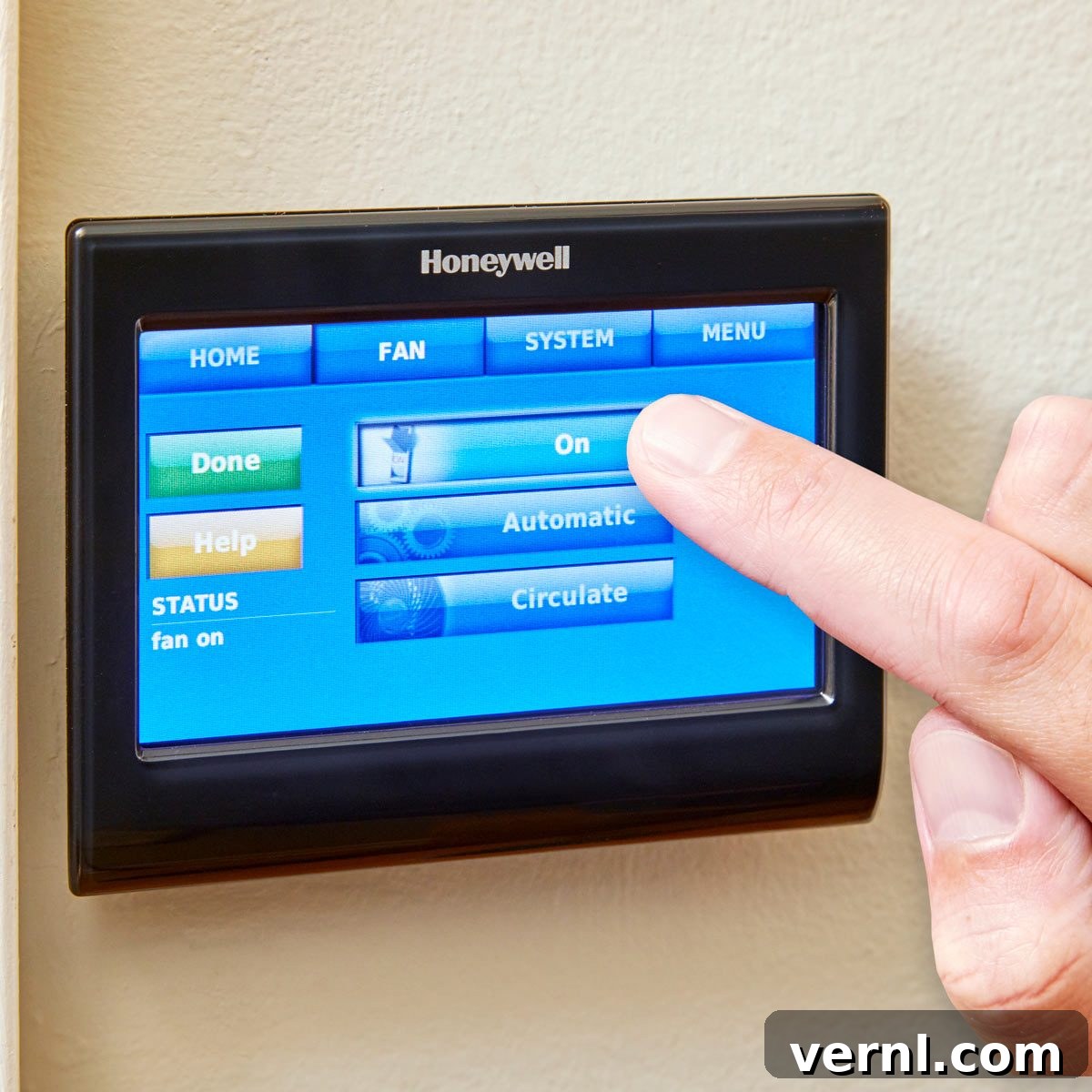
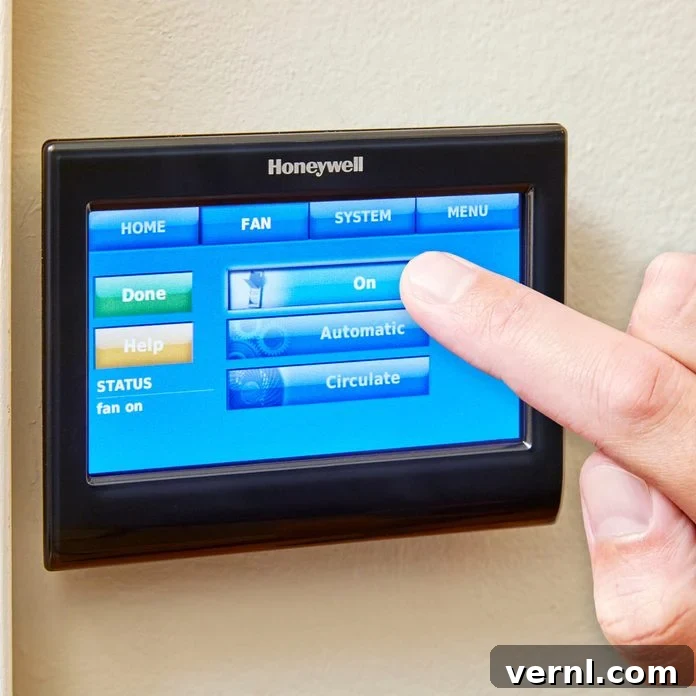
Your HVAC system’s fan, often referred to as the blower, is responsible for moving conditioned air (heated or cooled) from your furnace or air conditioner through your ductwork and into your home. When your system is set to “Auto,” the fan only runs when your heating or cooling system is actively engaged. When set to “On” or “Continuous,” the fan operates constantly, circulating air even when your furnace or AC isn’t producing hot or cold air. This distinction is vital for understanding the implications of each setting.
The Benefits of Running Your HVAC Fan Continuously: Pros
Opting for continuous fan operation comes with several potential advantages, primarily centered around enhanced air quality and temperature consistency. Let’s delve into these benefits:
1. Consistent Indoor Air Quality Through Constant Filtration
- One of the most compelling reasons to run your HVAC fan continuously is the promise of consistently cleaner indoor air. When the fan is always running, air is constantly pulled through your system’s air filter. This means that airborne particles such as dust, pollen, pet dander, mold spores, and other allergens are continuously trapped by the filter, rather than settling on surfaces or remaining suspended in the air.
- For individuals suffering from allergies, asthma, or other respiratory sensitivities, continuous filtration can significantly reduce exposure to irritants, leading to improved respiratory health and a more comfortable living environment. The effectiveness of this benefit is amplified by using a high-quality air filter with an appropriate MERV (Minimum Efficiency Reporting Value) rating for your system.
2. More Even Temperature Distribution and Enhanced Comfort
- Many homes, especially multi-story dwellings or those with open-plan layouts, struggle with uneven temperatures, leading to “hot spots” and “cold spots.” Warm air naturally rises, and cool air sinks, creating thermal stratification. Running the HVAC fan continuously helps to mitigate this by constantly mixing the air throughout your home.
- This continuous circulation helps to homogenize the indoor temperature, reducing drastic differences between rooms and floors. The result is a more consistent and comfortable environment, minimizing the need to constantly adjust your thermostat or tolerate uncomfortable temperature variations. This consistent air movement can contribute to a feeling of greater comfort and less stuffiness.
3. Reduced Start/Stop Stress on the Fan Motor
- While it might seem counterintuitive, running a motor continuously can sometimes lead to less wear and tear than frequent starting and stopping. Each time an electric motor starts, there’s an initial surge of electrical current, which can stress the motor’s components and circuitry. Think of it like city driving versus highway driving for a car – frequent stops and starts typically cause more wear than sustained operation.
- For your HVAC fan, eliminating these frequent start-up cycles can potentially extend the lifespan of the blower motor. Less stress from constant cycling means fewer power surges and potentially fewer opportunities for components to fail due to repeated load changes.
Beyond these points, consider exploring these 21 essential air conditioner maintenance and home cooling tips to further optimize your home’s climate control.
The Drawbacks of Running Your HVAC Fan Continuously: Cons
Despite the appealing benefits, running your HVAC fan non-stop isn’t without its downsides. These primarily revolve around energy consumption, system maintenance, and potential impacts on humidity and perceived comfort.
1. Higher Energy Consumption and Increased Costs
- The most significant disadvantage of continuous fan operation is the increased energy consumption. While a fan motor consumes less electricity than your AC compressor or furnace burner, it still uses a substantial amount of power when running 24/7. A typical HVAC fan motor can range from 300 to 800 watts, depending on its type and speed.
- Even a 500-watt motor running constantly can add a significant amount to your monthly electricity bill. Over a year, this continuous operation could translate to hundreds of dollars in extra costs. Modern HVAC systems often feature more energy-efficient ECM (Electronically Commutated Motor) blowers, which consume less power than older PSC (Permanent Split Capacitor) motors, but continuous operation will still incur an energy penalty.
2. Shorter Furnace Filter Life and Increased Maintenance
- If your HVAC fan is running constantly, it means air is constantly passing through your furnace filter. While this is beneficial for air quality, it also means the filter accumulates dust and particles at a much faster rate. Consequently, your furnace filter will become clogged more quickly and require more frequent replacement.
- A dirty filter restricts airflow, forcing your HVAC system to work harder, which can diminish efficiency and even damage components. This not only adds to the cost of purchasing new filters but also necessitates more diligent maintenance on your part to ensure your system operates optimally.
3. Humidity Management Challenges in Summer
- This is a critical point often overlooked: in warmer, humid climates, continuous fan operation can actually hinder your air conditioning system’s ability to dehumidify your home effectively. Air conditioners cool and dehumidify air simultaneously. When the AC compressor cycles off, the evaporator coil remains cold for a period, allowing condensed moisture to drip into the drain pan.
- If the fan continues to run after the compressor stops, it can cause some of this accumulated moisture on the cold coil to re-evaporate back into your home’s air. This process, known as “re-evaporation,” can make your home feel muggier and force your AC to run more frequently to achieve the desired humidity levels, ironically increasing energy use for cooling.
4. Perceived Cold Drafts in Winter
- During the winter months, when your furnace isn’t actively heating, the continuous circulation of unheated air can create a sensation of cold drafts, even if the ambient room temperature is comfortable. While the air itself isn’t colder than the room, the constant movement of air across your skin can make you feel chillier, especially if you’re sensitive to drafts.
- This can lead to occupants feeling less comfortable and potentially turning up the thermostat unnecessarily, thus increasing heating costs.
For those living in older properties, understanding how to maximize efficiency is key. Discover why old homes can save big money with an HVAC update.
The “Circulate” Function: A Modern Solution
Recognizing the trade-offs of continuous fan operation, many newer, smart thermostats offer a “circulate” function. This innovative setting provides a beneficial middle ground between “Auto” and “On.”
- How it Works: The “circulate” function typically runs the blower fan for a portion of each hour (e.g., 10-20 minutes per hour) at a slower, more energy-efficient speed, or intermittently. This intermittent operation allows for consistent air mixing and improved filtration without the constant energy drain of full-time “On” mode.
- Benefits: It reduces the wear and tear on the fan motor by avoiding frequent full-power starts, limits the cost of running the fan at full-tilt 24/7, and helps maintain a more even temperature and better air quality than “Auto” mode. It’s an excellent option for those who want some of the benefits of continuous operation without all the drawbacks.
- Considerations: If you have an older, single-speed blower, the “circulate” function might simply turn the fan on and off at its regular speed, which still offers some benefits but not the enhanced efficiency of variable-speed blowers. Newer variable-speed ECM motors are particularly well-suited for this function, as they can operate very quietly and efficiently at lower speeds.
Factors to Consider When Deciding
The decision to run your HVAC fan continuously, intermittently, or only on “Auto” isn’t one-size-fits-all. Several factors unique to your home and lifestyle should influence your choice:
- Household Allergies and Respiratory Issues: If anyone in your home suffers from severe allergies or asthma, continuous or intermittent fan operation with a high-quality filter might be a top priority for improved health.
- Climate and Humidity: In hot, humid climates, the humidity management drawback of continuous fan use in summer is a significant concern. In drier climates, this might be less of an issue.
- HVAC System Type and Age: Newer systems with variable-speed ECM blowers are far more energy-efficient for continuous or intermittent operation than older PSC motors.
- Ductwork Integrity: Leaky ductwork can waste a lot of energy when the fan runs continuously, pulling in unconditioned air from attics or crawl spaces. Sealing your ducts is crucial for efficient air circulation.
- Energy Costs in Your Region: Electricity prices vary widely. In areas with high energy costs, the financial impact of continuous operation will be more pronounced.
- Personal Comfort Preferences: Some people simply prefer the feeling of constant air movement, while others find it creates uncomfortable drafts.
Optimizing Your HVAC Fan Usage for Maximum Benefit
Regardless of your decision on continuous fan operation, there are several steps you can take to optimize your HVAC system’s performance and ensure maximum home comfort and efficiency:
- Regular Filter Replacement: This is paramount. Check your air filter monthly and replace it every 1-3 months, or more frequently if you run your fan continuously or have pets and allergies. A clean filter is crucial for air quality and system efficiency.
- Consider a Smart Thermostat: Upgrade to a smart thermostat with a “circulate” function. These devices offer advanced programming, energy usage reports, and often integrate with home automation systems, providing greater control and efficiency.
- Seal Your Ductwork: Leaky ducts can waste up to 30% of your HVAC system’s energy. Professional duct sealing can significantly improve efficiency, air quality, and temperature consistency.
- Balance Your Vents: Ensure all supply and return vents are open and unobstructed. You may need to balance airflow by adjusting dampers in your ductwork or using register boosters in certain rooms.
- Schedule Professional HVAC Maintenance: Annual tune-ups by a certified HVAC technician ensure your system is running efficiently, identify potential issues early, and help extend the lifespan of your equipment.
Beyond the Fan: Comprehensive HVAC Maintenance and Troubleshooting
When your air conditioning, heating, or ventilation systems experience issues, it can be frustrating and costly. While some problems indeed require professional intervention, many common HVAC glitches can be addressed with a little DIY troubleshooting.
When to Call a Pro vs. DIY Checks
Understanding when to roll up your sleeves and when to pick up the phone can save you time and money. Here are some key considerations:
- DIY First Steps: Always start with the simplest checks. Is the thermostat set correctly? Is the system power switch on? Are circuit breakers tripped? Is the air filter clean? Are outdoor units free of debris? These basic checks often resolve a surprising number of issues.
- When to Call a Technician: If you hear unusual noises (grinding, banging, squealing), smell burning or gas, notice persistent leaks, or if your system simply isn’t heating or cooling effectively after basic checks, it’s time for a professional. Complex electrical problems, refrigerant leaks, or compressor failures require expert diagnosis and repair.
Before you dial, empower yourself with knowledge. Here are 12 crucial HVAC troubleshooting tips to consider before you call an HVAC tech. These tips can help you diagnose minor problems or provide valuable information to your technician, potentially speeding up repairs and reducing costs.
Conclusion: Finding Your Balance for Optimal Comfort
The decision to run your HVAC fan continuously is a balancing act between indoor air quality, temperature consistency, energy consumption, and system longevity. While continuous operation can offer benefits like cleaner air and more even temperatures, it comes at the cost of higher energy bills, more frequent filter changes, and potential humidity issues in summer. The “circulate” function on modern thermostats offers an excellent compromise, providing many benefits with fewer drawbacks.
Ultimately, the best approach depends on your specific needs, your home’s characteristics, and your HVAC system’s capabilities. By understanding the pros and cons, considering your unique situation, and implementing smart maintenance practices, you can make an informed decision that enhances your home’s comfort, improves air quality, and manages energy costs effectively.