
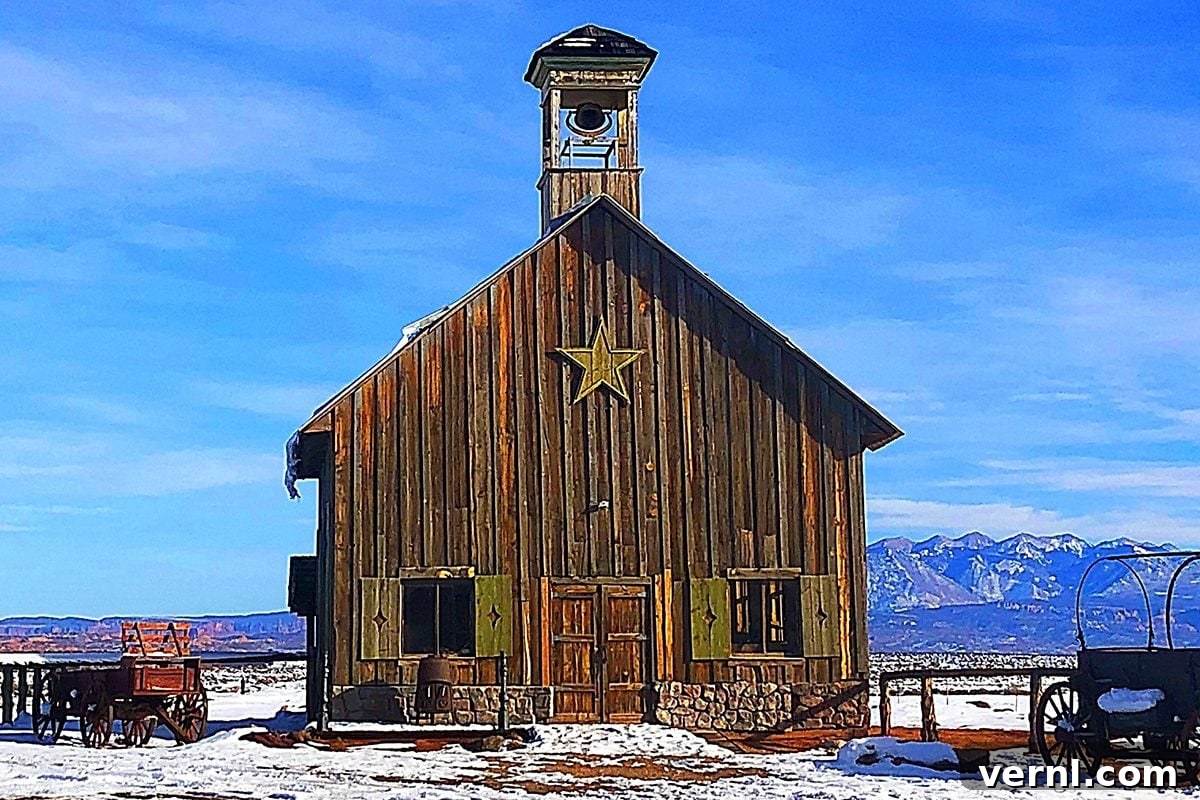
Unraveling the Mystery of Barn Stars: History, Symbolism, and Cultural Significance
Driving through the scenic rural landscapes of Pennsylvania, Ohio, or Southern Ontario, one might frequently spot a distinctive five-point star adorning the side of a barn. These intriguing emblems, known as barn stars, are far more than mere decoration. They are a deeply woven thread in the rich tapestry of American and Canadian folklore, carrying centuries of history, symbolism, and cultural meaning. Much like the practical reasons behind painting barns red – a tradition rooted in early European settlers using iron oxide (rust) to protect their wood, which gave it a reddish hue – barn stars, too, often possess both practical and profound, even esoteric, purposes.
While their presence might initially seem purely aesthetic, the meaning behind a barn star often delves into realms of tradition, superstition, and community pride. They represent a captivating connection to the homelands and beliefs of the early settlers who brought these traditions to the New World. Whether you’re a history enthusiast, a lover of folk art, or simply curious about the cultural landmarks dotting the countryside, understanding the barn star offers a unique glimpse into a cherished heritage.
So, what exactly is a barn star, and what deep-seated reasons explain its enduring presence on these agricultural structures? Let’s explore the captivating story behind these iconic symbols.
The Enduring Legacy: Origins and Evolution of the Barn Star
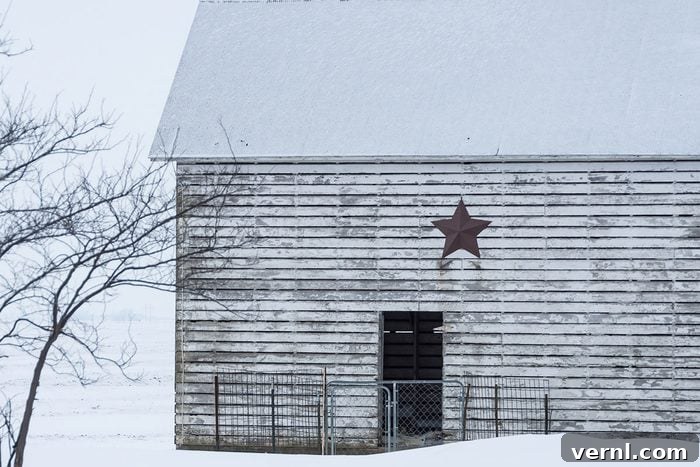
Barn stars, sometimes referred to as hex signs or Pennsylvania stars, carry a distinctive local name among the Pennsylvania Dutch communities where they primarily originated: Schtanne, meaning “star” in their unique German dialect. These captivating symbols have been integral to rural Pennsylvania’s cultural landscape since the mid-to-late 1700s. Their emergence is directly linked to the traditions of early German, Dutch, and Swedish immigrants – collectively known today as the Pennsylvania Dutch – who brought with them a rich heritage of folk art and protective symbolism from their European homelands.
According to historical accounts and enduring tradition, these pioneering farmers sought to adorn their newly constructed barns with geometric folk art. This art often depicted a variety of nature-inspired symbols, including celestial bodies like the sun, moon, and stars, which were believed to harness beneficial energies. The designs also incorporated themes reflecting the passage of the seasons, as well as complex motifs derived from numerology, astrology, and various other esoteric disciplines. These practices were not merely decorative; they were imbued with deeper meanings, intended to bless the barn, its inhabitants, and the farm itself.
While this fascinating practice of painting barn stars began within the insular communities of the Pennsylvania Dutch, its appeal gradually expanded. The Glencairn Museum notes that their popularity began to spread to other regions of the country, particularly gaining momentum after the tumultuous period of the Civil War. This expansion suggests a broader appeal for symbols of stability, prosperity, and good fortune during times of rebuilding and change.
Over the centuries, the star motif remained the central theme in most depictions, but its form underwent a subtle evolution. While early examples might have featured stars with three, four, or even multiple points, the five-point star eventually became the predominant and widely recognized form seen today. Another significant adaptation in the tradition involves the method of display. Originally, these designs were meticulously painted directly onto the barn’s architecture, often as an integral part of its construction. In more modern times, a common practice is to create barn stars from materials like wood or metal, which are then hung on the building’s exterior, offering a versatile and accessible way to display this cherished symbol.
Decoding the Star: Meanings and Mysticism Behind Barn Stars
The symbolism embedded within a barn star is as rich and diverse as the communities that embraced them. In harmony with the traditions of the early settlers, the barn star fundamentally serves as a potent symbol of fertility, good luck, and protection – much like an amulet or talisman believed to ward off evil and invite positive energies. However, it’s important to acknowledge that some barn stars could also fulfill a more mundane, practical purpose, such as advertising the services of the barn builder or painter, showcasing their craftsmanship.
Given the sheer diversity of designs, pinpointing a single, universal meaning for every barn star can be challenging. Historians often suggest that, especially in earlier examples, there was a definite nod to the occult or pagan backgrounds of some of the early settlers. These deeper, more esoteric interpretations often lead historians to distinguish certain examples by referring to them specifically as “hex signs.” The term “hex” in this context derives from the German word “Hexe,” meaning witch, or “hexen,” meaning “to practice witchcraft,” though in Pennsylvania Dutch culture, “hex” more commonly refers to a spell or charm, often a protective one rather than a malevolent one.
Historically, early barn stars were considered a true form of folk art, where every element, including the chosen colors, carried specific and profound meanings. Jaclyn Krymowski, writing for AG Daily, outlines the traditional interpretations associated with different colors:
- Black: Represents protection by the binding or mixing of elements, and is believed to ward off curses or negative energies. It symbolizes the unknown and mystical power.
- White: A color of purity, energy, and spiritual light. It signifies new beginnings, clarity, and goodness.
- Yellow: Associated with health, godliness, and the sun’s vital energy. It also brings prosperity and warmth.
- Blue: Symbolizes spirituality, peace, and tranquility. It is believed to bring calm and protect against illness.
- Brown: Represents the earth, strength, and grounding. It signifies stability, reliability, and connection to nature.
- Green: A powerful symbol of fertility, growth, success, and abundance. It promotes harmony and renewal.
- Orange: Denotes prosperity, good fortune, and creativity. It is a vibrant color of encouragement and endurance.
- Red: Represents strong emotions, passion, and creativity. It is also a protective color, believed to keep bad spirits away.
- Violet: Signifies sacredness, spirituality, wisdom, and mystery. It is often associated with royalty and intuition.
While barn stars crafted from wood or metal and then hung on the front of a barn might not always carry the intricate layers of symbolism found in the original, meticulously painted Pennsylvania stars, their underlying intent often remains consistent. These modern iterations are still widely regarded as talismans designed to invite good luck, ensure prosperity, and ask for protection over the home and its occupants. Similarly, stars painted in a single color, perhaps above a door or on a gable, often invoke a specific request or benefit, drawing upon the traditional meanings associated with their chosen hue, as noted in the list above.
Addressing Common Misconceptions: Are Barn Stars Political?
A common misconception is that the popularity of barn stars, particularly their widespread adoption after the Civil War, might suggest an allegiance to one of the opposing sides of the conflict. However, historical evidence and cultural experts firmly refute this notion. According to Kelly Cleaver, writing for Bucks County Estate Traders, barn stars were – and continue to be – primarily a symbol of status and pride within the farming community, rather than a political statement.
“Barn stars came to represent farmers’ pride in their work and lifestyle, a testament to their dedication to the land and their families,” Cleaver explains. They showcased the farmer’s prosperity, their commitment to their livelihood, and their connection to the enduring traditions of their ancestors. In this sense, a barn star was a visual declaration of hard work, resilience, and a deep-rooted appreciation for agricultural life, transcending any temporary political affiliations.
Beyond the Barn: What Does a Star on a House Mean?
While most closely associated with barns, seeing a star on a house also carries various interpretations, depending on its context. In many instances, a star on a residential home might be purely decorative, chosen for its aesthetic appeal or as a nod to a rustic, farmhouse-style decor. However, just like their counterparts on barns, these house stars can also carry a similar, deeper meaning – serving as a wish for good luck and protection for the household, and often as a tribute to enduring cultural traditions.
There’s also a significant, specific meaning when stars are displayed on the homes of families with members serving in the military. A blue star, typically displayed in a service flag in a window, is an honorable symbol indicating that a family member is actively serving in the armed forces. Conversely, a gold star is a solemn and poignant emblem, memorializing a family member who has made the ultimate sacrifice and fallen in the line of duty. These military service stars carry profound national and personal significance, distinct from the folk art tradition of barn stars, yet both reflect a form of communal pride and honor.
Preserving a Cultural Legacy: The Enduring Appeal of Barn Stars
The barn star, whether painted or hung, ancient or modern, remains a potent symbol of American and Canadian rural heritage. It connects us to a time when folk art, superstition, and community pride were inextricably linked to daily life and the prosperity of the farm. These stars tell a story of immigration, adaptation, and the enduring human desire for good fortune, protection, and a connection to something larger than oneself.
Today, as many seek to preserve historical buildings and celebrate unique cultural traditions, barn stars continue to be appreciated. They remind us of the ingenuity and beliefs of early settlers, transforming simple agricultural structures into canvases for meaningful art. Their continued presence is a testament to their timeless appeal and the rich historical tapestry they represent. Next time you journey through the countryside, take a moment to appreciate these iconic symbols, knowing that each star carries a whisper of the past and a wish for a prosperous future.
Sources
- Glencairn Museum: Hex Signs: Sacred and Celestial Symbolism in Pennsylvania Dutch Barn Stars (2019)
- AG Daily: Where’d those barn stars come from anyway? (2024)
- Bucks County Estate Traders: Hex Signs, Schtanne, Barn Stars — Art of the Pennsylvania Dutch (2023)
Related Articles
- If You See a Blue Stop Sign, Here’s What It Means
- If You Spot This Yellow Device on Your Windshield, You’ve Been Barnacled
- What Do Shoes on Power Lines Mean?