
Creating a Thriving Butterfly Garden: Your Ultimate Guide to Attracting Winged Wonders
One of the most enchanting rewards of cultivating a garden is the vibrant array of visitors it attracts. Imagine the serene sight of a butterfly gracefully flitting from bloom to bloom, or the diligent hum of a bee gathering pollen. These moments not only infuse your outdoor space with a peaceful ambiance but also contribute significantly to the health and vitality of your plants. These beneficial insects, particularly butterflies, are indispensable pollinators, playing a crucial role in our ecosystem.
As garden expert Tammy Sons beautifully puts it, “Planting bee and butterfly-friendly flowers in your landscape and gardens creates a healthy and balanced eco-system in your own backyard.” If your aim is to invite these captivating winged wonders into your yard, it’s essential to understand their needs and make them feel truly at home. This comprehensive guide will walk you through seven essential tips for designing a garden that not only attracts butterflies but also supports their entire life cycle, fostering a flourishing butterfly haven.
1. Cultivate a Diverse Tapestry of Butterfly-Friendly Flowers
Butterflies are inherently drawn to flowers, but they have specific preferences that can significantly increase your garden’s appeal. They are particularly fond of yellow and purple varieties, often preferring simple, open blooms that offer easy access to nectar. Unlike some modern, highly hybridized flowers that might prioritize vibrant colors over nectar production, old-fashioned and heirloom varieties often provide a more abundant and accessible supply of the sugary fuel butterflies crave.
To ensure a continuous supply of food throughout the growing season, plan for a succession of blooms. Incorporate a mix of annuals, perennials, herbs, and even some flowering shrubs. Consider both nectar plants (which provide food for adult butterflies) and host plants (which caterpillars rely on for survival). For instance, Lavender, Bee Balm, Zinnia, Coneflower, and Aster are excellent nectar sources, while plants like Milkweed (for Monarchs), Parsley, Dill, and Fennel (for Swallowtails), and Passionflower (for Fritillaries) serve as vital host plants. By understanding these distinctions, you can create a garden that supports butterflies at every stage of their fascinating life cycle.
2. Provide Essential Hydration with a Butterfly Puddling Station
While butterflies can certainly drink plain water, they are particularly drawn to ‘puddling’ stations, which offer not just hydration but also vital minerals. These specialized spots mimic natural environments where butterflies extract dissolved salts and nutrients from damp soil or sand.
One simple and effective method involves filling a shallow pan, such as a cake pan or birdbath saucer, with sand. Saturate the sand thoroughly with water, ensuring it remains consistently moist. Butterflies will land on the damp sand and use their proboscis to absorb both water and dissolved minerals from the substrate.
For an even more enhanced puddling experience, create a small, open sand bed within a sunny area of your flowerbed. In the center, place a mineral block – the kind typically used for livestock, often available at local feed dealers. As rain, dew, or your regular watering leaches minerals from the block into the sand, butterflies will have access to a rich source of nutrients, contributing significantly to their health and reproductive success. Ensure the location is sunny and protected from strong winds for maximum appeal.
3. Establish a Dedicated Butterfly Nursery: Host Plants are Key
To truly create a thriving butterfly haven, you must cater to the next generation. Female butterflies are not merely looking for nectar; they are also seeking specific plants on which to lay their eggs. While some species are generalists, others are incredibly particular. Monarch butterflies, for instance, are exclusively dependent on milkweed plants (Asclepias species) for their caterpillars to feed upon. Without milkweed, the Monarch life cycle cannot continue.
Understanding which host plants correspond to which butterfly species is crucial. Research native butterfly species in your region and identify their specific host plant requirements. Websites like butterflywebsite.com or thebutterflyfarm.com are excellent resources for this information. By providing a ‘maternity ward’ of appropriate host plants, you’re not just attracting adult butterflies; you’re supporting the entire lineage and ensuring future generations of these beautiful pollinators will grace your garden.
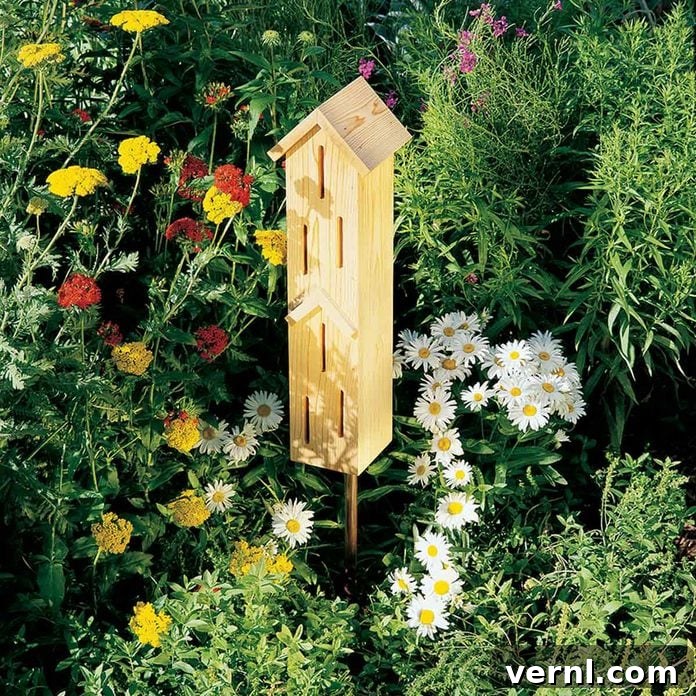
4. Offer Safe Havens and Roosting Spots
Butterflies, like all creatures, need places to rest, hide from predators, and shelter from adverse weather conditions. They seek out small, protective nooks and crannies to roost overnight, escape from birds or other threats, and even to overwinter in some stages of their life cycle.
While commercially available butterfly houses with slot openings might look charming, research indicates that butterflies are far more attracted to natural environments. Think about incorporating elements like hollow logs, crevices within rock walls, loose bark on trees, dense shrubbery, or even a neatly stacked pile of firewood. Tall grasses and overgrown areas in a less manicured part of your garden can also provide excellent natural shelter. These natural ‘hangouts’ offer the security and protection butterflies instinctively seek, making your garden a safer and more appealing destination.
5. Designate Dedicated Sunbathing Spots
Butterflies are cold-blooded insects, meaning they rely on external heat sources to regulate their body temperature. In the early morning, you’ll often see them basking in the sun, spreading their wings to absorb warmth until they are warm enough to fly and go about their daily activities. Without sufficient warmth, they are unable to fly and forage effectively.
You can easily integrate basking spots into your garden design. If your puddling station is strategically placed in a sunny location, it can serve double duty as a warm resting area. Alternatively, placing concrete paver bricks, flat stones, or even a patch of bare, dark soil in a sun-drenched, protected area of your garden will provide ideal surfaces for butterflies to absorb solar energy. Position these spots away from strong winds to maximize their effectiveness, creating inviting warmth that helps these winged beauties kickstart their day.
6. Create a Sheltered and Calm Environment
Butterflies are delicate creatures and prefer calm, sheltered environments over exposed, windy areas. A garden that offers protection from strong winds and harsh elements will be significantly more attractive to them. Think about creating microclimates within your garden where conditions are more stable.
When planning the placement of your nectar plants, host plants, water sources, and basking areas, prioritize locations that are naturally protected. This could be an area sheltered by a sturdy fence, the side of a building, a dense clump of trees, or large, robust plants that act as windbreaks. Layering your plantings, with taller plants at the back and shorter ones in front, can also help to break up wind flow. A tranquil, secluded spot where they can feed, rest, and lay eggs undisturbed will ensure butterflies feel secure and encourage them to linger and thrive in your garden.
7. Practice Safe, Eco-Friendly Pest Management
This tip is paramount for the health and survival of butterflies and all beneficial insects. The use of pesticides, herbicides, and other harmful chemicals can be devastating to butterflies at all stages of their life cycle – from eggs and caterpillars to adult butterflies. Even organic pesticides, if not carefully chosen and applied, can sometimes harm non-target insects.
Embrace non-toxic pest control methods and integrated pest management (IPM) strategies. Encourage natural predators like ladybugs and lacewings by providing diverse plantings. Hand-pick larger pests, use strong water sprays to dislodge aphids, or employ companion planting to deter unwanted insects. Remember that the caterpillars, while sometimes appearing to “damage” plants, are essential stages of the butterfly’s life. A truly butterfly-friendly garden accepts a certain level of plant nibbling as a sign of success. By committing to an organic and chemical-free approach, you create a safe haven where butterflies can flourish without fear of toxic exposure.
Understanding the Butterfly Life Cycle: A Holistic Approach
To truly support butterflies, it’s vital to understand their complete metamorphosis: egg, larva (caterpillar), pupa (chrysalis), and adult butterfly. Each stage has unique needs. Eggs are laid on specific host plants. Caterpillars emerge and feed voraciously on these plants to grow. They then transform into a pupa, undergoing a remarkable change, before emerging as a beautiful adult butterfly. By providing both host plants for caterpillars and nectar plants for adults, along with water, shelter, and basking spots, you are fostering a complete life cycle, ensuring a continuous presence of these delicate pollinators in your garden year after year.
Continuous Blooms for Year-Round Appeal
A successful butterfly garden offers sustenance from early spring through late fall. Plan your garden with a variety of plants that bloom at different times of the year. Early spring flowers provide essential nectar for emerging butterflies, while late-season blooms are critical for species preparing for migration or overwintering. By maintaining a continuous floral display, you ensure that butterflies always find a reliable food source in your garden, encouraging them to visit frequently and stay longer.
FAQs About Attracting Butterflies to Your Garden
Why should I plant butterfly-friendly flowers in my garden?
Beyond their undeniable beauty and the sheer joy they bring to your garden, butterflies are vital pollinators. They play a crucial role in the reproductive cycle of many plants by transferring pollen, which enables fertilization and seed production. This process is essential for the health of both ornamental plants and many food crops. As Tammy Sons emphasizes, “Insects like bees and butterflies are important to our food and flower production. So if you want healthy plants and gardens, you have to attract pollinators.” A garden that supports butterflies is a thriving, healthy ecosystem.
What are some of the most affordable and effective butterfly-friendly plants?
You don’t need to break the bank to create a beautiful butterfly garden. Butterflies are attracted to a wide array of nectar-rich flowers with vibrant blooms that are often readily available and budget-friendly. According to Tammy Sons, “Inexpensive favorites include purple coneflower, bee balm, and milkweed. They are hardy, pretty and they are native to most areas.” Native plants are particularly beneficial as they are naturally adapted to your local climate and soil conditions, often requiring less water and maintenance, while providing the most relevant food sources for local butterfly species.
How can I ensure my garden caters to local butterfly species?
The best way to attract local butterfly species is by planting native plants. Native plants are those that naturally occur in your region and have co-evolved with local wildlife, including butterflies. They are perfectly suited to the local climate, soil, and ecological conditions, making them ideal host and nectar sources. Consult local nurseries, extension offices, or native plant societies for lists of plants specific to your area. This approach ensures maximum ecological benefit and success.
About the Expert
- Tammy Sons is a highly respected plant expert and the CEO of TN Nursery, a distinguished family-owned business based in Tennessee. With roots stretching back to 1959, Tammy has skillfully expanded TN Nursery’s reach to encompass nearly 400 acres of plant availability, drawing from both their own extensive farm and a network of other dedicated growers. Her profound knowledge and passion for horticulture make her an invaluable voice in the gardening community.