
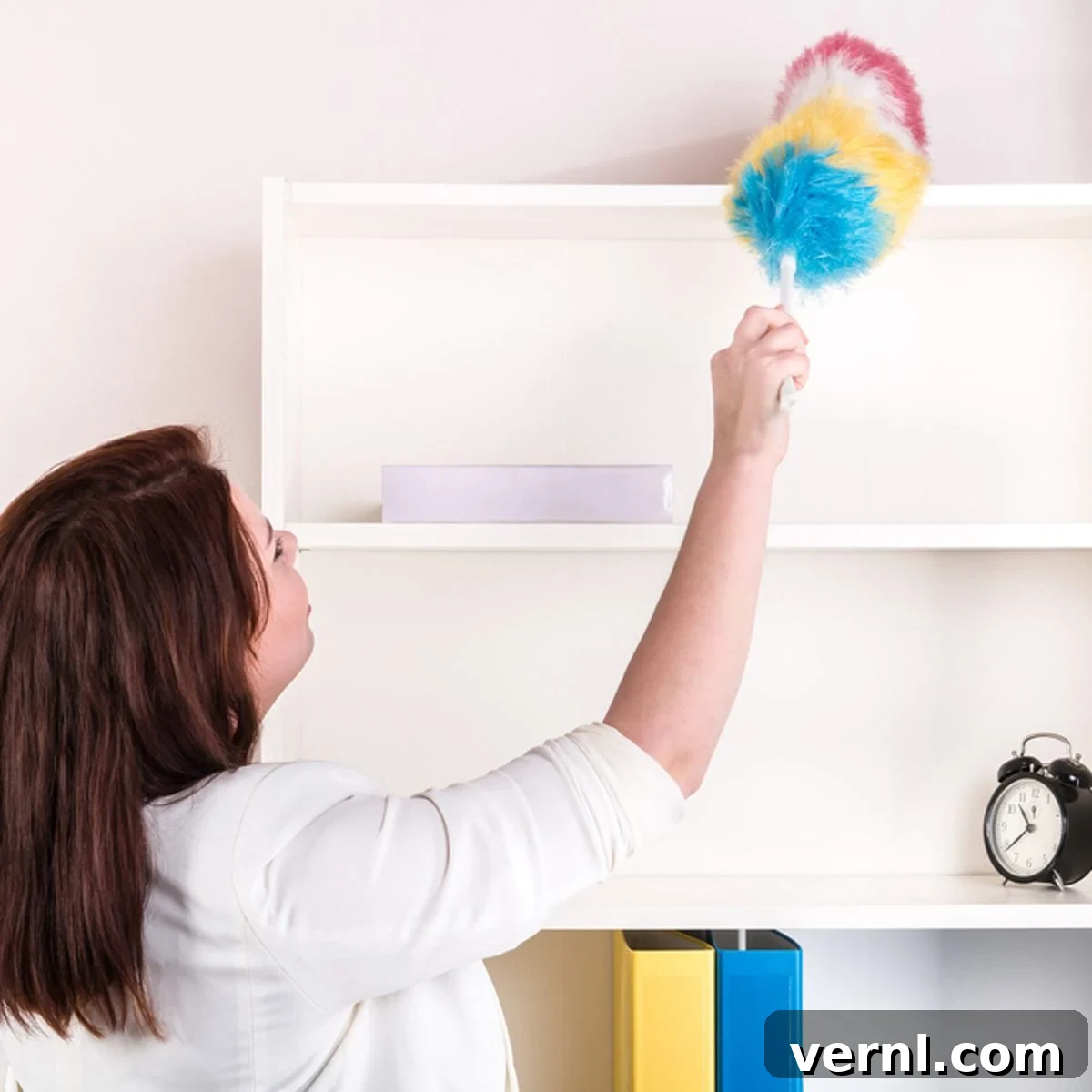
The battle against common household dust is a perennial one, a struggle waged in nearly every home around the globe. While complete eradication remains an elusive dream, managing the persistent invasion of dust is entirely achievable. You might diligently wipe surfaces clean one week, only to find a faint gray film resettling on picture frames, mantelpieces, and bookshelves just days later, with elusive dust bunnies congregating beneath beds and furniture. This continuous cycle highlights a fundamental truth: dust is an omnipresent challenge, especially when considering the invisible particles that constitute airborne dust.
Despite advancements in home cleaning technology, such as vacuums equipped with superior filtration systems and sophisticated whole-house air purifiers, the task of dusting remains a cornerstone of weekly household chores. There’s no magical solution to make dust vanish permanently; rather, effective dust control hinges on consistent effort and strategic cleaning practices. The foundational approach, much like the wisdom passed down through generations, is simple: clean, clean, clean. However, understanding the most efficient sequence, such as whether you should dust or vacuum first, is crucial for maximizing your efforts.
This comprehensive guide aims to equip you with the knowledge and techniques to effectively manage dust in your home. By identifying the primary sources of dust and understanding where it tends to accumulate, you can focus your cleaning efforts on these key areas, significantly reducing airborne particles and maintaining a healthier, cleaner living environment. Our insights will help you put a significant damper on dust before it even has a chance to become airborne, transforming your cleaning routine into a more efficient and impactful process.
What Is Household Dust Made Of?
To effectively combat dust, it’s important to understand its composition. For practical purposes, household dust can be broadly categorized into two main groups: the “small stuff” that’s visible to the naked eye, and the “really small stuff” that often goes unnoticed but can have a significant impact on indoor air quality. The visible dust is what most homeowners are familiar with – the grayish film on surfaces, the clumps in corners, and the accumulation on bookshelves.
This visible dust is a complex mixture of various particles originating from both inside and outside your home. A substantial portion consists of tiny dirt particles tracked in from outdoors. These particles hitch a ride on shoes, clothing, and pets as you enter your home, and are also carried in by the wind through open windows and doors. The sheer volume of outdoor debris entering your home daily contributes significantly to your overall dust problem.
Beyond outdoor dirt, household dust is rich in a variety of indoor-generated materials. These include abundant fabric fibers shed from rugs, carpets, upholstery, and clothing. This is the same lint you regularly clean from your dryer screen, miniaturized and spread throughout your living spaces. Other common components include pet dander (microscopic flakes of skin shed by animals), human hair, pollen (especially during allergy season), microscopic plastic particles from synthetic materials, dust mites and their waste products, and even minuscule fragments of dead insects.
These particles vary significantly in size, typically ranging from 10 to 300 microns (one micron is equivalent to 1/1000th of a millimeter). To put this into perspective, if you have exceptionally sharp eyesight, you might just discern a 20-micron fabric filament suspended in a beam of sunlight. In contrast, a strand of human hair typically measures around 100 microns in thickness, making many dust particles considerably smaller and harder to see individually.
Then there’s the “really small stuff”—particles smaller than 10 microns. These microscopic particles are generally invisible to the naked eye unless they accumulate in extremely high concentrations. While your home invariably contains millions of these tiny particles, their minute size means they contribute minimally to the visible dust you encounter. However, these ultrafine particles are often the most problematic for indoor air quality and respiratory health.
If you or a family member experience health issues related to dust, such as persistent allergies or asthma, it is crucial to consult a physician before attempting expensive home remedies. Effective dust control strategies for these extremely small particles can be challenging and costly, potentially requiring significant changes like replacing carpeting with alternative flooring or investing in specialized vacuum cleaners. Your doctor can help identify the specific allergens causing your issues, allowing you to implement targeted control strategies rather than undertaking a broad, less effective attack on all types of dust.
Does Dust Contain Dead Skin Cells?
Yes, household dust does contain dead skin cells, but perhaps not to the extent popular culture and urban myths might lead you to believe. A significant portion of the dead skin cells we shed daily typically goes down the drain during showers or hand washing. While it’s true that there will be some dead skin present in that elusive ball of dust beneath your couch, the widely held belief that dead skin cells make up the majority of dust in your home is largely an exaggeration. The predominant components are usually fabric fibers, dirt, pet dander, and other environmental particles.
How to Effectively Get Rid of Dust
Completely preventing dust accumulation in your home is an impossible feat, given its diverse origins and constant generation. However, by adopting a systematic and proactive cleaning approach, you can significantly control its presence and prevent it from becoming overwhelming. The key lies in strategic cleaning, focusing on areas where dust originates and settles most frequently.
Start at the Top: Gravity is Your Ally
When embarking on a comprehensive dusting routine, always remember to clean walls, ceilings, and other high surfaces first. This fundamental principle leverages gravity: as you dislodge dust from higher areas, it naturally falls downward. If you were to start with floors or furniture closer to the ground, the dust you remove from above would simply resettle on your already cleaned surfaces, making your efforts redundant. By tackling the heights initially, you ensure that all falling debris is addressed in subsequent cleaning steps.
Utilize a vacuum cleaner with a soft brush or dusting attachment to carefully clean ceilings and walls, working slowly and methodically from top to bottom. Pay particular attention to corners, crown molding, and the often-overlooked ceiling fans. Fan blades, in particular, can accumulate a surprisingly thick layer of dust that gets immediately dispersed throughout the entire room the moment the fan is switched on. Regular cleaning of these high-up areas is vital for improving overall indoor air quality. Don’t forget light fixtures and the tops of tall cabinets, which are also prime dust-collecting spots.

Vacuum Carpets and Shake Out Rugs Weekly
Carpeting, despite its aesthetic appeal and comfort, acts as a world-class dust-collector. Its intricate fibers trap dust particles, pet dander, and allergens, holding them deep within its pile. Every footstep across a carpet inevitably releases some of these trapped particles back into the air, contributing to airborne dust. While vacuuming is essential, it’s virtually impossible to completely sanitize a carpet; it’s akin to attempting to collect every single leaf from a dense forest.
Frequent vacuuming, especially in high-traffic pathways, will not entirely eliminate dust, but it will dramatically reduce its volume and prevent deep accumulation. Moreover, regular vacuuming helps remove abrasive sand and dirt particles that can prematurely wear down carpet fibers, extending the life and appearance of your flooring. When vacuuming, use a machine with strong suction and a HEPA filter to trap fine particles effectively. For best results, vacuum slowly, making multiple passes over the same area.
Area rugs offer a more manageable cleaning solution compared to wall-to-wall carpeting. They can be easily taken outdoors and thoroughly shaken or beaten to dislodge trapped dust and dirt. For a deeper clean, consider sending them to professional cleaners periodically, especially if they are heavily soiled or made of delicate materials.
Don’t overlook upholstered furniture. Cushions and pillows, much like carpeting, act as dust traps, collecting and then spewing particles back into the air every time someone sits on them. Make it a point to regularly vacuum furniture cushions using an upholstery attachment and wash removable pillow covers to minimize dust buildup.
Clean Bedrooms and Vacuum Closets Weekly
Bedrooms are often significant sources of indoor dust due to the constant shedding of fabric fibers from bedding, clothing, and curtains. Furthermore, dead skin flakes, a natural part of human biology, can accumulate in bedding. Regular laundering of sheets, pillowcases, and duvet covers is crucial for keeping dust and potential allergens at bay.
For individuals who suffer from allergies or asthma, bedrooms frequently rank as the most critical area for rigorous dust control. Consider using allergen-proof encasings for mattresses and pillows, and wash bedding in hot water (at least 130°F or 54°C) weekly to kill dust mites.
Closets, though often hidden from view, are also major dust collectors. Every time you pull out an item of clothing or a pair of shoes, fabric fibers and dirt particles are dislodged and launched into the air. These dust particles then gradually settle downward. To make closet cleaning more effective and efficient, it’s beneficial to declutter your closet regularly. Fewer items mean less surface area for dust to accumulate and easier access for vacuuming or wiping shelves. Consider storing seldom-used items in sealed containers or garment bags to prevent dust accumulation.
Clean Hidden Dust Collection Spots
Some of the most problematic areas for dust accumulation are those that remain out of sight and, consequently, out of mind. These “hidden dust collection spots” include the spaces under beds and furniture, behind the stove and refrigerator, and inside heating and cooling vents. Once dust settles in these undisturbed locations, it can build up substantially over time, creating a haven for dust mites and other allergens.
Regularly cleaning these forgotten areas is particularly important if you or someone in your household suffers from allergies, as dust mites thrive in these undisturbed, often warm and dark environments. Use a vacuum with appropriate attachments, such as a crevice tool or an extendable hose, to reach deep into these spots. For areas behind appliances, carefully pull them out (if safe to do so) and thoroughly clean the floor and wall surfaces. This proactive approach prevents deep accumulation and improves overall air quality.
Dusting Hard Surfaces: The Damp Cloth Advantage
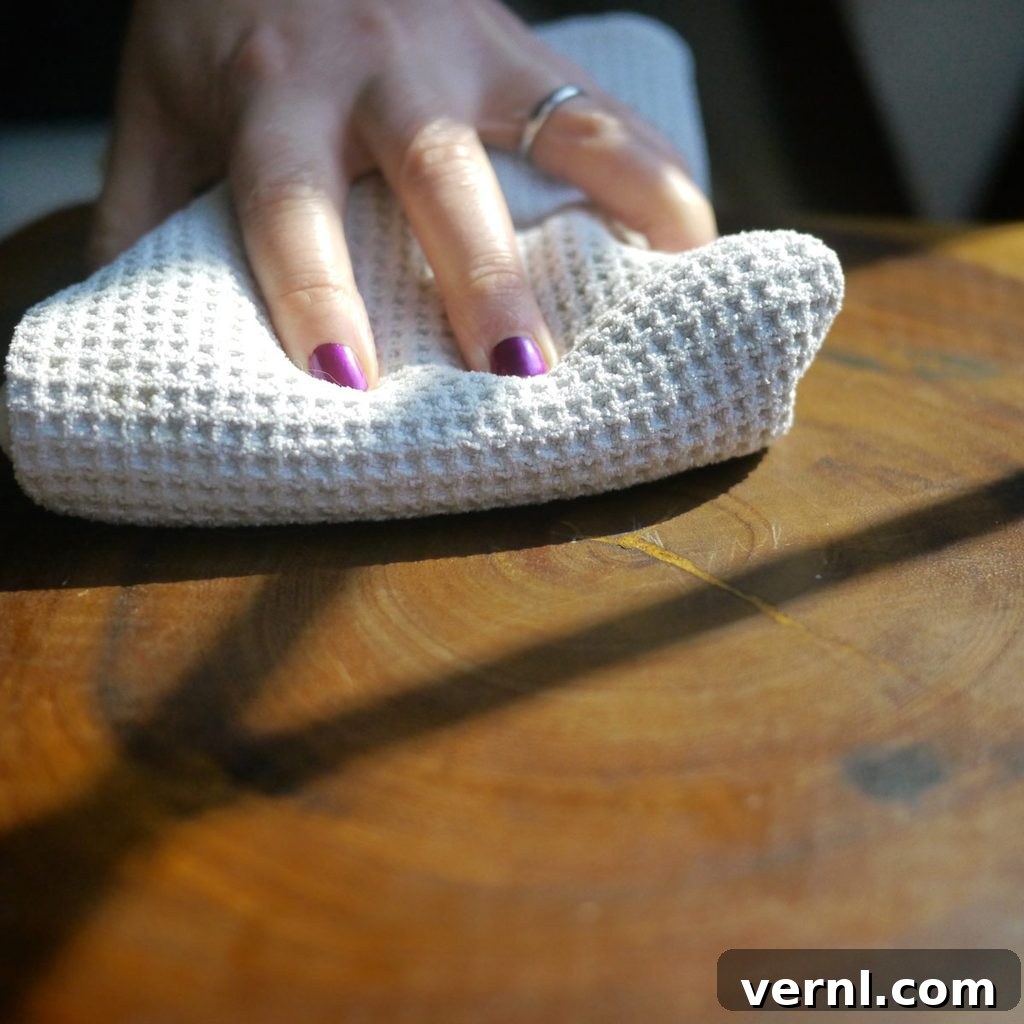
When it comes to cleaning hard, smooth surfaces such as wood furniture, glass tables, or countertops, a slightly damp cloth is often the most effective tool. The key is “damp,” not wet. A cloth that is too wet can leave behind streaks, carry dirt to new areas, and potentially damage the finish of fine furniture. A damp cloth works by effectively trapping dust particles, causing them to stick to the fabric rather than simply stirring them up into the air, where they would eventually resettle elsewhere.
Microfiber cloths are highly recommended for dusting hard surfaces. Their unique microscopic fibers are incredibly efficient at capturing and holding dust, dirt, and allergens, making them superior to traditional cotton cloths. Electrostatic dusters, which are designed to attract dust through static electricity, are another excellent option, especially for delicate items or intricate surfaces. Many of these products are available with extendable handles, allowing you to reach high shelves, ceiling corners, and the tops of doorframes with ease, ensuring comprehensive dust removal.
Contrary to popular belief, you often do not need specialized spray products like Pledge for dusting, especially on wood surfaces. Many of these products contain silicone, which can lead to a waxy buildup over time, attracting more dust and potentially dulling the natural sheen of your wood. For most surfaces, a simple damp cloth followed by a dry buffing with a clean microfiber cloth will achieve excellent results without the risk of product residue.
Declutter Your House: Less Surface Area, Less Dust
One of the most impactful strategies for effective dust control is simply to declutter your living spaces. Dust thrives on clutter. Every item, every knickknack, every stack of papers provides another surface for dust to settle upon, making cleaning more time-consuming and arduous. A cluttered environment can demoralize even the most seasoned house cleaner, increasing the effort required and often leading to less thorough cleaning.
By reducing the number of exposed items, you significantly decrease the surface area available for dust accumulation. Store items you’re not actively using in enclosed cabinets, drawers, or storage bins. For cherished knickknacks and decorative items, consider enclosing them in glass showcases or display cabinets. Not only does decluttering make your home appear cleaner and more organized, but it also drastically simplifies your dusting routine, allowing you to wipe down surfaces much more quickly and efficiently. A minimalist approach to decor can be a powerful ally in the fight against dust.
What Are Dust Mites?
Dust mites are microscopic arachnids, close relatives of spiders and ticks, characterized by their eight legs and lack of antennae. These tiny creatures are an integral, albeit unwelcome, component of household dust and are among the most common triggers for indoor allergies.
These minuscule organisms thrive in almost every home, particularly in environments that offer warmth, humidity, and an abundant supply of their primary food source: dead skin flakes shed by humans and pets. Their preferred habitats include bedding, upholstered furniture, carpets, rugs, curtains, and other soft surfaces where skin cells readily accumulate. Though they are an almost invisible speck, typically measuring around 250 microns in size, their presence can be quite significant for sensitive individuals.
Fortunately, dust mites do not bite or burrow under the skin of humans or animals. They are scavengers, using a specialized opening on their bodies to scoop up dead skin flakes and secreting enzymes to break down their food for digestion.
The primary concern with dust mites lies in their role as a leading cause of indoor allergic reactions. Their fecal matter and decaying body fragments contain potent allergens that, when inhaled, can trigger symptoms of asthma, allergic rhinitis (hay fever), and various other respiratory issues in susceptible individuals. Understanding their habitat and life cycle is crucial for implementing effective control strategies.
How to Get Rid of Dust Mites
While dust mites are pervasive, their populations can be effectively managed with consistent and targeted cleaning strategies. In most homes, their presence isn’t a significant problem if proper hygiene is maintained.
One of the most effective methods for controlling dust mites is regular laundering of bedding. Wash sheets, pillowcases, and blankets weekly in hot water (at least 130°F or 54°C) to kill dust mites and wash away allergens. Consider using allergen-proof mattress and pillow covers, which create a barrier that dust mites cannot penetrate, thus reducing exposure to allergens during sleep.
Frequent and thorough vacuuming is also vital. Pay special attention to upholstered furniture, carpets, and rugs, using a vacuum cleaner equipped with a HEPA (High-Efficiency Particulate Air) filter. A HEPA filter is designed to capture tiny particles, including dust mite allergens, preventing them from being recirculated into the air. Vacuuming soft fabrics where people and pets frequently sit is particularly important.
Another crucial strategy is managing indoor humidity levels. Dust mites thrive in humid environments (ideally above 50% relative humidity). Investing in a dehumidifier can significantly help by maintaining indoor humidity below 50%, making your home a less hospitable environment for these arachnids. Monitor humidity levels with a hygrometer to ensure they stay within the recommended range of 30-50%.
Consider incorporating an air purifier with a HEPA filter into your home. While not a standalone solution, an air purifier can effectively remove airborne animal dander, pollen, and dust mite allergens, further contributing to improved indoor air quality and reduced allergen exposure. When purchasing, look for models certified to capture particles as small as 0.3 microns.
Additional steps include minimizing upholstered furniture in bedrooms, regularly cleaning pet bedding, and, for severe allergy sufferers, potentially opting for hard-surface flooring over carpeting. By combining these methods, you can significantly reduce dust mite populations and create a healthier, more comfortable living space.