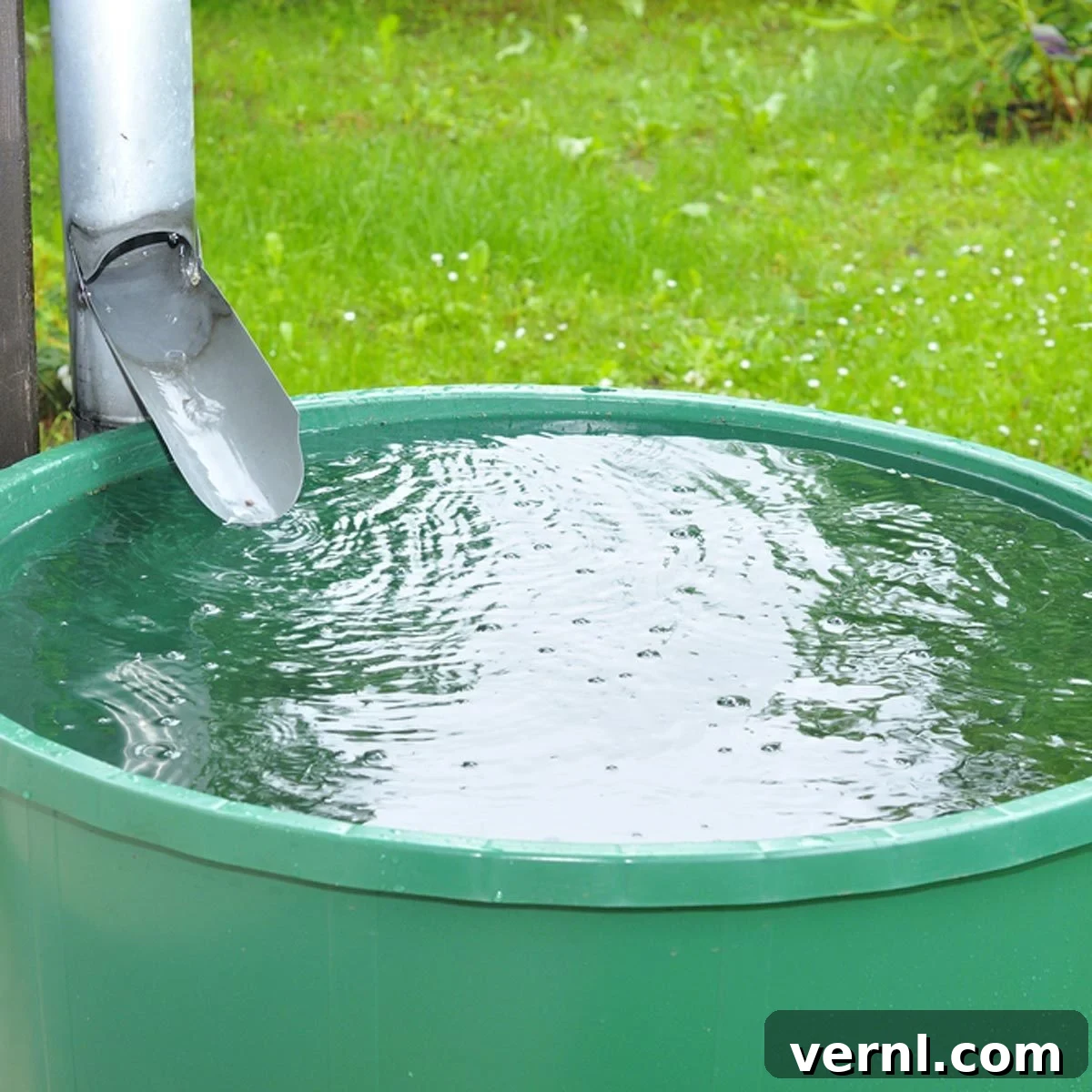
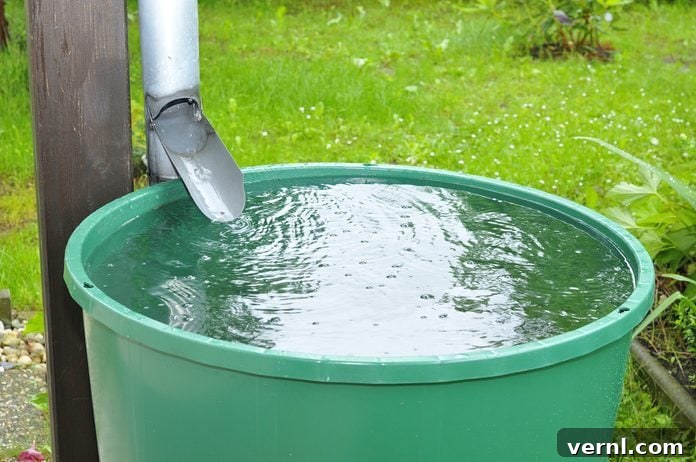
In an era increasingly defined by environmental consciousness and resource management, the practice of collecting rainwater – often referred to as rainwater harvesting – is gaining significant traction. Many homeowners and businesses are exploring this sustainable method to conserve water, reduce utility bills, and lessen their environmental footprint. Yet, what seems like a simple, eco-friendly act of putting a barrel outside to catch falling rain can, surprisingly, be entangled in a complex web of laws and regulations across the United States. While seemingly harmless, the legality of rainwater harvesting varies drastically from state to state, with over a dozen states having specific statutes governing this practice. For anyone considering installing a rain barrel system or a more elaborate rainwater collection setup, a thorough understanding of local and state laws is not just recommended, but absolutely essential to ensure compliance and avoid potential legal repercussions.
The Unexpected Legal Landscape of Rainwater Harvesting
The concept of simply collecting rainwater may seem innocuous, but state legislatures have established rules and guidelines that dictate how, when, and for what purposes water can be collected. These regulations are not arbitrary; they are often rooted in deeply historical legal frameworks concerning water rights, public safety, and environmental quality. According to authoritative sources like the National Conference of State Legislatures, the act of rainwater harvesting can have far-reaching implications, impacting everything from established water quality standards and public health safeguards to the intricate system of water rights.
Indeed, “water rights” are a tangible and historically significant legal concept. These rights represent a type of interest or entitlement that can be associated with real estate ownership, particularly when a property is located near a natural body of water. Such rights grant the landowner permission to utilize that body of water and any precipitation that falls within its natural drainage basin. The core principle behind many of these regulations is that all precipitation, once it hits the ground, naturally flows into designated waterways, eventually joining rivers, lakes, or groundwater systems. In some states, all such precipitation is legally considered to belong to existing water-rights owners, meaning that collected rainwater, by being diverted, is perceived as being withheld from its “rightful” path and owners downstream.
A comprehensive journal published by the University of North Carolina, titled “Rainwater Collection, Water Law, and Climate Change: A Flood of Problems Waiting to Happen,” delves deeply into the intricacies of water rights. It asserts that any form of rainwater collection – whether through simple gutters on a roof or more sophisticated drainage control systems – “infringes on the water rights lawfully belonging to someone ‘downstream.'” While this might seem like an overreach for a small rain barrel, the cumulative effect of widespread collection, especially in regions prone to drought or experiencing other water scarcity challenges, can be substantial. For these areas, such legislation is seen as a necessary measure to protect vital water resources and maintain ecological balance, ensuring that essential water flows are not unduly interrupted.
Can Collecting Rainwater Lead to Legal Trouble?
For most homeowners, collecting a modest amount of rainwater in a single barrel attached to a gutter is unlikely to cause significant harm or attract legal scrutiny. However, there have been instances where large-scale, unregulated rainwater collection has led to severe legal consequences. A notable case from 2012 involved a man in Oregon who faced legal action after collecting an astonishing 13 million gallons of water and constructing three substantial reservoirs on his property through extensive rainwater harvesting. This extreme example highlights that while casual collection is often overlooked, large-scale diversions of water can indeed fall foul of established water rights and environmental regulations, potentially resulting in hefty fines or even imprisonment.
The legal framework surrounding rainwater harvesting is highly nuanced. While many states actively permit and even encourage rainwater harvesting as a sustainable practice, others impose specific rules and regulations that govern its collection and use. These regulations frequently categorize water usage into “potable” and “non-potable” purposes. “Non-potable” water is unsuitable for drinking, cooking, or bathing but can be used for irrigation, toilet flushing, or other outdoor applications. “Potable” water, conversely, is deemed safe for human consumption and all domestic uses. Understanding these distinctions is crucial, as state laws often permit non-potable use with minimal restrictions, while potable use typically requires stringent treatment and permitting processes.
Below is an overview of specific states and their regulations concerning rainwater harvesting, offering a glimpse into the diverse legal landscape across the U.S. Always remember that state laws can change, and local ordinances (county, city) may add further restrictions. It is always advisable to consult with local authorities or a legal professional before implementing any significant rainwater harvesting system.
Alaska
In Alaska, rainwater harvesting is not only permitted but actively encouraged, often considered a primary and sustainable source of water, particularly in remote areas. However, regulations become stricter when it pertains to groundwater harvesting or drawing from existing surface bodies of water. The Alaska Department of Natural Resources mandates that residents near a specific body of water must possess established water rights to utilize that water source. If a property owner has not received a water rights transfer from a previous owner, they are required to apply for new water rights, a process that typically involves submitting an application accompanied by an appropriate fee. This distinction ensures the equitable distribution and conservation of the state’s natural water resources.
Arkansas
Collecting rainwater in Arkansas is generally permissible, provided it adheres to specific conditions designed to ensure safety and prevent contamination. The harvested water is primarily approved for non-potable purposes, such as irrigation or toilet flushing. Crucially, any system used for collection must be professionally designed by a licensed engineer, incorporating appropriate cross-connection safeguards to prevent the mixing of non-potable and potable water supplies. Furthermore, all installations must strictly comply with the Arkansas Plumbing Code, ensuring that systems are safely and effectively implemented.
California
California, a state frequently grappling with water scarcity, generally permits rainwater harvesting from rooftops without the need for a state board permit, aligning with its efforts to promote water conservation. However, the regulations become more specific depending on the intended use and scale. While collecting rainwater for landscaping purposes might require a license, particularly for professional installations, simple residential use is often unrestricted. If a rain capture system is being implemented to create a significant water supply for features like a swimming pool, hot tub, decorative fountains, or ponds, a licensed landscaper or contractor authorized to enter a prime contract for such a system must be involved, ensuring proper design and installation.
Colorado
For a significant period, Colorado maintained exceptionally strict regulations due to its emphasis on protecting senior water rights – a complex system prioritizing older water claims. However, a pivotal legislative shift occurred after a comprehensive study revealed that a mere three percent of collected rainwater actually reached streams or groundwater sources. This scientific insight prompted the state to revise its legislation, allowing residential homeowners to legally collect up to two rain barrels, totaling approximately 110 gallons. Crucially, this harvested water is restricted to outdoor, non-potable uses solely on the property where it was collected, primarily for purposes like lawn irrigation and gardening, striking a balance between sustainable practices and established water rights.
Illinois
Rainwater harvesting is legal and actively promoted in Illinois, with two key statutes shaping its implementation. House Bill 991, enacted in 2011, primarily addresses solar energy rights but also requires homeowners’ associations to explicitly state if rain collection is permitted within their communities. If allowed, the associations must outline specific location, design, and architectural requirements for these systems, ensuring aesthetic consistency and safety. Additionally, the state’s Green Infrastructure for Clean Water Act further champions rainwater harvesting as a vital component of broader water conservation, efficiency, infrastructure development, and integrated water management strategies.
Kansas
Kansas permits water collection, but similar to Alaska, it operates under a system that prioritizes existing water rights. The Kansas Water Appropriation Act is a critical piece of legislation designed to protect individuals’ rights to utilize both ground and surface water within the state. Consequently, if you do not hold an existing water right associated with your property or fail to apply for one, collecting rainwater beyond minimal domestic use can be deemed illegal. However, the law makes an important exception for domestic use, which encompasses household needs, livestock watering, and irrigation for up to two acres of lawn and gardens. For clarity on what constitutes domestic use and to ensure compliance, the Kansas Department of Agriculture’s Division of Water Resources offers guidance and explanations of water law basics.
Louisiana
Rainwater harvesting is unequivocally legal in Louisiana, reflecting a generally favorable stance towards water collection in the state. However, simple precautions are advised to ensure public health and safety. It is recommended that any rain barrel or cistern used for collection be equipped with a suitable cover to prevent debris, insects, and other contaminants from entering the water. Furthermore, Louisiana law strictly prohibits the sale of polluted water, a regulation that also extends to ice. While not directly prohibiting collection, this law underscores the state’s commitment to water quality and subtly encourages responsible harvesting practices.
Nevada
Historically, rainwater collection was illegal in Nevada, reflecting a strong emphasis on established water rights in this arid state. However, a significant legislative change occurred with a 2017 bill that modernized the state’s approach. This new law now permits rainwater collection specifically for non-potable domestic use, acknowledging the value of conservation for household applications like landscaping. Additionally, the bill allows for remote guzzlers for wildlife, which can hold up to 20,000 gallons of water with a capture area not exceeding one acre, and their piping systems cannot extend longer than 1/4 of a mile. This demonstrates a balanced approach, promoting sustainable practices while still managing water resources carefully.
North Carolina
North Carolina generally supports rainwater harvesting, recognizing its potential for water efficiency, but it implements this practice with a clear set of regulations. The Department of Environment and Natural Resources is mandated to provide statewide outreach and technical assistance concerning water efficiency, which includes developing best management practices for water reuse, harvesting, and greywater utilization. Furthermore, State Law 243 introduced crucial changes to the plumbing code, facilitating the integration and use of cistern water in both residential and commercial buildings. For homeowners, Appendix C-1 of the state’s guidelines offers detailed information on rainwater recycling systems. Key requirements include that all rainwater systems must undergo inspection, can only collect water from building rooftops or other approved catchments, and all reservoirs must be approved, equipped with an approved filter strainer, disinfected, and distinctively colored blue or green to identify them as non-potable sources.
Ohio
Ohio maintains a relatively permissive stance on rainwater collection, even allowing for potable purposes under specific conditions. Homeowners and property owners are generally free to catch rainwater for various uses. However, if the collected water is intended to provide drinking water for a group of fewer than twenty-five people, the system falls under the regulatory oversight of the Ohio Department of Health. This regulation ensures that any system supplying potable water, even at a smaller scale, adheres to stringent health and safety standards to protect public well-being, including requirements for treatment, testing, and maintenance.
Oregon
Rainwater collection is generally legal in Oregon, a state known for its abundant rainfall. However, the state places clear stipulations on the use of public water resources. If you intend to draw water from a public source, such as a stream, river, or public well, a water rights permit is typically required. An exception is made if the general public already has unrestricted access to that particular water source, meaning private appropriation isn’t necessary. For rainwater harvested from one’s own property, especially from rooftops, a permit is generally not required, allowing property owners to pursue sustainable water management practices without undue bureaucratic hurdles, as long as the collection doesn’t interfere with existing water rights on a significant scale.
Texas
Texas has undergone significant legislative changes regarding rainwater harvesting, evolving into a state that actively encourages the practice. The state’s commitment is reflected in various bills, such as HB 3391. However, specific regulations still apply, particularly distinguishing between potable and non-potable uses. If a rainwater harvesting system is intended to connect with a public water supply system, written notice must be provided to the relevant municipality or the owner of that public system. Furthermore, the legislation establishes that if health issues arise from the consumption of such water, the municipality or public water system owner cannot be held liable, underscoring the homeowner’s responsibility for the safety of their harvested water. Texas law also prohibits municipalities from preventing public facilities from harvesting rainwater, and the Texas Water Development Board is tasked with providing quarterly training to municipality and county staff to support and standardize rainwater harvesting practices across the state.
Utah
Utah imposes some of the more stringent rules on rainwater harvesting, largely due to its arid climate and critical need to manage scarce water resources. Rainwater collection is explicitly permitted only on land owned or leased by the individual responsible for the collection. Senate Bill 32 is a key piece of legislation, mandating that individuals planning to collect up to 2,500 gallons of rainwater must register their system with the Division of Water Resources. This registration process helps the state monitor water usage and ensure equitable distribution. However, a small-scale exemption exists: registration is not required if a homeowner uses only one container that holds no more than 100 gallons, allowing for minimal, personal collection without bureaucratic overhead.
Washington
Washington State has relaxed some of its former restrictions, no longer requiring a permit to collect water from rooftops for many applications. However, the state still maintains a set of pretty strict regulations, and the rules can vary significantly by county. Therefore, it is always best practice to consult with your specific county’s planning or environmental department. Currently, a rainwater collection permit is typically not necessary if the harvested water is used exclusively on the property where it was collected and originates from existing structures whose primary purpose is not rainwater collection. It is crucial to verify that local ordinances do not impose additional restrictions on rainwater collection in your area. Furthermore, if the collected water is intended primarily for drinking in a new building, property owners must check with their county to ensure such use is permitted and meets all health and safety standards, which may include specific treatment and testing requirements.
In conclusion, while the idea of harvesting rainwater is intuitively appealing for its environmental and economic benefits, the legal landscape surrounding it is remarkably diverse and often complex. From states that actively encourage the practice to those with stringent regulations tied to long-standing water rights, the rules vary significantly. For any individual or entity considering rainwater harvesting, the fundamental takeaway is clear: always research and understand your specific local and state laws. Consulting local municipal offices, state environmental agencies, or even legal counsel can help ensure that your sustainable water collection efforts remain within legal boundaries, contributing positively to water conservation without running afoul of the law.