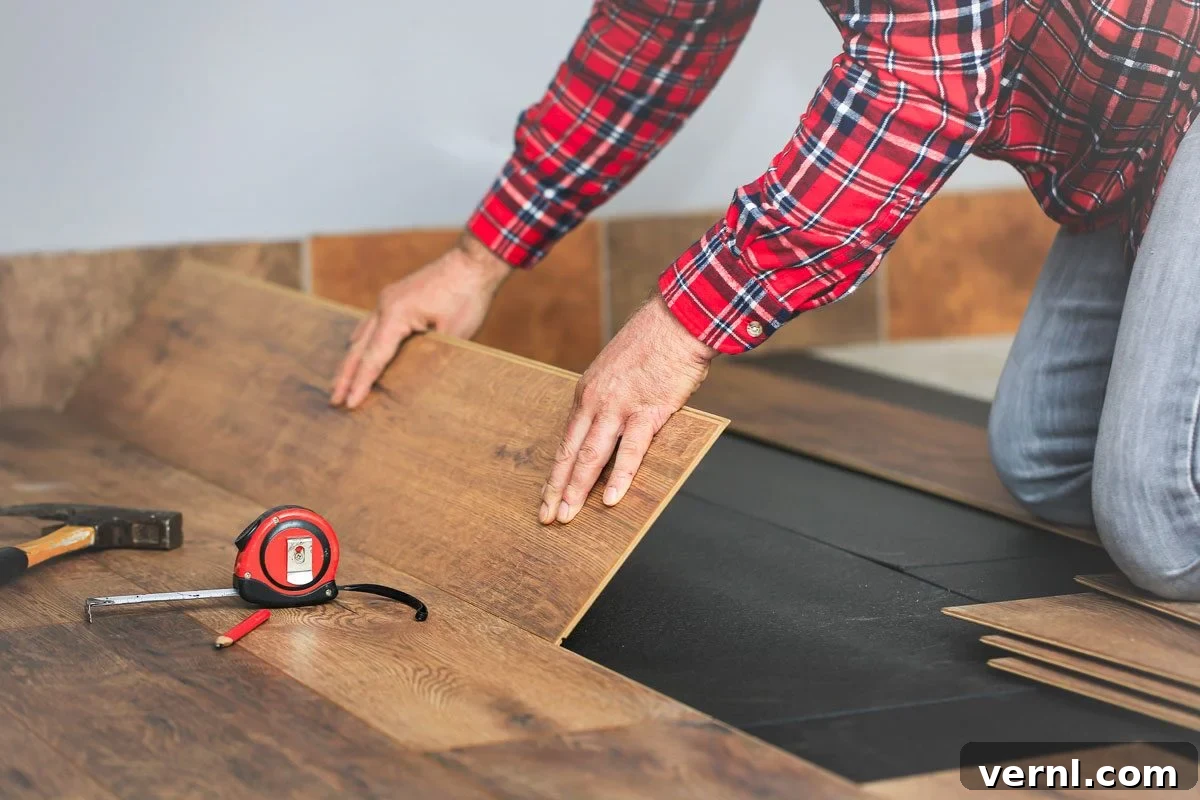
Welcome to Family Handyman’s Comprehensive Guide to Gorgeous Floors, your ultimate resource for transforming your home with stunning new flooring. Here, you’ll discover essential tips, expert insights, and practical advice to help you achieve the floors of your dreams and maintain their beauty for many years to come.
Investing in new flooring is one of the most impactful ways to elevate your home’s aesthetic appeal and significantly increase its market value. However, it represents a substantial investment, requiring careful consideration beyond just design preferences. Your budget, lifestyle, and long-term plans for your home are crucial factors in selecting the perfect flooring solution. This guide delves into the intricate relationship between new flooring costs and benefits, featuring invaluable advice from industry experts Gary Bernard of Holyoke Millwork and Alex Ciosek from Summerlin Floors.
Your Ultimate Guide to Choosing and Installing New Flooring
Embarking on a flooring renovation can feel overwhelming, but with the right information, you can make informed decisions that enhance your home’s comfort, style, and value. From understanding the varying costs of materials to assessing their longevity and impact on your property’s worth, this guide covers everything you need to know. We’ll explore popular flooring options, discuss hidden costs, and help you navigate the decision-making process to ensure your investment is both beautiful and wise.
Understanding the Cost of New Floors
The price of new flooring can vary dramatically depending on the material, quality, and installation complexity. “A general rule to follow is tile is the most expensive, followed by wood, laminate, vinyl and carpet,” notes Alex Ciosek. However, these are just averages, and prices can fluctuate based on regional labor costs, brand, and specific product features. Let’s break down the typical cost ranges for both materials and installation:
- Tile: A premium and durable choice, tile typically ranges from $10 to $50 per square foot. This broad range accounts for ceramic, porcelain, natural stone (like marble or granite), and specialized patterns or finishes. Installation costs can be higher due to the precision required for laying, grouting, and sealing.
- Hardwood: A classic and timeless option, hardwood flooring costs between $8 to $25 per square foot. Factors influencing this price include the wood species (e.g., oak, maple, walnut), plank width and thickness, engineered versus solid wood, and the finish type. Hardwood offers excellent longevity and can be refinished multiple times.
- Laminate: An affordable and versatile alternative, laminate flooring is priced from $2 to $13 per square foot. Its cost-effectiveness comes from its multi-layer synthetic construction, which mimics the look of wood or tile. While generally easier to install, the price can vary with the quality of the wear layer and the realism of its design.
- Vinyl (including LVT/LVP): Modern vinyl flooring, particularly Luxury Vinyl Tile (LVT) and Luxury Vinyl Plank (LVP), falls in the $2.50 to $13 per square foot range. This material has seen significant advancements, offering exceptional durability, water resistance, and aesthetic appeal that closely mimics natural materials. The price depends on the thickness, wear layer, and specific design features.
- Carpet: Often the most budget-friendly option for materials, carpet ranges from $2 to $8 per square foot. This includes the carpet material itself and typically standard padding. The cost is influenced by the fiber type (nylon, polyester, wool), pile height, density, and pattern. While often the lowest initial cost, its lifespan can be shorter than hard surfaces.
Beyond Materials: Additional Flooring Costs to Consider
When budgeting for new floors, it’s crucial to account for expenses beyond the material and basic installation. Overlooking these additional costs can lead to unexpected financial strain:
- Existing Floor Removal: If you’re replacing old flooring, the removal and disposal of the previous material can add significantly to the overall cost. This often involves labor charges and disposal fees.
- Subfloor Repairs and Preparation: A stable, level subfloor is paramount for successful new flooring installation. Any damage, unevenness, or squeaks in the subfloor must be addressed before new materials are laid down. This could involve patching, leveling compounds, or even replacing sections of the subfloor.
- Baseboards and Trim: New flooring often necessitates the removal or replacement of existing baseboards and shoe molding to ensure a clean, professional finish. This adds material and labor costs for carpentry.
- Professional Tradespeople: As Ciosek highlights, “For example, if you are doing a floor in a bathroom, the toilet will need to be removed by a plumber.” Similarly, gas lines might need disconnecting for kitchen flooring, or electrical outlets adjusted for thicker flooring. Budget for plumbers, electricians, or other specialists as needed.
- Furniture Moving and Protection: Unless you plan to do it yourself, professional installers may charge extra for moving heavy furniture. Also, consider costs for protecting adjacent areas during the renovation.
- Transition Strips and Underlayment: For many flooring types, underlayment provides cushioning, moisture protection, and sound dampening. Transition strips are necessary where different flooring materials meet. These are often separate costs.
How Long Does New Flooring Last?
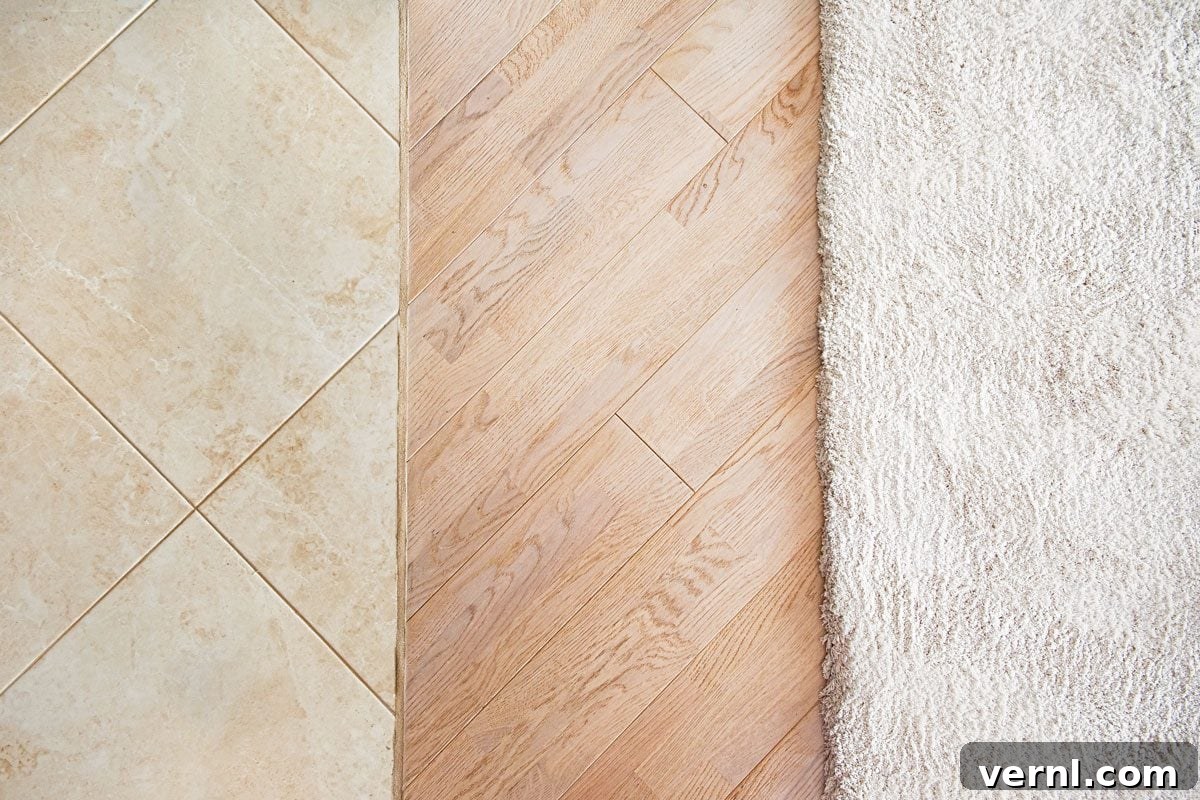
The longevity of your new flooring is a key factor in its overall value, and generally, more expensive options tend to offer greater durability and a longer lifespan. However, lifespan isn’t solely about material quality; proper installation, regular maintenance, and the level of foot traffic all play significant roles.
- Tile: Known for its exceptional durability, tile can last 25 to 50 years or even longer. It’s highly resistant to water, stains, and wear, making it ideal for kitchens, bathrooms, and high-traffic areas. However, as Gary Bernard points out, “styles become outdated and need to be replaced,” even if the material itself is still functional. Grout lines may also require periodic cleaning or resealing.
- Hardwood: A well-maintained hardwood floor is an investment that can last 30 to 100 years, or even more, depending on the wood species, finish, and the consistency of care. Solid hardwood can be refinished multiple times to restore its appearance, extending its life indefinitely. Engineered hardwood typically has a shorter refinishing lifespan but still offers excellent durability.
- Laminate: A mid-range option in terms of durability, laminate flooring typically lasts 10 to 30 years. Its lifespan is heavily influenced by the quality of its wear layer and how well it’s maintained. While resistant to scratches and dents, it’s not ideal for areas prone to excessive moisture, as water can cause the core to swell.
- Vinyl (LVT/LVP): Modern vinyl, especially luxury vinyl, offers impressive durability, lasting 10 to 30 years. It’s highly resistant to water, scratches, and everyday wear and tear, making it an excellent choice for busy households with pets or children, as well as moisture-prone areas like kitchens and bathrooms. The quality of the wear layer is crucial for its longevity.
- Carpet: Carpet generally has the shortest lifespan among common flooring materials, usually requiring replacement every five to 15 years. “Carpet really depends on where it is located, as well as usage,” explains Ciosek. “I have seen carpet that looks decent after 20 years, and carpet that is ready to be replaced in a year.” High-traffic areas, pets, and children can significantly reduce its lifespan, while quality of fiber and padding can extend it. Regular professional cleaning is essential for maintaining its appearance and longevity.
Does New Flooring Increase Home Value?
Absolutely, new flooring is a powerful tool for increasing a home’s value, particularly when it replaces worn, damaged, or aesthetically outdated materials. The impact can be substantial, transforming the entire feel and perceived quality of a property.
According to the National Association of Realtors (NAR), new hardwood flooring, in particular, can be a phenomenal investment, often recouping up to 118 percent of its cost at resale. This impressive return on investment (ROI) makes hardwood a top choice for homeowners looking to maximize their property’s value. Its timeless appeal, durability, and ease of maintenance are highly sought after by prospective buyers.
While hardwood offers the highest ROI, other flooring types can also boost value. Replacing old, stained carpet with fresh, clean carpeting can make a home feel more inviting and well-maintained. Upgrading to high-quality LVT or tile in kitchens and bathrooms can significantly enhance these key areas, which are major selling points for many buyers. The key is to choose materials that are not only durable and attractive but also align with the overall style and value of your home and neighborhood. A cohesive, updated flooring scheme throughout the main living areas often creates the most positive impression.
Should I Get New Flooring? Making the Right Decision
“Anyone with flooring needs should look into flooring upgrades,” advises Alex Ciosek. However, the decision to invest in new flooring is multifaceted and should be carefully weighed against several personal and financial factors. It’s never a good idea to overextend yourself financially for a purely cosmetic upgrade, no matter how appealing it might seem.
Here are key considerations to guide your decision:
Your Financial Situation and Budget
Evaluate your current finances. While new flooring is an investment, it should not jeopardize your financial stability. If your current floors are merely dated but still functional and safe, it might be wiser to wait and save up for your ideal flooring rather than rushing into a costly project that strains your budget. Budget-friendly options exist for every flooring type, but prioritize financial comfort.
Condition of Your Current Floors
Assess the state of your existing floors. Are they severely damaged, warped, or posing a safety hazard? If so, action is necessary, and even then, budget-conscious alternatives or repair options should be explored. If they are simply showing signs of wear or are aesthetically unappealing, a replacement might be more about personal preference and future home value than immediate necessity.
Your Long-Term Plans for the Home
How long do you intend to live in your current home? This is perhaps the most influential factor in choosing the type of flooring and the level of investment. Gary Bernard states, “If you’re in your forever home or are building a new home, it’s worth investing in the good stuff.” For long-term residency, durable, high-quality materials like hardwood or premium tile offer lasting enjoyment and excellent long-term value, even if the upfront cost is higher.
Conversely, for a shorter-term return on investment—perhaps if you plan to move within five to seven years—Bernard recommends installing luxury vinyl tile (LVT). LVT provides one of the best new flooring cost-vs.-benefit ratios for quicker turnarounds, offering modern appeal, durability, and water resistance at a more accessible price point than traditional hardwood or high-end tile, thus appealing to a broad range of buyers.
Lifestyle Considerations
Beyond cost and lifespan, consider your household’s unique needs. Do you have pets? Young children? Is it a high-traffic household? These factors should influence your material choice. For instance, LVT/LVP is excellent for homes with pets due to its scratch and water resistance. Hardwood can be beautiful but requires more careful maintenance with pets. Carpet, while soft, can be prone to stains and wear in busy family homes.
Permanent Flooring Alternatives: Budget-Friendly Options
The significant cost of traditional new flooring can sometimes lead homeowners to explore more budget-conscious alternatives. While flooring experts generally advise caution due to their limited durability and potential impact on home value, these options can provide practical, temporary solutions for those with very tight budgets or specific needs for utility spaces.
Neither Gary Bernard nor Alex Ciosek enthusiastically recommends these as permanent solutions for main living areas, citing concerns about longevity and overall aesthetic appeal. However, understanding their pros and cons can help you make an informed decision for specific applications.
Peel-and-Stick Vinyl
This DIY-friendly option is incredibly affordable and easy to install, often making it a go-to for quick updates. It involves self-adhesive vinyl tiles or planks that simply stick to a clean, flat subfloor.
- Pros: Extremely low cost, easy to install (often without professional help), wide variety of styles.
- Cons: Limited durability, prone to lifting edges, susceptible to damage from moisture and heavy traffic. Bernard specifically warns, “It’s cheap looking and doesn’t hold up well.”
- Best Use: Ideal for low-traffic areas like laundry rooms, utility closets, temporary fixes in rental properties, or small bathrooms where aesthetics are less critical and budget is paramount.
Floor Paint
Painting an existing floor, whether it’s concrete, wood, or even old tile, can drastically change its look without the cost of new materials.
- Pros: Highly customizable (color, patterns), very affordable, good for transforming old, unsightly but structurally sound floors.
- Cons: Requires significant prep work, can chip or wear in high-traffic areas, may require frequent reapplication.
- Best Use: Excellent for concrete basement floors, garages, porches, or even old hardwood floors that are too damaged to refinish but structurally sound. It can also be a creative solution for outdated tile.
Sheet Vinyl
This option comes in large rolls and is cut to fit the room, offering a seamless and water-resistant surface.
- Pros: Very water-resistant (ideal for bathrooms/kitchens), affordable, relatively easy to clean.
- Cons: Can tear or puncture, designs may look less authentic than LVT/LVP, professional installation often recommended to ensure a smooth, bubble-free finish.
- Best Use: Practical for utility rooms, basements, or areas where maximum water resistance at a low cost is the primary concern, and the aesthetic isn’t a top priority.
While these alternatives serve a purpose for specific situations, it’s important to weigh the initial savings against their shorter lifespan and potential impact on your home’s long-term value. For key living spaces, investing in more durable and appealing flooring options is generally recommended for the best return.
Frequently Asked Questions About New Flooring
Here are answers to some of the most common questions homeowners have when considering new flooring:
What flooring has the highest return on investment (ROI)?
Solid hardwood flooring generally offers the highest return on investment, especially if you plan to live in your home for more than seven to ten years. Its timeless appeal, durability, and ability to be refinished significantly enhance home value and attract buyers. For shorter-term ownership (less than 7 years), Luxury Vinyl Tile (LVT) often provides the best ROI due to its affordability, modern look, and impressive durability.
Does new carpet add value to a home?
Yes, new carpet can certainly add value to a home, particularly when it replaces old, stained, or worn carpet. While it typically doesn’t offer the same high ROI as hardwood, fresh, clean, and modern carpeting can make a home feel newer, cleaner, and more inviting, which can be a significant selling point. It’s especially effective in bedrooms and family rooms where comfort is desired.
Will putting down peel-and-stick flooring devalue my home?
It can, especially if installed in prominent areas like kitchens or bathrooms. “It’s cheap looking and doesn’t hold up well,” notes Bernard. The perception of low quality or a temporary fix can detract from a home’s overall appeal and suggest a lack of investment. However, using peel-and-stick in less critical areas like a laundry room, pantry, or a utility closet would likely not negatively impact your home’s value, as expectations for these spaces are often different.
How can I make my floors look better without replacing them?
There are several budget-friendly ways to refresh your existing floors. For hardwood or outdated tile, consider professional cleaning or even painting them for a dramatic facelift. Stained carpet can often be significantly improved with professional deep cleaning. Adding stylish area rugs can cover worn spots, introduce color and texture, and define spaces without the need for a full replacement. Regularly cleaning and maintaining your current floors also goes a long way in preserving their appearance.
What’s the best flooring for homes with pets?
For homes with pets, durability, scratch resistance, and water resistance are key. Luxury Vinyl Plank (LVP) or Luxury Vinyl Tile (LVT) are excellent choices due to their robust wear layers, waterproof properties, and ease of cleaning. High-quality tile flooring is also very pet-friendly, as it’s nearly impervious to scratches and spills. While beautiful, hardwood floors require more vigilance against scratches and accidents.
What is the most durable flooring option?
Tile, particularly porcelain tile, is widely considered the most durable flooring option. It is extremely hard, resistant to scratches, dents, water, and stains. Natural stone tiles like granite and slate also offer exceptional durability. Hardwood, especially dense species like oak or maple, also provides excellent longevity, particularly when properly maintained and refinished.
Are eco-friendly flooring options available?
Yes, the market for sustainable flooring is growing. Options include bamboo (a rapidly renewable resource), cork (harvested without felling trees), reclaimed hardwood, recycled content carpets, and linoleum (made from natural ingredients like linseed oil). These options not only reduce environmental impact but can also contribute to healthier indoor air quality.
About the Experts
- Alex Ciosek is a project estimator at Summerlin Floors in Amherst, Massachusetts, bringing extensive knowledge of flooring installation and project management.
- Gary Bernard is the 3rd generation owner of Holyoke Millwork, a trusted flooring retailer and installer in Holyoke, Massachusetts, with decades of experience in the industry.
Source
National Association of Realtors Remodeling Report (2022)