
Viruses, bacteria, and other pathogens are invisible invaders that can linger on surfaces for hours, days, or even longer, far exceeding the momentary contact they receive. The persistence of these microorganisms depends heavily on the type of surface and environmental conditions. Hard, non-porous materials like plastic and stainless steel often provide a more hospitable environment for germs, allowing them to survive longer compared to porous surfaces such as fabric and paper, which tend to absorb and trap pathogens, making their transfer less efficient. Moreover, factors like lower temperatures, reduced humidity, and minimal exposure to sunlight can significantly extend the lifespan of many viruses and bacteria on various surfaces. Understanding these critical details about germ survival and mastering effective disinfection techniques is paramount to safeguarding the health and well-being of you and your loved ones. This comprehensive guide will shine a light on nine often-overlooked surfaces that are notorious germ magnets, providing actionable insights into how to keep them sparkling clean and germ-free.
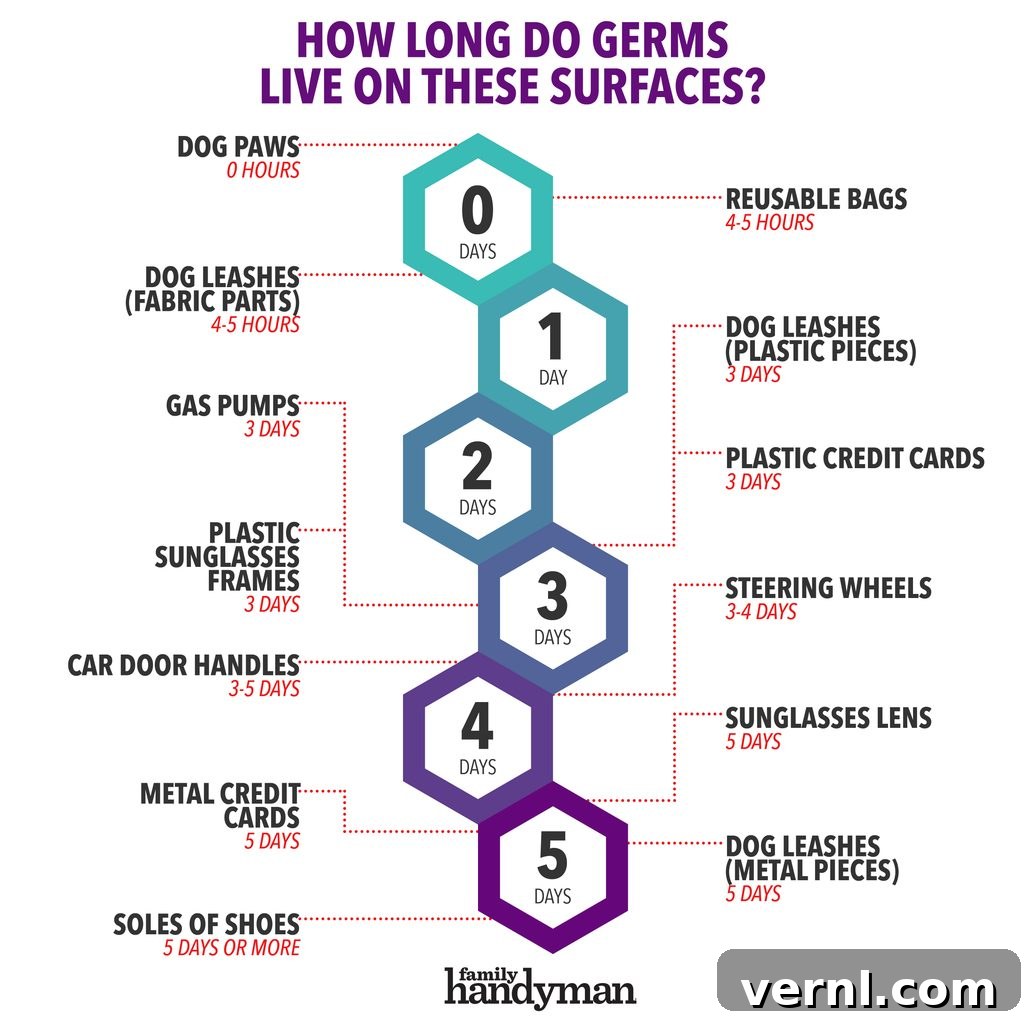
Soles of Shoes: Tracking Germs Indoors
Our shoes are indispensable for navigating the outside world, but they also serve as unwitting couriers for countless microorganisms directly into our homes. Recent scientific studies have confirmed that the soles of shoes can harbor a surprising array of viruses and bacteria, effectively tracking outdoor contaminants across our thresholds. Consider the myriad surfaces your shoes encounter daily: public pavements, restroom floors, transit station platforms, and even discarded litter. Each step can pick up pathogens, and these can then transfer to your indoor flooring, rugs, and carpets, potentially creating an invisible hazard zone within your living space. To mitigate this risk and maintain a healthier home environment, adopting a simple “no-shoes-inside” policy is highly recommended. By removing your shoes upon entering your home, you immediately limit the introduction of external germs. For shoes that frequently come into contact with potentially contaminated public areas, regular cleaning is essential. Always follow the manufacturer’s specific instructions for cleaning different shoe materials, whether they are athletic sneakers, leather boots, or casual flats. For a quick and effective disinfection of non-fabric soles, consider using antibacterial alcohol-based wipes or a disinfectant spray specifically designed for surfaces. Pay particular attention to the treads and grooves where dirt and germs tend to accumulate. Integrating shoe cleaning into your routine helps ensure that while your shoes take you places, they don’t bring the outside’s invisible threats along for the ride.
Dog Leashes: A Daily Dose of the Unknown
For many pet owners, a dog leash is an everyday item, indispensable for walks and outdoor adventures. Yet, this frequently handled accessory is a prime candidate for germ accumulation. Most dog leashes are constructed from durable materials like cotton or nylon webbing, often featuring metal clips and sometimes plastic handles, particularly with retractable models. The problem is that germs exhibit varying survival rates on these different materials. Viruses, for instance, can persist for up to five days on metal components, three days on plastic, and several hours on fabric. During a typical walk, a leash can come into contact with numerous surfaces—the ground, other dogs, and various human hands—making it a nexus for pathogen transfer. To safeguard your health, it’s crucial to adopt mindful habits. Firstly, avoid touching your face while handling the leash and always wash your hands thoroughly with warm water and soap for at least 20 seconds immediately after returning from a walk, adhering to the guidelines set by the Centers for Disease Control and Prevention (CDC). Beyond personal hygiene, the leash itself requires regular cleaning. Most fabric leashes can be hand-washed in a basin of hot water mixed with a tablespoon of mild detergent or pet-friendly shampoo. Allow the leash to soak for about 10-15 minutes to break down dirt and kill germs, then rinse thoroughly under running water and air dry completely to prevent mold growth. For metal clips and plastic handles, a quick wipe with an antibacterial or disinfectant wipe can be highly effective. Consistent cleaning of your dog’s leash ensures that this vital tool remains a safe accessory for both you and your furry companion.
Dogs Themselves: More Than Just Furry Friends
It’s a common relief for pet lovers: there’s currently no strong evidence suggesting that dogs can directly transmit human viruses or common infections to their owners. This means there’s no need for excessive, anxiety-driven bathing rituals. Moreover, attempting to outfit your beloved canine with a face mask, while perhaps amusing in concept, is entirely unnecessary and could even pose serious breathing difficulties for your pet. However, while pets aren’t typically direct vectors for human-specific illnesses, their fur and paws can act as temporary carriers for environmental pathogens, dirt, and allergens picked up during walks or playtime. The CDC wisely recommends washing your hands before and after any interaction with pets, a simple yet powerful habit to minimize indirect germ transmission. For pet owners seeking an extra layer of cleanliness, particularly if there are immunocompromised individuals in the household or if your dog frequently visits public spaces, targeted cleaning of your dog’s paws is an excellent practice. This can be achieved using warm water and a small amount of dog shampoo, gently scrubbing their paws, or by utilizing specialized paw wipes designed for pets, such as Pogi’s Grooming Wipes, which are often plant-based and fragrance-free. Regularly cleaning paws helps remove any lingering dirt, allergens, or potential germs before they are tracked through your home, offering peace of mind without compromising your pet’s comfort or health. It’s all about smart hygiene, not over-hygiene, when it comes to our cherished animal companions.
Reusable Grocery Bags: A Breeding Ground in Your Basket
Reusable grocery bags are an eco-friendly alternative to single-use plastic, but without proper care, they can transform into unexpected breeding grounds for a diverse range of microorganisms. Beyond harboring viruses for several hours, these bags can host dangerous bacteria such as E. coli, as well as yeast and mold, often introduced through leaks from raw meat packages, soiled produce, or even just residual moisture from groceries. These contaminants can then transfer to subsequent purchases, potentially cross-contaminating fresh food items and posing a significant health risk. This is why it is strongly recommended to clean your reusable grocery bags after every single use. For fabric bags made of cotton, canvas, or synthetic materials like nylon, machine washing in hot water with your regular laundry detergent is the most effective method. Tumble dry on high heat or air dry completely in sunlight, as heat and UV rays help kill remaining germs. For insulated or laminated bags that cannot be machine washed, a thorough wipe-down with a disinfectant spray or a solution of warm water and mild dish soap, followed by a clean, damp cloth and then air drying, is necessary. Always ensure bags are completely dry before storing to prevent mold and mildew. If you or someone in your household is immunocompromised, or if you have heightened concerns about germ transmission, carefully consider the hygiene practices for your bags. While disposable bags may seem less eco-friendly, they eliminate the risk of reusable bag contamination if not properly maintained. Ultimately, the health benefits of clean reusable bags far outweigh the convenience of neglecting them, making regular sanitation an essential part of your shopping routine.
Steering Wheels: The Car’s Invisible Hazard Zone
Prepare for a startling revelation: your car’s steering wheel is quite possibly one of the dirtiest surfaces you encounter regularly. Studies, including one by a British researcher, have revealed that a steering wheel can accumulate up to nine times more germs than a public toilet seat. This shocking statistic highlights the extensive microbial activity occurring in a seemingly innocuous place. Think about it: we touch our steering wheels constantly, often after touching other contaminated surfaces, eating in the car, or even sneezing. Steering wheel surfaces are typically made from less porous materials like plastic, synthetic leather, or treated natural leather, which unfortunately provide an ideal environment for viruses and bacteria to survive for several days. The enclosed nature of a car’s interior can also contribute to germ longevity, especially without adequate ventilation. To tackle this hidden hazard, regular disinfection of your steering wheel is crucial. For most steering wheel materials, an EPA-approved disinfectant spray or wipe, used with a soft microfiber cloth, is highly effective. Always spray the cloth, not directly onto the wheel, to prevent oversaturation and potential damage to electronic components. Avoid abrasive materials like paper towels, which can scratch delicate surfaces. For leather and more sensitive materials, a gentle cleaning solution of mild soap (such as saddle soap for leather) and water applied with a damp cloth is preferable, followed by a clean, dry cloth to remove any residue. Prioritizing the cleanliness of your steering wheel extends beyond mere aesthetics; it’s a vital step in maintaining a healthier and safer driving environment for you and your passengers.
Car Door Handles: The First Point of Contact
Before you even grip the steering wheel, your hands make contact with another significant germ hotspot: your car door handles. Both the exterior and interior handles, typically constructed from metal or plastic, are among the surfaces where viruses and bacteria can survive for extended periods—often up to five days. These handles are touched by every person entering or exiting the vehicle, and often multiple times during a trip, making them high-traffic zones for germ transfer. Think of hands that have just touched public surfaces, perhaps sneezed into, or handled food, all before reaching for your car door. The constant exposure to external elements and human touch creates a perfect storm for microbial accumulation. To effectively combat this, integrating regular disinfection of all car door handles into your cleaning routine is highly recommended. Rubbing alcohol (at least 70% concentration) or EPA-approved disinfectant wipes are excellent choices for these surfaces. Simply wipe down both the interior and exterior handles thoroughly, ensuring complete coverage. Pay attention to the areas where fingers naturally grip and where grime tends to build up. This quick and simple step significantly reduces the likelihood of transferring germs into your car’s cabin or back onto your hands, contributing to a much cleaner and safer overall vehicle environment. Making this a habit can dramatically reduce your exposure to unwanted pathogens every time you get into or out of your car.
Gas Pumps: A Public Touchpoint Hazard
The gas pump handle is an undeniable magnet for germs, touched by hundreds of different hands every single day. This public touchpoint represents a significant risk for the transfer of viruses and bacteria, which can survive on the pump’s metal and plastic surfaces for up to 72 hours, sometimes even longer depending on environmental conditions. Every time you fill up your tank, you’re potentially interacting with a surface that has been handled by countless individuals, many of whom may not have practiced proper hand hygiene. To protect yourself from this ubiquitous threat, several proactive steps can be taken. A highly effective method is to run an antibacterial alcohol-based wipe over the entire pump handle, buttons, and keypad before you even begin fueling. This acts as an immediate disinfection barrier. Another excellent preventative measure is to slip on disposable gloves, such as latex or nitrile gloves, before you start pumping gas. These gloves provide a physical barrier between your skin and the contaminated surface, and the key is to dispose of them properly immediately after you’re done fueling, *before* re-entering your car. Finally, regardless of whether you used wipes or gloves, it is always a good idea to thoroughly wash your hands with soap and water for at least 20 seconds, or use an alcohol-based hand sanitizer (with at least 60% alcohol), as soon as possible after handling the pump. This multi-layered approach ensures maximum protection against germs lurking on gas pump handles, turning a routine chore into a safer experience.
Eyeglasses: A Portal to Your Face
Eyeglasses are perhaps one of the most intimately worn items, yet their potential as germ carriers is often underestimated. Your spectacles sit constantly proximate to your eyes, nose, and mouth—the primary entry points for many pathogens. Eyeglass frames are typically made of plastic or metal, while lenses are glass or plastic polymers. As previously discussed, viruses can survive on plastic for up to three days and on glass lenses for an astonishing five days. This longevity, coupled with their direct proximity to your facial mucous membranes, makes eyeglasses a critical surface to keep clean. Throughout the day, we adjust our glasses, push them up our nose, or take them off and put them back on, inadvertently transferring germs from our hands directly to our face. To minimize this risk, the first rule is to avoid touching your glasses unnecessarily. When you do need to adjust them, try to handle them by the temples or bridge, rather than directly on the lenses or frame front. More importantly, regular and thorough cleaning is paramount. Start by running your glasses under lukewarm water to rinse away loose debris and prevent scratching. Then, apply a small drop of mild dish detergent (avoid harsh chemicals or abrasive cleaners) to each lens and gently rub it over the entire lens surface and frame with your fingertips. Ensure you clean all parts of the frame, nose pads, and hinges. Rinse thoroughly under lukewarm water to remove all soap residue, then dry them immediately with a clean, soft, lint-free cloth, such as a microfiber cloth specifically designed for eyewear. This careful cleaning routine not only keeps your vision clear but also significantly reduces the transmission of pathogens from your glasses to your most vulnerable facial areas.
Credit Cards: Your Payment, Their Germs
In our increasingly cashless society, credit and debit cards have become indispensable tools for daily transactions. However, like any frequently handled object, they also serve as silent carriers of germs. Given that most payment cards are made of plastic, viruses can attach themselves and remain viable on these surfaces for up to three days. Consider the journey of a credit card: swiped through various payment terminals, handled by cashiers, passed between multiple hands, and then returned to your wallet. Each interaction presents an opportunity for germ transfer. To maintain optimal hygiene, it’s a wise practice to disinfect your credit cards after every use, especially after transactions in public settings. A simple yet effective method is to clean them for 20 seconds with good old soap and water. Use a soft cloth or your fingertips to gently rub the card, then rinse and dry thoroughly. Alternatively, you can use an EPA-approved disinfectant wipe for killing viruses; just ensure the wipe isn’t excessively wet, which could potentially affect the card’s magnetic stripe or chip over time. After cleaning, always double-check that your signature on the back is still visible. If it has faded or washed off, re-sign the card once it’s completely dry. Extending this hygiene practice, it’s also a good idea to periodically clean your wallet itself, especially if it’s made of a material that can be wiped down, as it frequently comes into contact with your now-clean cards and your hands. Embracing these simple disinfection steps ensures that while you pay for goods and services, you’re not inadvertently paying the price with your health by carrying unwanted germs.
Maintaining a vigilant approach to cleanliness on these often-neglected surfaces is a crucial component of comprehensive hygiene. While we frequently focus on common areas like doorknobs and countertops, the germ hotspots discussed above highlight the pervasive nature of microorganisms in our daily lives. By understanding where viruses and bacteria tend to linger and adopting simple, consistent cleaning routines, you can significantly reduce the risk of illness for yourself and your family. Remember that consistent hand washing remains the cornerstone of personal hygiene, but pairing it with targeted surface disinfection creates a powerful defense against invisible threats. Make these cleaning practices a regular part of your routine, and you’ll foster a healthier, safer environment wherever you go.