
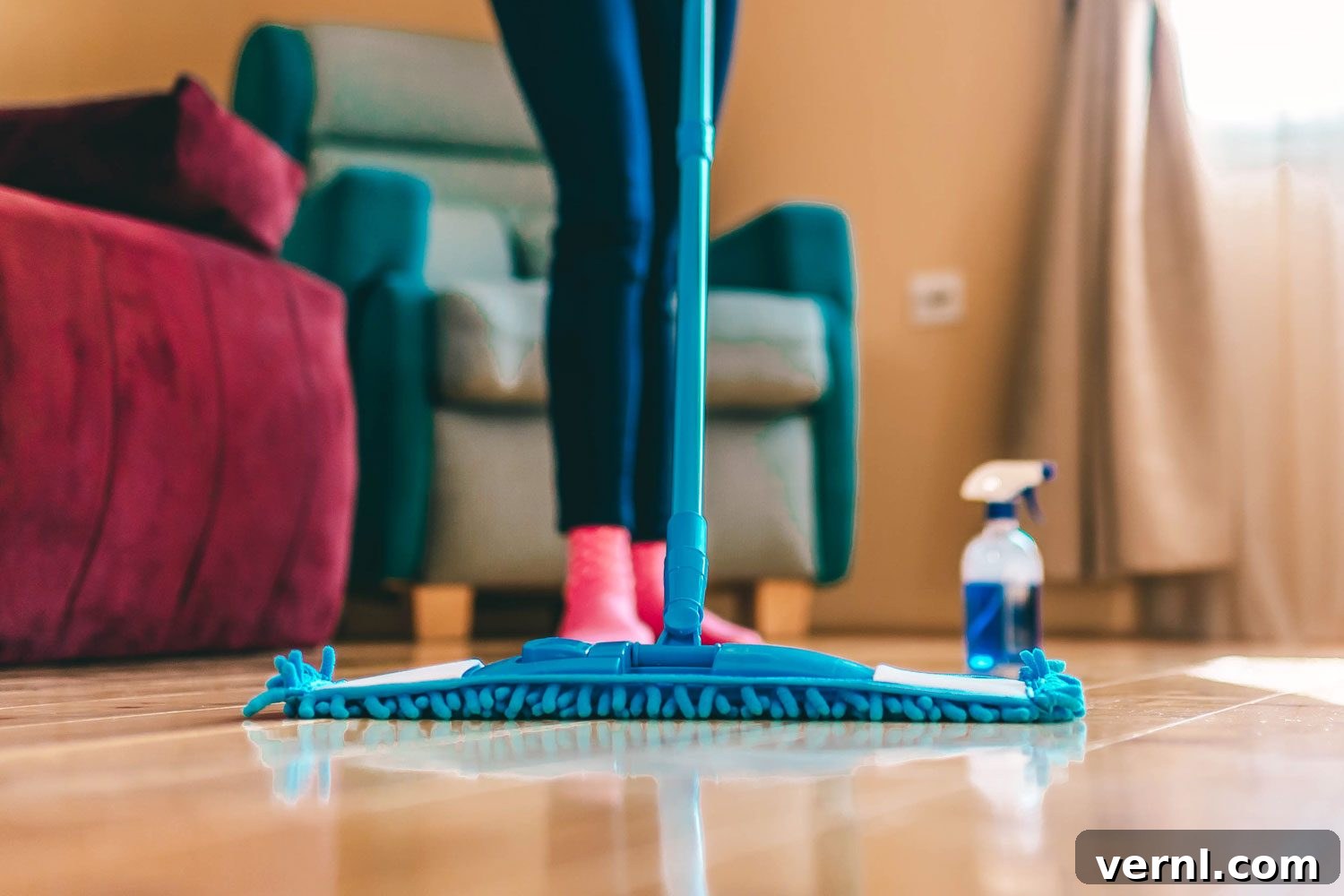
Investing in hardwood floors is a decision that elevates the aesthetic and value of any home, offering unparalleled durability and timeless elegance. Unlike carpets, which are notorious for trapping dust, allergens, and dirt, hardwood floors are significantly easier to maintain, promoting a cleaner and healthier indoor environment. Their robust nature makes them a long-term asset, capable of withstanding the rigors of daily life while retaining their beauty for decades.
Specifically, if your home features prefinished hardwood flooring, understanding the correct cleaning and maintenance practices is paramount. Proper care ensures the longevity of your investment, prevents issues like warping boards, and preserves the floor’s exquisite color and finish. This comprehensive guide compiles expert-approved strategies for cleaning prefinished hardwood floors, providing you with the precise knowledge needed to keep them looking pristine.
Understanding Prefinished Hardwood Floors
Prefinished hardwood floors represent a modern advancement in flooring technology, distinguished by their factory-applied protective coating. This process differs significantly from traditional hardwood floors, which are installed unfinished and then sealed on-site. The factory finishing involves multiple layers of highly durable materials, such as aluminum oxide, cured under UV light, resulting in an exceptionally resilient surface.
While the general principles of hardwood floor cleaning largely apply to both prefinished and site-finished varieties, prefinished floors often boast a tougher, water-repellent urethane coating. This advanced finish provides superior protection against scratches, scuffs, and moisture damage, making them extra durable and remarkably easy to care for. The factory-controlled environment ensures an even and consistent application of these protective layers, often surpassing the durability achievable with on-site finishes, and leading to faster installation times with fewer VOCs.
Daily Dusting for Impeccable Prefinished Hardwood Floors
Few things detract from the beauty of a hardwood floor more than a visible layer of dust or the persistent presence of pet hair, especially when illuminated by natural sunlight. Daily dusting is the cornerstone of effective hardwood floor maintenance, crucial for preventing the accumulation of abrasive particles that can dull or scratch the finish over time. Brett Miller, vice president of technical standards, training and certification for the National Wood Flooring Association (NWFA), strongly advocates for this routine. He recommends “sweeping with a broom or using a dry, soft microfiber [or similar] dust mop on wood floors on a daily basis.”
The efficacy of microfiber mops lies in their unique fiber structure, which is designed to trap and securely lock away dust, dirt, and pet hair. This mechanism significantly minimizes the risk of merely pushing debris around or, worse, dragging gritty particles across the protective coating of your prefinished floor. Such abrasive actions can lead to fine scratches, gradually compromising the floor’s aesthetic appeal and protective barrier. For households with pets, children, or high traffic, daily dusting is not merely a recommendation but a necessity to maintain the floor’s pristine condition and prolong the life of its finish, contributing to better indoor air quality by removing allergens before they settle.
Weekly Vacuuming for Deeper Cleanliness
While daily dust mopping is highly effective for surface-level debris, a weekly vacuuming session is indispensable for tackling more embedded dirt and swirling particles that a dry mop might miss. Miller advises running a vacuum cleaner on the bare floor setting once a week, or more frequently if your home experiences higher levels of activity or dirt accumulation. This specialized setting is crucial as it deactivates the rotating beater bar, a feature designed for carpets that can inflict significant damage, including scratches and dulling, on hardwood surfaces. Instead, the vacuum’s powerful suction efficiently lifts away fine grit, pet dander, and other debris from between floorboards and textured finishes without harming the protective layer.
When selecting a vacuum for your prefinished hardwood floors, opt for models equipped with soft bristles or specialized hardwood floor attachments. Canister vacuums with felt wheels, stick vacuums designed for hard surfaces, or robotic vacuums with appropriate settings are excellent choices. Regular vacuuming not only ensures a deeper clean but also contributes to better indoor air quality by removing allergens and dust before they become airborne or embedded, providing a clean foundation before any damp cleaning.
Expert Strategies for Mopping Prefinished Hardwood Floors
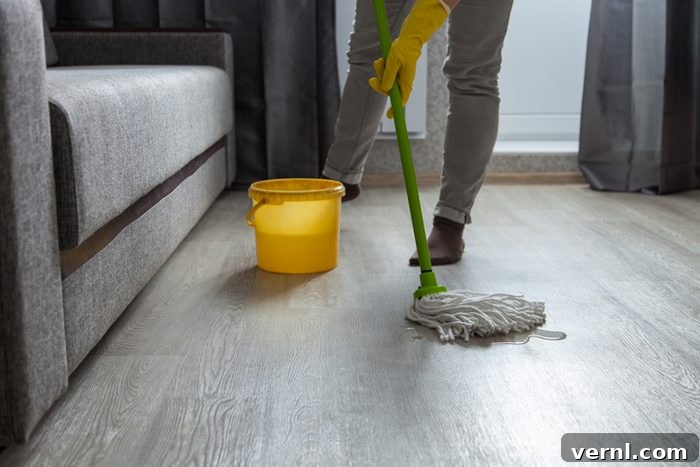
There are times when your prefinished hardwood floor demands more than just dry dusting or vacuuming to achieve a truly sanitary and sparkling finish. For these instances, a careful approach to damp cleaning is essential. “Use a professional wood flooring cleaner monthly, but be sure to use the right cleaning solution and avoid over-wetting or leaving behind a residue on the floor,” Miller emphasizes.
It’s a common misconception that traditional mopping with a bucket of water is suitable for hardwood. However, Miller strongly cautions against this practice: “Many people have the idea that using a regular mop with a bucket full of water is a good approach, but applying high volumes of water in any form [liquid or vapor] to a wood floor can cause permanent damage.” Wood is inherently porous, and excessive moisture can lead to swelling, cupping, warping, and irreversible damage to the finish, even on highly durable prefinished floors. The cellular structure of wood absorbs moisture, leading to dimensional changes and potential delamination of the finish.
Crucially, Miller stresses that you should never use a steam mop on hardwood floors. “Steam is the vapor form of water, which means it can travel deeper and faster into and between the cracks and cells of the wood,” he explains. “This can permanently damage the wood and the floor’s finish.” The intense heat and penetrating moisture from steam mops can dissolve the finish, cause the wood to swell, and lead to permanent discoloration, cupping, or structural issues that are often irreparable.
The recommended method involves using a slightly damp mop coupled with a specific hardwood floor cleaner. Products like Bona Hardwood Floor Cleaner are formulated to clean effectively without leaving streaks or harmful residues, and they are designed to be safe for wood finishes. Always apply the cleaner directly to a microfiber cleaning pad or lightly spray it onto a small section of the floor, wiping immediately with a clean, dry microfiber mop to pick up dirt and ensure no moisture is left behind. Most hardwood floor cleaners are suitable for standard prefinished hardwood flooring with a polyurethane or urethane coating. However, to preserve your warranty and ensure compatibility, it is imperative to always check for specific manufacturer instructions and recommendations for your particular flooring product.
It is equally important to know which cleaning products to avoid at all costs. Products containing abrasive elements, such as baking soda, or caustic ingredients like bleach, ammonia, or vinegar, can severely damage the finish of your prefinished hardwood floors. Vinegar, despite being a popular natural cleaner, is acidic and can etch and dull the protective urethane layer over time, diminishing its shine and making it more susceptible to damage. Oil soaps and wax-based cleaners should also be avoided, as they can leave a sticky residue that attracts dirt and is difficult to remove, or build up over time, requiring professional stripping. Similarly, multi-surface cleaners often contain harsh chemicals or ingredients not suitable for wood, potentially causing discoloration or accelerating wear.
Polishing, Protecting, and Prolonging the Life of Your Prefinished Hardwood Floors
Maintaining the inherent shine and protective qualities of your prefinished hardwood floors does not typically require additional polishing products. A dedicated hardwood floor cleaner, as previously recommended, should be sufficient to maintain the natural luster of your floor. Miller strongly advises against using anything that claims to restore luster, polish, or add shine to your floors. “These types of ‘maintenance products’ leave behind a temporary, non-protective, shiny film that will interfere with the adhesion of any future maintenance coats of professional wood floor finish,” he warns. Beyond compromising future refinishing efforts, these films can also make your floor dangerously slippery, creating a significant safety hazard, and often attract more dust and dirt.
For optimal care and to ensure the longevity of your floor’s finish, Miller recommends, “Only use professional wood floor cleaning products recommended by your contractor, flooring manufacturer or finish manufacturer.” These products are specifically formulated to clean without damaging the factory finish and are often pH-neutral and residue-free, ensuring the integrity of your floor’s protective layers.
Beyond cleaning, several proactive measures can significantly enhance the protection and extend the life of your prefinished hardwood floors. To prevent scratches and gouges, always stick protective felt pads under the legs of all furniture, including chairs, tables, and sofas. Regularly check these pads for wear and replace them as needed to ensure continuous protection; worn pads can become ineffective or even abrasive. In high-traffic areas, such as hallways, entryways, and under dining tables, consider strategically placing area rugs. These not only add an element of design but also serve as vital barriers against wear and tear, absorbing impacts and reducing the abrasion from foot traffic, as well as providing sound absorption and comfort. Furthermore, keeping pet nails trimmed short is a simple yet effective way to prevent unsightly scratches on your beautiful wood floors.
Over time, even with meticulous cleaning, your flooring may gradually lose some of its original luster. This natural wear is a sign that it might be time for recoating. The National Wood Flooring Association (NWFA) generally recommends a new maintenance coat of finish for hardwood flooring every three to five years, depending on traffic and use. This process involves a light sanding (screening) to scuff the existing finish and then applying a fresh coat of compatible topcoat, rejuvenating the surface without requiring a full sand-down to bare wood. For more extensive wear or significant damage, a full sand and refinish may be required, typically every few decades, to fully restore the floor to its original beauty and extend its lifespan for many more years, effectively giving your floors a brand-new look.
Effective Strategies for Cleaning Stains on Prefinished Hardwood Floors
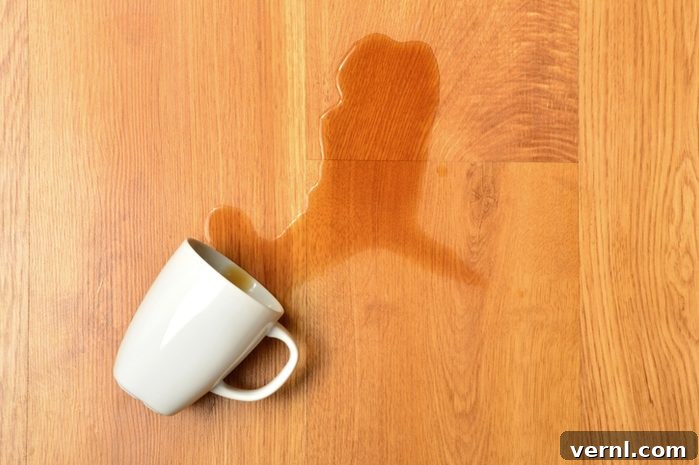
When it comes to stains on prefinished hardwood floors, prevention truly is the best cure. The advanced urethane coatings offer a good degree of resistance to spills, but swift action is always your strongest defense. Therefore, cleaning up any spills immediately with a dry or slightly damp cloth is absolutely essential. While the factory coatings are designed to be water-repellent, prolonged exposure to liquids, especially highly pigmented ones like red wine, coffee, or pet accidents, can eventually penetrate the finish, making stains incredibly difficult, if not impossible, to remove without aggressive measures. For tougher, sticky spills, use a tiny amount of your recommended hardwood floor cleaner on a clean cloth.
For minor surface blemishes such as light scuffs, heel marks, or superficial scratches that don’t penetrate the finish, the NWFA suggests using touch-up markers specifically designed for wood floors. These can effectively camouflage small imperfections, blending them seamlessly with the surrounding wood grain. Alternatively, rubbing gently with a clean cloth and a small amount of mineral spirits can sometimes remove stubborn scuff marks without damaging the finish. However, for large, unsightly stains that have deeply soaked into the wood, or for significant scratches that have breached the protective layer, more intensive intervention may be necessary. In such cases, professional sanding and refinishing the damaged area, or potentially the entire room, is often your best and sometimes only option to fully restore the floor’s appearance and integrity. Professional assessment can help determine the most appropriate course of action for severe damage, ensuring the repair is done correctly and matches the existing finish.
Essential Additional Tips for Optimal Prefinished Hardwood Floor Care
Beyond daily cleaning and spill management, several other proactive measures contribute significantly to keeping your prefinished hardwood floors in pristine, top condition:
- Implement a Shoe-Free Policy and Use Entrance Mats: Place high-quality doormats at all entrances, both inside and outside. Consider adopting a strict “no shoes in the house” policy. This simple habit drastically minimizes the amount of fine dirt, grit, sand, moisture, and chemical residues from outside that get tracked onto your floors. Even tiny particles can act like sandpaper underfoot, gradually eroding the finish. Entrance mats provide a crucial first line of defense, trapping debris before it reaches your interior floors, protecting against premature wear and tear.
- Always Consult Manufacturer Guidelines for Cleaners: Before applying any cleaning product to your prefinished hardwood floors, meticulously check the manufacturer’s website or any documentation that accompanied your flooring. Manufacturers often specify particular cleaning products or types of cleaners that are compatible with their specific finishes. Using incompatible or harsh products on prefinished hardwood floors can not only dull or damage the finish but can also void your warranty, leading to costly repairs or replacements not covered by the manufacturer. Adhering to these guidelines is vital for maintaining your floor’s warranty and appearance.
- Consider Annual Professional Inspections: An annual inspection by a certified wood flooring professional can be an invaluable investment. These experts possess the knowledge and tools to identify subtle signs of wear, potential issues, or areas needing attention that might go unnoticed by an untrained eye. They can offer personalized tips for adapting your cleaning techniques based on your home’s unique conditions and advise precisely when expert intervention, such as recoating, minor repairs, or a full refinish, is due. This proactive approach can prevent minor issues from escalating into major, expensive problems, thereby extending the overall lifespan and beauty of your prefinished hardwood floors.
- Manage Indoor Humidity and Protect from Sunlight: Wood is a natural material that reacts to changes in humidity. Maintaining a consistent indoor humidity level (typically between 35-55%) using humidifiers or dehumidifiers can prevent the wood from expanding, contracting, gapping, or cupping, which can stress the finish. Additionally, prolonged exposure to direct sunlight can cause hardwood floors to fade or discolor unevenly over time, especially with certain wood species. Use curtains, blinds, or UV-filtering window films to protect your floors from intense sunlight, particularly during peak hours, preserving their original color and finish uniformity.