
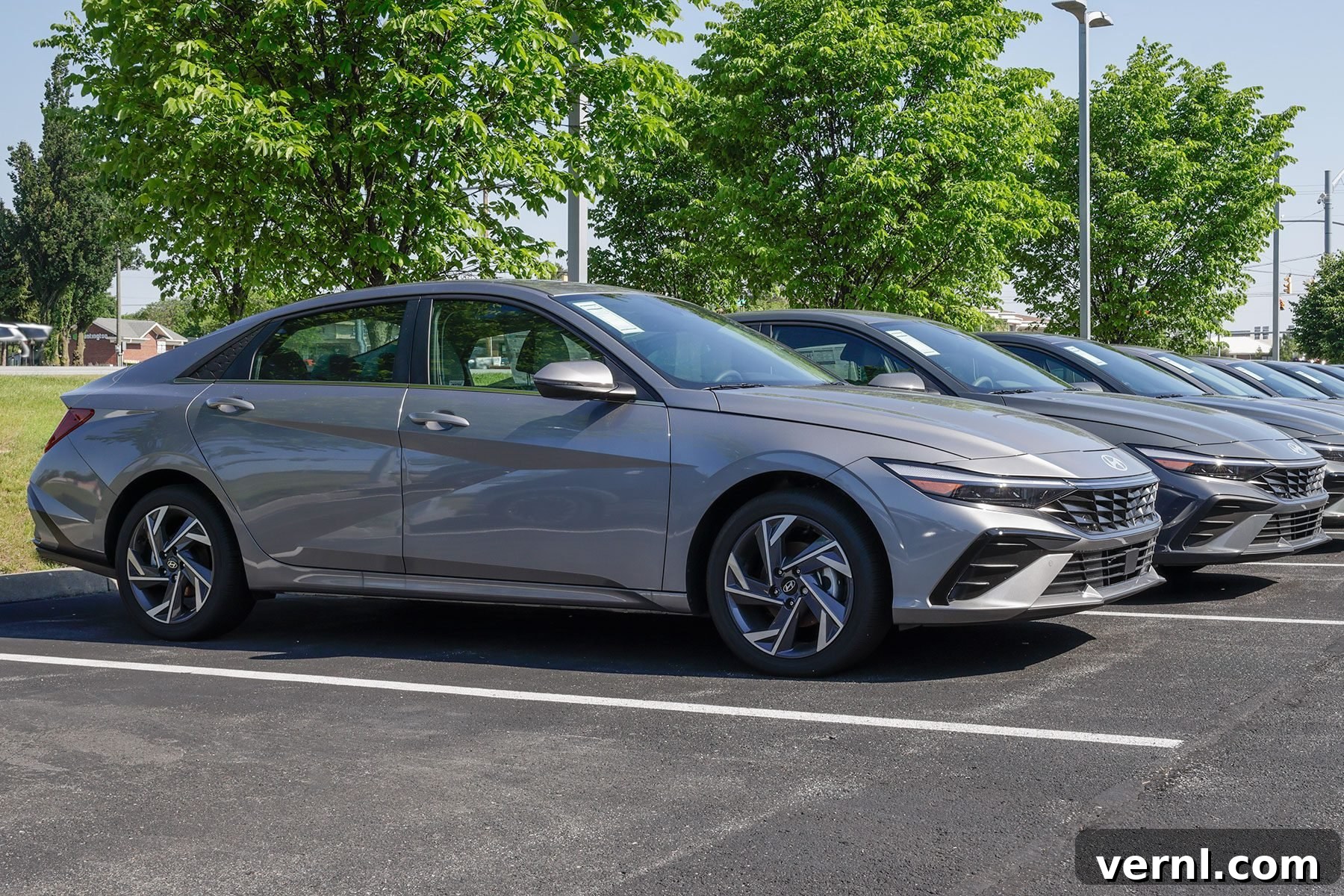
In an age where technological advancements often dominate discussions about automotive innovation, the age-old problem of car theft remains a persistent and costly concern for vehicle owners across the United States. While practical advice like “always lock your car” or “don’t leave your windows cracked open” is plentiful, even the most diligent among us can sometimes slip up. Furthermore, simply locking your doors, though crucial, doesn’t completely eliminate the risk of your car getting nabbed. Modern thieves are often sophisticated, adapting quickly to new technologies and exploiting existing vulnerabilities.
The impact of vehicle theft extends far beyond the immediate inconvenience; it can lead to significant financial burdens, increased insurance premiums, and immense emotional distress. Understanding current theft trends and taking proactive measures are therefore paramount. The National Insurance Crime Bureau (NICB), a leading authority dedicated to preventing and prosecuting insurance crime, consistently releases vital data to inform the public and law enforcement about prevailing patterns in vehicle theft. Their annual reports offer crucial insights into which vehicles are most frequently targeted and the evolving tactics used by criminals.
For 2023, the NICB’s findings revealed a notable shift in the landscape of automotive theft, with certain import brands dominating the list. This report serves as a critical warning and a guide for vehicle owners, especially those driving the models identified as high-risk. By staying informed and implementing effective prevention strategies, you can significantly reduce the likelihood of becoming a victim. This comprehensive guide will delve into the NICB’s latest report, explore the reasons behind these trends, and provide detailed, actionable advice to help you protect your investment and peace of mind.
Unveiling America’s Most Stolen Cars of 2023: A Comprehensive Guide to Vehicle Security and Prevention
The Alarming Truth: America’s Most Stolen Vehicles of 2023
Each year, the National Insurance Crime Bureau (NICB) compiles and releases data on vehicle theft trends, offering a stark reminder of the ever-present threat. The 2023 report, drawing from extensive data collected across the nation, highlights a concerning shift in the types of vehicles most frequently targeted by thieves. For the first time in several years, full-size pickup trucks, which traditionally held the top spots, have been supplanted by a new wave of targets, primarily imported sedans and SUVs.
This evolving pattern underscores the importance of staying updated on the latest statistics, as popular assumptions about “unstealable” or “low-risk” vehicles can be quickly outdated. Whether you own one of the vehicles on this list or not, understanding these trends is crucial for implementing effective anti-theft measures. Below is the NICB’s official list of the top ten most stolen vehicles in the U.S. for 2023:
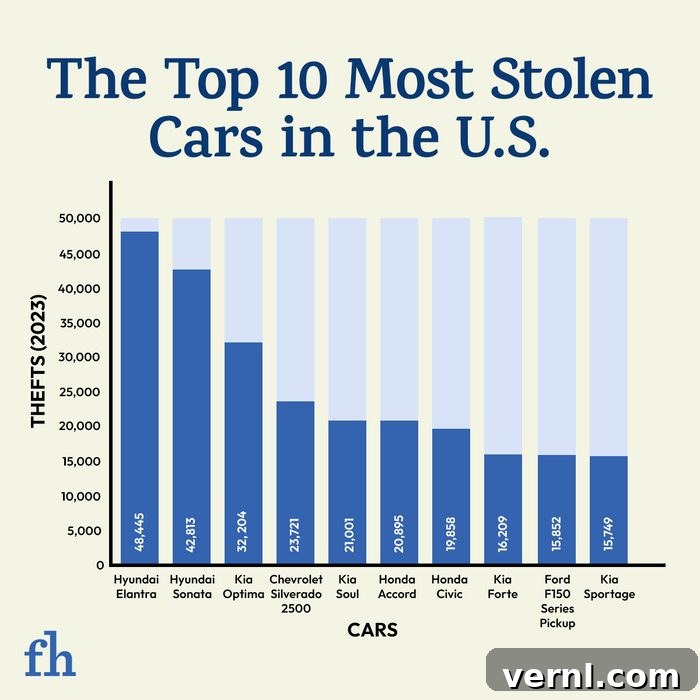
The 2023 top ten most stolen cars in the U.S. are:
- Hyundai Elantra with 48,445 thefts.
- Hyundai Sonata with 42,813 thefts.
- Kia Optima with 32,204 thefts.
- Chevrolet Silverado 2500 with 23,721 thefts.
- Kia Soul with 21,001 thefts.
- Honda Accord with 20,895 thefts.
- Honda Civic with 19,858 thefts.
- Kia Forte with 16,209 thefts.
- Ford F150 Series Pickup with 15,852 thefts.
- Kia Sportage with 15,749 thefts.
Deep Dive: Understanding the Factors Behind Car Theft Trends
The dominance of certain models on the most stolen list is rarely arbitrary. It often points to specific vulnerabilities, market demand for parts, or even viral trends that empower thieves. Understanding these underlying factors is key to developing effective prevention strategies.
The “Kia Boyz” Phenomenon and Hyundai/Kia Vulnerabilities
Perhaps the most significant factor influencing the 2023 theft statistics is the unprecedented rise in thefts of Kia and Hyundai vehicles. These brands collectively account for five of the top ten spots, a dramatic increase attributed largely to a series of viral social media posts, particularly on platforms like TikTok. These posts, often associated with the “Kia Boyz” challenge, openly detailed and demonstrated a method to easily hotwire and steal certain Kia and Hyundai models built between 2011 and 2021.
The vulnerability stems from the fact that many of these vehicles lacked electronic immobilizers—a standard anti-theft feature in most modern cars that prevents the engine from starting without the correct key or key fob. Thieves discovered that by removing a portion of the steering column, they could manipulate the ignition system with simple tools like a USB cable or screwdriver, bypassing the car’s security measures in a matter of minutes. This ease of theft, combined with widespread online tutorials, turned these vehicles into prime targets, leading to a surge in theft rates across the country. In response, both Kia and Hyundai have offered free software updates for affected models, as well as providing free steering wheel locks to owners as an interim measure, recognizing the severity of the issue and the need for enhanced security.
Why Other Popular Models Are Targeted: Demand for Parts and Accessibility
While the Kia and Hyundai situation is unique due to its viral nature, other vehicles consistently appear on theft lists for more traditional reasons:
- Chevrolet Silverado 2500 and Ford F150 Series Pickup: Despite dropping from their usual top-tier positions, full-size pickup trucks remain highly desirable targets. Their popularity means a high demand for replacement parts, which can be lucrative for chop shops. Furthermore, the sheer volume of these trucks on the road makes them readily available targets, and their robust nature sometimes means they are used in other crimes or for illicit purposes.
- Honda Accord and Honda Civic: These venerable models have been mainstays on stolen car lists for decades. Their enduring popularity and reliability mean a constant market for their parts, both legitimate and illicit. Older models, in particular, may have less sophisticated security systems compared to newer vehicles, making them easier targets for experienced thieves who rely on established methods. Their ubiquity also means they can blend in easily, making them less conspicuous targets for thieves looking to evade detection.
In essence, car thieves often operate on principles of supply and demand, coupled with opportunity. Vehicles that are abundant, have high-value parts, or possess known security flaws will always be at a higher risk.
Beyond the List: Proactive Measures to Safeguard Your Vehicle
Regardless of whether your car is on the NICB’s most stolen list, adopting a multi-layered approach to vehicle security is the most effective way to deter thieves. The National Insurance Crime Bureau, along with law enforcement agencies, consistently recommends a combination of common-sense practices and technological deterrents.
Situational Awareness and Smart Parking Habits
- Park in Well-Lit, Populated Areas: Thieves prefer to operate under the cover of darkness or in secluded spots where they are less likely to be observed. Choosing parking spaces in well-lit areas with plenty of foot traffic or surveillance cameras significantly increases the risk of them being seen or caught.
- Close and Lock Everything: This seems obvious, but many thefts occur simply because a door was left unlocked or a window cracked open. Always double-check that all doors, windows, and the sunroof are securely closed and locked, even if you’re just stepping away for a moment.
- Never Leave Your Car Running Unattended: This includes quick trips into a convenience store or letting your car warm up in the driveway. A running, unattended vehicle is an open invitation for thieves, often referred to as “puffers,” and is illegal in many jurisdictions.
Physical Deterrents and Alarm Systems
- Use Visible and Audible Anti-Theft Devices:
- Steering Wheel Locks (e.g., The Club): These highly visible devices can be a significant deterrent. For owners of vulnerable Kia and Hyundai models, these are particularly recommended and were even offered free by the manufacturers.
- Brake Pedal Locks: Similar to steering wheel locks, these make it impossible to depress the brake pedal, rendering the car immobile.
- Alarm Systems: Beyond factory-installed alarms, consider an aftermarket alarm system that offers additional features like motion sensors, glass-break detectors, and remote notification capabilities. A loud, piercing alarm draws attention and can scare off thieves.
- Kill Switches: A professionally installed kill switch allows you to manually cut off power to the fuel pump or ignition, preventing the car from starting even if a thief gets inside.
Technological Solutions and Advanced Security
- Vehicle Tracking Systems: GPS tracking devices (like LoJack or subscription services offered by manufacturers) can dramatically increase the chances of recovering a stolen vehicle. These systems can pinpoint your car’s location, aiding law enforcement in recovery efforts.
- Immobilizer Systems: Most modern cars come with factory-installed immobilizers that prevent the engine from starting without the correct key or transponder. Ensure yours is functioning correctly, and if you own an older vehicle without one, consider having one installed professionally.
- Key Fob Protection: Thieves can use “relay attack” devices to amplify the signal from your key fob inside your home, essentially tricking your car into thinking the key is present. Store your key fobs in a Faraday pouch or a metal box that blocks radio signals, especially overnight.
Personal Habits and Valuables
- Keep Your Keys Secure: Never leave your keys in the car, even if it’s just in the ignition or console. This includes spare keys. Also, be mindful of where you leave your keys at home, as some thieves will break into homes specifically to steal car keys.
- Hide Valuables or Take Them With You: Visible electronics, bags, wallets, or even loose change can tempt a thief. Always take valuables with you, or if you must leave them, secure them out of sight in the glove compartment or trunk. A messy car might suggest there’s nothing of value, but an organized car with nothing visible is even better.
- Keep Important Documents Secure: While your registration and insurance cards should be in your car, avoid leaving your vehicle’s title or personal identification documents inside, as these can aid thieves in reselling your car or committing identity theft.
What to Do If Your Car Is Stolen
Even with the best precautions, theft can still occur. Knowing the immediate steps to take can significantly increase the chances of recovery and streamline the insurance process.
- Report It Immediately to Law Enforcement: Time is of the essence. The sooner you report the theft to the police, the better the chances of recovery. Provide them with your Vehicle Identification Number (VIN), make, model, year, license plate number, color, any distinguishing features, and the last known location of the vehicle. Obtain a copy of the police report.
- Notify Your Insurance Company: After filing a police report, contact your insurance provider as soon as possible. They will need the police report number and detailed information about the vehicle. Be prepared to answer questions about the circumstances of the theft.
- Check Local Impound Lots: Sometimes, vehicles are recovered quickly, abandoned, and then towed. It’s wise to check with local impound lots in the days following the theft.
- Be Wary of Scams: Be cautious of individuals contacting you claiming to have information about your car’s whereabouts and demanding payment. Always work directly with law enforcement and your insurance company.
The Bigger Picture: Addressing the Root Causes of Auto Theft
While individual prevention is crucial, it’s also important to acknowledge the broader societal factors that contribute to auto theft. These include organized crime rings that dismantle vehicles for parts (chop shops), the demand for cheap parts in a secondary market, and sometimes economic hardship that drives individuals to petty crime. Law enforcement agencies, insurance companies, and even vehicle manufacturers continuously work on strategies to combat these larger issues, from improving vehicle security technology to enhancing cross-border cooperation in tracking stolen vehicles and parts.
Stay Informed, Stay Safe: The Continuous Fight Against Car Theft
The fight against car theft is an ongoing battle that requires vigilance and adaptability from vehicle owners. The NICB’s annual report serves as a crucial reminder that theft trends are dynamic, influenced by technological advancements, social media phenomena, and market demands. By understanding which vehicles are most at risk and why, and by diligently implementing a multi-layered approach to vehicle security, you can significantly reduce your vulnerability.
From simple habits like locking your doors to investing in advanced tracking systems and physical deterrents, every step you take adds a layer of protection. Stay informed, remain proactive, and safeguard your vehicle against the ever-present threat of auto theft. Your peace of mind and the security of your investment depend on it.
Resources and Further Information
- New Report: Imports Top List for America’s Most Stolen Vehicles, National Insurance Crime Bureau, 2024
- For more detailed information on vehicle security and theft prevention, visit the official National Insurance Crime Bureau (NICB) website regularly for their latest reports and safety tips.