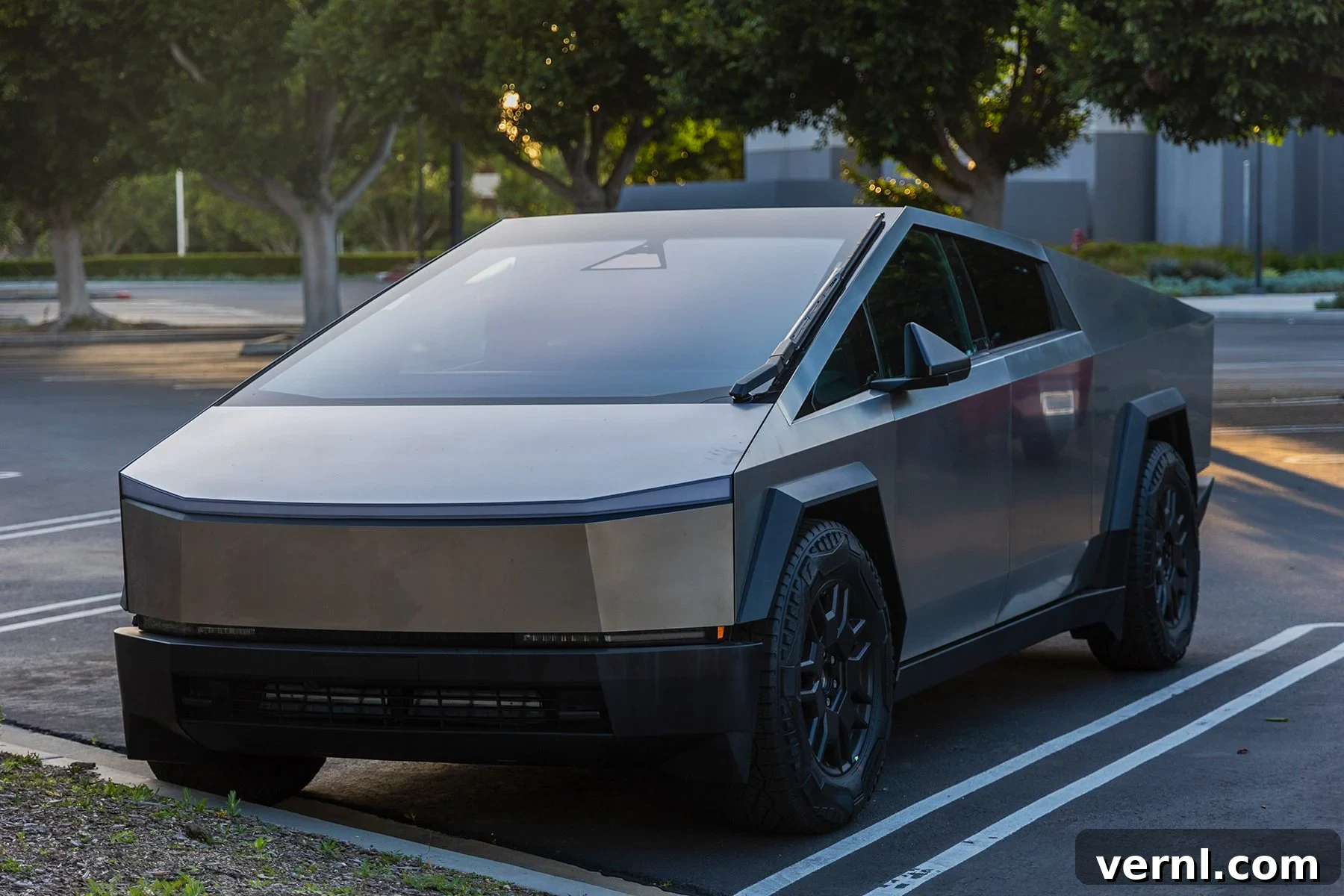
Tesla Cybertruck Rust: Debunking Myths and Essential Maintenance for Stainless Steel
The highly anticipated Tesla Cybertruck has undeniably captured global attention, not just for its futuristic design and robust performance, but also for its distinctive stainless steel exoskeleton. This bold material choice, reminiscent of the iconic DeLorean, has sparked considerable debate and curiosity, particularly concerning its susceptibility to rust. While the idea of a vehicle made of stainless steel developing rust might seem contradictory, understanding the nuances of this remarkable material is key to ensuring your Cybertruck remains pristine for years to come.
It’s true that the Cybertruck isn’t the first automotive marvel to embrace an all-stainless steel body. That pioneering distinction belongs to the legendary DeLorean DMC-12, manufactured in Belfast between 1981 and 1983, immortalized in the “Back to the Future” film trilogy. This historical parallel often emerges when discussing the Cybertruck’s unique construction, inevitably leading to questions about the longevity and corrosion resistance of its steel panels.
Reports and rumors regarding Cybertrucks developing “rust” have circulated widely since their initial deliveries. However, many of these concerns stem from a common misunderstanding: differentiating actual corrosion from a phenomenon known as “rust dust.” My nephew, who works diligently at the Tesla production facility in Fremont, California, shared this insightful distinction. He explained that many of the initial reports were, in fact, due to this peculiar “rust dust,” a superficial issue easily addressed. He even shared a helpful YouTube video that thoroughly explains this phenomenon and outlines simple solutions.
So, if you’ve invested a significant sum, perhaps upwards of $100,000, in a cutting-edge Cybertruck, can you genuinely be confident that your vehicle is immune to corrosion? To get a definitive answer, we turn to experts like Gordian Hense, Managing Director for a reputable automotive magazine specializing in in-depth analyses of vehicle durability and material sciences. Hense clarifies a critical point: “It’s a prevalent misconception that stainless steel is entirely immune to rust. If exposed to high concentrations of corrosive elements, such as the salt found in coastal environments or the road salt generously applied during winter months, even high-grade stainless steel can develop surface rust or other forms of corrosion.” This statement underscores the importance of proper care and understanding of stainless steel’s properties.
Understanding Stainless Steel: The Secret to Its Shine and Durability
To fully grasp how stainless steel, despite its name, can potentially rust, we must first delve into what makes this material “stainless” in the first place. Steel itself is a robust alloy primarily composed of iron, carbon, and various other elements like nickel and manganese. What elevates it to the status of “stainless” is the deliberate addition of chromium, typically at a concentration of at least 10.5% of the alloy’s total content.
The Protective Power of Chromium
Chromium is a remarkable metal. Not only is it exceptionally hard—approaching the hardness of a diamond—but its true superpower lies in its extraordinary resistance to corrosion. When chromium is exposed to oxygen, it undergoes a chemical reaction to form a thin, invisible, and incredibly resilient layer of chromium oxide on the surface of the metal. This passive layer acts as a formidable shield, preventing further oxidation and protecting the underlying iron content from reacting with oxygen, which is the root cause of traditional rust.
One of the most impressive features of this chromium oxide layer is its self-healing capability. Should the surface of the stainless steel incur minor scratches or abrasions, the exposed chromium beneath will react with ambient oxygen, quickly reforming the protective passive layer. This inherent ability provides a continuous defense against environmental aggressors, making stainless steel a highly durable and low-maintenance material in many applications. However, this self-healing mechanism has its limits, especially when faced with specific corrosive agents.
Can Stainless Steel Rust? Debunking the Absolute Immunity Myth
Despite its impressive properties, the straightforward answer to “Can stainless steel rust?” is unequivocally yes. While its resistance is significantly superior to conventional steel, it is not impervious under all circumstances. As Gordian Hense aptly points out, drawing from extensive research: “According to a study by the International Stainless Steel Forum, stainless steel exhibits excellent corrosion resistance, but it is not infallible. Pitting corrosion, a particularly insidious form, can occur when the material comes into prolonged or intense contact with chloride ions.”
The Threat of Chloride Ions: Pitting Corrosion Explained
Chloride ions are powerful disruptors of the chromium oxide passive layer. Common sources include chlorine-based bleaches, certain harsh cleaning agents, and, most notably, salt (sodium chloride). When these chloride ions come into contact with stainless steel, they can aggressively attack and locally break down the protective chromium oxide layer. Once this layer is compromised, even microscopically, the underlying iron becomes exposed to oxygen and moisture, leading to the formation of tiny, localized pits of rust. This phenomenon is known as pitting corrosion, and it can gradually weaken the material if left unaddressed. This is precisely why repeated exposure to chlorine in kitchen sinks, for example, can eventually lead to pitting.
Given that road salt (sodium chloride) is widely used to de-ice roads in colder climates, and coastal air is naturally saturated with dissolved salt particles, a critical question emerges for Cybertruck owners: Does this mean your expensive vehicle is vulnerable to corrosion if not properly protected from these ubiquitous salty conditions?
The Cybertruck’s Defense: 30X Cold-Rolled Stainless Steel
The concern about Cybertrucks rusting is legitimate, but it’s crucial to consider the specific grade of stainless steel Tesla has chosen. The Cybertruck’s distinctive body is meticulously constructed from 30X cold-rolled stainless steel. This particular alloy is a custom blend developed for high strength and specific performance characteristics. Gordian Hense reassures potential owners, stating, “The 30X cold-rolled stainless steel used in the Cybertruck is renowned for its exceptional durability and superior corrosion resistance.”
This means that while the chances of corrosion are not absolutely zero, the material’s inherent properties make it highly resilient. It would likely require an unusually prolonged period of intense exposure to extremely harsh, salty conditions—perhaps without any cleaning or maintenance—for significant rust to develop. Tesla’s engineering choice of 30X stainless steel is a testament to their commitment to robust design, offering owners a vehicle built to withstand challenging environments far better than conventional steel vehicles.
Comprehensive Tips to Prevent Rust on Your Stainless Steel Cybertruck
Whether you own a stainless steel appliance, a premium kitchen sink, or the revolutionary Cybertruck, proactive maintenance is the most effective strategy to prevent corrosion. Understanding and avoiding contact with specific chemicals and environmental factors known to compromise stainless steel is paramount.
-
Minimize Exposure to Chloride Sources:
- Salt: This is arguably the biggest culprit for vehicles. Road salt, used extensively in winter, can cling to your vehicle’s surface. If you drive your Cybertruck in areas where roads are salted, it is imperative to clean your vehicle frequently and thoroughly. Regular washing helps to rinse off salt deposits before they can initiate corrosion.
- Coastal Environments: If you reside near the ocean, the air itself carries microscopic salt particles. To mitigate this constant exposure, consider keeping your Cybertruck covered when parked outdoors or, ideally, store it in a garage.
- Chlorine Bleach and Cleaners: Avoid using cleaning agents that contain chlorine (sodium hypochlorite) on your Cybertruck’s exterior. These harsh chemicals can directly attack and degrade the chromium oxide layer. Always opt for pH-neutral, non-chlorine-based cleaners specifically designed for automotive finishes or stainless steel.
-
Beware of Acids:
- Strong Acids: Hydrochloric acid (HCl) and muriatic acid (a less concentrated form of HCl) are highly corrosive and can cause rapid discoloration and pitting on stainless steel. Other strong acids, such as sulfuric acid, can also be detrimental in high concentrations. Always check cleaning product labels to ensure they do not contain these potent chemicals.
- Weaker Acids: Even seemingly innocuous weaker acids can pose a threat if allowed prolonged contact. Examples include phosphoric acid (found in fizzy soft drinks), citric acid (in lemons and many fruit juices), and acetic acid (in vinegar). While not immediately corrosive, leaving these substances on stainless steel surfaces for extended periods can lead to stubborn stains or even surface etching. Always rinse off spills promptly.
-
Regular Cleaning and Maintenance:
- Routine Washing: Beyond salty conditions, regular washing with a mild automotive soap and soft cloths or sponges is essential to remove dirt, grime, bird droppings, and industrial fallout that can accumulate and potentially compromise the stainless steel surface.
- Proper Drying: After washing, dry your Cybertruck thoroughly with a microfiber towel to prevent water spots and minimize the chance of mineral deposits forming, which can sometimes appear like stains.
- Protective Coatings: Consider applying high-quality ceramic coatings or specialized stainless steel sealants. These products can add an extra layer of protection, making the surface more hydrophobic and resistant to environmental contaminants.
- Avoid Abrasive Materials: While stainless steel is durable, using abrasive pads, steel wool, or harsh brushes can scratch the surface and potentially damage the passive layer, making it more susceptible to corrosion. Always use soft cleaning tools.
Frequently Asked Questions About Cybertruck Rust and Maintenance
How do you differentiate “rust dust” from actual stainless steel corrosion?
Rust dust, often referred to as “rail dust” or “industrial fallout,” consists of microscopic iron particles that become airborne from sources like brake dust, industrial processes, or train wheels grinding against tracks. These tiny specks can settle on your Cybertruck’s panels, causing superficial discoloration or even embedding themselves slightly into the finish. It typically appears as small, reddish-orange dots that are localized and sit *on* the surface. Actual stainless steel corrosion, particularly pitting, would manifest as deeper, more persistent spots where the steel itself has begun to degrade, often appearing darker or as tiny depressions.
How do you remove rust dust from stainless steel?
As my nephew explained and as demonstrated in the video linked earlier, rust dust can typically be cleaned off with a combination of an abrasive cleaner and a non-ammonia window cleaner. For instance, a mild abrasive cleaner like Bar Keepers Friend, known for its effectiveness on stainless steel, can be gently applied with a soft cloth. Follow this with a non-ammonia window cleaner such as Sprayway Glass Cleaner to restore the shine. Always test on an inconspicuous area first and follow product instructions carefully. For embedded particles, a clay bar treatment might be necessary to lift them without damaging the finish.
What if I see actual rust spots or pitting on my Cybertruck?
If you suspect actual corrosion or pitting, it’s best to consult a professional detailer specializing in stainless steel or contact Tesla service directly. Early intervention is crucial. For very minor surface rust, specialized stainless steel rust removers might be an option, but extreme caution and expert advice are recommended to avoid exacerbating the problem or damaging the unique finish of the Cybertruck’s 30X steel.
Can I wax or ceramic coat my Cybertruck’s stainless steel body?
Yes, absolutely! Applying a high-quality wax, sealant, or ceramic coating is highly recommended for the Cybertruck. These products create an additional protective barrier over the stainless steel, enhancing its resistance to environmental contaminants, making cleaning easier, and potentially extending the life of the passive layer. They also contribute to maintaining the vehicle’s aesthetic appeal.
How often should I wash my Cybertruck?
The frequency of washing depends heavily on your driving conditions and environment. If you live in a coastal area, drive on salted roads, or frequently encounter dusty/dirty conditions, weekly or bi-weekly washes are advisable. For less harsh environments, a monthly wash might suffice. The key is to remove corrosive agents and dirt promptly.
You can find other general methods for removing rust from various household stainless steel items here.
About the Expert
- Gordian Hense is the Managing Director of Carmart.ch, an automotive publication renowned for its in-depth analyses of vehicle durability, material science, and performance. His expertise provides invaluable insights into the long-term care and material properties of modern vehicles, including innovative designs like the Tesla Cybertruck.