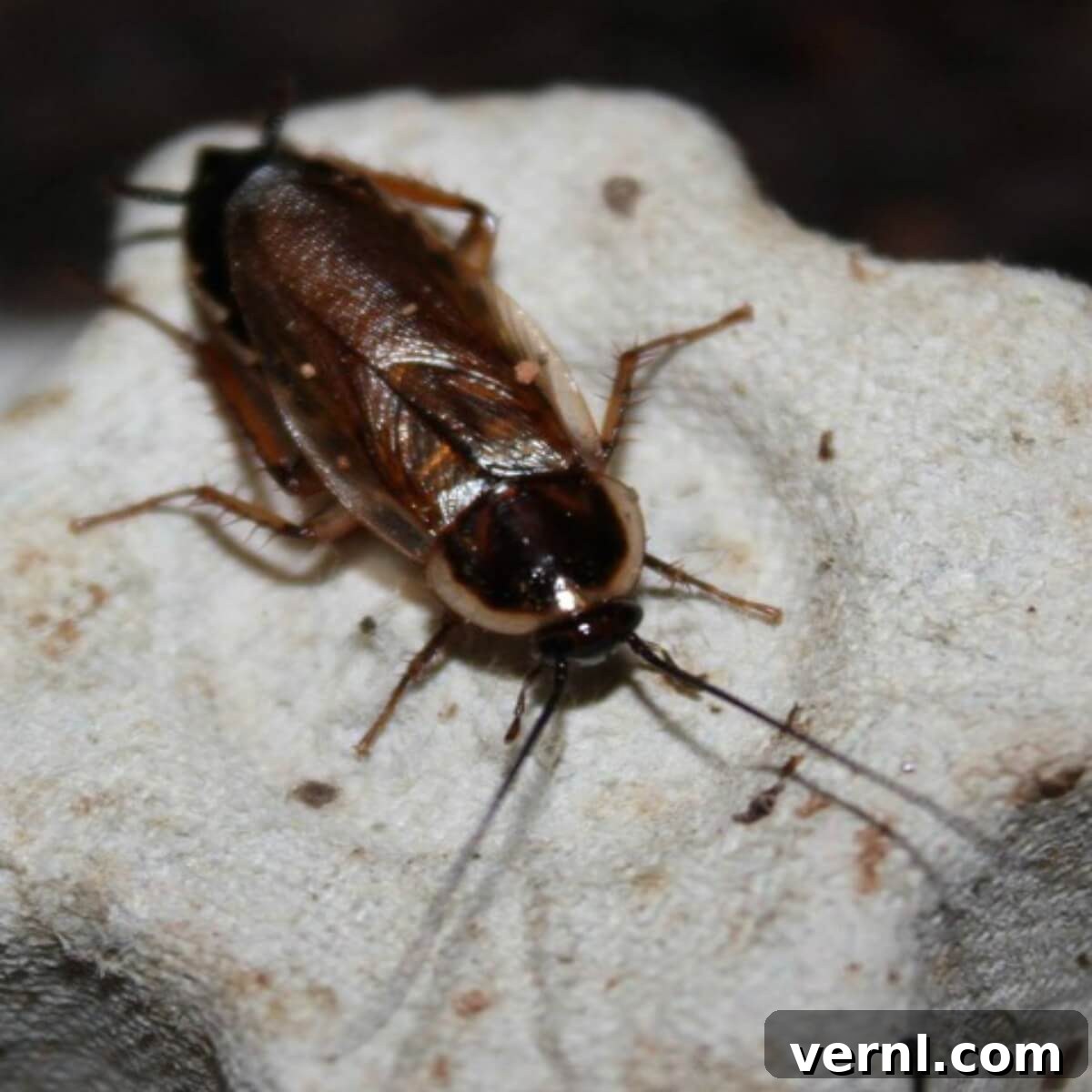
While most commonly found thriving in their natural outdoor habitats, the Pennsylvania Wood cockroach (Parcoblatta pensylvanica) sometimes ventures indoors, creating unexpected and often alarming encounters for homeowners. Though they primarily prefer the wild, understanding their characteristics, behaviors, and how to manage their occasional indoor presence is key to maintaining a pest-free home environment.
Understanding the Pennsylvania Wood Cockroach
The Pennsylvania Wood cockroach, scientifically known as Parcoblatta pensylvanica, is a fascinating insect native to the wooded regions of the Midwestern and northeastern United States. Unlike many of its notorious urban cousins, this species primarily leads an outdoor existence, making it a common sight in natural landscapes, especially during the warmer summer months. Thriving in damp, humid, and forested environments, these cockroaches play a vital role in their ecosystem, primarily as decomposers of organic matter.
Often mistaken for other, more problematic cockroach species, the Pennsylvania Wood cockroach is distinct in its habits. It belongs to the family Blattellidae and is well-adapted to life amongst decaying wood and leaf litter. While its presence indoors can be unsettling, it’s crucial to understand that their natural inclination is to remain outdoors. Their occasional incursions into human dwellings are often accidental or driven by specific environmental factors rather than a desire to infest and reproduce within homes.
Pennsylvania Wood Cockroach Identification: What Do They Look Like?
Identifying the Pennsylvania Wood cockroach is an important first step in understanding and managing its presence. These insects exhibit a coloration that allows them to blend seamlessly with their natural surroundings, ranging from a light reddish-brown to a much darker, almost blackish-brown hue. Their bodies are typically flat and oval, a common trait among cockroaches, allowing them to squeeze into tight spaces.
- Size: Adults typically measure about an inch (25 mm) in length, making them a medium-sized cockroach species.
- Legs and Antennae: Like all insects, they possess six legs, adapted for quick movement across various terrains. They also feature two long, filamentous antennae that are constantly in motion, helping them navigate and sense their environment.
- Sexual Dimorphism (Wings): A key distinguishing feature lies in the wings, which differ significantly between males and females:
- Males: Male Pennsylvania Wood cockroaches possess fully developed wings that extend beyond their abdomen. These wings enable them to fly, albeit usually for shorter distances and often erratically, especially when attracted to lights. This flying ability is a common reason they might accidentally enter homes.
- Females: Females, in contrast, have much shorter, undeveloped wings (brachypterous) that typically do not cover their entire abdomen. Consequently, females are largely flightless and remain grounded, making them less likely to accidentally fly into homes.
- Nymphs: Young cockroaches, or nymphs, are wingless and often darker in color, gradually developing their adult characteristics through several molting stages.
Their appearance can sometimes lead to confusion with other species like the American cockroach, but their preference for outdoor wood habitats and the distinct wing differences (especially in females) help in proper identification.
Understanding Pennsylvania Wood Cockroach Behaviors and Habitat
As their name strongly suggests, Pennsylvania Wood cockroaches exhibit a strong preference for outdoor, wooded environments. Their natural habitat includes a variety of organic matter and structures within forests, woodlands, and even suburban areas with ample greenery.
Preferred Habitats:
- Leaf Piles and Debris: They frequently hide and forage within accumulations of dead leaves, mulch, and other organic ground cover.
- Trees and Tree Stumps: Decaying trees, hollow logs, and tree stumps provide ideal shelter, breeding sites, and food sources. They are often found under loose bark or within rotting wood.
- Woodpiles: Firewood stacks, especially those stored close to homes, are a common harbor for these roaches, offering both shelter and a potential pathway indoors.
- Forest Floor: The moist, shaded environment of the forest floor, rich in decaying plant life, is their primary domain.
Diet and Ecological Role:
These cockroaches are primarily scavengers and detritivores, playing an important ecological role in breaking down organic matter. Their diet consists mainly of:
- Dead and decaying plant life (leaves, wood)
- Fungi and molds
- Fruits (especially fallen, overripe ones)
- Starches and various plant materials
They are nocturnal creatures, meaning they are most active during the night. This is when they emerge from their hiding spots to forage for food and seek mates. During the day, they remain hidden in dark, moist places to conserve moisture and avoid predators.
Attraction to Light and Entry into Homes:
One of the most significant behavioral traits that leads to indoor encounters is their strong positive phototaxis—an innate attraction to light. At night, particularly during warm evenings, male Pennsylvania Wood cockroaches are drawn to bright outdoor lights, such as porch lights, security lights, or lights shining from windows. This attraction often causes them to fly erratically towards sources of illumination, sometimes inadvertently leading them into homes through open doors, windows, or unsealed cracks and crevices. They are not typically seeking shelter or food indoors but rather navigating towards light sources, often ending up trapped once inside.
The Pennsylvania Wood Cockroach Life Cycle
The life cycle of the Pennsylvania Wood cockroach, like other cockroach species, involves a process of gradual metamorphosis, progressing through egg, nymphal, and adult stages. However, a key difference for this species is its strict adherence to outdoor reproduction and development.
- Egg Stage (Ootheca): Unlike some indoor-dwelling cockroaches, the Pennsylvania Wood cockroach does not seek out human structures for reproduction. Females lay their eggs in protective casings called oothecae (egg cases), typically containing 30 to 40 eggs. These oothecae are usually deposited in sheltered outdoor locations, such as within hollowed-out trees, under loose bark, or in decaying wood. The ootheca provides protection against dehydration and predators.
- Nymphal Stages: Once the eggs hatch, tiny nymphs emerge. These nymphs are wingless and resemble miniature versions of the adult cockroaches. They undergo several molts (instars) as they grow, shedding their exoskeleton each time. The nymphal development period can vary depending on environmental conditions like temperature and humidity, but it typically takes several months for them to reach maturity.
- Adult Stage: After their final molt, the nymphs develop into sexually mature adults with fully formed wings (in males) or undeveloped wings (in females). Adult males actively fly in search of females for mating. The entire life cycle, from egg to adult, usually takes about a year, and adults typically live for several months. Their peak activity and breeding season generally coincide with the warm, humid months of summer.
Because their entire reproductive cycle occurs outdoors, finding an ootheca or numerous nymphs indoors is highly uncommon and usually indicates a severe and unusual infestation or prolonged indoor survival, which is rare for this species.
Recognizing the Signs of Pennsylvania Wood Cockroaches
Distinguishing the presence of Pennsylvania Wood cockroaches from other cockroach species is crucial because their behavior and implications for homeowners are vastly different. Unlike common indoor pests like German or American cockroaches, the Pennsylvania Wood cockroach does very little to establish itself or thrive indoors, which means the typical signs of an infestation are largely absent.
Key Indicators of Pennsylvania Wood Cockroach Presence:
- Visual Sightings: The most common, and often the only, sign of these roaches in your home is actually seeing one. You might spot a single cockroach, often a male, erratically flying or crawling towards a light source inside your house. These sightings are usually isolated incidents rather than a continuous stream of activity.
- No Fecal Droppings or Odor: Unlike other cockroach species that leave behind tell-tale signs like pepper-like fecal droppings or a musty odor, Pennsylvania Wood cockroaches typically do not stay indoors long enough to establish territories or excrete significant waste. Therefore, the absence of these signs is a good indicator it might be a wood roach rather than an established indoor pest.
- No Damage to Property: These cockroaches do not feed on household items, food stored in pantries, or fabric. You will not find chewed-up paper, damaged textiles, or contaminated food packages attributable to Parcoblatta pensylvanica.
- Location of Sightings: If you see them indoors, they are frequently found near windows, light fixtures, or entry points like doors, as they are drawn to light. They are less likely to be found hiding in kitchens, bathrooms, or basements, which are preferred by other species.
Homes Most at Risk:
Certain types of homes are more susceptible to encountering Pennsylvania Wood cockroaches:
- Homes in Wooded Areas: Houses surrounded by dense forests, woods, or even heavily landscaped yards with many trees and decaying wood are naturally at higher risk.
- Log or Cedar Homes: Structures built with natural wood components, especially those with exposed timber or cedar siding, can provide more accessible entry points and attractive outdoor harborage areas.
- Homes with Outdoor Lighting: Properties with bright exterior lighting, especially those close to wooded areas, are prone to attracting flying males, increasing the chances of them finding their way inside.
- Homes with Firewood Storage: Storing firewood directly against the house or indoors can inadvertently introduce these roaches, as they often hide within woodpiles.
In most cases, an indoor sighting of a Pennsylvania Wood cockroach is an accidental event rather than a sign of an infestation. Their inability to thrive indoors means they will typically die within a few days from dehydration or lack of suitable food.
Effective Strategies for Pennsylvania Wood Cockroach Control and Prevention
Given that Pennsylvania Wood cockroaches primarily reside outdoors and struggle to survive indoors, the most effective strategies for managing their presence revolve around prevention rather than extermination once they are inside. The goal is to minimize their chances of entering your home in the first place.
1. Seal and Secure Your Home’s Exterior:
The first line of defense is to create a physical barrier to prevent entry. Conduct a thorough inspection of your home’s exterior and seal any potential access points:
- Seal Cracks and Gaps: Use good quality caulk to seal cracks in the foundation, around utility pipes, and where siding meets the foundation.
- Repair Damaged Screens: Ensure all window and door screens are free of tears or holes.
- Install Door Sweeps and Weatherstripping: Gaps under doors and around window frames are common entry points. Install door sweeps on exterior doors and apply weatherstripping around windows and doors for a tight seal.
- Check Vents and Utility Openings: Ensure dryer vents, attic vents, and other utility openings are properly screened and sealed.
2. Manage Outdoor Attractions and Habitats:
Reducing suitable outdoor habitats near your home will significantly decrease the population density around your property.
- Clear Leaf Litter and Debris: Rake and remove piles of leaves, mulch, and other organic debris that accumulate close to your foundation. Keep garden beds tidy.
- Proper Firewood Storage: Store firewood at least 20 feet away from your home and elevate it off the ground. Never bring firewood indoors until immediately before burning it.
- Trim Vegetation: Keep shrubs, bushes, and tree branches trimmed away from the house, as they can serve as bridges for cockroaches and other pests.
- Address Moisture Issues: Repair leaky outdoor faucets, improve drainage around your foundation, and ensure gutters are clean and direct water away from the house. Cockroaches are attracted to damp environments.
3. Control Exterior Lighting:
Since these roaches are strongly attracted to light, managing your outdoor lighting can make a big difference.
- Reduce Light Spillage: Use motion-activated lights or turn off unnecessary exterior lights at night, especially those near entryways.
- Switch to Less Attractive Bulbs: Consider replacing white or blue-spectrum bulbs with yellow “bug lights” or LED bulbs with warmer color temperatures (lower Kelvin ratings), as these are less attractive to many insects, including wood cockroaches.
- Use Window Coverings: Close blinds or curtains at night to prevent interior light from spilling outside and attracting roaches.
4. Maintain Indoor Cleanliness:
While wood cockroaches don’t typically seek indoor food, general cleanliness is always a good pest control practice.
- Promptly Clean Up Spills and Crumbs: Keep kitchen counters and floors clean.
- Store Food Properly: Keep food in airtight containers.
- Don’t Leave Out Dirty Dishes: Wash dishes promptly after use.
- Empty Trash Regularly: Use trash cans with tight-fitting lids.
When to Consider Professional Help:
For isolated sightings, the preventative measures outlined above are usually sufficient. However, if you experience unusually frequent sightings, or if you suspect you might be dealing with a different, more persistent cockroach species, it may be prudent to contact a professional pest control specialist. An expert can accurately identify the species and recommend appropriate targeted treatments, which may include exterior perimeter sprays or baiting strategies in extreme outdoor cases, though rarely needed for Parcoblatta pensylvanica indoors.
Pennsylvania Wood Cockroach Safety and Health Concerns
One of the most reassuring aspects of the Pennsylvania Wood cockroach is the minimal threat it poses to human health and safety. Compared to other well-known cockroach species, such as German or American cockroaches, the health risks associated with Parcoblatta pensylvanica are significantly lower.
Minimal Threat to People:
- Non-Infesting Species: Pennsylvania Wood cockroaches are not adapted to survive or reproduce indoors for extended periods. Once inside a home, they typically desiccate (dry out) and die within a few days due to lack of suitable moisture and food sources. This means they cannot establish breeding populations within your home.
- Reduced Allergen and Asthma Triggers: Common indoor cockroach species produce allergens through their shed skins and droppings, which can exacerbate asthma and allergy symptoms in sensitive individuals. Because Pennsylvania Wood cockroaches do not establish infestations indoors, they do not contribute significantly to indoor allergen loads.
- Low Disease Transmission Risk: While any insect that crawls across unsanitary surfaces can theoretically pick up and transfer bacteria, the likelihood of Pennsylvania Wood cockroaches transmitting diseases to humans is extremely low. Their short indoor lifespan and preference for outdoor, natural diets mean they are less likely to encounter and spread pathogens associated with human waste or food preparation areas.
Potential Minor Issues:
Despite their low threat level, there are a couple of minor concerns to be aware of:
- Food Contamination: If a Pennsylvania Wood cockroach happens to wander across uncovered food items left on counters or tables, there is a remote possibility of contamination. Always practice good food hygiene by keeping food stored in airtight containers and cleaning up spills promptly.
- Disturbance: The primary “issue” homeowners face with these roaches is the psychological discomfort of finding an insect indoors, especially a flying one. For many, the sight of any cockroach is startling, even if harmless.
In summary, while finding a Pennsylvania Wood cockroach in your home can be unnerving, it’s important to remember they are largely harmless visitors. They are accidental intruders rather than intent infesters. Implementing preventative measures to seal entry points and manage outdoor attractions is usually sufficient to address their presence. On the rare occasion that multiple roaches repeatedly infest the house, or if you are unsure of the species, reaching out to a professional pest control service can provide peace of mind and ensure effective management.
Cockroach Resources for Further Reading
For more detailed information about various cockroach species, their behaviors, and what their presence might mean for your home or business, explore these comprehensive pest control articles:
- Types of Cockroaches: A Comprehensive Guide
- Identifying and Managing American Cockroaches
- Understanding and Eliminating German Cockroaches
- Insights into Oriental Cockroaches: Water Bugs
- Smokybrown Cockroaches: Appearance and Control
- Brown-Banded Cockroach Identification and Management
- Florida Woods Cockroaches: The Palmetto Bug
- Pennsylvania Wood Cockroach: Your Guide to Identification and Prevention
- Asian Cockroaches: A Guide to Outdoor Pests
- Australian Cockroaches: Identification and Control
- Madagascar Hissing Cockroach: Unique Pet or Pest?
- Dealing with Flying Cockroaches: What You Need to Know
Sources
- https://extension.psu.edu/pennsylvania-wood-cockroaches
- https://extension.umn.edu/insects-infest-homes/cockroaches#pennsylvania-wood-cockroach-137714