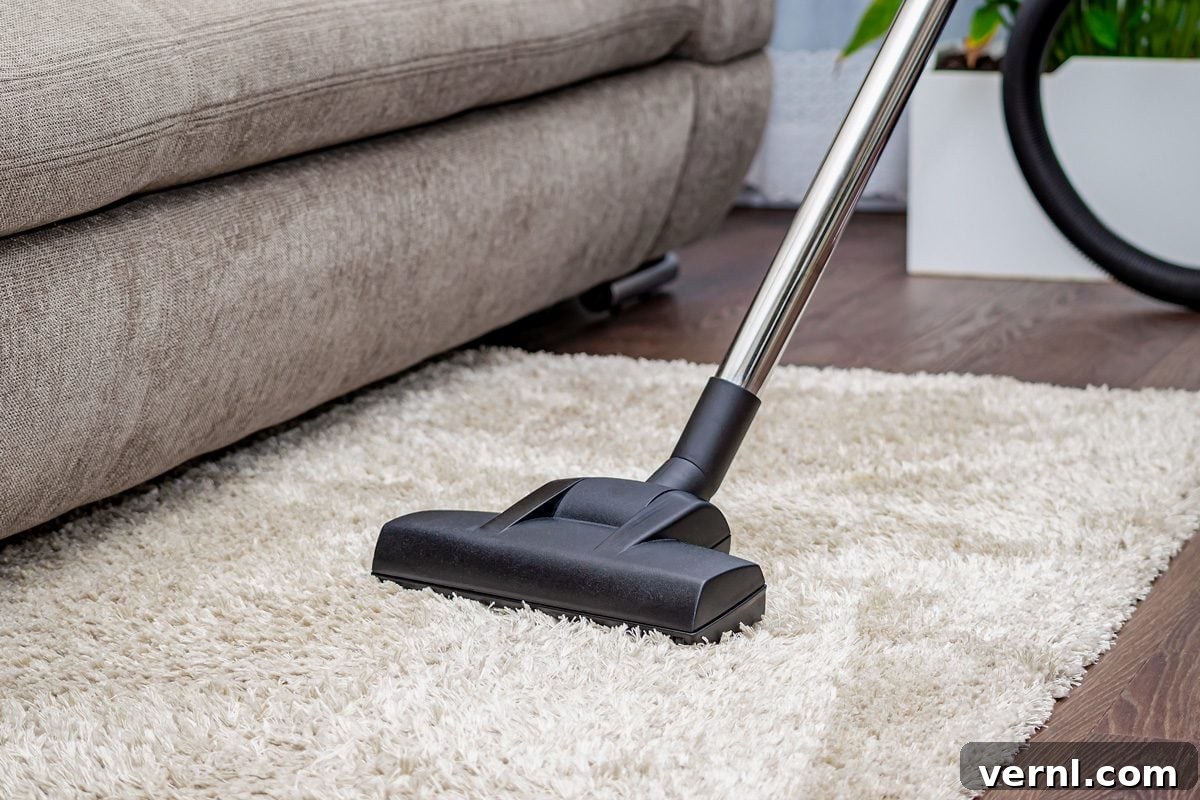
Mastering the Art of Vacuuming: Your Ultimate Guide to Cleaner Floors and a Healthier Home
Vacuuming is a fundamental chore, often viewed with mixed emotions – some embrace it as a satisfying ritual, while others dread the task. Regardless of your personal inclination, understanding the correct techniques and optimal frequency for vacuuming is paramount to maintaining a truly clean, healthy, and inviting home environment. Many homeowners often ponder whether they’re using the right vacuum for their pristine hardwood floors or if their carpets are receiving adequate attention. This uncertainty is common, as improper vacuuming methods can, surprisingly, lead to more harm than good, especially when the wrong approach is applied to different flooring types.
A well-executed vacuuming routine doesn’t just make your floors look good; it significantly contributes to improved indoor air quality, extends the lifespan of your flooring, and effectively manages allergens. To help us navigate the nuances of effective vacuuming and keep your floors pristine for years to come, we’ve enlisted the expertise of Janet Thaeler from Clean Freak and Germaphobe.
Crafting Your Ideal Vacuuming Schedule: Key Considerations
Before diving into specific frequencies, it’s crucial to understand that there’s no one-size-fits-all answer. Your ideal vacuuming schedule is a dynamic one, influenced by several factors unique to your household and lifestyle. These considerations include:
- Household Traffic: How many people (and pets!) live in your home, and how frequently do certain areas get used? High-traffic zones naturally accumulate more dirt and debris.
- Presence of Pets: Furry companions are wonderful, but they introduce shedding, dander, and often track in outdoor elements, demanding more frequent cleaning.
- Allergies and Sensitivities: If anyone in your home suffers from dust or pollen allergies, a more rigorous vacuuming schedule can significantly alleviate symptoms.
- Local Environment: Living in a dusty area, near construction, or in a region with high pollen counts can necessitate increased vacuuming.
- Type of Flooring: Carpets and hardwood floors have different needs and vulnerabilities, requiring distinct approaches to vacuuming.
How Often Should You Vacuum Carpet?
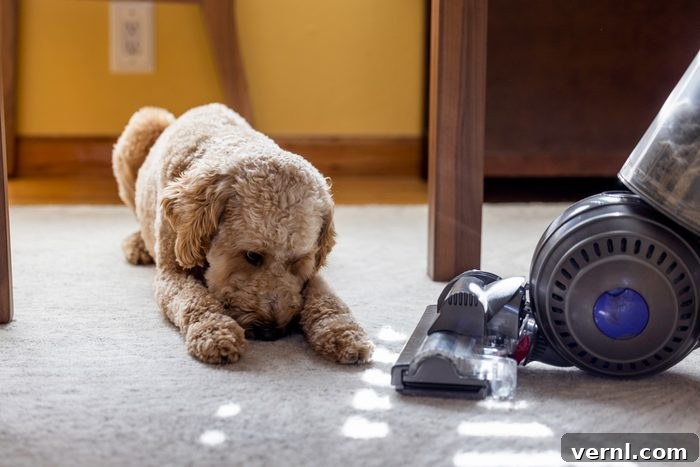
“The answer depends on if you have pets who live at your home and how much traffic different areas get,” Thaeler explains. Carpets act as filters, trapping dust, dirt, allergens, and pet dander. While this can improve air quality temporarily, an overloaded carpet filter becomes a source of pollutants, releasing them back into the air with every step. Regular vacuuming is essential to extract these trapped particles and maintain a healthy indoor environment.
Daily, Weekly, Bi-Weekly: Tailoring Your Carpet Vacuuming Frequency
- Light Traffic Areas: For carpeted rooms that see minimal use, such as guest bedrooms or formal dining rooms, a bi-weekly vacuuming session is often sufficient. Focus on covering the entire area thoroughly.
- Moderate Traffic Areas: In rooms like living rooms or hallways with moderate foot traffic, Thaeler suggests vacuuming the main traffic lanes twice a week, followed by a comprehensive vacuum of the entire room once a week. This ensures that the most frequently used pathways remain clean and prevents dirt from spreading.
- High Traffic Areas: Entries, main hallways, and family rooms often bear the brunt of daily activity. For these areas, daily vacuuming of traffic lanes is highly recommended, coupled with vacuuming the entire area twice a week. This proactive approach prevents deep-seated dirt and matting of carpet fibers.
Beyond frequency, technique matters significantly. Don’t just make a quick pass and consider the job done. For a truly effective clean, make several slow, overlapping passes over an area, moving in different directions. This technique helps to lift dirt and debris from deep within the carpet pile, revive flattened fibers, and prevent unsightly matting. For an extra boost of freshness and odor prevention, Thaeler recommends “lightly sprinkling baking soda on carpets before vacuuming,” or using commercially available scented carpet powders to neutralize odors trapped in the fibers.
Pet Owners’ Guide: Vacuuming Carpets with Furry Friends
If your home is shared with dogs, cats, or any other furry companions, your carpet vacuuming routine needs a significant upgrade. Pets are not only sources of shedding fur but also carry dander, fleas, and can track in a surprising amount of dirt, pollen, and allergens from outdoors. Pet dander, in particular, is a common allergen that can cause or aggravate respiratory issues for sensitive individuals.
Thaeler strongly advises that pet owners vacuum carpets every day. This daily routine is crucial for managing pet hair, dander, and preventing the accumulation of dirt that can host fleas or trigger allergies. If a daily full-house vacuum isn’t feasible, prioritize the rooms and even specific pieces of furniture where your pets spend the most time. Investing in a vacuum with specialized pet hair attachments can make this task much more efficient.
Choosing the Right Vacuum for Your Carpeted Floors
Selecting the appropriate vacuum cleaner is vital for effective carpet care and longevity. Different types of vacuums are designed to handle the unique challenges presented by various carpet pile heights and materials:
- Upright or Canister Vacuums: For most rugs and wall-to-wall carpeting, an upright or canister vacuum is the preferred choice. These models typically offer powerful suction capabilities combined with a rotating brush roll or beater bar. This brush action is instrumental in agitating carpet fibers, loosening embedded dirt, and lifting it to be suctioned away. They are particularly effective on medium to thick pile carpets.
- Stick Vacuums: While convenient for quick clean-ups and lighter debris, stick vacuums are generally less powerful. They can be suitable for very thin rugs or low-pile carpets but will struggle to effectively clean thicker pile carpeting or deeply embedded dirt.
- Robot Vacuums: These automated cleaners are excellent for daily maintenance, especially in pet households, helping to keep surface fur and dust at bay between more thorough manual vacuuming sessions. However, they typically lack the deep cleaning power of upright or canister models.
How Often Should You Vacuum Hardwood Floor?
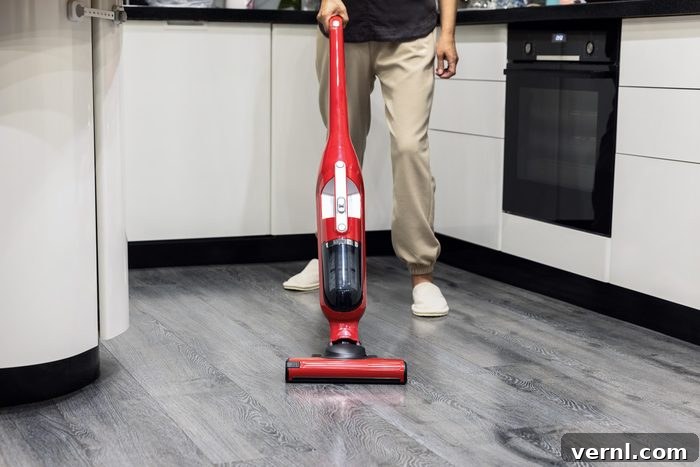
Hardwood floors are prized for their beauty and durability, but they require specific care to prevent damage. Unlike carpets that trap dirt, hardwood floors allow dust, grit, and debris to sit on the surface, where they can act as abrasives. Unless you frequently track in significant amounts of dirt or sand, reside in an exceptionally dusty environment, or share your home with pets, a weekly vacuuming schedule for your hardwood floors is typically sufficient.
However, it’s crucial not to neglect this task. Dust, dander, pollen, and other fine allergens can settle into the tiny cracks and seams between floorboards, becoming difficult to remove and potentially contributing to indoor air quality issues. Letting too much time pass between cleanings, especially in frequently used rooms, allows these particles to build up. Thaeler notes, “You may want to increase how often you vacuum if someone has dust or pollen allergies,” as regular removal of these irritants can significantly improve the comfort and health of allergy sufferers. For consistent surface cleaning, considering an investment in a robotic vacuum cleaner can be a smart move, handling daily dust and light debris with ease.
Hardwood and Hounds: Vacuuming Frequency with Pets
Pets introduce unique challenges to hardwood floor maintenance. “If you have indoor pets in the home that shed, you should vacuum more often,” advises Thaeler. The recommendation for weekly vacuuming quickly escalates to every other day, particularly in areas where your pets frequently roam. Pet hair can quickly accumulate into “fur tumbleweeds,” and dander, like dust, can settle into floorboard crevices.
During peak shedding seasons for your pets, you might even find yourself needing to vacuum daily. The general shedding level of your pet will also influence this frequency. A simple visual cue can guide you: if you notice visible fur collecting along floor edges, under furniture, or behind doors, it’s a clear sign that it’s time to vacuum.
Selecting the Best Vacuum for Hardwood Floors
The key to vacuuming hardwood floors without causing damage is to use a cleaner designed to be gentle yet effective. The wrong vacuum, particularly one with a stiff brush roll or abrasive wheels, can scratch and dull your beautiful hardwood surface. Look for vacuums with specific features for hard floors:
- Canister Vacuums: These are excellent for hardwood due to their powerful suction and typically come with a dedicated hard floor attachment, often featuring a soft brush that won’t scratch.
- Robotic Vacuums: Perfect for daily maintenance, most robotic vacuums are designed with soft brushes and wheels, making them safe for hardwood. They handle surface dust and pet hair well.
- Stick Vacuums: Lightweight and convenient, many stick vacuums now come with interchangeable brush rolls, including soft ones suitable for hardwood. They are ideal for quick clean-ups and maintaining high-traffic areas.
- Key Features to Look For:
- Microfiber Brush Rolls: These soft brushes gently sweep debris without scratching the floor.
- Rubber Wheels: Ensure the vacuum’s wheels are soft rubber, not hard plastic, to prevent scuff marks and scratches.
- Dedicated Hardwood/Multi-Surface Settings: Many modern vacuums offer specific settings that turn off the beater bar or adjust suction for hard floors.
- Upright Vacuums: If you use an upright vacuum, it’s imperative to ensure that the beater bar (the rotating brush) is turned OFF when vacuuming hardwood floors. Using a spinning beater bar on hardwood can cause scratches and disperse fine dust.
- Vacuum Mops: Thaeler highlights the efficiency of vacuum mops, which can vacuum and wash your floors simultaneously, offering a real-time-saving solution for hardwood and tile.
Beyond Frequency: Essential Vacuuming Techniques and Maintenance
Achieving truly clean floors goes beyond how often you vacuum and what machine you use. Proper technique and consistent vacuum cleaner maintenance are equally vital.
Mastering Vacuuming Techniques for Optimal Cleanliness
- Pre-Vacuuming Prep: Before you even switch on your vacuum, take a few minutes to declutter the area. Pick up small objects, toys, or anything that could be sucked up or obstruct the vacuum. If possible, move lightweight furniture to ensure you can reach all areas.
- Slow and Steady: Resist the urge to rush. Move your vacuum slowly and steadily over the surface. This allows the machine’s suction and brush action (if applicable) ample time to pick up embedded dirt and debris.
- Overlapping Passes: Ensure complete coverage by making slightly overlapping passes. For carpets, consider vacuuming in perpendicular directions on your second pass to lift fibers and extract more dirt.
- Utilize Attachments: Don’t underestimate the power of your vacuum’s attachments. The crevice tool is perfect for tight corners, along baseboards, and in between couch cushions. The dusting brush can be used on blinds, lampshades, and even delicate hardwood surfaces (with caution). The upholstery tool is indispensable for cleaning fabric furniture and curtains.
Maintaining Your Vacuum Cleaner for Peak Performance
A well-maintained vacuum cleaner performs better and lasts longer. Neglecting your vacuum can lead to reduced suction, ineffective cleaning, and even costly repairs.
- Empty the Dustbin/Change the Bag: For bagless vacuums, empty the dustbin after every few uses, or when it reaches the “max fill” line. For bagged vacuums, replace the bag before it becomes completely full to maintain optimal suction.
- Clean or Replace Filters: Most modern vacuums have washable or replaceable filters. Check your owner’s manual for specific instructions. Clogged filters dramatically reduce suction power and can release dust back into the air. Clean washable filters regularly and replace disposable ones as recommended.
- Check and Clean the Brush Roll: Especially on uprights and canister powerheads, hair, string, and carpet fibers can get tangled around the brush roll, impairing its ability to agitate and clean. Regularly check and carefully cut away any tangled debris.
- Inspect Hoses and Attachments: Periodically check hoses for clogs and attachments for any cracks or damage that could affect suction.
Can You Vacuum Too Much? Balancing Cleanliness and Lifestyle
In general, you really can’t vacuum too much in terms of harming your floors, especially with the right vacuum for the job. Frequent vacuuming, particularly in high-traffic areas or homes with pets and allergy sufferers, is beneficial for cleanliness and air quality. However, there’s a practical limit to how much time you can realistically dedicate to the task.
For example, in my own kitchen, with its dark Brazilian cherry floors and satin finish – a choice not my own – every speck of dust and dirt from my family of four is painfully visible. As a result, I often find myself wanting to vacuum twice a day when possible. Yet, I don’t apply this same rigorous effort to other areas of my house, simply because it’s not genuinely necessary for those spaces.
The ultimate decision comes down to your personal standards of cleanliness, your household’s specific needs, and the time you have available. While it’s unlikely to cause damage, excessive vacuuming that consumes a significant portion of your day might indicate an underlying issue (like excessive dust generation) or simply a strong personal preference. Find a routine that keeps your home fresh and healthy without becoming an overwhelming burden.
About the Expert
- Janet Thaeler is an expert cleaner at Clean Freak and Germaphobe, a popular website and YouTube channel devoted to home-cleaning tips, hacks and organizing. She has operated the site since 2018 and has over 240,000 subscribers.