
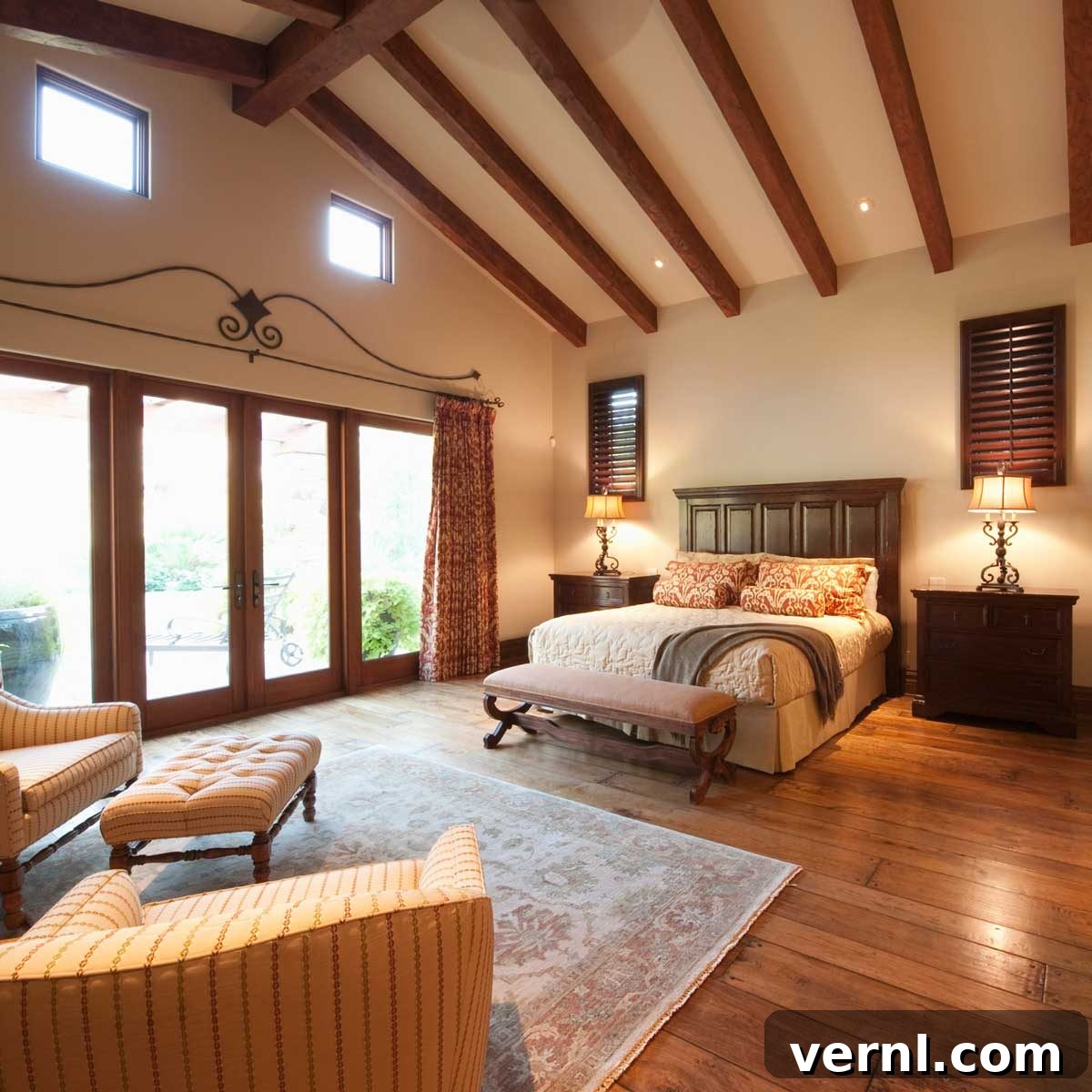
If you’re someone who appreciates the timeless elegance and rustic charm of an older home, you might find the stark modernity of new constructions somewhat uninspiring. The ubiquitous builder-grade doors, sleek lines, and stainless steel finishes often project a cold, uninviting aesthetic that screams “brand new.” While new homes offer numerous advantages, such as modern conveniences and energy efficiency, they frequently lack the character, warmth, and intricate details that define vintage or rustic spaces. Moving cherished antique furniture and decorative pieces into such a setting can often feel incongruous, as if they don’t quite belong.
Fortunately, the absence of inherent vintage appeal in a newly built house is not an insurmountable obstacle. With a thoughtful approach and a few strategic design choices, you can seamlessly infuse your contemporary living space with the soulful depth and cozy allure of an earlier era. This guide will explore practical and impactful ways to transform your new home into a haven of vintage and rustic charm, allowing your unique style to shine through every corner.
Embellish Ceilings With Wood Beams
One of the most effective and visually striking ways to introduce rustic grandeur into a modern home is by adding wood beams to your ceilings. This architectural element instantly lends a sense of age, warmth, and farmhouse-inspired character, transforming a plain ceiling into a captivating focal point. Claudia Harvey, president and lead designer at Wydian Kitchens & Design, emphasizes the transformative power of this simple addition.
“There are two primary types of beams people typically opt for,” Harvey explains. “One is a solid square beam, which offers substantial visual weight and a robust, authentic feel. The other common choice involves constructing a U-shaped beam from three pieces of wood, creating a hollow structure that mimics the appearance of a solid beam.” These beams are generally secured to the ceiling using mounting blocks and screws, making the installation process relatively straightforward for experienced DIYers or professionals.
For those seeking an easier and more budget-friendly option, decorative faux ceiling beams are an excellent alternative. Crafted from lightweight materials like high-density polyurethane, they weigh considerably less than solid wood, making them much simpler to install without compromising on aesthetic appeal. These faux beams often come pre-finished to resemble various wood species and textures, including hand-hewn or distressed looks. Alternatively, adventurous homeowners might consider a DIY beam and panel ceiling project to add even more intricate detail.
Consider installing beams in high-traffic areas or spaces where you desire a strong visual impact, such as the kitchen, living room, or family room. The kitchen, in particular, benefits from the addition of beams, creating a cozy, convivial atmosphere perfect for gathering. In a living room, they can define zones and add an architectural layer that immediately elevates the space, making it feel more established and lived-in. When selecting your beams, think about the overall aesthetic you’re aiming for: lighter woods for a Scandinavian farmhouse feel, or darker, distressed finishes for a more traditional rustic or lodge-style look. The presence of these substantial wooden elements grounds the room, offering a comforting sense of permanence that is often absent in the minimalist designs of modern homes.
Install Crown Molding and Baseboards
Another hallmark of classic architecture and older homes is the presence of detailed millwork, particularly substantial crown molding and generous baseboards. Modern homes often feature minimalist or even absent trim, which contributes to their sleek but sometimes sterile appearance. By thoughtfully incorporating these elements, you can instantly imbue your new home with a sense of history, elegance, and refined character.
Claudia Harvey notes that crown molding and baseboards are available in an impressive array of sizes, profiles, and styles, offering extensive customization possibilities to match your desired vintage aesthetic. “If you’re aiming for a truly authentic vintage look, consider styles that are darker or feature more intricate designs reminiscent of older architectural periods,” she advises. “However, even a basic, well-proportioned crown molding can significantly enhance the perceived age and quality of a house, adding a layer of sophistication that simple walls lack.”
For baseboards, Harvey recommends aiming for a height of four to six inches or even more to achieve that distinctive vintage appeal. Taller baseboards provide a more substantial visual foundation for the walls, creating a sense of grandeur and formality that was common in historical homes. These details act as decorative transitions, softening the hard lines where walls meet ceilings and floors, and adding a finished, bespoke feel to every room. Opt for styles with subtle curves or stepped profiles to further enhance the classic look. While installation requires careful measurement and cutting, the visual payoff of well-chosen and expertly installed crown molding and baseboards is immense, transforming ordinary rooms into spaces with depth and historical resonance.
Replace Modern Hardware
Few details betray the newness of a home as quickly as standard, off-the-shelf brushed-nickel hardware on cabinets and doors. This contemporary finish, while clean and functional, often lacks the character and warmth associated with vintage aesthetics. Hardware acts as the “jewelry” of your home, and updating these small but significant elements can dramatically alter the perception of age and style in your living space.
To infuse your home with classic charm, Harvey suggests replacing modern hardware with materials that have a richer history and more tactile appeal. Consider elegant crystal or glass knobs for a touch of refined vintage glamour, reminiscent of Victorian or Art Deco eras. For a more robust, rustic, or industrial vintage look, forged wrought iron hardware offers unparalleled authenticity and durability. These materials instantly add a layer of texture and visual interest that brushed nickel simply cannot provide.
The beauty of this upgrade lies in its versatility and impact. Echo this aged look throughout your home by systematically replacing not only cabinet and door hardware but also dresser and desk drawer pulls. Pay attention to every detail, from doorknobs to closet door hardware, to ensure a cohesive and well-curated aesthetic. The good news is that changing out hardware is generally an easy DIY project, often requiring little more than a screwdriver and a few minutes per piece. This also opens up exciting opportunities for personal expression. You can spend enjoyable hours scouring antique stores, flea markets, and specialized vintage hardware shops to discover unique, one-of-a-kind pieces that tell a story and add unparalleled character to your home.
Enhance Plain Walls With Wood Paneling
Modern homes frequently feature smooth, painted drywall, which, while versatile, can sometimes feel stark and lacking in personality. Wood paneling offers a fantastic solution, introducing texture, warmth, and a distinct rustic or vintage flair that immediately elevates the aesthetic of any room. Shiplap, in particular, has surged in popularity as a classic and accessible way to achieve a charming, rustic look. Its clean lines and simple installation make it a favorite for homeowners seeking to add character without extensive renovation.
Shiplap consists of horizontal wood planks that feature a rabbet joint, allowing them to interlock and create a distinctive reveal between each board when nailed to the wall. This creates a subtle shadow line that adds depth and interest. It’s readily available at most home improvement stores and lumber yards, making it an easy material to source for your project. Beyond shiplap, other paneling styles like beadboard (featuring vertical grooves) or board and batten (wide boards separated by narrow strips) can also contribute significantly to a vintage or farmhouse aesthetic.
Before installation, Claudia Harvey advises painting or staining the wood, a crucial step to ensure a uniform and durable finish. The choice of finish greatly influences the final look: crisp white paint on shiplap evokes a classic farmhouse charm, while stained or distressed shiplap can instantly create a cozy, cabin-like atmosphere. This effect is particularly pronounced when paired with complementary elements like rustic furniture, wrought iron accents, or earthy textiles. Wood paneling can be used to create a striking accent wall, line an entire room, or even just the lower half of a wall as wainscoting, offering versatility in design while consistently adding a layer of authenticity and historical depth to your new construction.
Replace Light Fixtures
Lighting is a powerful tool in interior design, capable of setting the mood, defining a space, and highlighting architectural features. Generic, contractor-grade light fixtures found in many new homes often fall short in character, failing to contribute meaningfully to a desired vintage or rustic aesthetic. Swapping these out for fixtures with more personality is a transformative step towards cultivating an older, more established ambiance.
“Vintage fixtures, such as classic crystal chandeliers and intricate sconces, are excellent choices for achieving a sophisticated vintage look, and they are experiencing a significant resurgence in popularity,” Harvey notes. These pieces often feature ornate details, delicate prisms, or intricate metalwork that exude timeless elegance. For a more rugged, rustic feel, she recommends “going with a wrought iron fixture.” The robust, hand-forged appearance of wrought iron adds a sense of history and artisanal craftsmanship that is perfectly suited for farmhouse, industrial, or traditional rustic interiors.
Furthermore, Harvey suggests choosing light fixtures that clearly nod to a specific historical era you wish to replicate. For instance, an antique brass Victorian sconce can evoke the opulence of the late 19th century, while an art deco chandelier can transport your space to the glamorous 1920s. Beyond chandeliers and sconces, consider period-appropriate pendant lights, flush mounts, or even floor and table lamps with vintage-inspired designs. The material, finish (e.g., aged brass, oil-rubbed bronze, distressed wood), and overall form of your light fixtures play a critical role in weaving together the narrative of an older home, providing both essential illumination and significant decorative impact that perfectly complements your chosen aesthetic.
Dress Up Windows With Curtains
In many modern homes, window treatments often lean towards minimalist fabric shades or streamlined blinds, valued for their clean lines and efficiency. While these are certainly practical, they can appear “off” or even cold when the overarching design goal is to create a warm, vintage, or rustic atmosphere. While curtains might sometimes be perceived as an outdated trend, when selected thoughtfully and strategically, they possess an unparalleled ability to soften modern windows, add texture, and introduce character.
Curtains bring a much-needed layer of softness and visual interest to a room, mitigating the harshness of bare windows and hard architectural lines. For a truly cozy and rustic aesthetic, Claudia Harvey specifically recommends patterns such as a large buffalo check or a traditional plaid. These patterns instantly evoke a sense of warmth, Americana, and classic country style, perfectly aligning with rustic interiors. Consider natural fabrics like linen, cotton, or even burlap for an authentic, earthy feel. For a more formal vintage look, velvet drapes or elaborate floral patterns can add significant drama and luxury.
Beyond the fabric itself, the curtain hardware plays an equally important role. Opt for substantial rods in materials like wrought iron, distressed wood, or aged brass, complemented by decorative finials that suit your chosen era. Draping curtains generously, allowing them to pool slightly on the floor, can also create a romantic, old-world sensibility. A strong source for traditional curtains and curtain hardware can provide a wealth of options. By introducing these textile elements, you not only add visual appeal but also enhance acoustic comfort and provide opportunities for privacy and light control, all while firmly establishing a welcoming, vintage-inspired aesthetic.
Replace Builder-Grade Doors With Panel Doors
One of the most telling indicators of a new, cost-optimized construction is the prevalence of hollow-core interior doors. While inexpensive and lightweight, these doors often feel flimsy and lack the substantial presence and character associated with older, well-built homes. To truly infuse a new house with vintage charm and a sense of enduring quality, a significant upgrade can be achieved by replacing these modern doors with solid-wood panel doors.
Solid-wood panel doors have been a staple of architectural design for centuries, prized for their durability, intricate detailing, and substantial feel. Typically featuring two, four, or six recessed panels, these doors add architectural depth and a classic aesthetic that immediately elevates the perceived quality of a home. Changing out those plain, hollow doors for solid-wood panel doors instantly grants a home a more traditional, established look. The difference in weight and sound upon closing a solid door is palpable, contributing significantly to a sense of permanence and privacy that modern hollow-core doors often fail to provide.
While solid-wood panel doors are generally a more expensive investment upfront compared to their hollow counterparts, their benefits extend far beyond mere aesthetics. They are considerably stronger and more durable, built to withstand daily use for decades. Furthermore, their solid construction offers superior soundproofing qualities, reducing noise transmission between rooms and contributing to a more tranquil living environment. You can choose from various wood species like pine, oak, or mahogany, and either paint them to blend seamlessly with your trim or stain them to highlight the natural beauty of the wood, depending on your desired vintage or rustic effect. Paired with appropriate vintage-style hardware, these doors become powerful elements in transforming your new house into a home with a genuine, enduring character.
Revamp the Staircase
The staircase often serves as a grand architectural statement and a central focal point in many homes. In older residences, particularly those from the late 18th and 19th centuries, staircases were frequently adorned with elaborate details that spoke to the home’s grandeur. To imbue a modern staircase with this sense of vintage elegance, revamping its components offers an exceptional opportunity for transformation.
One classic detail that gained immense popularity in Victorian homes with wooden staircases was the addition of stair runner carpets, secured by decorative stair rods. This combination not only added warmth and softness underfoot but also introduced a luxurious visual element. Adding a stair runner, particularly one in a traditional pattern or natural fiber, and securing it with elegant brass stair rods, can instantly give your modern-looking home a sophisticated, turn-of-the-century vintage appearance. These rods, often featuring ornate finials, are small details that make a monumental difference in historical authenticity.
Beyond the runner, consider upgrading the structural and decorative elements of the staircase itself. Modern staircases often feature simple, unembellished newel posts, balusters, and railings. To achieve a more vintage or traditional look, you can opt for more elaborate newel posts, which are the main posts supporting the handrail at the top and bottom of the stairs, often intricately turned or carved. Similarly, replacing standard balusters (the vertical spindles) with more decorative options – perhaps turned wood, square spindles with detailed caps, or even elegant wrought iron designs – can dramatically alter the staircase’s character. Upgrading the handrail itself to a more substantial profile or a different wood species can further enhance this transformation. Even the hardware, such as the brackets supporting the handrail, can contribute to the vintage aesthetic. Pieces like these wrought iron handrail brackets can tie into a broader rustic or industrial vintage theme, making the staircase a truly grand and historically resonant focal point in your home.
Dress Up Your Walls with Mirrors
Mirrors have a rich and extensive history, serving both functional and decorative purposes since ancient Roman times. Their ability to reflect light, create an illusion of space, and add a touch of glamour makes them an invaluable tool for transforming modern interiors into vintage-inspired havens. Choosing grand mirrors, particularly those with ornate frames, can instantaneously elevate a dull or minimalist room, imbuing it with a sense of antique luxury and intricate detail.
The frame of a mirror is key to its vintage appeal. Look for gilded frames with intricate carvings reminiscent of Baroque or Rococo styles, distressed wood frames for a rustic or shabby chic look, or even wrought iron frames for an industrial vintage edge. These frames act as works of art in themselves, dictating the style and mood of the space. Strategically placing a large, ornate mirror above a mantelpiece, in an entryway, or as a centerpiece on a blank wall can immediately draw the eye and establish a sophisticated focal point.
Installing sconces on either side of a mirror is another classic design technique that enhances its impact, transforming it into an even more prominent and illuminated feature within the room. This pairing not only provides additional ambient light but also highlights the mirror’s frame and reflections, adding layers of depth and intrigue. Beyond their aesthetic contribution, mirrors offer practical benefits: they can make a room feel significantly brighter by bouncing light around, and they create the illusion of larger, more expansive spaces, a particularly useful trick in smaller or darker rooms.
To further amplify the vintage charm, consider where you hang your mirror. Placing it behind a carefully chosen piece of vintage furniture—such as an antique console table, a venerable chest, or a classic vanity—allows the reflection to double the impact of these cherished items, visually elevating the room’s classic look and creating a cohesive, well-appointed tableau. The strategic use of mirrors is an elegant and powerful way to layer historical depth and sophisticated beauty into any new home, making it feel less new and more like a cherished space with a story to tell.