
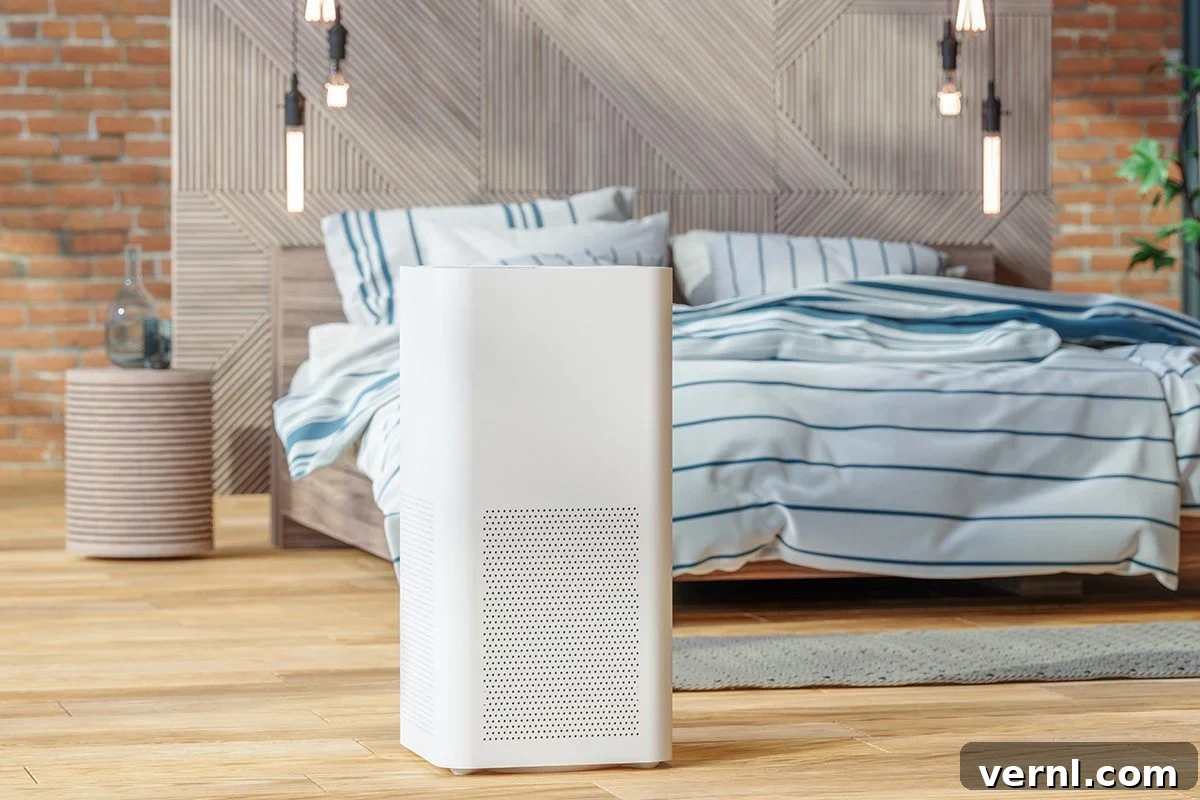
Living in a region susceptible to environmental challenges like wildfire smoke, I often wondered about the practical impact of air purifiers on indoor air quality. It turns out, these devices are incredibly effective. Beyond mitigating smoke, they play a crucial role in enhancing overall home health by significantly reducing common indoor pollutants. Air purifiers are particularly beneficial for individuals suffering from asthma and allergies, as they efficiently capture and remove airborne irritants such as pet dander, dust mites, pollen, and mold spores.
However, it’s important to understand their primary function. As HVAC and indoor air quality expert Jon Gilbertsen points out, “Most air purifiers are designed for filtration, not outright disinfection. While they excel at removing particles, they typically don’t kill bacteria and viruses unless they incorporate specialized features like UV-C light or plasma technology.”
Even with these advanced features, Gilbertsen notes that the effectiveness of such added disinfection technologies often lacks comprehensive real-world testing in occupied living spaces or on humans. This can make their true impact on disease prevention somewhat ambiguous. To provide clarity, this guide delves into the intricate mechanisms of air purifiers, evaluates their proven capabilities in cleaning the air, and offers practical advice on maximizing their efficiency for a healthier home environment.
Understanding How Air Purifiers Work
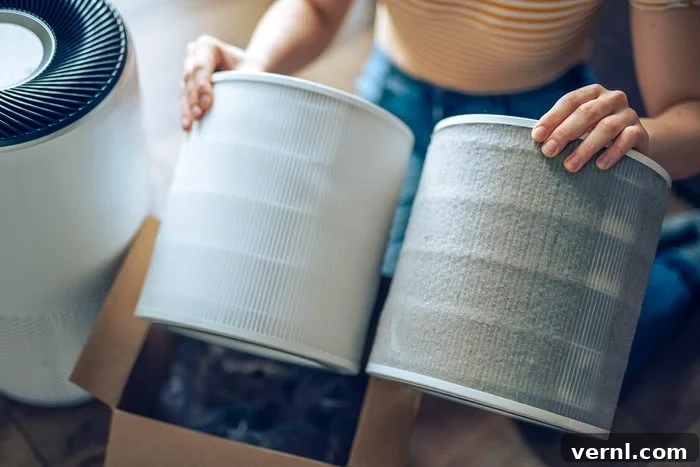
At their core, air purifiers function by drawing indoor air through a series of specialized filters with the assistance of an internal fan. This process effectively captures and traps various airborne particles, ranging from microscopic dust and pollen to pet dander and smoke. While some purifiers employ advanced technologies like ionization or UV light to neutralize contaminants, the most widely recognized and effective method relies on HEPA (High-Efficiency Particulate Air) filtration.
Jon Gilbertsen explains the fundamental principle: “Naturally, air can clean itself over time, but this process is incredibly slow and often incomplete, which is why allergens and pollutants tend to linger in our homes. An air purifier simply accelerates this natural purification process and significantly enhances its effectiveness, providing a continuous cycle of cleaner air.”
Many modern air purifiers integrate multiple filtration stages to tackle a broader spectrum of pollutants. A typical setup often includes a pre-filter to catch larger particles like hair and lint, followed by a HEPA filter for fine particulates, and an activated carbon filter to absorb odors and gases. Some models further incorporate technologies specifically marketed to combat respiratory viruses, such as COVID-19 and influenza. These may utilize an expanded array of sophisticated technologies, sometimes involving the generation of reactive gases and chemicals like ozone, formaldehyde, or hydroxyl radicals, intended to neutralize microbes. However, the safety and efficacy of these chemical-generating purifiers require careful consideration due to potential byproducts.
Assessing the Effectiveness of Air Purifiers
Air purifiers can be remarkably effective in addressing specific indoor air quality concerns. They excel at removing common allergens and significantly contributing to the alleviation of asthma symptoms. This is particularly true for units from reputable brands that have earned certifications from independent testing agencies, such as the Asthma and Allergy Foundation of America (AAFA). These certifications assure consumers that the purifiers meet stringent standards for allergen and irritant reduction.
However, it’s crucial to distinguish between air cleaning and comprehensive sanitation. As Gilbertsen cautions, “While air purifiers dramatically improve air quality, they are primarily about cleaning, not disinfection. It’s unrealistic to purchase one with the expectation that it will single-handedly prevent you from catching the flu or other infectious diseases. Its direct impact on preventing illness is, in most cases, limited.”
The Critical Role (or Lack Thereof) of Human Testing
A comprehensive review of nearly 700 studies, published in the esteemed journal Annals of Internal Medicine, highlighted a significant gap in the research: the vast majority of air purifiers advertised with claims of preventing the spread of airborne diseases have not undergone testing on human subjects. Instead, most of these devices have only been evaluated in unoccupied, controlled laboratory environments. This raises substantial concerns because laboratory conditions do not accurately reflect the complexities of real-world scenarios, such as a bustling home with children, pets, and constant human activity, where air circulation patterns and particle generation are vastly different.
Another significant issue pertaining to air purifiers designed to curb the spread of indoor infections is the scarcity of studies investigating their potential harmful effects. Certain technologies, particularly those that generate active compounds, may inadvertently release byproducts like ozone, formaldehyde, or other volatile organic compounds (VOCs) into the air. These chemicals can, in some instances, pose their own health risks, especially for sensitive individuals, underscoring the need for more rigorous safety assessments.
Effectiveness Against Disease Transmission
Edwin Cheung, founder of air purifier manufacturer Rabbit Air, confirms a crucial point: “Currently, no air purifiers on the US market possess clinical proof of general disease prevention.” This statement doesn’t negate their potential to contribute to a healthier environment, but it firmly establishes that they should not be considered a standalone defense against infectious diseases. While a reduction in airborne pathogens might occur, it’s not a guaranteed prevention strategy.
HVAC expert Michael Bilotti aptly summarizes their role: “While air purifiers can certainly reduce the concentration of airborne particles, including viral and bacterial aerosols, thereby lowering overall exposure to pathogens, they are best viewed as one critical layer of protection within a broader strategy, rather than the sole method for disease prevention.” This means combining air purification with other measures such as vaccination, proper ventilation, hand hygiene, and social distancing.
Do You Need an Air Purifier? Key Indicators
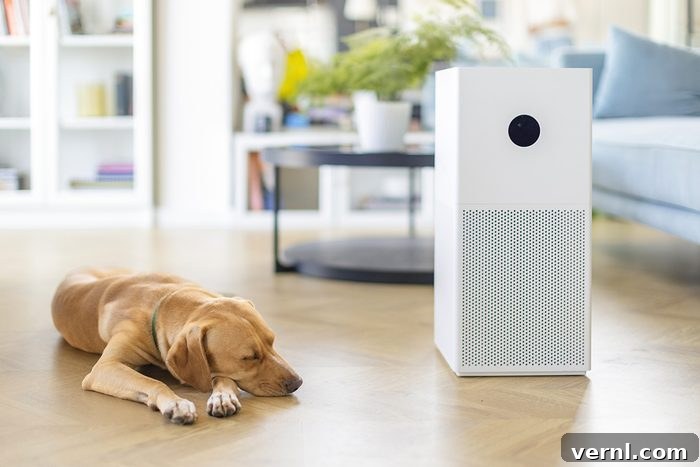
Deciding whether an air purifier is a worthwhile investment often comes down to your specific living conditions and health concerns. You should strongly consider incorporating an air purifier into your home if any of the following situations apply:
- Allergies, Asthma, or Respiratory Issues: If anyone in your household suffers from allergies, asthma, or other respiratory sensitivities, an air purifier can significantly reduce airborne triggers like pollen, dust mites, pet dander, and mold spores, leading to improved breathing and fewer symptomatic episodes.
- Presence of Pets: Beloved pets, while wonderful companions, are a primary source of pet dander and odors. Air purifiers effectively capture these irritants, keeping your home fresher and more comfortable for both allergic and non-allergic residents.
- Poor Outdoor Air Quality: Living in urban environments with high pollution levels, industrial areas, or regions prone to environmental events like wildfire smoke necessitates an air purifier. It acts as a vital barrier, filtering harmful particulates and gases that infiltrate your home from the outside.
- Use of Indoor Fireplaces or Wood Stoves: These heating methods, while cozy, can release fine particulate matter and carbon monoxide indoors. An air purifier helps to capture these byproducts, improving the air quality and safety of your living space.
- Stuffy, Dusty, or Musty Indoor Environment: If your house frequently feels stuffy, appears dusty despite regular cleaning, or carries persistent musty odors, these are clear signs of accumulated indoor pollutants. An air purifier can dramatically improve air circulation and freshness.
“Even just one of these indicators is a compelling reason to consider using an air purifier,” emphasizes Jon Gilbertsen, highlighting their broad utility in diverse home environments.
Does Room Size Affect Air Purifier Choice? Absolutely.
The effectiveness of an air purifier is highly dependent on its appropriate sizing for the room it’s intended to clean. An air purifier that is too small for a given space will be unable to circulate and filter the air efficiently, leading to subpar results. To ensure optimal performance, pay close attention to the purifier’s Clean Air Delivery Rate (CADR).
CADR is a standardized measurement that indicates how quickly an air purifier can remove specific particle types (smoke, pollen, dust) from a room. A higher CADR rating signifies faster and more efficient air cleaning. When selecting a unit, look for a CADR rating that matches or exceeds the recommended value for your room’s square footage, often found in product specifications. For instance, if your room is 200 sq ft, you’d ideally want a CADR rating of at least 130-150 for general use, and higher for severe allergy or smoke issues.
Gilbertsen offers practical advice: “While an air purifier that’s larger than necessary for your room will certainly work, and often faster, it typically comes with trade-offs. Larger units are generally noisier and more expensive, both in initial purchase and long-term filter replacements. The goal is to find the right balance for your space and needs.”
Optimal Placement: Where Should You Put Your Air Purifier?
The strategic placement of an air purifier within a room is as crucial as its size. Improper placement can severely limit its ability to circulate and filter air effectively. Edwin Cheung advises, “The ideal location for an air purifier is strategically positioned within the room where airborne pollutants are most frequently generated or tend to concentrate. This often means placing it in areas of high activity or near known sources of pollution.”
Additionally, it’s vital to consider clearance requirements. “We also advise our customers to keep in mind the necessary clearance around the unit,” Cheung adds. “Some air purifiers are designed to operate efficiently close to walls or in corners, while others require more open space surrounding them to ensure unimpeded airflow and maximum reach.” Always check the manufacturer’s recommendations for optimal placement.
Gilbertsen also provides an often-overlooked, yet practical, tip: choose an air purifier that you find aesthetically pleasing. “Otherwise,” he warns, “you’ll be tempted to hide it, ultimately placing it in a remote corner or behind furniture. Many people do this to keep the unit out of sight, but it inadvertently causes the purifier to clean only a small, isolated pocket of air instead of effectively circulating and purifying the entire room.” For maximum efficacy, ensure your air purifier has clear space around its air intake and exhaust vents.
Understanding the Types of Filters Used in Air Purifiers
The core of any effective air purifier lies in its filtration system. Most high-quality air purifiers employ a multi-stage approach, combining different types of filters to tackle a wide array of indoor pollutants. The most common and effective combination typically includes:
- Pre-filters: These are the first line of defense, designed to capture larger particles such as pet hair, lint, and dust bunnies. Pre-filters are crucial because they protect the more delicate inner filters from becoming prematurely clogged, thereby extending their lifespan and maintaining the overall efficiency of the purifier. Many pre-filters are washable, offering cost-saving and eco-friendly benefits.
- HEPA (High-Efficiency Particulate Air) Filters: This is the workhorse of particle removal. True HEPA filters are certified to capture at least 99.97% of airborne particles as small as 0.3 microns in diameter. This includes ultrafine dust, pollen, mold spores, pet dander, and even some bacteria and viruses that attach to larger particles. The dense, interwoven fibers of a HEPA filter physically trap these microscopic irritants, making them indispensable for allergy and asthma sufferers.
- Activated Carbon Filters: Unlike HEPA filters, which capture particles, activated carbon filters are designed to absorb gases, odors, and Volatile Organic Compounds (VOCs). They are highly porous and contain millions of tiny pores that chemically bond with gaseous pollutants, effectively removing pet odors, cooking smells, smoke odors, and chemical fumes from cleaning products or new furniture. These are essential for homes with persistent odors or chemical sensitivities.
By using a combination of these filters, air purifiers can provide comprehensive air cleaning, addressing both particulate matter and gaseous pollutants for a significantly healthier indoor environment.
Frequently Asked Questions About Air Purifiers
How Often Should Air Purifier Filters Be Replaced?
Filter replacement frequency is a critical aspect of maintaining your air purifier’s effectiveness and varies based on several factors. General guidelines often suggest replacing HEPA filters every six to 12 months, and activated carbon filters every three to six months. However, these intervals can be shorter if you have pets, live in an area with high pollution (like near a busy road or prone to wildfire smoke), or use the purifier continuously.
It’s paramount to adhere to manufacturer recommendations, but also to monitor the filters visually. As Jon Gilbertsen advises, “Every home has unique conditions. It’s best practice to periodically check your filters for dust buildup. Replace or wash them as soon as they appear clogged, heavily discolored, or dark gray.” Clogged filters drastically reduce airflow, which not only diminishes the purifier’s ability to clean the air but can also strain the motor. “That’s why I strongly recommend investing in a model equipped with a filter-change indicator light,” he adds, as these provide a convenient and timely reminder for maintenance.
Can Air Purifiers Really Help with Allergies or Asthma?
Yes, absolutely. High-quality air purifiers, especially those certified by independent testing organizations like the AAFA, are highly effective in mitigating allergy and asthma symptoms. These conditions are frequently triggered by airborne irritants such as pollen, pet dander, dust mites, and mold spores. By continuously filtering these microscopic triggers out of the air, purifiers create a cleaner, safer breathing environment.
To maximize their benefit, ensure you select an air purifier with the correct size and CADR rating appropriate for the room you intend to use it in. As Michael Bilotti explains, “By efficiently removing common allergens like pollen, pet dander, and household dust, purifiers can significantly reduce the triggers that lead to allergic reactions and asthma attacks, helping individuals breathe much easier.” He further clarifies, “While air purifiers do not offer a cure for allergies or asthma, their consistent use can substantially decrease the severity and frequency of symptoms, greatly improving the quality of life for sufferers.”
About the Experts Featured in This Guide
- Jon Gilbertsen is a distinguished indoor air quality expert and HVAC professional. He serves as president at Chris Heating & Cooling in the Chicago area, a family-run business established in 2005 with a strong reputation for excellence in HVAC and air quality solutions.
- Michael Bilotti brings over two decades of invaluable experience as an Army veteran turned HVAC professional. He currently leads the charge as the General Manager at Degree Heating & Cooling, a company dedicated to providing top-tier heating, cooling, and air quality services.
- Edwin Cheung is the visionary founder of Rabbit Air, an esteemed air purifier company with over two decades of experience. His company is committed to enhancing health and wellness by improving the quality of the air we breathe, one breath at a time.
Key Sources and Further Reading
The information presented in this guide is supported by expert insights and reliable research:
- The Conversation; “Most air cleaning devices have not been tested on people − and little is known about their potential harms, new study finds.” (Published August 25, 2025).
[cf]skyword_tracking_tag[/cf]