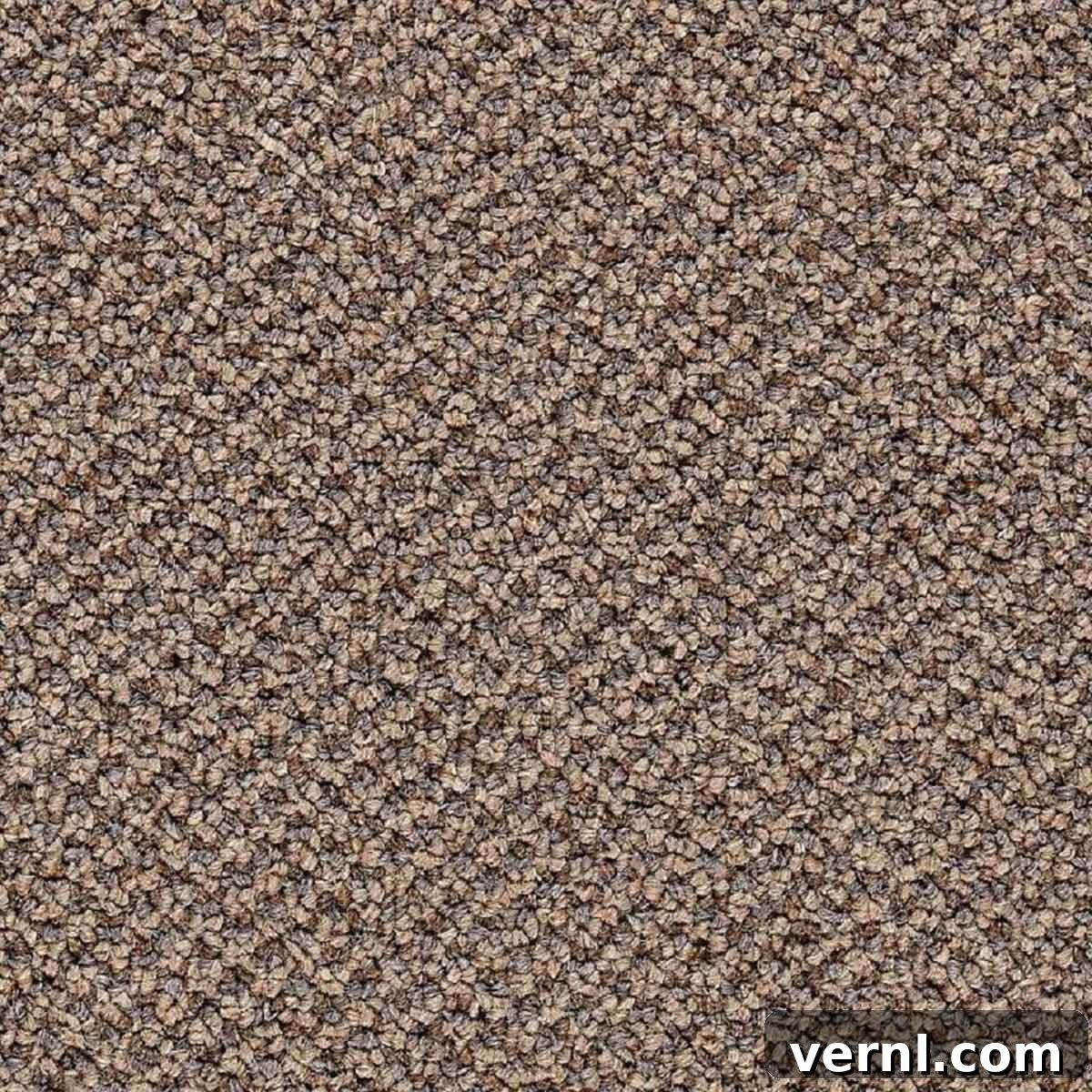
Olefin carpet, widely recognized by its technical name, polypropylene, has rapidly risen in popularity as a versatile and cost-effective flooring solution for homeowners. This synthetic material offers a unique combination of characteristics that make it suitable for various applications, particularly in areas where moisture resistance and budget-friendliness are key considerations. But what exactly is olefin carpet, and why are so many people choosing it for their homes? Let’s delve into the details to understand its properties, advantages, disadvantages, and ideal uses.
What is Olefin Carpet? Understanding Polypropylene
Olefin is a synthetic, man-made fiber, specifically a type of thermoplastic known as polypropylene. Derived from petroleum by-products, polypropylene is the same versatile plastic used in a vast array of everyday items, from food containers and medical devices to automotive parts and outdoor furniture. This inherent plastic composition grants olefin carpet its distinctive properties.
Unlike natural fibers that absorb moisture, olefin fibers are inherently hydrophobic, meaning they repel water. This non-absorbent nature is a cornerstone of its appeal, making it an excellent choice for environments prone to dampness or spills. The manufacturing process involves melting polypropylene pellets and extruding them into fibers, which are then dyed (often using a process called solution dyeing, where color is added during the fiber creation, making it highly fade-resistant) and woven into carpet. Its unique structure contributes to its resilience against specific types of stains and its distinctive texture, often mimicking the look and feel of more expensive natural fibers like wool.
The Advantages of Olefin Carpet: Why Homeowners Choose It
Olefin carpet offers a compelling list of benefits, making it an attractive option for many households:
-
Exceptional Affordability: One of the primary drivers of olefin’s popularity is its budget-friendly price point. Averaging around $1.50 per square foot, it stands as one of the most economical carpeting options available. This significantly undercuts the cost of other popular carpet materials like nylon, which can range from $3.25 to $7.50 per square foot, making quality flooring accessible to more homeowners.
-
Superior Water, Mold, and Mildew Resistance: Due to its non-absorbent, plastic-based fibers, olefin carpet naturally wicks away moisture. It doesn’t absorb water, which significantly reduces the risk of mold, mildew, and rot, even in consistently damp conditions. This makes it an ideal solution for finished basements, sunrooms, enclosed patios, and other areas where humidity or accidental spills are a concern. Its resistance to water damage helps protect your investment and maintain a healthier indoor environment.
-
Static-Free Comfort: Unlike some synthetic fibers that can build up static electricity, olefin carpet is inherently static-resistant. This feature is particularly beneficial in rooms housing electronic equipment, such as home offices or media rooms, preventing annoying shocks and potential interference. It also enhances overall comfort, especially in drier climates where static can be a persistent issue.
-
Outstanding Stain Resistance (for most stains): Olefin carpet receives high marks for its ability to repel most water-based stains. Its non-absorbent fibers prevent liquids from penetrating, causing spills to bead up on the surface where they can be easily blotted away. Most substances, particularly water-soluble ones, simply rest on top of the fibers, pooling at the base of the carpet where they are straightforward to spot treat. This makes routine cleaning and maintaining a pristine look much easier.
-
Attractive Aesthetics and Diverse Styles: Modern manufacturing techniques allow olefin carpet to be crafted into a wide array of attractive styles and textures. It can convincingly mimic the luxurious appearance of more expensive wool carpet, offering sophisticated patterns and rich textures. From plush cut piles to durable looped styles like Berber, olefin provides numerous design possibilities to complement any home décor.
-
Vast Selection of Colors and Patterns: If variety is what you’re seeking, olefin carpet delivers. Thanks to solution dyeing, where color is integrated directly into the fiber during its creation, olefin carpets boast excellent colorfastness. This process allows for an extensive palette of vibrant and subtle hues, along with a multitude of patterns and designs, ensuring you can find the perfect match for your interior design vision.
-
Excellent Fade Resistance: Because olefin fibers are solution-dyed, the color is embedded throughout the fiber rather than just on the surface. This makes olefin carpet highly resistant to fading from sunlight exposure, a significant advantage for rooms with large windows or direct sun exposure. It helps maintain the carpet’s original vibrancy for longer, even in sunny environments.
-
Lightweight and Easy to Handle: The inherent lightness of olefin fibers makes the carpet relatively easy to transport and install. While professional installation is always recommended for optimal results, the material’s lower density can contribute to slightly less strenuous handling during the process.
The Disadvantages of Olefin Carpet: Important Considerations
While olefin carpet offers many benefits, it’s essential to be aware of its limitations to make an informed decision:
-
Prone to Matting and Crushing: Olefin fibers have a lower resilience compared to materials like nylon, meaning they don’t spring back as effectively after being compressed. This makes olefin carpet susceptible to matting and crushing, especially in areas with frequent foot traffic or under heavy furniture. The fibers can flatten and lose their original texture over time, leading to a worn appearance. To mitigate this, choosing a low-pile or looped style like Berber carpet is highly recommended, as these constructions inherently resist matting better than thicker, cut-pile options.
-
Lower Durability in High-Traffic Areas: Directly linked to its tendency to mat, olefin carpet is generally not as durable as nylon or triexta carpet in high-traffic settings. It won’t stand up to constant wear and tear as well, meaning you won’t get as much mileage from it in busy hallways, staircases, or main living areas. For this reason, it is best suited for low-traffic areas where its other benefits can be fully appreciated without its lifespan being compromised.
-
Absorbs Oil and Grease: While olefin carpet excels at repelling water-based stains, it has a significant weakness: it readily absorbs oil and grease. This lipophilic nature means that substances like cooking oil, automotive grease, petroleum jelly, and even natural human skin oils can quickly penetrate and bind to the fibers, creating stubborn stains. Pet accidents involving oily secretions can also be problematic. Your best defense against carpet oil stains is immediate action and using appropriate cleaning solutions specifically designed for oil removal. Ignoring these types of spills can lead to permanent discoloration.
-
Highly Sensitive to Heat: Olefin is a thermoplastic, which means it melts when exposed to heat. Even a small amount of heat can cause significant damage, leading to melting, burning, or scorching of the fibers. Sources of heat can range from dropped cigarettes or hot hair tools to friction caused by dragging heavy furniture across the carpet. Even prolonged exposure to direct, intense sunlight magnified through a window can potentially cause damage over time. It is crucial to always pick up and move furniture on olefin carpet rather than sliding it to prevent unsightly and irreversible burn marks.
-
Texture and “Plastic Feel”: While manufacturers have made great strides in mimicking natural fibers, some individuals may still perceive olefin carpet as having a slightly more “plastic” or less luxurious feel compared to wool or premium nylon. The choice of pile and texture can influence this perception, but it’s a factor to consider for those prioritizing a very soft, natural underfoot feel.
Ideal Placements for Olefin Carpet in Your Home
Given its unique set of pros and cons, olefin carpet shines in specific areas of the home:
- Basements: Its unparalleled resistance to moisture, mold, and mildew makes it a top choice for finished basements, where dampness can be a constant concern.
- Sunrooms and Enclosed Patios: The fade resistance and moisture-repelling qualities are perfect for areas exposed to ample sunlight and potential humidity.
- Playrooms and Children’s Bedrooms: The affordability means less financial worry about spills and wear from active children. Its stain resistance to water-based spills is a major plus.
- Guest Rooms and Low-Traffic Bedrooms: In rooms with infrequent foot traffic, olefin’s matting issues are minimized, allowing its cost-effectiveness and appearance to be maximized.
- Home Offices (low-traffic zones): The anti-static properties are beneficial for electronics, provided the office isn’t a high-traffic thoroughfare.
Maintenance and Care Tips for Olefin Carpet
Proper care can significantly extend the life and appearance of your olefin carpet:
- Regular Vacuuming: Frequent vacuuming, at least once a week, helps prevent dirt and grit from embedding in the fibers, which can contribute to matting and wear.
- Immediate Spill Cleanup: For water-based spills, blot immediately with a clean, white cloth. Avoid rubbing, as this can spread the stain. For oil and grease stains, act even faster. Use a dry absorbent material (like cornstarch or baking soda) to soak up excess oil, then follow with a specialized degreasing carpet cleaner. Always test cleaners in an inconspicuous area first.
- Avoid Harsh Chemicals: While olefin is tough, harsh chemicals can damage the fibers or backing. Stick to manufacturer-recommended cleaning products.
- Professional Cleaning: Schedule professional deep cleaning every 12-18 months. Professionals have the equipment and expertise to thoroughly clean and restore your carpet without damaging it.
- Protect from Heat: Be extremely careful with heat sources. Use furniture sliders when moving heavy items to prevent friction burns, and avoid placing hot items directly on the carpet.
Olefin Carpet vs. Other Popular Carpet Materials
To help you compare, here’s how olefin stacks up against its common counterparts:
-
Olefin vs. Nylon: Nylon is renowned for its exceptional durability, resilience, and resistance to crushing, making it ideal for high-traffic areas. It also has excellent stain resistance (especially treated versions) and can be more vibrant in color. However, nylon is significantly more expensive than olefin and can sometimes generate static. Olefin wins on affordability and water/mildew resistance, while nylon dominates in durability and resilience.
-
Olefin vs. Polyester: Polyester is also known for its luxurious softness, stain resistance to water-based spills, and often vibrant colors. It’s generally more affordable than nylon but usually more expensive than olefin. Polyester struggles with resilience and can mat more easily than nylon, similar to olefin, though often with a slightly better recovery. Polyester also shares olefin’s weakness against oil-based stains. Olefin generally offers better water resistance, while polyester may offer a softer feel.
-
Olefin vs. Wool: Wool is a natural fiber celebrated for its unparalleled softness, natural resilience, durability, and luxurious feel. It is naturally fire-resistant and breathable. However, wool is the most expensive option, susceptible to moisture damage (mold/mildew), and can be a target for pests. Olefin offers a budget-friendly, water-resistant alternative that can mimic wool’s appearance but lacks its natural comfort and longevity.
Is Olefin Carpet the Right Choice for Your Home?
Ultimately, the decision to choose olefin carpet depends on your specific needs, budget, and lifestyle. If you’re seeking an economical, highly water-resistant, and static-free flooring option for low-traffic areas like basements, sunrooms, or guest bedrooms, olefin carpet is an excellent contender. Its resistance to most everyday stains and fade-proof colors offer practical advantages for busy families.
However, if your priority is extreme durability for high-traffic zones, superior resilience against matting, or resistance to all types of stains (including oils), you might consider investing in higher-end nylon or triexta carpets. By carefully weighing the unique strengths and weaknesses of olefin carpet against your household’s demands, you can make an informed decision that brings both beauty and functionality to your living spaces.