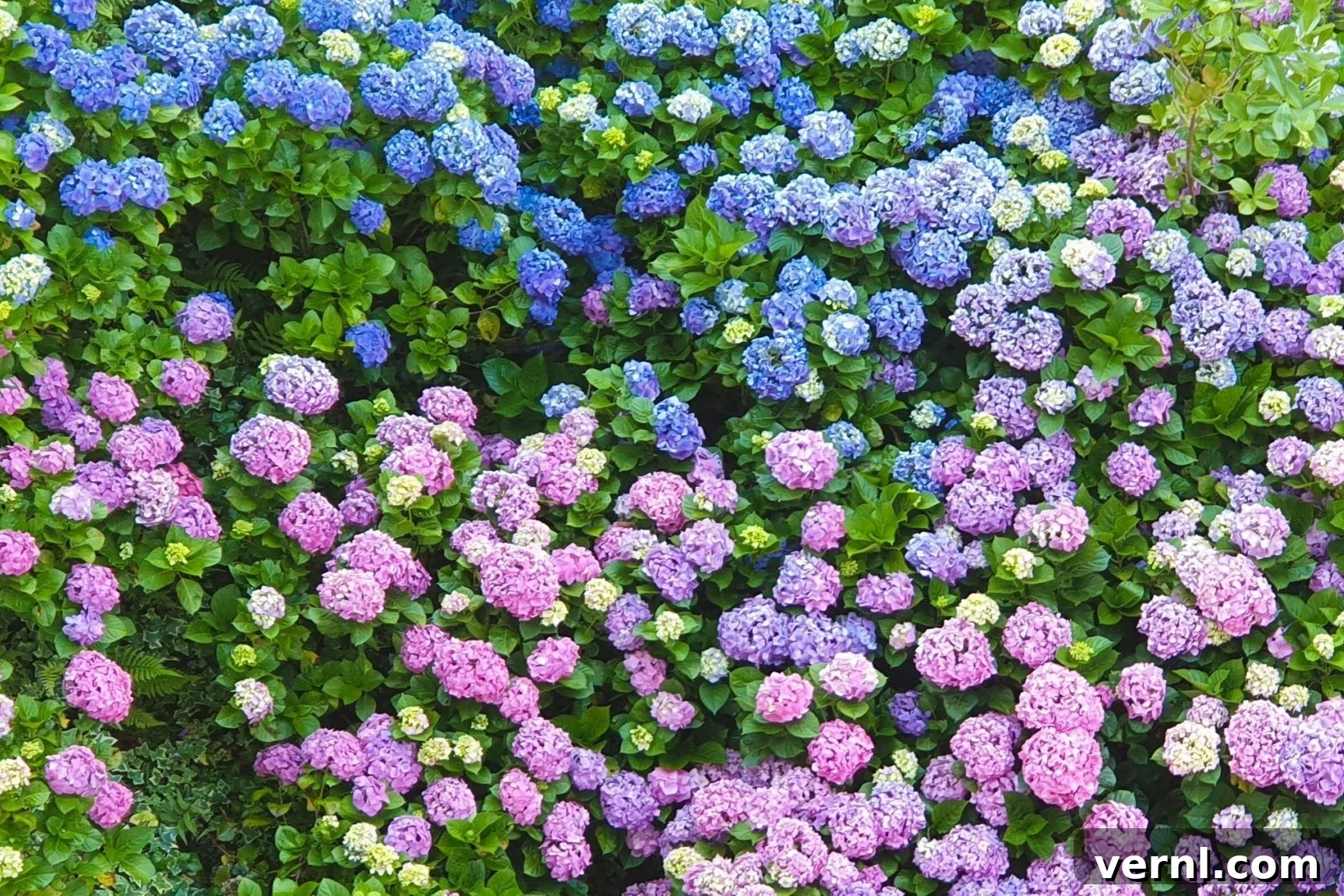
It’s a marvel of nature that captivates countless gardeners: the blossoms of certain hydrangea varieties possess the unique ability to change color based on the soil pH. This fascinating phenomenon doesn’t just add a splash of customizable color to your landscape; it also provides invaluable insight into your soil’s composition and the hidden world beneath your garden. Understanding this intricate relationship empowers gardeners to not only cultivate stunning displays but also to optimize their soil for a wider array of plants. This guide will delve into the science and practical applications of this botanical wonder, helping you harness the power of soil pH to transform your garden.
Introduction to the Enchanting World of Hydrangeas
Hydrangeas are beloved staples in home gardens worldwide, cherished for their abundant, showy blooms and remarkable versatility. Their ability to thrive across various USDA plant hardiness zones makes them a popular choice for gardeners seeking both beauty and resilience. The genus Hydrangea is incredibly diverse, offering a range of sizes, shapes, and bloom types, each with its own charm and characteristics.
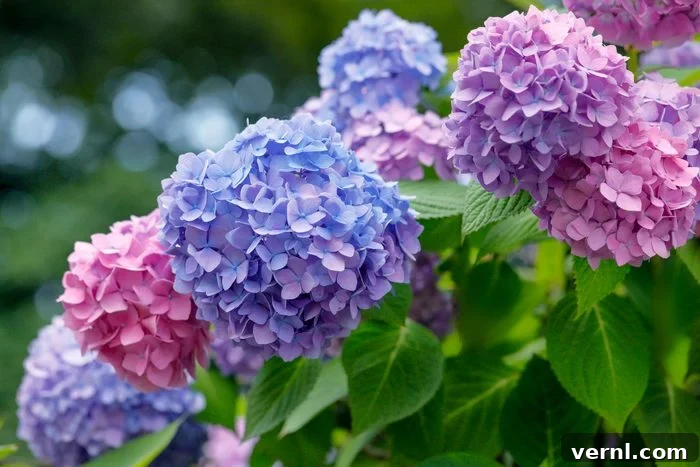
Among the many hydrangea varieties, the Mophead hydrangea (Hydrangea macrophylla) and Lacecap hydrangea (Hydrangea serrata) are perhaps the most famous for their pH-sensitive flowers. These varieties are the true “color changers” of the hydrangea family. Their iconic, globe-like (mophead) or delicate, flattened (lacecap) blossoms can shift from vibrant blue to soft pink, or even a stunning purple, depending on the acidity or alkalinity of the soil.
The pH-Color Connection: Blue vs. Pink
The magic lies in the soil. For pink and blue varieties, the color of their blossoms is directly and intrinsically linked to the soil’s pH level. Simply put:
- Blue flowers indicate highly acidic soil (typically a pH range of 5.0 to 5.5).
- Pink flowers signify alkaline soil conditions (usually a pH range of 6.0 to 7.0 or higher).
If your soil pH falls somewhere in between, roughly 5.5 to 6.0, you might be delighted to see a fascinating blend of both pink and blue hues on the same plant, or even purple tones, as the plant attempts to absorb aluminum in varying amounts.
It’s crucial to note that not all hydrangeas exhibit this captivating color-changing ability. White-flowered varieties, such as ‘Annabelle’ smooth hydrangeas (Hydrangea arborescens) or many panicle hydrangeas (Hydrangea paniculata) like ‘Limelight’, do not react to soil pH. Their white blooms are genetically predetermined and remain white regardless of soil conditions; there’s no way to naturally alter their color. The same applies to red or burgundy varieties which also retain their genetically set colors. This makes the pH-sensitive pink and blue varieties truly special.
While several other plants, such as red cabbage and butterfly pea flowers, can serve as pH indicators for solutions in a laboratory setting, hydrangeas stand out as the primary garden plant that visually signals the pH of the soil itself. This unique characteristic is not merely for aesthetic pleasure. The blossom color provides a valuable, real-time snapshot of your soil’s acidity or alkalinity, offering clues about what other plants might thrive in your garden environment. This knowledge can be a cornerstone for successful companion planting and optimizing your entire landscape.
Before embarking on a color transformation journey, however, ensure your hydrangeas are healthy and producing an abundance of flowers. Proper pruning techniques are paramount for vigorous blooming. Different hydrangea varieties produce their flower buds at different times—some on “old wood” (last year’s growth) and others on “new wood” (current season’s growth). Pruning at the wrong time can inadvertently remove nascent flower buds, leading to a significant reduction in blossoms the following year. Always research the specific pruning requirements for your hydrangea type to ensure a spectacular bloom display.
How to Change Your Soil to Achieve Dazzling Blue Hydrangeas
For those dreaming of a sea of cerulean blossoms, the key lies in cultivating highly acidic soil. To achieve intensely blue hydrangea flowers, your soil ideally needs a pH range of 5.0 to 5.2. This specific acidity is crucial because it significantly increases the availability of aluminum in the soil, which hydrangeas absorb to create their signature blue hue. Without sufficient aluminum uptake, even in acidic soil, the blue color will be muted or non-existent.
The Science of Blue Blooms
The blue color in hydrangeas is attributed to anthocyanin pigments within the petals. In acidic conditions, aluminum ions from the soil are readily absorbed by the plant roots. These aluminum ions then form a complex with the anthocyanin pigments, resulting in the vibrant blue coloration. If aluminum is absent or unavailable, the anthocyanins will express as pink or red, regardless of other factors. Therefore, achieving blue isn’t just about pH; it’s about making aluminum accessible.
Practical Steps to Acidify Your Soil
The most effective and commonly recommended method for lowering soil pH and increasing aluminum availability for hydrangeas is the application of aluminum sulfate.
- Aluminum Sulfate: This compound serves a dual purpose: it lowers the soil pH directly and simultaneously provides the necessary aluminum ions. When applying, follow product instructions carefully, typically mixing one tablespoon of aluminum sulfate in a gallon of water and applying it around the base of the plant every few weeks during the growing season. Over-application can lead to aluminum toxicity and damage your plant.
- Organic Amendments: You can also use organic materials to gradually acidify your soil. Incorporating well-rotted peat moss, pine needles, or composted oak leaves into your garden beds can help lower pH over time. Coffee grounds are another popular home remedy, though their effect on pH is generally milder and slower. These amendments also improve soil structure and drainage, which is beneficial for hydrangeas.
- Water Quality: Be mindful of your irrigation water. If you live in an area with naturally hard (alkaline) water, it can continually counteract your efforts to acidify the soil. Collecting rainwater or using filtered water for your blue hydrangeas can help maintain the desired low pH.
It’s important to understand that lowering your soil’s pH is not an instant fix; it requires patience and consistent effort. Significant changes in soil pH typically take several months, if not a full growing season, to become apparent. For those who desire immediate blue flowers or prefer precise control over soil conditions, consider planting your hydrangeas in pots or containers. Container gardening offers distinct advantages, allowing you to create a custom soil mix with the ideal pH from the outset and easily amend it as needed without impacting the rest of your garden.
Companion Plants for Acidic Soil
Successfully turning your hydrangeas blue also tells you something vital about your garden: it’s perfectly suited for other acid-loving plants. If you’re looking to plant other varieties in your garden that thrive in similar conditions, blue hydrangea blossoms indicate your soil is ready. Excellent choices for acidic soil include:
- Blueberries and Raspberries: These fruiting shrubs produce abundant harvests in soil with a pH between 4.5 and 5.5.
- Rhododendrons and Azaleas: Closely related and known for their spectacular blooms, these shrubs also prefer acidic conditions (pH 4.5-6.0).
- Camellias and Gardenias: These elegant shrubs flourish in acidic soil, producing beautiful, fragrant flowers.
- Certain Conifers: Many evergreens, such as pines and spruces, also prefer slightly acidic soil.
Embracing these companion plants can create a cohesive and thriving acidic garden ecosystem.
Cultivating Graceful Pink Hydrangeas with More Alkaline Soil
If your heart desires a display of charming pink hydrangea blossoms, your focus should shift towards creating a slightly alkaline soil environment. Most garden plants generally prefer a soil pH range of 6.0 to 7.3, which is considered neutral to slightly acidic. To achieve truly vibrant pink hydrangeas, you’ll want to aim for the higher end of this spectrum, typically a pH of 6.0 to 7.0 or slightly above. In this alkaline range, the aluminum naturally present in the soil becomes less soluble and therefore much harder for the hydrangea plant to absorb. With aluminum uptake minimized, the anthocyanin pigments within the flowers express their natural pink coloration.
It’s worth reiterating that if your soil pH falls into the intermediate range, roughly between 5.2 and 6.0, you may witness a fascinating blend of pink and blue blossoms on the same plant, or even lovely lavender and purple hues. This occurs because the plant is absorbing some aluminum, but not enough to achieve a full blue color, leading to a unique and often beautiful mixed display.
Practical Steps to Alkalize Your Soil
The most common and effective method for increasing soil pH and encouraging pink blooms is the application of garden lime.
- Garden Lime (Calcium Carbonate): This is the most popular amendment for raising soil pH. It works by introducing calcium and magnesium carbonates, which neutralize soil acidity. Various forms are available, including pulverized, granulated, and hydrated lime. Granulated lime is often preferred for ease of application and less dust. Always follow the manufacturer’s instructions for application rates, as too much lime can raise the pH too high, leading to nutrient deficiencies. It’s best applied in fall or early spring, as it works gradually.
- Dolomitic Lime: A type of garden lime that also supplies magnesium, which can be beneficial for overall plant health.
- Wood Ash: If you have a fireplace, wood ash can also be used to raise soil pH due to its potassium carbonate content. However, use it sparingly and test your soil regularly, as its pH-raising effect can be potent and its composition varies. Only use ash from untreated wood.
Just like lowering pH, raising it also takes time. The effects of lime may not be fully apparent for several months. For gardeners who prefer not to wait for the natural soil pH to adjust, or who desire greater control, planting hydrangeas in pots or containers is an excellent alternative. In containers, you can easily create and maintain a custom, slightly alkaline potting mix to ensure your hydrangeas consistently produce those coveted pink blooms.
Companion Plants for Alkaline Soil
Achieving pink hydrangea flowers signals that your soil is well-suited for a variety of other plants that prefer more alkaline conditions. Pink flowers are a good indicator that the soil is ready for them. Consider incorporating these alkaline-loving companions into your garden design:
- Lilacs: Known for their fragrant, showy spring blooms, lilacs thrive in neutral to slightly alkaline soil.
- Garlic and Asparagus: Many popular vegetables, including these two, perform best in soil with a pH between 6.0 and 7.0.
- Clematis: These climbing vines, famed for their spectacular flowers, often prefer a neutral to slightly alkaline environment.
- Lavender: This aromatic herb flourishes in sweet (alkaline) soil and well-drained conditions.
- Dianthus (Pinks): These charming, often fragrant flowers also appreciate a more alkaline soil.
Pairing pink hydrangeas with these plants can create a harmonious and flourishing garden bed.
Understanding Your Soil: The Cornerstone of Color Control
Before attempting any soil amendments, the single most critical step is to understand your current soil conditions. Guesswork can lead to wasted effort, damaged plants, or unsatisfactory results. Investing a little time in soil testing will provide accurate data and guide your actions effectively.
Methods for Soil pH Testing:
- Home pH Test Kits: Widely available at garden centers, these kits typically involve mixing a soil sample with water and comparing the color change to a chart. They are affordable and offer quick results, but their accuracy can vary. They are best for a general indication.
- Digital pH Meters: These electronic devices provide a more precise numerical reading of your soil’s pH. Ensure you purchase a quality meter and calibrate it regularly for accuracy.
- Professional Soil Testing Labs: For the most accurate and comprehensive analysis, send a soil sample to your local university extension office or a private soil testing lab. Beyond pH, these labs often provide detailed reports on nutrient levels (nitrogen, phosphorus, potassium, micronutrients), organic matter content, and recommendations for amendments specific to your desired plants. This is the most reliable option for serious gardeners.
Once you have your soil test results, you can formulate a precise plan for adjusting your soil pH, whether you’re aiming for breathtaking blues or charming pinks. Remember to retest your soil periodically, especially after applying amendments, to monitor progress and make any necessary adjustments.
Beyond Color: Essential Hydrangea Care for Abundant Blooms
While soil pH is crucial for color, it’s just one piece of the puzzle for overall hydrangea health and prolific blooming. To ensure your hydrangeas are vigorous and produce the stunning flowers you desire, consider these vital care aspects:
- Sunlight Requirements: Most hydrangeas prefer morning sun and afternoon shade, especially in warmer climates. Too much intense sun can scorch leaves and flowers, while too much shade can lead to fewer blooms. Panicle hydrangeas (H. paniculata) are generally more tolerant of full sun.
- Watering: Hydrangeas are thirsty plants, particularly during dry spells and when establishing. Consistent moisture is key, but ensure good drainage to prevent root rot. Deep watering, rather than frequent shallow watering, encourages stronger root development.
- Fertilization: Use a balanced fertilizer formulated for flowering shrubs. For blue hydrangeas, avoid high-phosphorus fertilizers, as phosphorus can bind with aluminum in the soil, making it unavailable to the plant. For pink hydrangeas, a balanced fertilizer is usually sufficient. Fertilize in early spring as new growth emerges and again in mid-summer if needed, but avoid late-season fertilization that can stimulate tender new growth susceptible to winter damage.
- Pruning for Bloom Production: As mentioned earlier, proper pruning is critical.
- Old Wood Bloomers (e.g., Mophead, Lacecap, Oakleaf): These set their flower buds in late summer/early fall on old growth. Prune immediately after flowering in summer. Avoid pruning after August to protect next year’s blooms. Remove only dead, damaged, or weak stems, and thin out overcrowded areas.
- New Wood Bloomers (e.g., Smooth ‘Annabelle’, Panicle): These set buds on current season’s growth. Prune in late winter or early spring before new growth appears. This allows for more vigorous new stems and larger blooms.
- Reblooming Varieties (‘Endless Summer’ type): These bloom on both old and new wood. They offer more flexibility for pruning but still benefit from removing spent flowers and any dead wood.
- Pest and Disease Management: Healthy hydrangeas are less susceptible to pests and diseases. Keep an eye out for common issues like aphids, spider mites, powdery mildew, or leaf spot. Address problems promptly with appropriate organic or chemical controls.
Conclusion: The Art and Science of Hydrangea Cultivation
The ability of hydrangeas to change color based on soil pH is truly one of gardening’s most captivating phenomena. It’s a living laboratory in your backyard, offering not just visual delight but also profound insights into the complex interactions between plants and their environment. By understanding the science behind aluminum availability and soil pH, gardeners gain the power to influence their hydrangea’s palette, transforming their landscape with shades of vibrant blue, delicate pink, or intriguing purples.
Remember that successful hydrangea cultivation, whether for color or for general health, requires a holistic approach. Start with accurate soil testing, be patient with amendments, provide consistent care regarding water and sunlight, and master the art of pruning. Each step contributes to creating a robust plant capable of producing the spectacular blooms hydrangeas are famous for.
Embrace the journey of discovery that these magnificent shrubs offer. Experiment with different soil amendments, observe the subtle shifts in color, and enjoy the reward of a garden personalized by your own hands. With the knowledge and tips provided in this comprehensive guide, you are well-equipped to cultivate stunning, healthy hydrangeas that will be the envy of your neighborhood, adding beauty and intrigue to your outdoor sanctuary for years to come.