
Gardening is a journey of continuous learning and profound connection with nature. For newcomers, the initial steps can feel overwhelming, from understanding the nuances of selecting plants suitable for their specific hardiness zone to mastering the art of watering, fertilizing, and pruning. Every plant has unique demands, and deciphering those needs requires patience, observation, and a willingness to learn. Meanwhile, seasoned gardeners, with years of experience under their belt, are constantly seeking new inspirations, innovative techniques, and opportunities to expand their horticultural horizons. They might be looking to experiment with rare species, implement advanced cultivation methods, or simply draw fresh ideas for their own green sanctuaries. Regardless of where one stands on the gardening spectrum – whether just starting out or boasting decades of expertise – certain events transcend the ordinary, offering unparalleled insights and inspiration. Among these, the Chelsea Flower Show in the United Kingdom stands as an undisputed landmark, a crucial annual event for anyone with a passion for plants and garden design.
The Global Stage: What is the Chelsea Flower Show?
Often hailed as the pinnacle of horticultural excellence, the Chelsea Flower Show is an iconic annual spectacle organized by the esteemed Royal Horticultural Society (RHS). Established in 1913 on the grounds of the Royal Hospital Chelsea, this prestigious event has evolved into a global platform, showcasing revolutionary garden designs, breathtaking floral displays, and the cutting edge of plant science. It serves not only as a celebration of gardening artistry but also as a powerful trendsetter, influencing garden design and planting choices across the world for the year ahead. The show attracts a diverse audience, from royalty and celebrities to professional garden designers, nursery owners, and countless amateur enthusiasts, all eager to witness the finest creations and discover what’s new in the world of horticulture.
The heart of the Chelsea Flower Show lies in its rigorous and highly respected awards system. Most of the accolades are decided by an exquisitely curated panel of gardening experts, a group whose collective knowledge spans the entire horticultural landscape. According to the RHS, this esteemed panel typically comprises a diverse range of professionals, including “horticulturalists, garden designers, landscape architects, contractors, head gardeners, journalists or writers, and lecturers.” These judges meticulously evaluate every aspect of the exhibits, from plant health and cultivation to design coherence, innovation, and environmental impact. Their decisions carry immense weight, recognizing true excellence and pushing the boundaries of what’s possible in garden design. Beyond the expert panel, the show also uniquely empowers its visitors to participate in the judging process for certain categories, fostering a deeper sense of community engagement and allowing the public to voice their preferences for the gardens that resonate most with them. This democratic approach ensures that both critical expertise and popular appeal are celebrated, enriching the overall experience for everyone involved.
Pioneering the Future: AI Integration at This Year’s Show
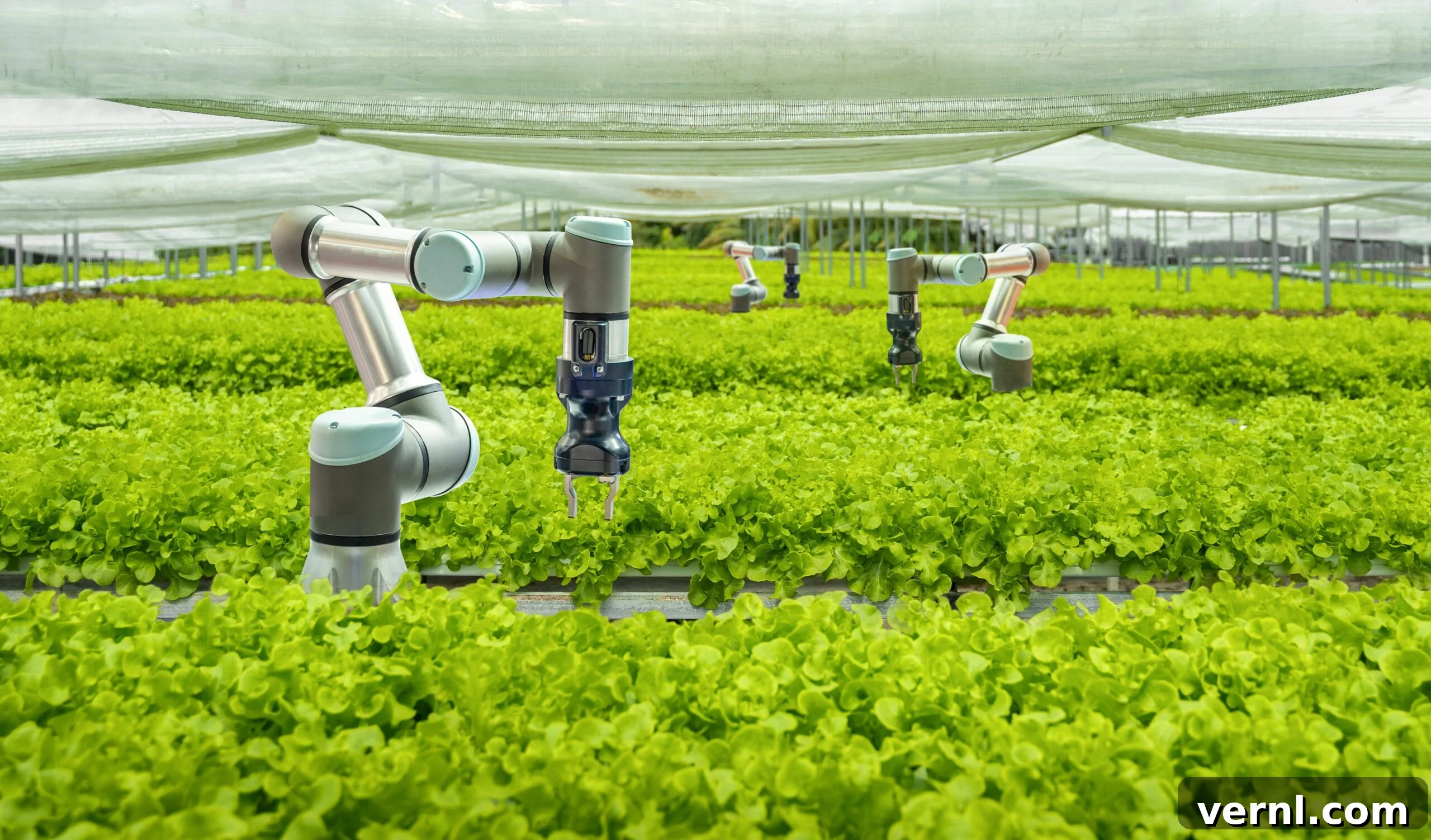
The Chelsea Flower Show is renowned for its capacity to surprise and innovate, and this year is no exception. A particularly groundbreaking exhibit is set to capture the imagination of attendees by venturing into the realm of futuristic gardening. Designer Tom Massey, in a pioneering collaboration with Microsoft, plans to unveil a garden that doesn’t just grow, but actively communicates its needs – an AI-powered garden that can ‘talk back’ to its human caretakers. This ambitious project aims to embed a comprehensive network of advanced soil sensors throughout the garden. These sensors are meticulously designed to monitor a myriad of crucial environmental parameters, including soil moisture levels, nutrient content, temperature, and even light exposure. By gathering real-time data on these vital aspects, the garden effectively gains a voice.
The magic happens when this rich stream of sensor data is fed into a sophisticated computer system, powered by artificial intelligence. The AI translates complex soil readings and environmental metrics into plain, understandable answers about what the garden requires. Imagine receiving a notification stating, “I need water, my soil moisture is critically low,” or “I could use some iron supplement; my nutrient levels are depleted.” This direct and unambiguous communication revolutionizes how gardeners interact with their plants, moving from educated guesswork to precise, data-driven care. Tom Massey’s vision extends beyond this single exhibit; he ardently hopes that this remarkable technology can soon be scaled and adopted more widely. His ultimate goal is to usher in a new era of eco-conscious gardening, where precision horticulture becomes the norm. If gardeners can precisely determine, for example, the exact moisture content of their soil at any given moment, they can tailor their watering schedules with unprecedented accuracy, eliminating both under-watering and wasteful over-watering. Massey believes that widespread implementation of such intelligent gardening systems could lead to a significant and positive impact on global water consumption, a critical step towards more sustainable living.
The Ethical Imperative: AI and Resource Consumption
While the promise of AI in gardening, offering unprecedented precision and efficiency, is undeniably exciting, it is crucial to temper this enthusiasm with a thoughtful consideration of its broader environmental implications. The operation of generative AI, the very technology enabling this “talking garden,” consumes vast quantities of resources, particularly energy and water. This is a critical point that must not be overlooked or utilized frivolously. The infrastructure supporting AI – specifically the massive data centers required to process complex algorithms and store vast amounts of information – operates 24/7, generating significant heat. To counteract this, these facilities employ elaborate cooling systems, including “cooling towers and air mechanisms to dissipate heat.” As highlighted by Cindy Gordon, a contributor to Forbes, this cooling process can lead to the evaporation of “up to 9 liters of water per kWh of energy used.”
The stark reality is that water is already a critically scarce resource in many parts of the world, and its demand continues to escalate. The environmental footprint of AI, therefore, presents a significant ethical dilemma. As we embrace technological advancements, it becomes our collective duty to be profoundly mindful of how we consume resources and, more importantly, what proactive measures we are taking to safeguard them for future generations. The very essence of gardening revolves around nurturing life and fostering growth, a process intrinsically tied to the availability of natural resources, especially water. It is a powerful irony that a technology designed to make gardening more sustainable could, if not developed and deployed responsibly, exacerbate the very environmental challenges it seeks to solve. This underscores the need for a balanced approach: leveraging AI for its benefits while rigorously assessing and mitigating its ecological costs, ensuring that innovation truly serves the long-term health of our planet.
Bridging Tradition and Technology: The Future of Horticulture
The juxtaposition of cutting-edge AI technology at a traditional event like the Chelsea Flower Show beautifully illustrates the evolving landscape of horticulture. It prompts a fundamental question: how can we harmoniously integrate technological advancements with the timeless principles of gardening? The future of gardening likely lies in a hybrid approach, where smart systems enhance, rather than replace, human intuition and the deep, sensory connection gardeners have with their plants. AI tools can provide unparalleled data and insights, guiding decisions on optimal watering, precise nutrient delivery, and early disease detection. This precision horticulture can undoubtedly lead to more efficient resource management and healthier plants.
However, the essence of gardening is also in the observation, the touch, the smell, and the sheer joy of nurturing life with one’s own hands. Technology should empower us to be better stewards of our green spaces, not detach us from the natural world. Events like the Chelsea Flower Show play a vital role in showcasing these possibilities, inspiring both professional horticulturists and amateur gardeners to think critically about how they can embrace innovation while remaining committed to sustainability and environmental responsibility. The talking garden is a fascinating glimpse into what’s possible, but it also serves as a poignant reminder that while technology can offer solutions, the ultimate responsibility for conscious resource consumption and the protection of our planet rests firmly with us.
Further Reading
AI Is Accelerating the Loss of Our Scarcest Natural Resource: Water, Forbes, 2024