

The mention of “fees” often conjures images of hidden costs, complex fine print, and unwelcome surprises. While some charges, like Airbnb cleaning fees, are undeniably legitimate – after all, who doesn’t desire a spotless space for their stay? – the lack of consistency and transparency surrounding them has long been a source of frustration for travelers worldwide.
Kirsty Vitarelli, a seasoned Airbnb host and owner of a charming Berkshires retreat, aptly compares the experience of encountering Airbnb cleaning fees to booking an airline ticket. “It gives you a certain price, and then they add on taxes and fees and baggage and all the extra bits,” Vitarelli explains. “What you see at the very beginning isn’t necessarily what you end up with at the end of the transaction.” This “bill shock” phenomenon has historically created significant friction in the booking process.
This challenge impacts both guests and hosts. Guests often struggle to reliably search for properties within their actual budget, as the initial displayed price doesn’t reflect the true cost. Compounding this, Airbnb co-founder and CEO Brian Chesky acknowledged that hosts themselves weren’t always fully aware of the total amount guests were paying. “Hosts tell us that they’re not aware of what guests are paying because as you know, we add a guest service fee on top of the price that hosts charge,” Chesky revealed, highlighting a critical gap in transparency within the platform.
Recognizing the widespread frustration and the need for a more straightforward booking experience, Airbnb recently implemented significant changes to its search functionality. These updates aim to address the long-standing confusion surrounding cleaning fees, making pricing clearer and more predictable for everyone. Let’s delve into what these vital changes mean for your next Airbnb stay or listing.
What Exactly Are Airbnb Cleaning Fees?
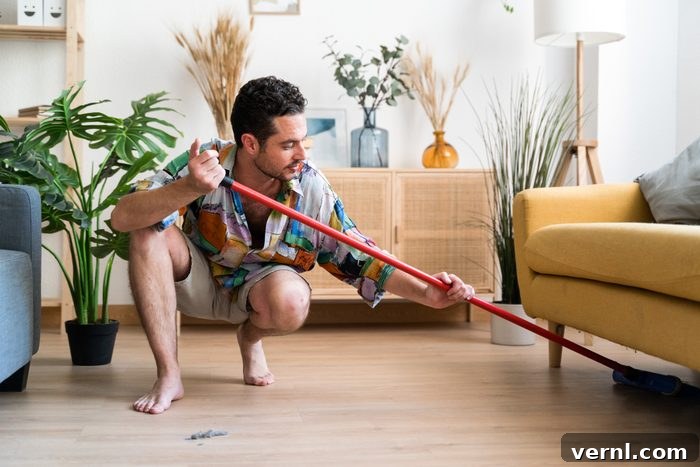
At its core, an Airbnb cleaning fee is a one-time charge added to a reservation to cover the cost of preparing a property for the next guest after you check out. This fee is essential for maintaining high standards of hygiene and presentation, ensuring every guest arrives at a welcoming and pristine environment. Unless hosts personally undertake the demanding task of cleaning – a path the Vitarellis briefly tried but quickly abandoned – this fee directly compensates the professional cleaning service hired by the property owner.
Renee Brandon, who co-owns a beautiful Texas beach escape with her husband Russell, elaborates on what her cleaning service typically covers. “Our service launders all the sheets and towels, meticulously wipes down all surfaces, and thoroughly cleans the floors, showers, and countertops,” Brandon details. Furthermore, following the COVID-19 pandemic, Airbnb introduced an enhanced five-step cleaning process. This rigorous protocol goes beyond standard tidying, mandating the sanitization of all high-touch surfaces with approved disinfectants, ensuring a deeper level of cleanliness and guest safety.
The cost of these services can vary significantly based on factors like property size, location, and amenities. According to AirDNA, a leading platform for short-term rental data and analytics, the average cleaning fee in the U.S. in 2022 for a modest one-room shared space was approximately $47. In contrast, a larger property, such as a five-bedroom house or larger, commanded an average cleaning fee of around $333. These figures underscore the wide range of fees guests might encounter, emphasizing the importance of understanding what you’re paying for.
How Do Airbnb Hosts Set Cleaning Fees?
One of the most crucial aspects of Airbnb’s fee structure is that hosts retain complete control over what they charge for cleaning services. This autonomy allows them to align the fee with their actual costs and local market rates. “We pay our cleaner $200 and charge the guest exactly $200,” Brandon explains, highlighting a common host practice of passing on the direct cost without additional markup. “We do not make anything in the cleaning process,” she asserts, emphasizing that the fee is purely for operational expenses rather than profit.
Brandon also notes that while guests have generally been understanding about the fee, she implements a two-night minimum stay. This strategy helps mitigate the impact of the cleaning fee, as it becomes a smaller percentage of the total cost for longer bookings, making it feel less prohibitive for guests. For example, a $200 cleaning fee feels substantial on a single-night stay but less so spread across multiple nights.
Vitarelli offers a similar approach with her property. “We have a flat fee for every stay,” Vitarelli states. “Our cleaner sets the price. That’s how much it costs to clean the house, top to bottom, and get it ready for the next guest.” Whether a guest books for ten days or just one night, a consistent $75 fee is applied. This flat-rate model simplifies pricing for hosts and provides predictability for guests, although it can make very short stays appear more expensive on a per-night basis.
When setting cleaning fees, hosts typically consider several factors: the size and type of the property (studio vs. multi-bedroom house), the amenities offered (e.g., hot tub, pool, multiple bathrooms), local labor costs for professional cleaners, and the expected standard of cleanliness. Many hosts actively seek quotes from multiple cleaning services to ensure their fee is competitive and accurately reflects the cost of maintaining their property to Airbnb’s standards and guest expectations.
The Evolution of Airbnb Cleaning Fees: What’s New?
In recent years, cleaning fees have become a hot topic, often drawing criticism. Stories of exorbitant, or at least perplexing, charges – sometimes exceeding the nightly rate – frequently fueled viral social media trends, casting a negative light on Airbnb’s pricing structure. This public outcry underscored a significant problem: the lack of transparency in displaying total costs upfront.
Historically, when potential guests browsed Airbnb listings, the main search page and map results would predominantly display only the nightly rate. This meant a guest could find a seemingly affordable place within their budget, click to reserve, and only then be presented with the complete cost, which included cleaning and service fees. In many cases, these additional charges could add hundreds of dollars, completely derailing a guest’s budget and leading to considerable frustration and a sense of being misled.
In direct response to this widespread dissatisfaction and the imperative to foster greater trust and transparency, Airbnb launched a crucial update: a “total price” toggle on their search bar. This innovative feature now empowers potential guests to filter searches by the all-inclusive price (before taxes), providing a clear and immediate understanding of the total financial commitment. Brian Chesky, Airbnb’s CEO, personally announced this pivotal change on Twitter in late 2022, and the new system was swiftly rolled out across the platform.
For guests, this update is a game-changer. It offers a complete breakdown of costs, including all fees, right from the initial search results. This allows for more accurate budgeting, easier comparison between properties, and significantly reduces the likelihood of unpleasant surprises at checkout. For hosts, this newfound transparency offers more flexibility to provide incentives and discounts, as guests can now directly compare total value rather than just a misleading nightly rate. It also encourages hosts to review their pricing strategy to remain competitive in a newly transparent market.
The “No Cleaning Fee” Trend: Is It the Future?
Despite the recent changes in display, the reality remains that most Airbnb properties in the U.S. – nearly 85%, according to AirDNA – still impose cleaning fees as a separate charge. This means that while the way these fees are presented has changed, the fees themselves are not likely to vanish overnight. The fundamental truth is that someone has to clean the property thoroughly before the next guest arrives, and hosts are not inclined, nor typically able, to absorb that cost themselves. As Vitarelli wisely points out, if they didn’t charge a separate cleaning fee, they would simply incorporate some or all of that cost into the nightly rate.
However, there is a growing movement among some hosts to eliminate the separate cleaning fee and integrate it directly into the nightly rate, offering what’s known as “all-inclusive pricing.” Anecdotal evidence, such as social media testimonials like this video from NormanBnB, suggests that hosts who have adopted this strategy have seen an increase in bookings. Brian Chesky himself stated last year that Airbnb’s algorithm would begin to favor listings with all-in pricing, indicating a platform-wide push towards this model. This algorithmic preference could eventually incentivize more hosts to move in this direction, creating a more seamless pricing experience for guests.
While an all-inclusive price might make a nightly rate appear higher initially, it removes the “sticker shock” at the end of the booking process, which many guests prefer. For hosts, this approach can lead to higher conversion rates as potential guests are less likely to abandon their booking due to unexpected fees. It also simplifies marketing and pricing communication. However, hosts must carefully calculate their all-inclusive nightly rate to ensure they still cover their cleaning costs adequately, especially for shorter stays where the incorporated cleaning cost might disproportionately inflate the nightly rate.
For guests, the “total price” filter largely negates the historical advantage of hosts bundling cleaning fees, as you can now easily compare total costs regardless of how the host structures their pricing. Nevertheless, when checking into any rental property, always remember essential safety practices, such as how to look for hidden cameras in an Airbnb.
Tips for Guests: Navigating Airbnb Cleaning Fees Effectively
- Always Use the “Total Price” Filter: This is your most powerful tool. Activate the toggle in the search results to see the true, all-inclusive cost (excluding taxes) upfront. This ensures you’re comparing apples to apples.
- Compare Total Costs, Not Just Nightly Rates: A listing with a lower nightly rate but a high cleaning fee might end up being more expensive than one with a slightly higher nightly rate but a moderate or no cleaning fee. Focus on the final price displayed.
- Consider Your Stay Duration: Cleaning fees often feel more impactful on short stays (1-2 nights) because they are a fixed cost. A $100 cleaning fee on a $100-a-night booking makes the stay effectively $200. On a seven-night stay, that same fee feels far less significant. If you’re planning a very short trip, factor this disproportionate impact into your budget.
- Read Reviews Carefully: Past guest reviews can sometimes offer insights into the cleanliness of a property and whether they felt the cleaning fee was justified. Look for comments regarding tidiness or any issues.
- Communicate with Your Host (if necessary): If you have specific questions about what the cleaning fee covers, especially for extended stays, don’t hesitate to message the host for clarification before booking.
Tips for Hosts: Optimizing Your Airbnb Cleaning Fee Strategy
- Be Transparent with Your Fees: Now more than ever, clarity is key. Ensure your cleaning fee is clearly stated and justified. With the “total price” display, guests will see it regardless, so being upfront builds trust.
- Set Fair and Competitive Fees: Research what similar properties in your area charge for cleaning. Your fee should reflect the actual cost of professional cleaning services for your property size and amenities. Overcharging can lead to negative reviews or deter bookings.
- Consider Minimum Stay Policies: As Renee Brandon demonstrated, implementing a minimum stay can make fixed cleaning fees feel less burdensome to guests, spreading the cost over more nights.
- Evaluate All-Inclusive Pricing: With Airbnb’s algorithm favoring all-in pricing, seriously consider incorporating your cleaning fee into your nightly rate. This can simplify your listing, reduce “bill shock,” and potentially improve your search ranking. Just ensure your new nightly rate still covers all your costs.
- Ensure Quality Cleaning: Whatever you charge, the property must be impeccably clean. A justified cleaning fee means a sparkling space. Poor cleanliness, especially after charging a fee, is a quick way to receive negative feedback.
The journey of Airbnb cleaning fees reflects a broader shift towards greater transparency in the sharing economy. What began as a source of widespread frustration for guests and a challenge for hosts has evolved with Airbnb’s proactive changes. By empowering guests with the “total price” display and encouraging hosts towards clearer pricing strategies, the platform is fostering a more honest, predictable, and ultimately more enjoyable booking experience for everyone involved. Whether you’re a traveler seeking your next getaway or a host managing your property, understanding and adapting to these evolving dynamics is key to success in the world of short-term rentals.