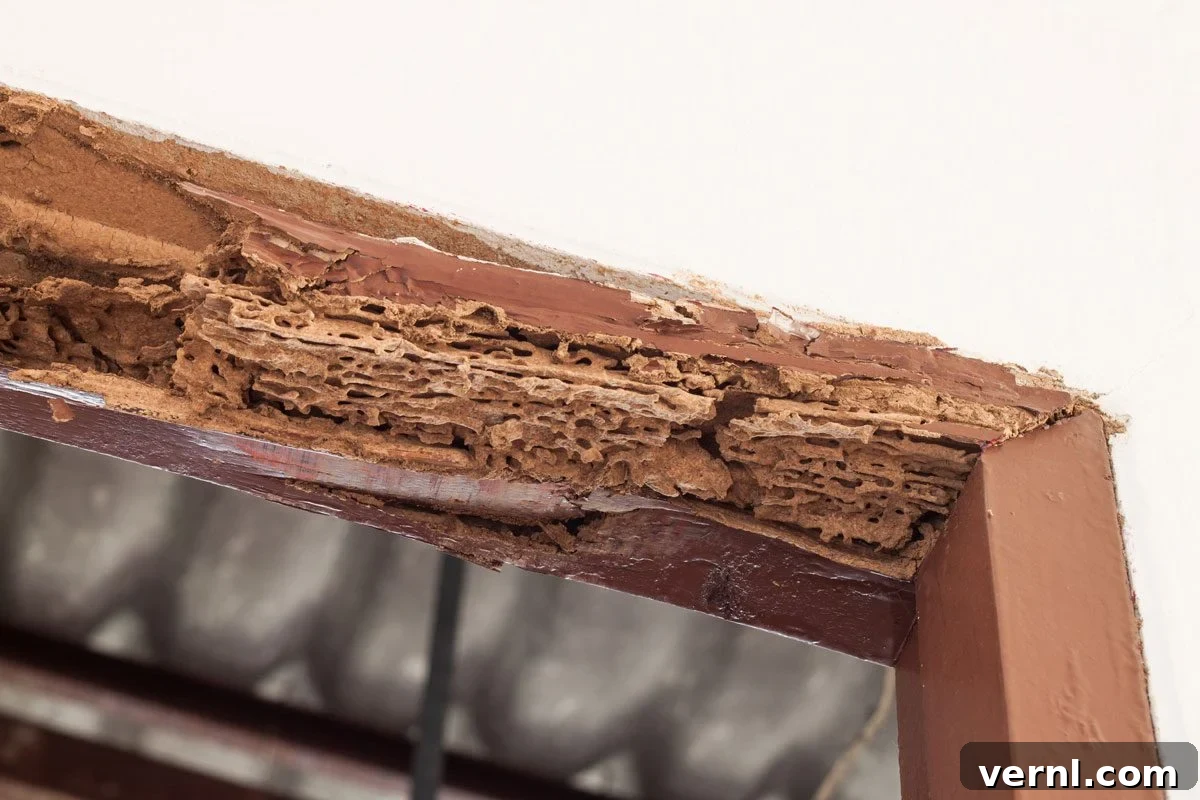
Few phrases strike more dread into the heart of a homeowner than these three words: “You have termites.” This seemingly simple statement can trigger immediate anxiety, signaling a potential threat to one of your most significant investments. Termites, often referred to as “silent destroyers,” are insidious pests that can cause extensive and costly damage before their presence is even suspected. Annually, these tiny insects are responsible for billions of dollars in property damage, impacting homes, forests, agricultural crops, and various wooden structures across the globe. Their relentless chewing can compromise the structural integrity of a building, turning solid wood into a hollow shell and significantly diminishing a property’s market value.
The insidious nature of a termite infestation means that by the time visible signs appear, the problem may already be severe. No prospective homebuyer wants to discover their dream home is infested with termites. In the worst-case scenarios, an untreated termite problem can escalate to the point of rendering a home uninhabitable, posing serious safety risks and leading to overwhelming repair bills. Understanding the early indicators of termite activity, the available treatment and repair options, and crucial preventive measures is paramount for any homeowner. This comprehensive guide will equip you with essential knowledge to protect your property from these destructive pests.
Recognizing the Covert Signs of Termite Damage
Termites are master architects of subterfuge, working tirelessly and discreetly to avoid detection. Species like Subterranean and Formosan termites often access your home’s wooden framework and other components from below ground, building intricate tunnels that shield them from predators and dry air. Drywood termites, on the other hand, can infiltrate directly into exposed wood, silently hollowing out beams and furniture from within, often remaining completely unseen until significant structural compromise has occurred. Their ability to operate out of sight makes early detection incredibly challenging, yet it is the most critical factor in mitigating a termite problem and minimizing repair costs.
Given their hidden nature, homeowners must be vigilant and proactive in looking for subtle clues. Regular inspections, both professional and DIY, can help catch an infestation before it spirals out of control. Here are the most common and telling indicators that these unwelcome guests may have taken up residence in or around your home or yard:
Outward and Hidden Indicators of Termite Activity:
- Mud Tunnels (Mud Tubes) on Walls and Foundations: Subterranean termites construct these protective passageways, roughly the diameter of a pencil, from soil, wood, and saliva. They use these tubes to travel between their underground colony and their food source (your home’s wood), protecting them from open air and predators. Finding these tunnels on your foundation walls, crawl space, or even interior walls is a definitive sign of an active subterranean termite infestation.
- Blistered Paint, Buckling Ceilings, or Sagging Floors: As termites tunnel through wood, they can create moisture and air pockets just beneath the surface. This can cause paint or wallpaper to bubble or blister, resembling water damage. In more advanced stages, the structural damage to floor joists or ceiling beams can lead to noticeably buckling ceilings or soft, sagging floors when walked upon.
- Musty or Moldy Odors: The presence of a large termite colony, especially subterranean species, can introduce a damp, musty smell into affected areas. This odor is often due to the moisture termites bring into structures or the presence of fungi that grow in damaged wood.
- Discarded Wings and/or Droppings (Frass): Swarmers, which are reproductive termites, shed their delicate, translucent wings shortly after finding a mate and establishing a new colony. You might find piles of these discarded wings near windowsills, doorways, or other light sources. Drywood termites, unlike subterranean termites, produce distinctive fecal pellets called “frass.” These small, hard, six-sided pellets often accumulate in tiny mounds near infested wood, resembling sawdust or coffee grounds.
- Swarming (Flying) Termites): The appearance of winged termites, known as swarmers, often occurs in the spring or after rain. Swarmers are mature reproductive termites leaving their existing colony to establish new ones. While often mistaken for flying ants (termites have straight antennae, a broad waist, and two pairs of wings of equal length; ants have elbowed antennae, a pinched waist, and wings of unequal length), their presence indoors is a strong indication of an established termite colony nearby.
- Wood that Sounds Hollow When Tapped: Termites consume wood from the inside out, leaving only a thin veneer on the surface. When you tap on an infested wooden beam, wall panel, or door frame, it might sound hollow or papery compared to solid wood.
- Lumber that’s Soft to the Touch and Easy to Pierce: Seriously damaged wood can become soft and spongy. If you can easily push a screwdriver or utility knife into a wooden surface, it’s a critical warning sign that termites have been at work.
- Tight Door Jams or Windows that Stick: As termites tunnel and feed, they introduce moisture into the wood. This moisture can cause wooden door frames and window sills to warp and swell, making doors and windows difficult to open and close.
Should you observe flying termites inside your home, it’s a definitive signal that an active, mature termite nest is present on the premises or very close by. At this critical juncture, immediate action is required, and involving a professional pest control exterminator becomes absolutely essential to identify the source and eradicate the infestation.
Addressing the Damage: Can Termite Damage Be Fixed?
The good news for homeowners is that, in the vast majority of cases, termite damage can indeed be fixed. However, the prognosis and ease of repair are directly proportional to how quickly the infestation is identified and addressed. Acting at the very first sign of an invasion is paramount to minimizing the extent of the damage and the subsequent repair costs. Procrastination in addressing a termite problem allows these pests more time to continue their destructive work, potentially turning minor damage into a major structural crisis.
Before any thought can be given to repairing the physical destruction, the primary threat — the termites themselves — must be completely neutralized. It is absolutely critical to treat the termites and ensure their total eradication. This often involves professional pest control services that can accurately identify the termite species, locate colonies, and apply effective treatments. Once the infestation is confirmed to be under control and the active termites are gone, you can then proceed with a thorough assessment of the severity and scope of the structural carnage. A detailed plan for repairs can then be developed, prioritizing structural integrity and safety.
Effective Strategies for Repairing Termite Damage
Once the active termite threat has been completely eliminated, the next crucial step is to meticulously assess and repair the damage left behind. The approach to repair will largely depend on the extent and location of the infestation. There are generally two primary methods for addressing destruction from termites, ranging from simple replacements to more complex structural reinforcements.
Method 1: Removal and Replacement
The first and often most straightforward method for addressing localized termite damage is to carefully remove the compromised wooden boards or structural components and replace them with new, sound lumber. This is typically feasible for areas with moderate damage, such as individual floorboards, trim, wall studs, or sections of subflooring. When replacing, consider utilizing wood that is inherently termite-resistant or pressure-treated for enhanced protection against future infestations. This method ensures that all damaged, weakened wood is fully removed, restoring the original strength and appearance of the structure.
Method 2: Shoring Up and Reinforcement
For areas where removal is impractical, excessively costly, or if the damage is less severe but still compromises integrity, a more cost-effective option is to shore up injured timber with supporting boards. This involves attaching new, strong wood parallel to the damaged sections, effectively reinforcing and redistributing the load. This technique can be applied to beams, joists, and other structural elements that have suffered some, but not total, loss of integrity. Both methods can potentially be undertaken as a do-it-yourself project for experienced homeowners, or by hiring a professional builder or carpenter, depending on the complexity of the damage.
DIY Termite Damage Repairs: Weighing the Risks and Rewards
If you possess extensive experience in home renovation projects, a deep understanding of carpentry techniques, and absolute confidence in your skills, you might consider undertaking the termite damage repairs yourself. However, this path should only be pursued after you are 100 percent certain that every single termite has been removed from your property and that the threat of future infestation has been completely eliminated. An incomplete eradication could mean your repair efforts are futile, as a lingering colony will simply continue its destruction on the new wood.
DIY repairs, especially when dealing with structural components, carry inherent risks. Improper repairs could compromise the safety and stability of your home. Therefore, it is strongly recommended that you consider consulting with independent termite inspectors or having them thoroughly inspect your work, particularly before you seal up walls, cover structural elements, and complete the project. Their expert evaluation can provide peace of mind and ensure the repairs meet necessary safety standards.
Hiring a Professional Termite Repair Specialist
For most homeowners, or in situations involving significant structural damage, the most prudent and safest course of action is to call in a professional termite repair specialist. These experts have the necessary experience, tools, and knowledge to accurately evaluate the extent of the damage, identify the most suitable and cost-effective repair options for your specific situation, and then expertly carry out the repair work. A professional can ensure that repairs are performed correctly, safely, and to the highest standards, restoring your home’s integrity and providing long-term peace of mind. While it represents an upfront investment, hiring a professional can prevent more costly problems down the line and safeguard your property’s value.
Proactive Measures: How To Prevent Termite Damage
The timeless adage, “An ounce of prevention is worth a pound of cure,” resonates particularly strongly when it comes to safeguarding your home against termites. Every single minute that termites remain undetected and active within your property translates into further catastrophic munching and escalating repair costs. Proactive prevention is not merely a recommendation; it is an essential strategy for preserving your home’s structural integrity and financial value. Implementing a multi-faceted prevention plan can create an inhospitable environment for termites, significantly reducing the risk of an infestation. Here are some of the most helpful and effective steps you can take to guard your home against these nasty and devastating insects:
- Maintain Good Moisture Control and Ventilation: Termites, especially subterranean species, are highly attracted to moisture. Leaky pipes, clogged gutters, poor drainage around the foundation, or inadequate ventilation in crawl spaces and attics create ideal breeding grounds. Regularly inspect and repair all plumbing leaks, ensure gutters and downspouts direct water away from the foundation, and install proper ventilation to keep wooden structures dry.
- Create an Effective Barrier Between Soil and Foundations: Direct wood-to-soil contact provides an easy highway for termites into your home. Ensure that there is at least a 6-inch gap between the soil and any wooden components of your house, including siding, porch supports, and steps. Concrete foundations, brick veneers, or gravel barriers can serve as excellent physical deterrents.
- Set Out Termite Baits: Termite bait stations contain cellulose (which termites eat) laced with a slow-acting insecticide. Worker termites consume the bait, share it with the colony, and eventually eliminate the entire population. These can be strategically placed around the perimeter of your property to monitor for activity and provide long-term control.
- Apply Beneficial Nematodes to Soil: Nematodes are microscopic, naturally occurring roundworms that are parasites to various soil-dwelling insects, including termites. Certain species, like Steinernema feltiae, can be introduced to the soil around your home. They hunt down and kill termites, offering a biological control method that is safe for humans and pets.
- Spread Boric Acid or Diatomaceous Earth Around Foundations: Boric acid acts as a stomach poison and desiccant for termites, while diatomaceous earth (a natural abrasive powder) dehydrates them by damaging their exoskeletons. Applying these substances as a perimeter barrier can deter termites from entering your home, though caution should be exercised to apply them safely and correctly.
- Keep Firewood and Vegetation Away from Structures: Stacks of firewood, lumber, dense shrubs, or vines growing against your house provide ideal shelter, food sources, and hidden pathways for termites. Store firewood at least 20 feet away from your home and elevate it off the ground. Trim back all vegetation to ensure at least a foot of clear space between plants and your foundation.
- Spray Termiticidal Repellents on Unaffected Wood: For exposed wooden elements in basements, crawl spaces, or exterior features that are not yet infested, applying termiticidal repellents or barriers can create an protective zone. These treatments often contain insecticides that are toxic or repellent to termites, preventing them from attacking the wood.
- Arrange Periodic Inspections by a Licensed Termite Professional: Perhaps the most critical preventative step is scheduling regular, professional termite inspections. Licensed professionals have the expertise to identify subtle signs of termite activity that an untrained eye might miss. They can assess risk factors, suggest targeted prevention strategies, and catch new infestations early, often before significant damage occurs. Annual or bi-annual inspections are a sound investment in your home’s long-term protection.
Building for Durability: Termite-Resistant Building Materials
When constructing a new home or undertaking significant renovations and repairs following a termite infestation, selecting appropriate building materials can dramatically enhance your property’s long-term resilience against these pests. Incorporating termite-resistant materials can serve as a vital layer of defense, making your home a less attractive target for future invasions. These materials either inherently deter termites or are chemically treated to withstand their destructive appetites.
Here are some of the most effective termite-resistant building materials to consider:
- Pressure-Treated Lumber: This wood has been infused with chemical preservatives under high pressure, making it highly resistant to rot, fungi, and insect infestation, including termites. It is commonly used for outdoor structures, deck framing, and any wood in contact with the ground or exposed to moisture.
- Cement, Brick, Stone, and Concrete Masonry Units (CMU): These inorganic materials are not a food source for termites. Using them for foundations, exterior walls, and even some interior structural elements significantly reduces the amount of accessible wood for termites. While termites can sometimes tunnel through cracks in masonry, the material itself remains unharmed.
- Naturally-Resistant Wood: Certain species of wood possess natural compounds that make them unpalatable or toxic to termites. Examples include:
- Cedar: Known for its aromatic oils, cedar has natural pest-deterring properties.
- Redwood: Similar to cedar, redwood contains natural chemicals that offer resistance to insects and decay.
- Cypress: Particularly the heartwood of cypress, contains cypressene, a natural preservative that helps it resist insect attack and rot.
While these woods offer good resistance, they are not entirely impervious to severe or persistent termite attacks, especially the sapwood.
- Vinyl Siding: As a synthetic material, vinyl siding does not provide a food source for termites. When properly installed with a gap between the siding and the foundation, it can also create an effective barrier that forces termites to build visible mud tubes over the foundation, making their presence easier to detect.
- Metal Framing and Steel Beams: Utilizing steel studs for interior walls or structural steel beams for framing eliminates a significant amount of wood, removing a primary food source for termites. This is an increasingly popular option in areas prone to severe termite activity.
- Composite Materials: Decking, trim, and siding made from composite materials (a blend of wood fibers and recycled plastics) are generally more resistant to termites and rot than traditional wood, as the plastic encapsulation protects the wood fibers.
By making conscious choices about building materials, homeowners can significantly enhance their property’s defenses, reducing the likelihood and severity of future termite infestations, and contributing to the long-term durability and value of their home.
The Financial Impact: How Much Does Termite Damage Cost to Repair?
The cost associated with repairing termite damage can vary dramatically, making it a significant financial concern for homeowners. On average, homeowners can expect repair costs to range anywhere from $1,000 to $3,500. However, this is merely an average, and the true cost is influenced by a multitude of factors, including the type of termite, the duration of the infestation, the accessibility of the damaged areas, the specific structural components affected, and your geographical location.
Minor, localized damage to non-structural elements like trim, individual floorboards, or small sections of drywall might fall on the lower end of this spectrum. However, in severe and prolonged cases, termites can compromise the core structural integrity of a home. This can include damage to load-bearing walls, support beams, floor joists, and subflooring, rendering the property unsafe and uninhabitable. When a home reaches this critical state, the repair costs can skyrocket into tens of thousands of dollars, or even more, depending on the extent of reconstruction required. Such extreme situations often necessitate that a homeowner temporarily relocate while extensive structural repairs are completed, adding further inconvenience and financial strain.
Adding to the financial burden is the unfortunate reality that very few homeowners insurance policies offer coverage for termite damage. Most standard policies classify termite infestations as a preventable maintenance issue, rather than a sudden, unforeseen calamity. This means the entire financial responsibility for detection, eradication, and subsequent repairs typically falls squarely on the homeowner’s shoulders. This lack of insurance coverage underscores the immense importance of proactive prevention and immediate action upon suspecting an infestation.
“Termites are no joke; they represent a serious and rapidly escalating threat to any property,” emphasizes Ed Spicer, a renowned home expert and CEO of Pest Strategies. Spicer strongly advises that once you have any indication or confirmation of termite presence, it is absolutely imperative to contact a professional pest control service as soon as humanly possible. “Don’t sit around on your hands wishing for the bugs to simply go away on their own,” Spicer warns, “The longer you hesitate and wait, the more likely you may find that what’s disappearing isn’t just the termite population, but unfortunately, your house itself.” His words serve as a stark reminder of the urgency required to protect your home and your investment from these relentless destroyers.