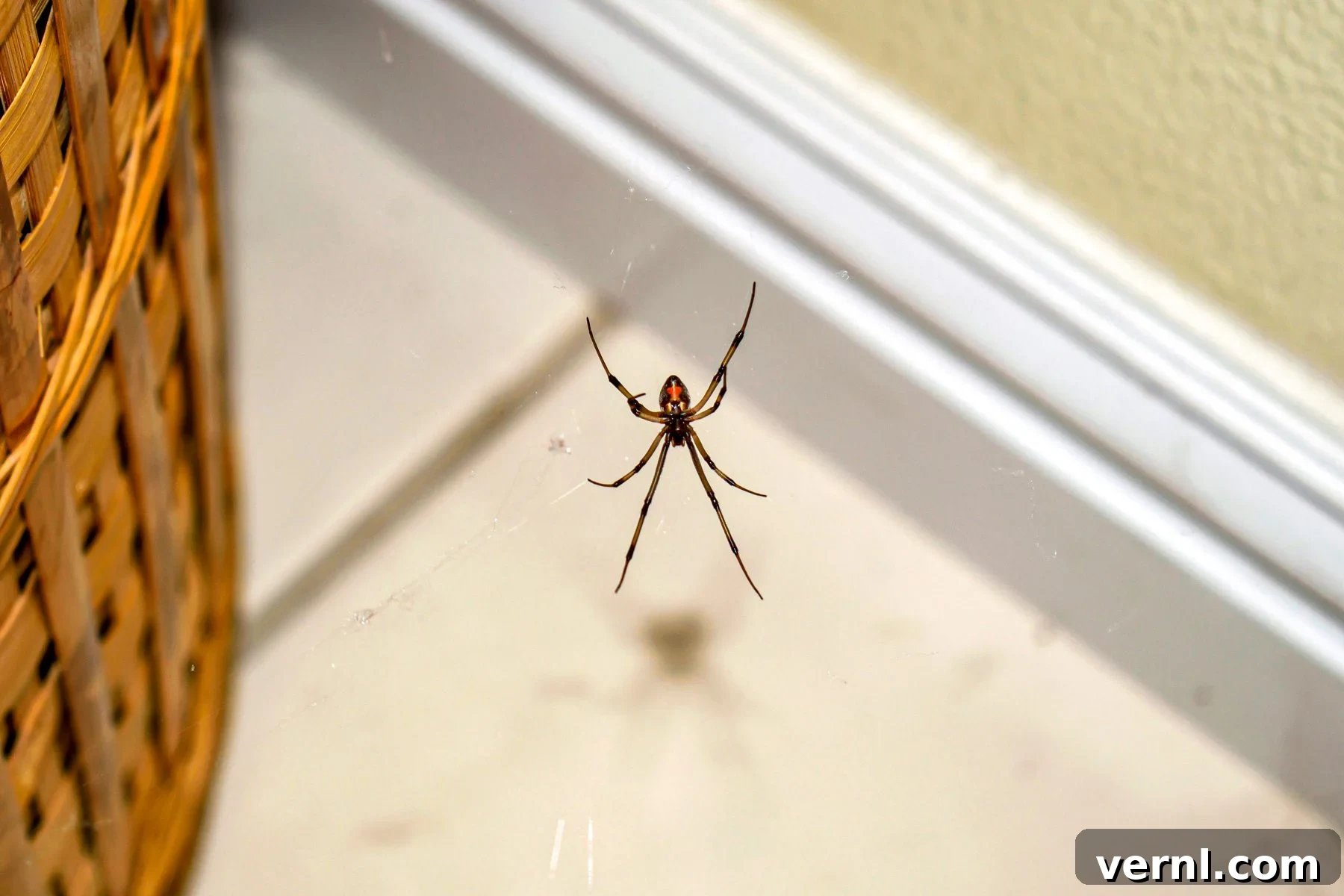
For many, the sight of a spider sends shivers down the spine. While these eight-legged creatures often evoke fear, a condition known as arachnophobia affecting a significant portion of the global population, spiders are primarily beneficial insects that play a crucial role in our ecosystem. They are natural predators, diligently feasting on a myriad of smaller, often more problematic insects that might otherwise infest our homes. Understanding why spiders might choose your house as their habitat is the first step toward peacefully coexisting with them or, if necessary, implementing effective and humane strategies to manage their presence.
Professional entomologists consistently highlight that a surge in spider sightings within a home often signals a deeper issue: a thriving population of their prey. Craig Sansig, an Associate Certified Entomologist, explains, “If people are seeing large amounts of spiders around their home, it usually means they have conditions that support large numbers of the prey they consume, namely other insect species.” This perspective shifts the focus from merely eliminating spiders to addressing the underlying factors that attract them, thereby creating a more sustainable solution for pest management.
This comprehensive guide, informed by insights from leading entomology experts, delves into the fascinating world of spiders, exploring their dietary habits, what draws them indoors, and actionable steps you can take to prevent them from becoming unwelcome houseguests. We’ll also cover when it’s time to call in a professional and demystify common myths surrounding these often-misunderstood arachnids, helping you to foster a calmer, more spider-free living environment.
The Beneficial Role of Spiders in Your Home and Garden
Before discussing how to deter spiders, it’s important to acknowledge their positive contributions. Spiders are invaluable biological pest controllers. They dine on a wide range of insects and even other arachnid species, making them natural allies in keeping your home pest-free. Far from being mere nuisances, spiders are diligent exterminators, helping to rid your house of mosquitoes, flies, fleas, ants, cockroaches, moths, and other pesky bugs that can be far more destructive or disease-carrying. Allowing a few harmless spiders to reside in undisturbed areas can significantly reduce the need for chemical pesticides, contributing to a healthier home environment.
Embracing the presence of spiders, especially in less trafficked areas like basements, attics, or garages, can be a highly effective, eco-friendly approach to pest management. They work tirelessly, often unnoticed, to maintain a natural balance within and around your property. Understanding these garden spider facts helps reinforce why, despite common fears, these creatures are an essential part of a healthy ecosystem, even within the confines of our homes.
What Attracts Spiders to Your Home?
While spiders are always seeking shelter, what truly draws them indoors is a consistent and abundant food supply. Your home can become an irresistible banquet hall if it harbors a healthy population of insects. Beyond the promise of a meal, spiders are more likely to settle in if your home also offers easy access points and a plethora of cozy, undisturbed hiding spots. These ideal habitats often consist of dark, quiet corners with minimal human activity, providing them with security and an ideal location to build webs or ambush prey.
Several key factors contribute to a home being an attractive haven for spiders:
- Abundant Prey: The primary magnet for spiders is the presence of other insects. If you have flies, mosquitoes, ants, or other small bugs thriving indoors, spiders will follow their food source. Addressing the root cause of these pest infestations is crucial for long-term spider prevention.
- Shelter and Hiding Spots: Spiders seek refuge from predators, harsh weather, and human disturbance. Clutter, dark corners, seldom-moved furniture, storage boxes, and even undisturbed piles of laundry offer ideal hiding places.
- Easy Access: Cracks, crevices, unsealed windows, gaps under doors, and damaged screens act as open invitations for spiders to enter your home. They are opportunistic invaders, exploiting any entry point available.
- Moisture: While not all spiders are drawn to dampness, many of their insect prey, such as silverfish, sowbugs, and certain beetles, thrive in moist environments. Areas like basements, crawl spaces, and bathrooms with high humidity can indirectly attract spiders by providing a consistent food source.
- Exterior Lighting: Bright outdoor lights, especially white or blue-spectrum bulbs, attract a multitude of nocturnal insects. These insects then become an easy meal for spiders that spin webs nearby, eventually leading them closer to your home’s entry points.
Effective Strategies to Prevent Spiders in Your Home
While completely eradicating spiders from your home is an unrealistic goal, you can significantly reduce their numbers and deter them from settling in. A multi-pronged approach focusing on exclusion, cleanliness, and environmental modification is the most effective way to manage spider populations.
1. Implement Robust Exclusion Techniques
The most proactive step you can take is to physically block spiders and their food sources from entering your home. Associate Certified Entomologist Shannon Harlow-Ellis emphasizes the importance of sealing gaps. Begin by thoroughly inspecting your home’s exterior for potential entry points. Look for cracks and crevices around window frames, door frames, and where utility lines (such as pipes, cables, and wires) penetrate the walls. Use a high-quality silicone caulk to seal these openings, no matter how small they appear, as even tiny gaps can provide passage for small spiders and insects.
Furthermore, ensure that all window and door screens are in good repair, free from tears or holes. Install weatherstripping around doors and windows, and add door sweeps to the bottom of exterior doors to eliminate gaps that spiders can easily crawl under. Pay attention to vents and chimneys, ensuring they have fine mesh covers to prevent entry. This comprehensive sealing effort not only keeps spiders out but also creates a significant barrier against their primary food sources, making your home a far less appealing destination.
2. Regular Cleaning and Clutter Removal
A clean, clutter-free environment is inherently less attractive to spiders and the insects they feed on. Spiders thrive in undisturbed, hidden spaces, so removing these ideal habitats is key to prevention. Santos Portugal, an Assistant Extension Professor of Urban Entomology at Mississippi State University, advises, “Regularly sweep and vacuum corners, behind doors, and around clutter to pick up spiders, webs, and egg sacs.” This routine disruption dislodges existing spiders and their offspring, and it also removes their food sources and web-building sites.
Beyond the indoors, consider the immediate perimeter of your home. Craig Sansig suggests trimming trees and shrubs away from the foundation of your house to improve airflow and decrease habitat for insects. Overhanging branches can also serve as bridges for spiders to reach your home. Additionally, eliminate debris piles such as leaves, wood stacks, old boxes, and unused items, especially in outdoor areas and crawl spaces. These provide ideal dark, quiet, and protected habitats for spiders and their prey, inviting them closer to your home’s entry points. Keeping outdoor areas tidy creates a less conducive environment for spiders to establish themselves near your residence.
3. Reduce Exterior Night Lighting
Bright exterior lights act as beacons for flying insects, which are a primary food source for many spider species. If your porch lights are left on all night, you’re essentially setting up a nightly buffet for spiders, drawing them directly to your home’s entrance. Santos recommends several strategies to mitigate this:
- Avoid leaving porch lights on unnecessarily throughout the night.
- Close curtains and blinds at night, especially when interior lights are on, to prevent insects from being drawn to your windows.
- Consider replacing traditional floodlights with motion-activated exterior lights. These only turn on when triggered, limiting the time insects are attracted to your home.
For persistent lighting needs, opt for yellow or sodium vapor bulbs, which emit light in a spectrum less attractive to insects compared to conventional cool blue or white bulbs. Strategic lighting choices can significantly reduce the insect activity around your home’s exterior, consequently reducing spider populations nearby.
4. Control Moisture Levels
Damp conditions are a magnet for many types of insects that spiders love to eat, especially during hot, dry summers when outdoor water sources are scarce. Controlling moisture inside and around your home is a vital step in spider prevention. Fix any dripping water spigots or leaky pipes promptly, as standing water provides crucial hydration for pests. Regularly clean your gutters to ensure proper drainage, preventing water from pooling near your foundation. Ensure downspouts direct water away from the house to avoid creating damp spots that attract insects.
Inside your home, particularly in basements, crawl spaces, and bathrooms, use dehumidifiers to reduce humidity levels. Ensure adequate ventilation in these areas to prevent moisture buildup. By eliminating these damp environments, you make your home less hospitable to moisture-loving insects, thus reducing the food supply for spiders and discouraging them from moving in.
5. Strategic Use of Pesticides
While exclusion and habitat modification are preferred long-term strategies, pesticides can be an option for immediate control of spider populations or severe infestations. Sansig notes that spiders are generally susceptible to most products labeled for use against them in and around the home. “Pesticides may also help to eliminate the species of insects they prey upon,” he adds. Effective spider repellents often contain active ingredients such as deltamethrin (found in products like DeltaDust®), bifenthrin, or cyfluthrin (as in Tempo®).
When using pesticides, application typically focuses on cracks and crevices in baseboards, around windows, and in less accessible areas like crawl spaces, basements, and attics where spiders tend to hide. Sansig strongly advises meticulously following all label directions for any product used, emphasizing safety and proper application. Regular reapplication may be necessary if pesticides are used as a barrier spray around your home’s perimeter or in areas with active spider populations. However, it’s crucial to remember that pesticides offer a temporary solution and should be part of an integrated pest management strategy, not a standalone approach.
Why Do Spiders Keep Coming Back?
Despite your best efforts to implement preventative measures, completely preventing spiders from returning to your home is virtually impossible. Spiders are persistent and resourceful, constantly seeking new territories and food sources. However, with consistent effort, the numbers should become manageable rather than overwhelming.
If you continue to observe a high volume of spiders, it often indicates a persistent underlying issue. This could mean you have an ongoing, undetected infestation of the insects that spiders love to eat, providing a continuous food source. Alternatively, you might have overlooked a hidden nesting spot, leading to the hatching of hundreds of new spiderlings. Seasonal factors also play a role; as temperatures drop in autumn, spiders naturally seek warmer, drier indoor shelter. Identifying and addressing these ongoing attractants is critical to achieving long-term spider control.
When to Call a Professional for Spider Control
While many spider issues can be resolved with DIY methods, there are situations where professional intervention becomes necessary or highly beneficial. Hiring a pest control expert can significantly reduce stress levels, especially if your DIY solutions aren’t yielding the desired results. If you’re unsure about the specific type of spiders you’re dealing with, or if your arachnophobia is severe and significantly impacts your peace of mind, a professional can provide effective and swift relief.
Shannon Harlow-Ellis emphasizes the importance of professional help if you have known allergies to spider bites, as incorrect identification or treatment of potentially dangerous species could lead to health risks. Professionals have the expertise, tools, and access to more potent treatments to accurately identify spider species, locate hidden nests, address severe infestations, and implement targeted, long-lasting solutions, ensuring your home remains a comfortable and spider-free sanctuary.
Frequently Asked Questions About Spiders
Are Spiders Dangerous to People or Pets?
While certain spider species possess venomous bites, the vast majority of spiders found in and around homes are harmless to humans and pets. Their bites are typically less severe than a bee sting, if they bite at all. As Craig Sansig explains, “Even the most venomous of spiders in the U.S. actually pose little risk to people.” Common examples like black widow and brown recluse spiders prefer to hide away from humans and will only bite if they feel directly threatened or trapped. When these spiders do bite, it’s rarely serious or life-threatening, though medical attention might be required in some cases. Statistically, the risk from spiders is remarkably low; Sansig humorously states, “Statistically, you’re actually more likely to be hit and killed by a falling manhole cover while walking in NYC than from a spider bite.” This underscores how exaggerated the perceived danger often is compared to the actual risk.
How Long Do Spiders Live?
The lifespan of a spider varies significantly depending on the species and environmental conditions. Most common house spiders and garden spiders have relatively short lifespans, typically living less than a year. However, some species can live for several years. For instance, certain larger spiders like tarantulas can live for over 20 years in captivity. Generally, male spiders have shorter lifespans than females, often dying soon after mating. Even females, while living longer, frequently fall prey to other animals or succumb to environmental factors before reaching old age, making their average lifespan in the wild considerably shorter than their potential maximum.
How Often Do Spiders Lay Eggs, and How Many?
Spider reproduction rates and egg-laying habits differ greatly by species. Craig Sansig provides examples: “The brown recluse lays between 1 and 5 egg sacs over a two-year period, each containing 40 to 50 eggs.” In contrast, “The black widow has larger egg sacs with an average of about 250 eggs per egg sac.” Some species can produce multiple egg sacs throughout their lifetime. However, it’s important to note that mortality rates are extremely high among developing spiderlings. Sansig explains that most do not survive to adulthood, a natural control mechanism that prevents overwhelming spider populations.
Where Do Spiders Lay Eggs?
Female spiders employ various strategies for egg-laying and protection. Many species, particularly wandering spiders, construct a silk egg sac and carry it with them until the spiderlings hatch, ensuring its constant protection. Others, especially web-building spiders, will attach their egg sacs securely within their webs or tuck them away in a secluded, well-hidden spot such as under debris, inside crevices, or in undisturbed clutter. This behavior is precisely why a clutter-free, thoroughly vacuumed home is essential for controlling spider numbers, as it eliminates prime locations for egg sacs and young spiderlings to develop unnoticed.
About the Experts
- Shannon Harlow-Ellis is an Associate Certified Entomologist and Technical Services Manager at Mosquito Joe, a Neighborly company.
- Santos Portugal is an Assistant Extension Professor of Urban Entomology at Mississippi State University.
- Craig Sansig is an Associate Certified Entomologist and Public Health Entomologist and Service Director of Viking Pest Control.
Sources
-
Polák J, Sedláčková K, Janovcová M, et al. Measuring fear evoked by the scariest animal: czech versions of the spider questionnaire and spider phobia beliefs questionnaire. BMC Psychiatry. 2022;22:18.