
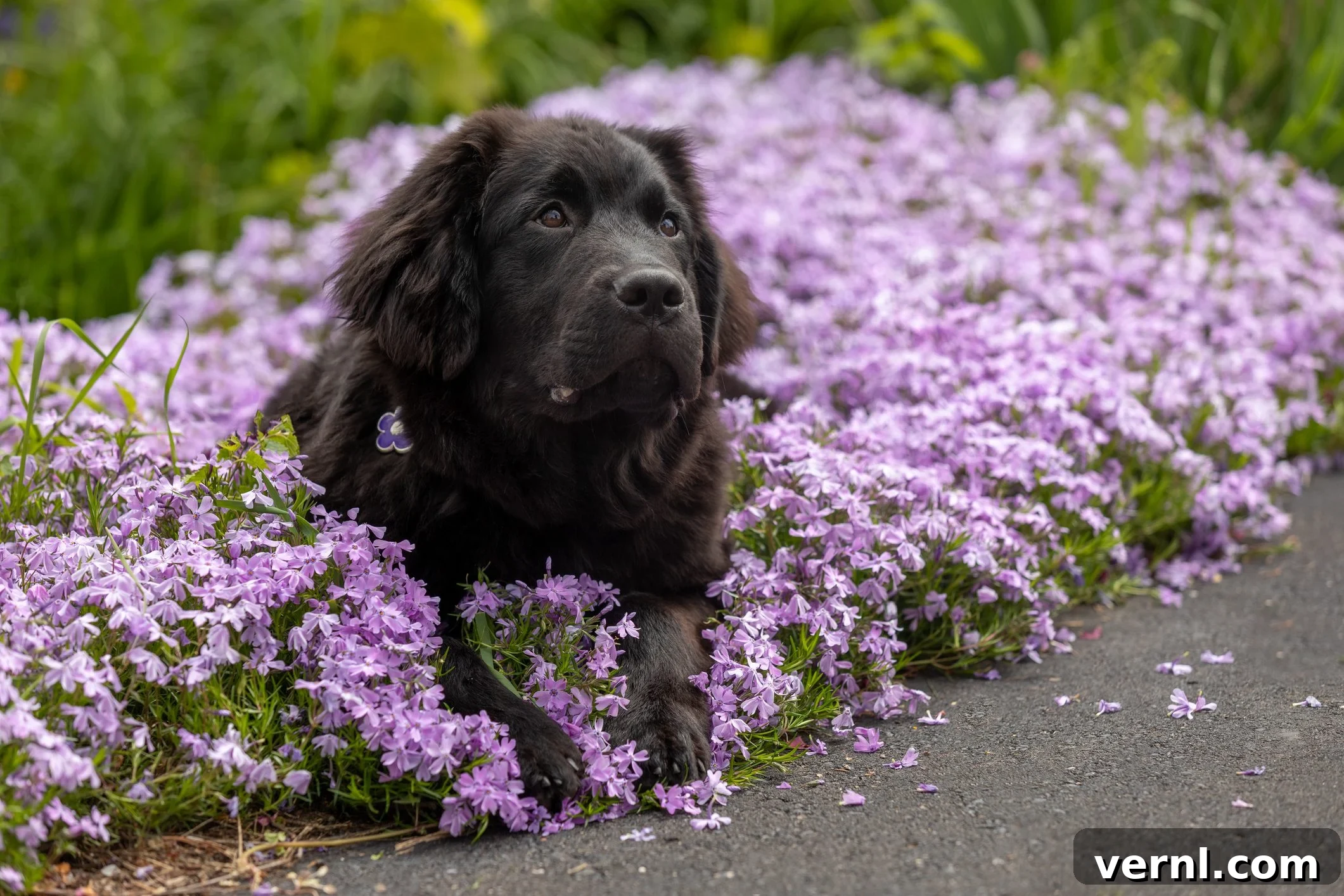
How to Dog-Proof Your Garden: Comprehensive Strategies to Stop Digging and Protect Your Flower Beds
As a dog owner, you cherish your furry companion, but that love doesn’t extend to finding your prize-winning petunias uprooted or your carefully manicured lawn riddled with craters. Dogs, driven by instinct, boredom, or even anxiety, often find immense joy in excavating your garden beds, turning a beautiful landscape into a chaotic mess. This behavior not only destroys your plants and creates extra work but can also expose your pet to harmful garden chemicals or sharp objects. Fortunately, with a blend of strategic planning, practical deterrents, and consistent training, it’s entirely possible to create a harmonious environment where your garden flourishes and your dog has appropriate outlets for their natural behaviors.
Protecting your outdoor oasis while still allowing your dog space to play and explore is achievable. This guide explores five effective, humane methods to prevent your dog from digging in your flower beds, ranging from simple physical barriers to engaging behavioral training, ensuring a peaceful coexistence for both you and your four-legged friend.
Install Effective Physical Barriers
One of the most straightforward and immediate solutions to deter a dog from your flower beds is to physically block their access. Fencing acts as a clear boundary, visually and physically communicating that certain areas are off-limits. The type of fencing you choose will depend on your dog’s size, determination, and your garden’s aesthetic.
Permanent Fencing Solutions
For a long-term solution, consider installing permanent flower bed fencing. Options range from decorative picket fences that complement your garden’s design to more robust wire or mesh fences. When selecting a permanent fence, consider the following:
- Height: Ensure the fence is tall enough to prevent your dog from jumping over it, especially if you have an athletic breed.
- Depth: If your dog is a notorious digger, the fence material might need to extend a few inches below the ground level or be supported by a buried wire mesh foundation to prevent them from tunneling underneath.
- Material: Wood, vinyl, and metal are common choices, each offering different levels of durability and aesthetic appeal.
- Gates: If the fence encloses a large area, ensure any gates are secure and easy for humans to operate while being dog-proof.
Temporary & Flexible Barriers
Sometimes, a permanent structure isn’t necessary or desired. For instance, you might only need to protect new plantings, a specific seasonal bed, or contain a curious puppy. Temporary barriers are an excellent solution for these scenarios:
- Chicken Wire: This is a highly versatile and cost-effective option. Drive several garden stakes into the ground around your flower beds, then wrap chicken wire securely around them. The wire can be easily rolled up and removed when not needed, making it ideal for temporary protection.
- Exercise Pens (X-pens): Often used for puppies or small dogs, an x-pen can be set up quickly to create a temporary enclosure around a vulnerable garden area. They are portable and require no installation.
- Snow Fencing: Similar to chicken wire but often sturdier, snow fencing can provide a more robust temporary barrier, especially for larger or more persistent dogs.
Dr. Tina Wismer, senior director of toxicology at the American Society for the Prevention of Cruelty to Animals (ASPCA), offers a clever tip: “To keep cats and dogs from digging you can place chicken wire flat on the dirt to discourage this behavior. Cover with a little mulch and it is hidden from view.” This method deters digging by creating an uncomfortable surface without being visible, making it an excellent subtle deterrent for persistent excavators.
Establish a Designated Digging or Play Zone
Dogs often dig out of boredom, excess energy, or simply because it’s an inherent instinct for many breeds. Rather than trying to suppress a natural behavior entirely, redirect it to an acceptable area. Creating a dedicated “digging zone” or play area can be incredibly effective in preserving your ornamental beds.
Designing Your Dog’s Personal Playground
To make this area more appealing than your flower beds, follow these steps:
- Choose the Right Spot: Select an out-of-the-way corner of your yard that’s easily accessible but not right in the middle of your main garden.
- Excavate a Shallow Area: Dig out a pit approximately 1-2 feet deep and of a size appropriate for your dog (e.g., 3×3 feet for a small dog, 5×5 feet or larger for a big dog).
- Fill with Enticing Material: Fill the pit with loose, soft material that’s easy and fun to dig in. Sand, a mix of sand and topsoil, or even a child’s sandpit filled with play sand are excellent choices. Avoid using dirt from your garden, which might contain enticing smells or organisms.
- Add Exciting Rewards: Bury some of your dog’s favorite toys, sturdy chew bones, or even a few dog treats within the digging zone. This encourages them to explore and dig in this specific spot.
- Supervise and Redirect: Initially, supervise your dog closely. When you see them heading for the flower beds, gently but firmly redirect them to their digging zone. Encourage them to dig there by cheering them on and offering praise when they do. You can even “seed” the area with buried treats to make it more appealing.
Beyond digging, ensure your dog has ample opportunities for physical and mental stimulation. Regular walks, interactive puzzle toys, fetch, and obedience training sessions can significantly reduce boredom-driven destructive behaviors, making your flower beds less appealing as a source of entertainment.
Utilize Safe and Effective Dog Repellents for Flower Beds
Dogs have a highly developed sense of smell, and certain odors are naturally off-putting to them. Using dog repellents can create an invisible barrier around your flower beds, discouraging your pet from venturing too close. It’s crucial, however, to ensure any repellent you use is safe for your plants, your pet, and any other wildlife or humans that might come into contact with it.
Natural Odor Deterrents
Dr. Tina Wismer notes, “Peppers, citrus, vinegar and commercial pet repellents smell bad to dogs and cats and keep them away from the garden. Always make sure that the item is safe for plants (and people if using near edible plants).”
- Citrus Scents: Dogs generally dislike the strong scent of citrus. You can scatter fresh orange, lemon, or grapefruit peels directly into your flower beds. Alternatively, create a citrus spray by boiling citrus peels in water, letting it cool, straining the liquid, and then spraying it around the perimeter of your garden.
- Vinegar Solution: White vinegar has a pungent smell that many dogs find unpleasant. Mix equal parts white vinegar and water in a spray bottle and apply it to the soil around your plants. Be cautious, as undiluted vinegar can harm some plants, so test on a small, inconspicuous area first.
- Spicy Scents: Cayenne pepper or chili powder can be sprinkled lightly around the base of plants. The smell and mild irritation (if they lick it) can deter dogs. However, use sparingly and with caution, as excessive amounts can be irritating to pets’ noses and eyes. Always wear gloves during application.
- Repellent Plants: Certain plants naturally emit odors that dogs tend to avoid. Consider planting species like rue, lavender, rosemary, marigolds, or citronella around your flower beds. While beautiful, their aroma can act as a natural deterrent.
Commercial Pet Repellents
Many garden stores offer commercial pet repellents specifically designed for gardens. When choosing one, look for products that are:
- Non-toxic: Always prioritize safety for your pets, children, and plants.
- Natural Ingredients: Many contain essential oils like citronella, peppermint, or garlic that dogs dislike.
- Weather-Resistant: Some sprays are designed to last longer, even after rain.
Always follow the manufacturer’s instructions for application, especially regarding reapplication frequency, as most repellents need to be reapplied regularly, particularly after rain, to maintain their effectiveness.
Harmful Repellents to Absolutely Avoid
It’s vital to be aware of common but dangerous “home remedies” for pet deterrence that can be highly toxic to animals. Dr. Wismer strongly advises against them:
- Moth Balls: “Moth balls can be dangerous to pets. One type can cause neurologic signs (paradichlorobenzene) and the other can cause anemia (naphthalene).” Ingesting mothballs can lead to vomiting, diarrhea, lethargy, seizures, and even organ damage.
- Coffee Grounds: “Coffee contains caffeine and ingestion of the grounds could cause vomiting, agitation, high heart rates, tremors and seizures.” Even small amounts of caffeine can be toxic to dogs.
Never use harsh chemicals, pesticides not intended for pet deterrence, or any substance that could pose a health risk to your dog or other animals.
Utilize Prickly Barriers and Textural Deterrents
Dogs, much like humans, prefer comfort. Introducing uncomfortable textures around your flower beds can be a simple yet effective deterrent. They won’t want to step, sit, or dig in an area that pokes or feels unpleasant under their paws.
Nature’s Spiky Shield
You can use natural materials that are prickly but won’t cause serious injury:
- Rose Bush Clippings: After pruning your rose bushes, collect the thorny branches. Scatter these clippings lightly around the edges of your flower beds, especially in areas where your dog frequently attempts to dig or trespass.
- Hawthorn or Barberry Cuttings: Similar to roses, these shrubs have thorns that can be effectively used as a deterrent.
- Pinecones: Large pinecones can be spread across the soil surface. Their irregular, somewhat prickly texture makes them uncomfortable for dogs to walk or lie on, discouraging them from entering the bed.
- Rough Mulch: Consider using a type of mulch that is less appealing to paws, such as coarse bark nuggets or even a layer of river rock, instead of soft, fine mulch.
Aesthetic Considerations
While effective, scattering branches might not fit every garden’s aesthetic. If you prefer a tidier look, you can often tuck smaller, prickly branches discreetly under the bottom leaves of larger plants, making them less visible but still effective. The goal is to create an immediate unpleasant sensation that teaches your dog to avoid the area without causing harm.
Implement Consistent Behavioral Training
Ultimately, the most sustainable solution for preventing digging is teaching your dog appropriate behavior through training. Just as you can teach commands like “sit” or “stay,” you can also teach them that your flower beds are off-limits. This method requires patience, consistency, and positive reinforcement.
Key Principles of Training
- Positive Reinforcement: Never punish your dog for digging in the garden after the fact. They won’t connect the punishment to the action. Instead, focus on rewarding desired behaviors.
- The “Leave It” Command: Teach your dog the “leave it” command. Practice it in various contexts, then apply it when they show interest in the garden. When they turn away from the flower bed on command, reward them lavishly with treats and praise.
- Supervision is Crucial: Especially in the initial stages, supervise your dog whenever they are in the yard. Intervene immediately (with a gentle redirection, not punishment) if you see them heading for the garden.
- Redirection: If your dog starts to dig in the flower bed, gently interrupt them with a cheerful “No dig!” or “Ah-ah!” then immediately redirect their attention to an appropriate toy, a designated digging zone, or another approved activity. Reward them for engaging with the acceptable alternative.
- Consistency: Everyone in the household must be consistent with the rules and training. Inconsistent messages will confuse your dog and hinder progress. Regular, short training sessions are more effective than infrequent, long ones.
Addressing Underlying Causes
Sometimes, digging is a symptom of a deeper issue. Consider if your dog is:
- Bored: Increase their mental and physical exercise through longer walks, puzzle toys, and more play sessions.
- Anxious: Dogs with separation anxiety might dig as a coping mechanism. Consult with a professional dog trainer or veterinary behaviorist if you suspect anxiety is the root cause.
- Overheated: Some dogs dig to create a cool spot to lie in. Provide ample shade and fresh water in your yard.
Once your dog understands and respects the boundaries of your flower beds through consistent training, you should enjoy a much more peaceful and beautiful garden.
FAQs: Your Questions About Dog Digging Answered
Why do dogs dig or play in flower beds?
Dogs dig in flower beds for a variety of reasons, often driven by instinct. The loose soil in gardens is incredibly appealing for natural behaviors like hunting (searching for rodents or insects), burrowing (creating a den or a cool resting spot), or caching (burying bones or toys for later). Additionally, flower beds often have interesting smells from fertilizers or other creatures that stimulate a dog’s keen nose. Boredom and excess energy are also major contributors; a garden can become an impromptu playground for a dog lacking sufficient mental and physical stimulation. Lastly, some dogs dig to relieve stress or anxiety, or to find a shaded, comfortable spot during warm weather.
What plants repel dogs naturally?
Several plants emit odors that dogs find unpleasant, effectively deterring them from an area. These include: rue (often called “herb of grace”), lavender, rosemary, marigolds, citronella grass, and certain varieties of coleus (like the ‘Scaredy Cat’ plant). Additionally, plants with a strong citrus scent or those in the pepper family (though not typically ornamental garden plants themselves) can also act as natural deterrents due to their pungent aromas.
How long does it take to train a dog to stop digging?
The time it takes to train a dog to stop digging varies greatly depending on the dog’s age, breed, individual personality, how ingrained the digging habit is, and the consistency of the training. Puppies generally learn faster than older dogs with established habits. With consistent, positive reinforcement, and a multi-pronged approach (barriers, repellents, designated digging zones), you might see significant improvement within a few weeks to a couple of months. For very persistent diggers or dogs with underlying behavioral issues, it could take longer, and professional help might be beneficial. Patience and persistence are key.
Are there specific plants that are toxic to dogs that I should avoid in my garden?
Yes, many common garden plants are toxic to dogs if ingested. Some of the most common include lilies (highly toxic to cats, but also harmful to dogs), sago palm, azaleas/rhododendrons, tulips/hyacinths (bulbs are especially toxic), oleander, daffodil, foxglove, cyclamen, and various types of ivy. It’s always best to research any new plant you introduce to your garden to ensure it’s pet-safe, or consider fencing off areas with potentially harmful plants. If you suspect your dog has ingested a toxic plant, contact your veterinarian or a pet poison control hotline immediately.
What should I do if my dog still digs despite trying these methods?
If your dog continues to dig persistently, it’s time to re-evaluate your approach. First, ensure you are consistently applying all the methods you’ve chosen. Is the fence truly dig-proof? Is the designated digging zone still more appealing than the flower bed? Are you reinforcing positive behavior consistently? If the problem persists, consider increasing your dog’s exercise and mental stimulation, as boredom is a significant factor. For stubborn cases, or if you suspect underlying anxiety or behavioral issues, consulting with a certified professional dog trainer or a veterinary behaviorist can provide tailored strategies and help identify the root cause of the behavior.
About the Expert
Dr. Tina Wismer is a distinguished expert in animal toxicology, serving as the senior director of toxicology at the American Society for the Prevention of Cruelty to Animals (ASPCA). Her expertise provides invaluable insights into pet safety, particularly regarding household and garden hazards.