
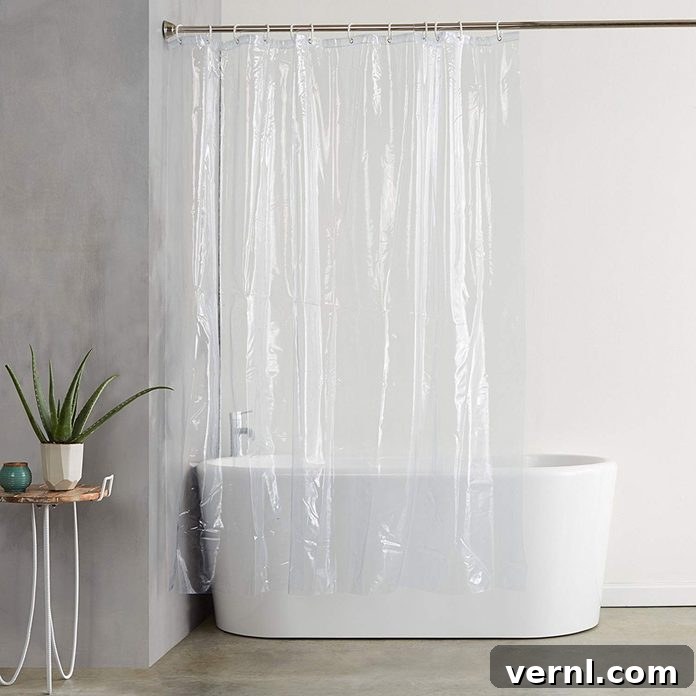
The Ultimate Guide to Cleaning Your Shower Curtain Liner: Say Goodbye to Mold and Mildew
It’s an all too familiar scenario for many homeowners: you step into your bathroom, and your eyes are drawn to that unsightly, discolored, or even mold-speckled shower curtain liner. Despite its vital role in keeping your bathroom floor dry, the shower curtain liner often becomes a silent battleground against humidity, soap scum, body oils, and stubborn mildew. This constant exposure creates a perfect breeding ground for grime, quickly transforming a fresh liner into an unappealing addition to your bathroom decor.
For years, the immediate response to a dirty liner has often been to simply toss it out and buy a new one. However, this approach is not only a recurring expense but also contributes significantly to environmental waste. What if there was a better way? What if you could restore your shower curtain liner to its former glory, extending its lifespan and maintaining a cleaner, healthier bathroom without constantly reaching for your wallet?
The good news is that most plastic and vinyl shower curtain liners are not meant to be single-use items. With a few simple techniques and common household ingredients, you can effectively tackle even the toughest stains, odors, and mildew, bringing your liner back to a pristine condition. This guide will walk you through powerful, easy-to-follow methods that leverage the cleaning prowess of baking soda, vinegar, and bleach, ensuring your shower curtain liner remains a fresh and functional part of your bathroom for much longer. Beyond just cleaning, we’ll also cover crucial maintenance tips to prevent future buildup, saving you time, money, and contributing to a more sustainable home.
Comprehensive Strategies for Deep Cleaning Your Shower Curtain Liner
Understanding why your shower curtain liner gets dirty is the first step towards effective cleaning and prevention. The bathroom’s naturally humid environment, combined with constant exposure to water, soap residue, and body products, creates an ideal habitat for mold and mildew spores to thrive. Hard water minerals can also leave behind unsightly deposits, making your liner look dull and unclean. Fortunately, with the right approach, you can combat these issues efficiently.
Optimal Cleaning Frequency
While there’s no strict rule, aiming to clean your shower curtain liner every 1 to 3 months is generally recommended. This frequency can vary based on your bathroom’s ventilation, the number of showers taken, and the visible accumulation of dirt or mildew. If you start to notice discoloration, a musty smell, or visible spots of grime, it’s a clear signal that it’s time for a wash, regardless of your schedule. Regular cleaning prevents stains from setting in deeply, making each cleaning session quicker and more effective.
Essential Preparation Steps for Washing Machine Cleaning
Before you even think about detergents and cycles, a little preparation goes a long way in achieving the best results and protecting your liner:
- Careful Removal: Gently detach your shower curtain liner from the hooks or rings on your shower rod. It’s often easiest to do this directly over the bathtub or shower base to catch any drips and prevent water from spilling onto your bathroom floor.
- Initial Shake-Out: Give the liner a good shake outside to remove any loose debris, hair, or surface dust that might be clinging to it. This prevents these particles from clogging your washing machine or redepositing on the liner.
- Pre-Treating Stubborn Spots: For areas with heavy mold, concentrated soap scum, or mineral deposits, a pre-treatment can be incredibly beneficial. You can create a thick paste of baking soda and a small amount of water, gently applying it to the problem areas with a soft brush or sponge. Alternatively, spray the spots with undiluted white vinegar. Allow the pre-treatment to sit for about 15-20 minutes before loading the liner into the washing machine. This helps to loosen and break down the grime, making the washing machine’s job easier.
- Gather Your Bath Towels: This is a crucial, often overlooked step. For all washing machine methods involving plastic or vinyl liners, include two old bath towels in the load. These towels serve multiple purposes:
- They provide a gentle abrasive action against the liner, effectively scrubbing away dirt and grime without damaging the delicate plastic.
- They help prevent the plastic liner from crinkling or bunching up excessively during the agitation cycles, ensuring a more even clean.
- They help balance the load in your washing machine, reducing wear and tear on the appliance.
- When using bleach, opt for old, light-colored towels that you don’t mind potentially discoloring.
With these preparation steps complete, your shower curtain liner is ready for a thorough cleaning. Let’s delve into the specific methods that utilize common household ingredients for sparkling results.
Method 1: The All-Natural Power of Baking Soda and White Vinegar
For those who prefer an eco-friendly approach or have sensitivities to harsh chemicals, the combination of baking soda and white vinegar is an incredibly effective and safe solution for cleaning plastic and vinyl shower curtain liners. Baking soda acts as a natural deodorizer and a mild abrasive, perfect for lifting soap scum and brightening the material. White vinegar, with its acetic acid content, is a powerful natural disinfectant, mildew killer, and dissolves hard water stains and soap residue beautifully.
Materials You’ll Need:
- 1/2 cup baking soda
- 1/2 cup white vinegar
- A small amount of your regular liquid laundry detergent (approx. half of a normal load’s measure)
- Two old bath towels
Step-by-Step Cleaning Process:
- Load Your Machine: Place the dirty plastic or vinyl shower curtain liner into your washing machine. Add the two old bath towels alongside it. These towels are essential for providing a gentle scrubbing action and preventing the liner from tangling.
- Add Cleaning Agents: Pour your reduced amount of liquid laundry detergent into its designated dispenser. Then, add 1/2 cup of baking soda directly into the washing machine drum with the liner and towels.
- Select the Right Cycle: Choose a “gentle” or “delicate” wash cycle on your machine. For water temperature, warm water is ideal as it helps to dissolve dirt and activate the cleaning properties of the baking soda and detergent more effectively. Avoid very hot water, which can damage plastic.
- Initiate Wash Cycle: Start the washing machine.
- Introduce Vinegar During Rinse: Once the machine transitions into the rinse cycle, carefully add 1/2 cup of white vinegar. You can pour it into the fabric softener dispenser if available, or directly into the drum if your machine allows. The vinegar will work during the rinse to break down any remaining soap scum, sanitize the liner, and leave it smelling fresh without a strong vinegar odor once dry.
- Crucial Drying Phase: After the wash and rinse cycles are complete, it is absolutely vital that you **do not place your plastic or vinyl shower curtain liner in a clothes dryer.** The high heat will almost certainly melt, warp, or severely crinkle the plastic, rendering it unusable. Instead, promptly remove the liner from the washer and hang it immediately back on your shower rod or a clothesline. Allow it to air dry completely. Ensure the bathroom is well-ventilated during this process by running the exhaust fan or opening a window to prevent new mildew from forming.
This method is fantastic for routine cleaning and for tackling light to moderate mildew and soap scum, providing excellent results without resorting to harsh chemicals.
Method 2: Utilizing Chlorine Bleach for Stubborn Stains and Deep Sanitization
When faced with severe mold, heavily ingrained stains, or a liner that simply doesn’t respond to gentler methods, chlorine bleach can be your most powerful ally. Bleach is an incredibly effective disinfectant and whitener, capable of killing resilient mold spores and lifting tough discoloration. However, its potency necessitates careful and safe usage.
Materials You’ll Need:
- 1/2 cup chlorine bleach (standard household bleach)
- 1/4 cup liquid laundry detergent
- Two old bath towels (ideally white or light-colored, as bleach can cause color fading)
Step-by-Step Deep Cleaning Process:
- Pre-Dilute and Mix: Before adding your liner, pour 1/2 cup of chlorine bleach and 1/4 cup of liquid laundry detergent into your washing machine. Start the washer and let it run for a couple of minutes to allow these agents to thoroughly mix and dilute in the water. This step is important to prevent concentrated bleach from directly contacting and potentially damaging the liner.
- Load the Washer: Once the water has filled and the solution is well-mixed, carefully place your plastic or vinyl shower curtain liner and the two bath towels into the drum. The towels will continue to provide protective agitation and scrubbing action.
- Set Wash Cycle: Select a “warm water” setting for the wash cycle. Warm water enhances bleach’s effectiveness in breaking down stains and killing microbes. For heavily stained liners, a “regular” or “heavy duty” cycle can be used, but always monitor the liner to ensure it’s not being agitated too aggressively.
- Complete Wash and Rinse: Allow the washing machine to complete its full wash and rinse cycles. Thorough rinsing is particularly important when using bleach to ensure all chemical residues are removed from the liner.
- Controlled Drying: After the wash, you have a slightly different drying option with bleach-cleaned plastic liners. You can place the shower curtain liner and towels into the dryer on the **lowest possible temperature setting for a very short duration, typically no more than 10 minutes.** This brief, low-heat exposure can help to remove initial moisture and reduce stiffness. **However, it is absolutely crucial to remove the liner immediately after this short period and hang it to air dry completely.** Prolonged exposure to even low heat can still cause melting, warping, or permanent creasing. Ensure good ventilation in the area where it hangs to facilitate complete drying.
Essential Safety Precautions for Using Bleach:
- Adequate Ventilation: Always use bleach in a well-ventilated area. Open windows and turn on your bathroom exhaust fan to disperse fumes.
- Never Mix Chemicals: Do not ever mix bleach with ammonia-based cleaners, vinegar, or any other household chemicals, as this can create dangerous toxic gases.
- Protect Fabrics: Be aware that bleach can strip color from fabrics. Use old towels you’re willing to sacrifice, especially if they are colored.
- Personal Protection: Consider wearing rubber gloves to protect your hands when handling concentrated bleach.
The bleach method is highly effective for sanitization and whitening, but it should be reserved for the toughest jobs due to its potent nature.
Method 3: Enhanced Vinegar and Baking Soda Combo for Tougher Grime
This method builds upon the natural cleaning power of baking soda and vinegar, but with a slightly altered sequence that maximizes their combined effect, especially when dealing with stubborn mildew and hard water spots. By introducing both agents early in the cycle, you leverage their fizzing reaction to actively lift and dissolve grime from the liner’s surface.
Materials You’ll Need:
- 1/2 cup white vinegar
- 1/2 cup baking soda
- 1/2 cup liquid laundry detergent
- Two old bath towels
Step-by-Step Cleaning Process:
- Load the Machine: Place your plastic or vinyl shower curtain liner into the washing machine along with the two old bath towels.
- Add All Cleaning Agents: Add 1/2 cup of liquid laundry detergent, 1/2 cup of baking soda, and 1/2 cup of white vinegar directly into the washing machine drum. Adding them together allows the immediate fizzing chemical reaction to start working on the grime as the water fills.
- Select Wash Cycle: Choose a “regular” or “heavy-duty” cycle with warm water. The increased agitation from these cycles, combined with the active fizzing of the cleaning agents, is highly effective for breaking down stubborn mildew, soap scum, and mineral deposits.
- Boost the Rinse Cycle: Allow the machine to complete its main wash cycle. As the machine begins its **first rinse cycle**, add an additional 1 cup of white vinegar. This ensures a powerful, thorough rinse that will further combat any remaining mildew, neutralize odors, and provide a final polish against hard water stains.
- Crucial Spin Cycle Interruption: This is a key difference in this method. **Before the washing machine enters its high-speed spin cycle, pause it and carefully remove the shower curtain liner.** The intense spinning can cause plastic liners to become severely wrinkled, creased, or even damaged, making them difficult to smooth out later.
- Air Drying: Immediately hang the liner back on your shower rod or a clothesline to air dry completely. As always, ensure proper ventilation in the bathroom to prevent new mildew growth.
This method is particularly potent for tackling significant buildup due to the initial synergistic action of baking soda and vinegar, followed by a powerful vinegar rinse, and careful handling during drying.
Essential Maintenance and Prevention Tips for a Longer-Lasting Liner
Cleaning your shower curtain liner is a great start, but adopting preventative habits is crucial for extending its life and significantly reducing the frequency of deep cleaning. A few simple adjustments to your daily routine can make a world of difference in keeping your liner fresh and pristine.
1. Maximize Bathroom Ventilation
Humidity is the primary enemy of a clean shower liner. Mold and mildew thrive in moist, stagnant air. Combat this by:
- Using the Exhaust Fan: Always turn on your bathroom exhaust fan during your shower and leave it running for at least 15-30 minutes afterward to draw out moisture.
- Opening a Window: If your bathroom has a window, crack it open slightly after showering to allow steam to escape and fresh air to circulate, significantly reducing humidity levels.
- Leaving the Shower Door/Curtain Open: Never trap moisture by keeping your shower door closed or your curtain tightly scrunched. After each shower, pull the shower curtain liner fully extended across the rod. This allows air to circulate around both sides, promoting faster drying and preventing moisture from getting trapped in folds.
2. Spread and Dry After Every Use
This simple habit can prevent a multitude of problems. After every shower, take a moment to fully extend your shower curtain liner along the rod. This ensures it airs out evenly and quickly, preventing water from pooling in creases – a prime breeding ground for mildew.
3. Implement Quick Wipes and Preventative Sprays
- Daily Quick Wipe: A swift wipe of the bottom edge of the liner with a dry towel after showering can drastically reduce water accumulation and prevent soap scum from building up.
- Weekly Preventative Spray: Keep a spray bottle filled with a 50/50 mixture of white vinegar and water (you can add a few drops of essential oils like tea tree, eucalyptus, or lavender for a pleasant scent and added antimicrobial properties) near your shower. Once a week, lightly mist the inside surface of your liner. This acts as an ongoing preventative measure against mildew and soap scum without requiring a full wash.
4. Invest in a Mildew-Resistant Liner
When the time eventually comes to replace your liner, consider opting for one specifically designed to resist mildew. Many modern liners are treated with antimicrobial agents or are made from materials such as PEVA (polyethylene vinyl acetate), which are often more eco-friendly and naturally less prone to mildew and unpleasant odors than traditional PVC liners.
5. Address Hard Water Stains Promptly
In areas with hard water, mineral deposits can accumulate rapidly. Don’t let them set in. Regular wiping with a vinegar solution (as described above) can effectively prevent these stains from becoming unsightly and difficult to remove later.
Knowing When It’s Time to Replace Your Shower Curtain Liner
While these cleaning and maintenance tips can dramatically extend the life of your shower curtain liner, there will inevitably come a point when replacement is the most practical option. Look for these signs that your liner has reached the end of its useful life:
- Irreparable Damage: Significant tears, rips, or large holes that compromise its ability to contain water effectively.
- Permanent Stains and Odors: If, despite repeated and thorough cleaning efforts, dark, ingrained stains persist, or a persistent musty odor cannot be eliminated.
- Material Deterioration: The plastic becoming brittle, excessively stiff, developing a permanently sticky texture, or showing signs of cracking that no longer respond to cleaning.
A good quality, well-maintained shower curtain liner can typically last anywhere from 6 months to over a year, significantly longer than if it were regularly discarded due to neglect.
Conclusion: Embrace a Cleaner, Greener Bathroom
A clean and fresh shower curtain liner is more than just an aesthetic detail; it’s fundamental to maintaining a hygienic, inviting, and pleasant bathroom environment. By adopting these straightforward yet highly effective washing machine techniques, coupled with diligent preventative habits, you can confidently banish unsightly mold, stubborn mildew, and pesky soap scum for good. There’s no longer a need for the wasteful and costly cycle of constant replacements.
Empower yourself with these cleaning solutions – whether you choose the gentle yet effective baking soda and vinegar, the powerful sanitizing action of bleach, or a robust combination. Select the method that best suits the condition of your liner and your personal preference for cleaning agents. Invest a little time and effort into your shower curtain liner, and you’ll be rewarded with a longer-lasting, cleaner, and healthier shower experience every single day. Transform your bathroom into a sanctuary of freshness, one clean liner at a time.