
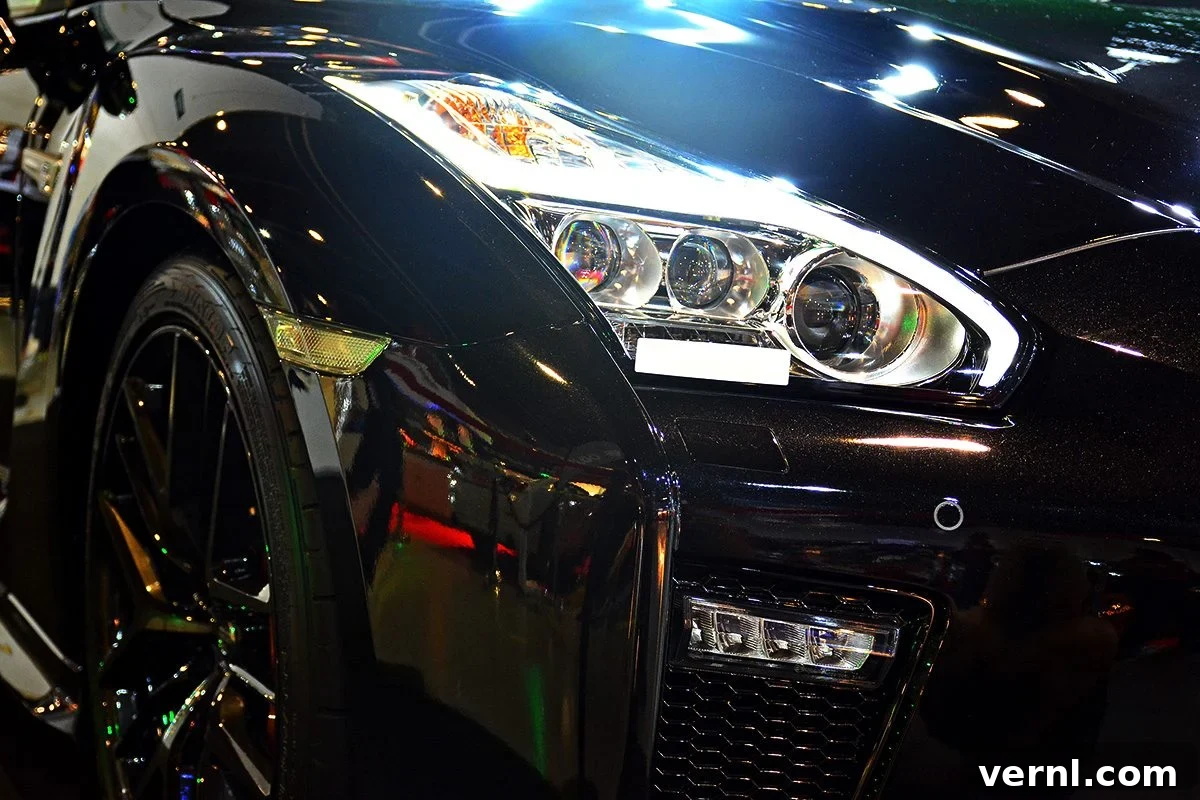
Navigating the Legality of Aftermarket Car Lights: Your Comprehensive Guide to Customization and Compliance
The landscape of automotive lighting has undergone a revolutionary transformation since the 1960s, when drivers were largely limited to basic off-road light bars, fog lamps, spotlights, and simple dyed bulbs. Today, the aftermarket offers an astonishing array of customizable options, from vibrant LED underglow kits to precision-engineered headlight bulbs, tinted lenses, and elaborate bumper light systems. These modifications allow vehicle owners to enhance visibility, elevate their vehicle’s aesthetic, and infuse a touch of personal flair. However, the allure of customization comes with a critical caveat: a complex web of legal limitations. Understanding these regulations is paramount before investing time and money, as non-compliance can lead to severe consequences.
This comprehensive guide, informed by insights from an aftermarket lighting expert and a certified vehicle safety inspector, delves into the intricacies of automotive lighting laws. We’ll clarify what modifications are generally permissible on public roads and which are strictly prohibited, helping you avoid costly fines, failed inspections, and unwanted encounters with law enforcement.
Understanding Permissible Aftermarket Lighting Modifications
When considering aftermarket lighting, adherence to federal Motor Vehicle Safety Standards (FMVSS) is the golden rule for on-road legality. John Marsh from Tint World, a specialist in automotive accessories, explains, “Lights that meet federal Motor Vehicle Safety Standards are legal for on-road use. This encompasses factory-installed headlights, taillights, turn signals, and any Department of Transportation (DOT) compliant replacements.” This certification is crucial, indicating that a product has been rigorously tested and meets safety and performance criteria.
Marsh further elaborates on auxiliary lighting, such as fog lights, driving lights, and off-road light bars. “These can be installed as long as they are properly aimed, use approved colors [typically white or amber for the front, and red for the rear], and are either turned off or covered when driving on public roads.” This distinction is particularly vital for lights that boast extreme brightness or colors that fall outside standard regulations, often labeled for “off-road use only.” Operating such lights on public thoroughfares can significantly impair the vision of other drivers and lead to immediate legal issues.
It’s also imperative to recognize that automotive lighting laws are not uniform across the nation. Joe Simes, a Pennsylvania DOT-certified safety inspection technician, highlights this variability: “Each state has different laws for car lights.” This means that what’s legal in one state might be prohibited in another. To preempt any legal complications and ensure compliance with state-specific vehicle inspection regulations, a thorough investigation into your local and state laws is an indispensable first step before embarking on any aftermarket lighting installation.
Prohibited Car Lights: What to Avoid on Public Roads
While personalizing your vehicle is appealing, certain lighting modifications are universally or widely prohibited due to safety concerns and the potential to confuse or distract other drivers, particularly emergency personnel. John Marsh firmly states, “Blue or red front-facing, or blinking underglow lights, that can be confused with emergency vehicles, are not permitted for street use.” The rationale is clear: any lighting that mimics police, fire, or ambulance vehicles poses a serious risk to public safety by potentially misleading drivers and delaying emergency response.
Beyond color, specific light behaviors are also illegal. Flashing, rotating, or strobe lights – whether exterior or visible from the exterior – are almost universally prohibited on public roads for non-emergency vehicles. Similarly, any aftermarket lights or devices that obstruct the visibility or functionality of original equipment manufacturer (OEM) or DOT-required lights and lamps are strictly illegal. This includes tinted covers that diminish light output or physical obstructions. It’s worth noting that specialized vehicles like snowplows and construction equipment operate under their own distinct sets of regulations, reflecting their unique operational requirements.
Understanding the Rules for Popular Aesthetic Lighting
The popularity of multicolored LED underglow, under-chassis, wheel well, and engine compartment lighting, alongside halo-style aftermarket lighting, has surged. However, their use on public roads is highly restricted. As highlighted by Lighting Trendz, a leading resource on automotive lighting, “No state in the U.S. allows color-changing exterior lights while driving on public roads.” The vibrant, dynamic displays offered by these systems are typically only permitted when the vehicle is stationary or showcased at car exhibitions. This restriction is primarily to prevent driver distraction and maintain clear visual cues for traffic. Furthermore, federal vehicle safety statutes set limits on brightness; extremely bright lights exceeding 3,000 candelas (cd) are illegal. To put this in perspective, one candela approximately equals the light output of a single candle.
Other specific types of aftermarket lighting modifications that are generally not allowed include:
- Blue or Green Headlights: These colors are illegal in most states. Joe Simes clarifies, “Different shades and colors of white lighting are usually not allowed unless originally installed on the vehicle at the factory.” The consistent use of white or amber for headlights helps prevent confusion and maintains predictable road illumination for all drivers.
- Brake Lights Other Than Red: Brake lights serve a critical safety function by signaling deceleration or stopping. For this reason, all brake lights, regardless of vehicle type, must be red to ensure immediate and universal recognition.
- Tinted, Blacked Out, or Non-Approved Colored Taillights: Any modification that reduces the brightness or reflectivity of taillights, or changes their color (e.g., blue, green, white, purple), is illegal in most states. Taillights, like brake lights, are crucial for signaling your vehicle’s presence and actions to following drivers.
- Interior Flashing Lights: If visible from outside the vehicle, interior flashing lights can be highly distracting to other drivers and are largely prohibited for non-emergency vehicles.
NOTE: While rear turn signals can be amber or red, it is critical that both taillight colors on your vehicle match to ensure consistency and clarity for other road users.
The Critical Role of Safety and Visibility
“Improperly installed or overly bright lighting can create glare and significantly reduce visibility for other drivers, especially if the beam patterns are misaligned,” warns John Marsh. This glare is not just an inconvenience; it can temporarily blind oncoming drivers, leading to dangerous situations and increasing the risk of accidents. Conversely, Marsh notes, “inadequate lighting or poor-quality bulbs can severely diminish a driver’s own visibility when driving at night or in adverse weather conditions,” compromising their ability to react to hazards.
Joe Simes emphasizes the importance of precision: “All headlights, driving lights, and auxiliary lighting must be properly aimed and adjusted.” Correctly aligned low and high beams, coupled with approved lighting components, are fundamental to driving safety. They ensure that the road ahead is optimally illuminated without casting blinding light into the eyes of oncoming traffic. This meticulous attention to aiming not only enhances the driver’s ability to see and react but also significantly contributes to preventing collisions, creating a safer driving environment for everyone.
What Happens If You Drive With Illegal Lights?
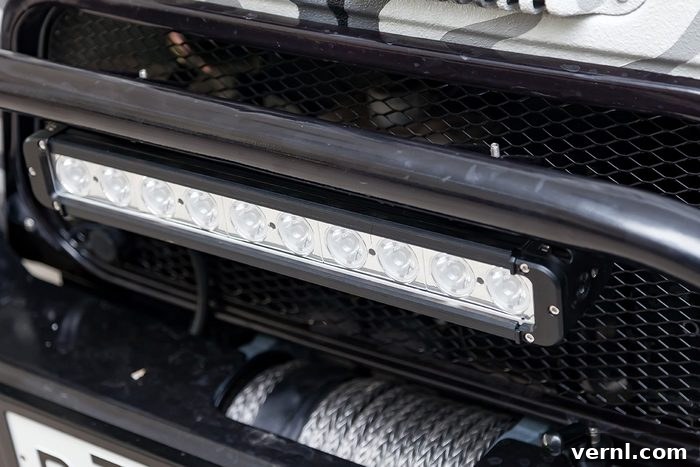
The consequences of driving with illegal aftermarket lights can range from minor inconveniences to severe legal repercussions. In many instances, an initial infraction might result in a verbal warning or a “fix-it” ticket, requiring you to rectify the lighting issue within a specified timeframe. However, depending on the severity of the violation and local regulations, common outcomes include being cited for a moving violation, incurring substantial fines, and in some states, having “points” added to your driving record. Accumulating points can lead to increased insurance premiums or even license suspension. Furthermore, vehicles with non-compliant lighting will almost certainly fail their annual safety inspections, necessitating immediate and often costly modifications to become roadworthy again.
Joe Simes highlights the more extreme possibilities: “In extreme cases, a vehicle having flashing red or blue lights that could be considered imitating an emergency vehicle or impersonating law enforcement can lead to your vehicle being impounded or your arrest.” Such serious charges can have lasting impacts, including criminal records, significant legal fees, and the permanent loss of your vehicle. Beyond the legal penalties, the sheer headache of dealing with these consequences – including the financial outlay for legal representation, impound fees, and having to reverse expensive modifications – makes careful adherence to lighting laws a prudent choice.
Ensuring Legal Compliance with Aftermarket Lighting
To avoid potential issues with law enforcement and ensure compliance with vehicle safety inspection regulations, proactive research and informed purchasing decisions are key. Before installing any aftermarket lighting components, thoroughly investigate the appropriate laws and regulations specific to your state and municipality. Local ordinances can sometimes be stricter than state laws, so it’s essential to be aware of all applicable rules.
When purchasing aftermarket lighting, always deal with reputable retailers who possess in-depth knowledge of local and federal laws. These retailers can guide you toward products that meet legal requirements and ensure your modifications are compliant. Look for components that are clearly marked with certifications that signify adherence to rigorous safety and design standards:
- Certified Components: Lighting, bulbs, and entire headlamp assemblies that are clearly marked “DOT” (Department of Transportation) or “SAE” (formerly Society of Automotive Engineers) certified meet Federal Regulations Codes. Such certifications are critical, as they signify that the product has been tested and approved for use on public roads, making them legal in all 50 states.
- Proper Safety Standards: Ensure that any lighting kit or component you purchase adheres to legal safety standards for brightness, beam pattern, and color. Excessively bright lights can blind other drivers, while improper beam patterns can reduce your own visibility and create dangerous glare.
- “Off-Road Use Only” Labeling: Be highly cautious of lighting kits and components explicitly labeled for “off-road use only.” These products are designed for non-public road environments and are almost certainly illegal for street use due to their intensity or specific characteristics.
- Legal Colors: Familiarize yourself with the legal color requirements for different lighting applications:
- Headlights: Exclusively white.
- Stop Lights: Exclusively red.
- Taillights: Exclusively red.
- Turn Signals: Amber (front and rear) or red (rear only).
- License Plate Lights: Exclusively white.
- Prohibited Flashing Lights: Reiterate the strict prohibition on flashing red or blue underglow or interior lighting, as these are reserved for emergency vehicles.
- Supplemental Lighting: Understand the regulations pertaining to chassis, wheel well, engine compartment, and other supplemental or non-OEM lighting. In most cases, if these lights are visible from the outside while driving, they must be static and conform to approved colors.
Frequently Asked Questions (FAQ) About Aftermarket Car Lighting
Are LED headlight conversions legal?
Generally, yes, but with important stipulations. John Marsh explains, “When an entire headlight assembly [the capsule that houses the headlight bulbs] is engineered, tested, and marked as DOT/SAE compliant, LED headlights are legal replacements for Halogen or Xenon (high-intensity discharge (HID) headlight bulbs.” The key here is the *entire assembly*, not just swapping a halogen bulb for an LED one in a housing designed for halogen. Reputable companies like ORACLE Lighting specialize in manufacturing assemblies with “precision optics, proper beam cutoff, and test their LED conversion components to meet DOT approval for your specific vehicle.” This ensures that the light produced is not only bright but also distributed correctly, illuminating the road clearly without blinding other drivers and adhering to federal lighting codes.
Joe Simes reinforces this, advising consumers to “look for replacement headlights that meet federal regulations, making them legal in all 50 states.” This emphasis on federal compliance is paramount for legality and safety.
PRO TIP: Proper aiming is non-negotiable for any headlight, especially for LED conversions. Simes warns, “An LED headlamp assembly CANNOT be properly aimed using an aiming device designed only to aim halogen headlights.” LED light sources behave differently than filament bulbs, requiring specialized aiming equipment to ensure their beam patterns are correctly aligned and do not create dangerous glare.
Will aftermarket headlights void my warranty?
The impact of aftermarket headlights on your vehicle’s warranty can vary. All original equipment manufacturers (OEMs) have their own specific warranty policies and rules regarding modifications. Naturally, an OEM will not cover the replacement of aftermarket headlight bulbs or assemblies under the factory warranty. More significantly, Joe Simes clarifies, “If a [aftermarket] headlight causes a problem or failure with another component or wiring [due to overheating, electrical incompatibility, or physical fitment] it may void the factory warranty for that specific component or related systems.” For example, an aftermarket headlight that draws too much power could damage the vehicle’s electrical system, or one with an improper fitment could lead to water intrusion and damage, which the OEM warranty would likely not cover. It’s always advisable to consult your vehicle’s manufacturer or dealer regarding their specific warranty policies before undertaking significant aftermarket modifications.
About the Experts
- Joe Simes has over 20 years of experience as an ASE and Toyota Master Technician. Joe is a PennDOT certified emissions and safety inspection instructor and inspector, and a Pennsylvania Department of Education certified automotive technology instructor atNorth Montco Technical Career Center in Lansdale, PA. He also served as the former (retired) deputy fire chief and training officer for Montgomery County, PA. (In person and email interviews, Oct 9 and 15, 2025)
- John Marsh currently serves as direct contact for all vendor partnerships and compliance with all applicable state and federal regulations and policies at Tint World since 2021. Before that, John served as COO and Franchise Developer Partner for other organizations. His extensive experience within the electronics industry stems from his previous business ownership experience, as well as a personal love and passion for all things automotive aftermarket. (Electronic communication, Oct 16, 2025)
Resources
- Code of Federal Regulations: “Lamps and reflective devices” (Sept 29, 2025)
- Commonwealth of Pennsylvania, “Vehicle Equipment And Inspection Regulations” (Oct 16 2025)
- Driving Laws: “Can I Legally Customize my Car Lights?” (Oct 17, 2025)
- Lighting Trendz: “Automotive LED Lighting Laws by State (2025 Guide)” (Oct 1, 2025)
- U.S. Department of Transportation, National Highway Traffic Safety Administration: “FMVSS 108 Lamps, Reflective Devices, and Associated Equipment” (Oct 15, 2025)
Related
- Do You Know What That Little Button on Your Seat Belt Is For?
- What Those Lines on Your Backup Camera Really Tell You
- Here’s What The Small Panel On Your Car’s Front Bumper Is For