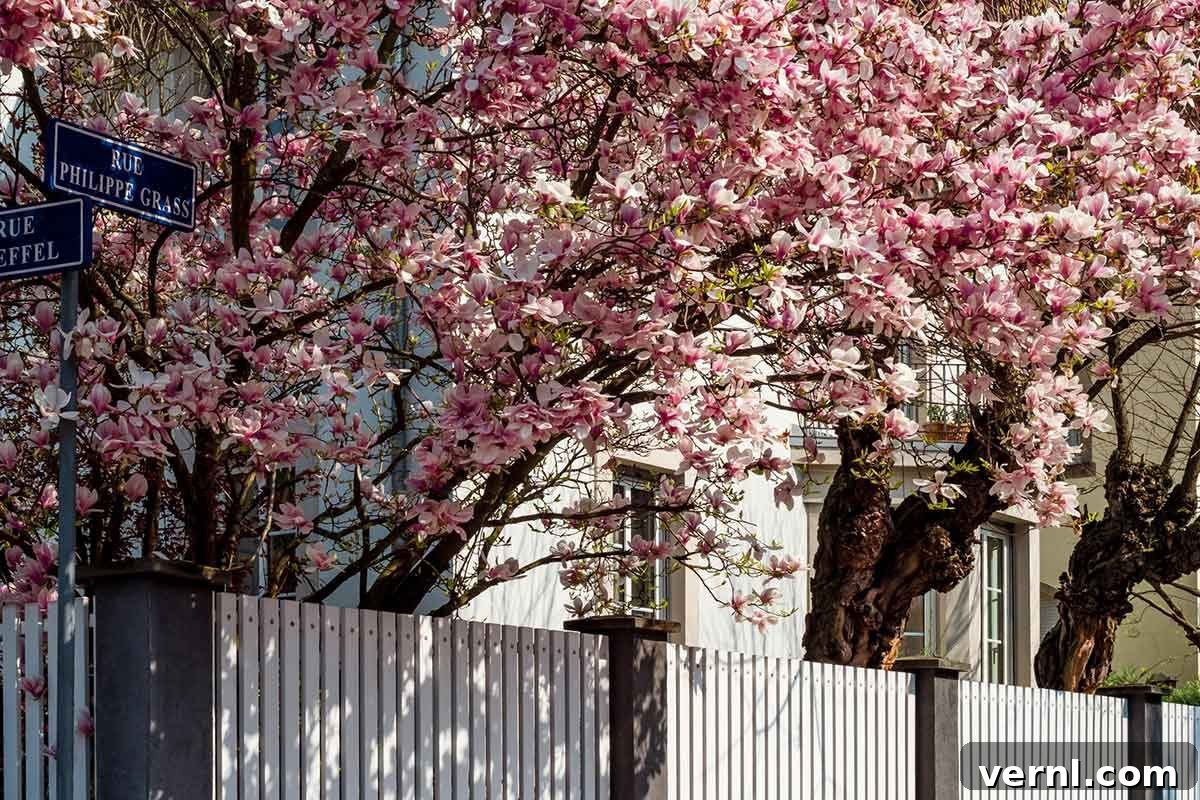
Magnolia trees, with their magnificent blooms and stately presence, stand as living testaments to an ancient botanical lineage. Fossilized specimens suggest their existence dates back an astounding 20 million years, predating even the emergence of bees and most winged pollinators. In those primeval times, these resilient trees relied on beetles for their vital pollination, showcasing their extraordinary adaptability and evolutionary success.
In contemporary landscapes, magnolia trees are cherished not only for their breathtakingly large, exquisitely fragrant, and undeniably gorgeous flowers but also for their diverse culinary and medicinal applications in various cultures. Beyond their aesthetic appeal, magnolias are remarkably low-maintenance, exhibiting strong resistance to most common pests and diseases. They offer a captivating display of beauty throughout the year, making them an ideal choice for enhancing any outdoor space. If you’re considering introducing these spectacular flowering plants to your landscape, this comprehensive guide will walk you through everything you need to know, from planting to propagation.
Unveiling the Timeless Beauty of Magnolia Trees
The genus Magnolia encompasses over 200 distinct species of flowering trees and shrubs, all celebrated for their iconic flowers. These blooms typically unfurl in stunning bowl or star shapes, gracing the landscape with sporadic yet prolific bursts of color from mid-March through April. The blossoms exhibit an impressive palette, ranging from pure white and creamy yellow to vibrant green, rich purple, and delicate pink. While some varieties may bless you with flowers within a few years, it’s worth noting that certain magnolias might take up to 15 years to reach flowering maturity, a testament to their enduring life cycle.
Beyond their captivating flowers, magnolia trees boast large, glossy, and vibrant green leaves that contribute significantly to their aesthetic value. Depending on the specific type of magnolia tree, they can be categorized into two main groups: deciduous magnolias, which shed their leaves every fall, and evergreen magnolias, which retain their foliage throughout the year, offering continuous greenery. Both deciduous and evergreen varieties exhibit remarkable variability in size, with mature trees capable of reaching heights anywhere from a compact 10 feet to a towering 100 feet, depending on the particular species and growing conditions.
Diverse Magnolia Varieties to Adorn Your Garden
Choosing the right magnolia variety is key to successful cultivation. Here are a few popular types, each with its unique charm:
- Southern Magnolia (Magnolia grandiflora): Perhaps the most iconic evergreen magnolia, known for its large, fragrant white flowers and glossy, dark green leaves with rusty undersides. It’s a stately tree, often reaching 60-80 feet tall, ideal for warmer climates (USDA Zones 7-9).
- Star Magnolia (Magnolia stellata): A smaller, deciduous magnolia, perfect for smaller gardens. It produces an abundance of delicate, star-shaped white or pinkish flowers in early spring, often before its leaves emerge. It typically grows 15-20 feet tall and is hardy in Zones 4-8.
- Saucer Magnolia (Magnolia x soulangeana): A highly popular deciduous hybrid, celebrated for its large, cup-shaped flowers that bloom in shades of white, pink, and purple. It forms a rounded tree or large shrub, reaching 20-30 feet, and thrives in Zones 4-9.
- Sweetbay Magnolia (Magnolia virginiana): A versatile semi-evergreen to deciduous magnolia, depending on the climate. It produces creamy white, lemon-scented flowers and has attractive, silvery-green foliage. It can grow as a multi-stemmed shrub or small tree, 10-30 feet tall, and tolerates wetter soils (Zones 5-9).
- Cucumbertree Magnolia (Magnolia acuminata): A large, deciduous species native to North America, known for its green, cucumber-like fruit. While its greenish-yellow flowers are less showy than others, it’s valued for its robust growth and shade production, reaching 60-80 feet in Zones 3-8.
Ideal Growing Conditions: Where Magnolias Flourish
While magnolias are adaptable, understanding their preferred environment is crucial for optimal growth and abundant blooms. Most magnolia species are native to the warm, humid regions of the United States, thriving particularly well in the South and Southeast (USDA Plant Hardiness Zones 7 through 10). However, dedicated horticulturalists have developed hardy cultivars that can withstand temperatures down to Zone 3, ensuring that a suitable magnolia variety exists for nearly every geographical region.
Magnolia trees generally prefer locations that receive full sun, meaning at least six hours of direct sunlight per day. However, many varieties can also tolerate partial shade, especially in hotter climates where some afternoon protection can prevent leaf scorch. The ideal soil for magnolias is slightly acidic, loose, consistently moist, and exceptionally well-draining. Heavy, compacted, or alkaline soils can hinder their root development and overall health. Furthermore, magnolias’ large flowers and often brittle branches are susceptible to wind damage, making it essential to choose a planting site that offers shelter from strong, persistent winds.
Site Selection: Creating the Perfect Home for Your Magnolia
Thoughtful site selection is paramount for a thriving magnolia. Before planting, observe your chosen spot throughout the day to ensure it receives adequate sunlight. Consider the mature size of your chosen variety and ensure it has ample space to grow without crowding structures, power lines, or other plants. A location with good air circulation but protection from harsh winds, perhaps near a fence or a sturdy building, would be ideal. Performing a soil test can help determine pH and nutrient levels, allowing you to amend the soil as necessary before planting.
Planting Your Magnolia Tree: A Step-by-Step Guide
Proper planting techniques are critical for establishing a healthy, long-lived magnolia tree. Follow these steps for success:
- Choose the Right Time: The best time to plant magnolia trees is typically in early spring or early fall, allowing the roots to establish before extreme summer heat or winter cold.
- Prepare the Planting Site: Select a location with full sun to partial shade and shelter from strong winds. Ensure the soil is well-draining. Amend heavy clay soils with organic matter like compost to improve drainage and aeration.
- Dig the Hole: Dig a hole that is two to three times wider than the root ball and just as deep. The top of the root ball should be level with, or slightly above, the surrounding soil surface. This prevents waterlogging around the trunk.
- Prepare the Tree: Gently remove the magnolia from its container. If the roots are circling the pot, carefully tease them apart or make a few vertical cuts with a clean knife to encourage outward growth.
- Place the Tree: Center the tree in the hole, ensuring it stands straight. Check that the root flare (where the trunk widens at the base) is exposed at ground level.
- Backfill the Hole: Begin backfilling the hole with the original soil, gently tamping it down to remove large air pockets. Avoid compacting the soil too much, as this can impede root growth.
- Water Thoroughly: Once the hole is half-filled, water generously to help settle the soil around the roots. Finish backfilling and water again until the soil is thoroughly moist.
- Mulch: Apply a two- to four-inch layer of organic mulch (such as wood chips or pine bark) around the base of the tree, extending to the drip line. Keep the mulch a few inches away from the trunk to prevent moisture buildup and potential rot.
Comprehensive Magnolia Tree Care for Vibrant Growth
Magnolia trees, especially the evergreen varieties, are often celebrated for being relatively trouble-free and low-maintenance once established. However, providing attentive care during their initial establishment and consistent nurturing throughout their life will ensure they thrive and produce their spectacular blooms year after year.
Watering Magnolias: Ensuring Optimal Hydration
- Newly Planted Trees: Consistent moisture is vital for young magnolia trees. Water newly planted trees two to three times per week for the first three to six months, especially during dry periods. The goal is to keep the soil consistently moist but not waterlogged.
- Established Trees: Mature, established magnolia trees are more drought-tolerant but still benefit from regular watering, especially during prolonged dry spells. Aim to water them once per week, ensuring deep saturation of the root zone. A good rule of thumb is to irrigate with two to three gallons of water for every inch of the trunk’s diameter, allowing the water to penetrate deeply into the soil.
- Techniques: Slow, deep watering is preferred over frequent, shallow watering. Use a soaker hose or drip irrigation to deliver water directly to the root zone, minimizing evaporation and ensuring proper absorption.
Mulching: Protecting and Nourishing the Soil
Applying a two- to four-inch layer of organic mulch around the base of your magnolia tree offers numerous benefits. Mulch helps to retain soil moisture, reduce water evaporation, suppress weed growth, and regulate soil temperature, keeping roots cool in summer and warm in winter. As the mulch decomposes, it also enriches the soil with organic matter, improving its structure and fertility. Ensure the mulch layer does not directly touch the tree’s trunk, leaving a small gap to prevent moisture-related issues.
Fertilization: Fueling Flourishing Blooms
Proper fertilization can significantly impact your magnolia’s vitality and flowering performance:
- Newly Planted Trees: It’s generally advised not to fertilize newly planted magnolia trees during their first year. This allows them to focus their energy on root establishment without the stress of excessive nutrient uptake.
- Established Trees: After the first year, feeding your tree a balanced all-purpose fertilizer (such as a 20-20-20 or similar formulation) every spring can promote robust growth and abundant flower production. Follow the manufacturer’s instructions for application rates based on the tree’s size. Alternatively, a slow-release granular fertilizer formulated for trees and shrubs can provide a steady supply of nutrients over time.
Pest and Disease Management: Keeping Your Magnolia Healthy
Magnolias are generally resilient, but like all plants, they can occasionally encounter issues. Common problems are often related to environmental stress rather than severe pest or disease outbreaks. Watch for signs of stress such as yellowing leaves, stunted growth, or unusual spots. Minor pest infestations, like aphids or scale, can often be managed with horticultural oil or insecticidal soap. Fungal diseases are less common but can occur in overly wet conditions. Ensuring good air circulation and proper watering practices are the best preventative measures.
Mastering the Art of Pruning Magnolia Trees
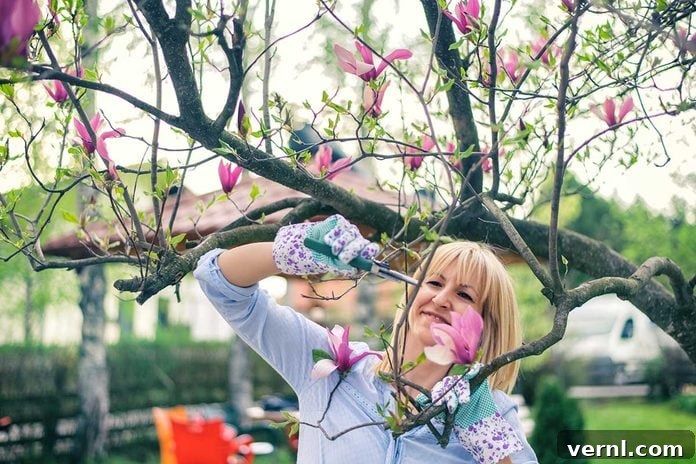
Pruning a magnolia tree is not always a mandatory task, and some horticultural experts even advise against extensive pruning, especially on mature specimens. Magnolia trees do not heal from pruning cuts as efficiently as many other tree species, and large wounds on older trees can create entry points for diseases. Nevertheless, strategic trimming of young trees can significantly promote healthy growth, establish a strong structure, and enhance their aesthetic appeal. For pruning mature trees, the focus primarily shifts to the removal of dead, diseased, or damaged branches, alongside any crossing or rubbing limbs that could cause future problems.
The optimal timing for pruning varies between magnolia types. It is generally best to trim evergreen magnolias in late spring or early summer, after their flowering period but before new growth fully hardens. Deciduous magnolias, on the other hand, benefit most from pruning between mid-summer and early fall, when they are actively growing but before winter dormancy. Always use clean, sharp bypass pruning shears for smaller branches and a pole pruner or saw for larger limbs to ensure clean cuts and minimize damage. Always disinfect your tools between cuts, especially if you suspect disease.
- Removing Suckers: Regularly inspect the base of your magnolia tree for any stems or branches growing directly from the trunk or around the tree’s base. These “suckers” can compete with the main tree for nutrients and detract from its appearance. Prune them off flush with the trunk or ground.
- Eliminating Dead or Damaged Branches: Throughout the year, remove any branches that appear dead, broken, or diseased. This not only improves the tree’s appearance but also prevents the spread of potential pathogens and reduces safety hazards. Make cuts just outside the branch collar.
- Shaping the Canopy: For young trees, judicious pruning can help establish a strong central leader and an appealing branch structure. For mature trees, trim back branches that disrupt the desired shape and balance of the canopy, or those that are growing inwards and crossing other branches. Aim to open up the canopy slightly to improve air circulation and light penetration.
Propagating Magnolia Trees: Expanding Your Garden’s Beauty
Propagating magnolia trees from semi-hardwood cuttings is a rewarding way to expand your collection or share these beautiful plants. However, it’s crucial to be aware that certain common magnolia varieties, such as the ‘Majestic Beauty,’ are patented, and propagating them at home without permission is illegal. Before embarking on the propagation process, it is always wise to verify the legality of propagating your specific magnolia variety. The ideal time to begin the propagation process is during the summer months, typically after the tree’s vigorous spring growth has matured and hardened slightly.
- Gather Materials: You will need a small nursery pot, a rooting medium (equal parts sand and peat moss), water, a sharp, clean pruning shear or knife, rooting hormone, and a plastic bag or dome to create a humid environment.
- Prepare the Potting Mix: Fill your small nursery pot with a blend of equal parts coarse sand and peat moss. Thoroughly soak the mixture with water, then allow any excess water to drain out, leaving the medium moist but not soggy.
- Select and Cut a Semi-Hardwood Section: Choose a healthy, semi-hardwood branch from the magnolia tree. This means the branch should be firm but still somewhat flexible. Cut a four- to six-inch section from the tip of the branch, ensuring the base of the cutting is roughly 1/4 inch in diameter. Avoid sections with solid green, immature bark, as these are less likely to root successfully.
- Prepare the Cutting: Remove all leaves from the bottom two inches of the cutting. With your clean knife or shears, gently scrape the bark off the bottom 1/2 inch of the cutting. This exposes the cambium layer, which is where new roots will emerge.
- Apply Rooting Hormone: Dip the prepared cut end and the exposed cambium layer into a rooting hormone. This hormone stimulates root development and significantly increases the chances of successful propagation. Tap off any excess powder.
- Plant the Cutting: Carefully insert the treated end of the cutting into the prepared nursery pot, burying the bottom two inches into the moist sand and peat moss mixture. Gently firm the mix around the cutting to ensure good contact.
- Provide Optimal Environment: Place the potted cutting in a protected outdoor area that receives bright, indirect light and morning sun. To maintain high humidity, cover the pot and cutting with a clear plastic bag or a propagation dome, ensuring the leaves do not touch the plastic.
- Monitor Root Development: Keep the sand and peat moss mixture consistently moist by watering when the top inch feels dry to the touch. After approximately one month, gently tug on the cutting. If you feel resistance, it indicates that roots have begun to form.
- Transplant to a Larger Pot: Once robust roots have developed, transfer the cutting into a larger nursery pot filled with a high-quality potting soil mix. Return it to the same protected location. Continue to grow the young magnolia in this pot for a full year, nurturing it until the following fall, allowing its root system to strengthen.
- Final Transplant to the Ground: In the fall of the following year, when the young tree is well-established, it can be transplanted into its permanent location in the ground, ensuring the chosen spot meets all the ideal environmental conditions for your specific magnolia variety.