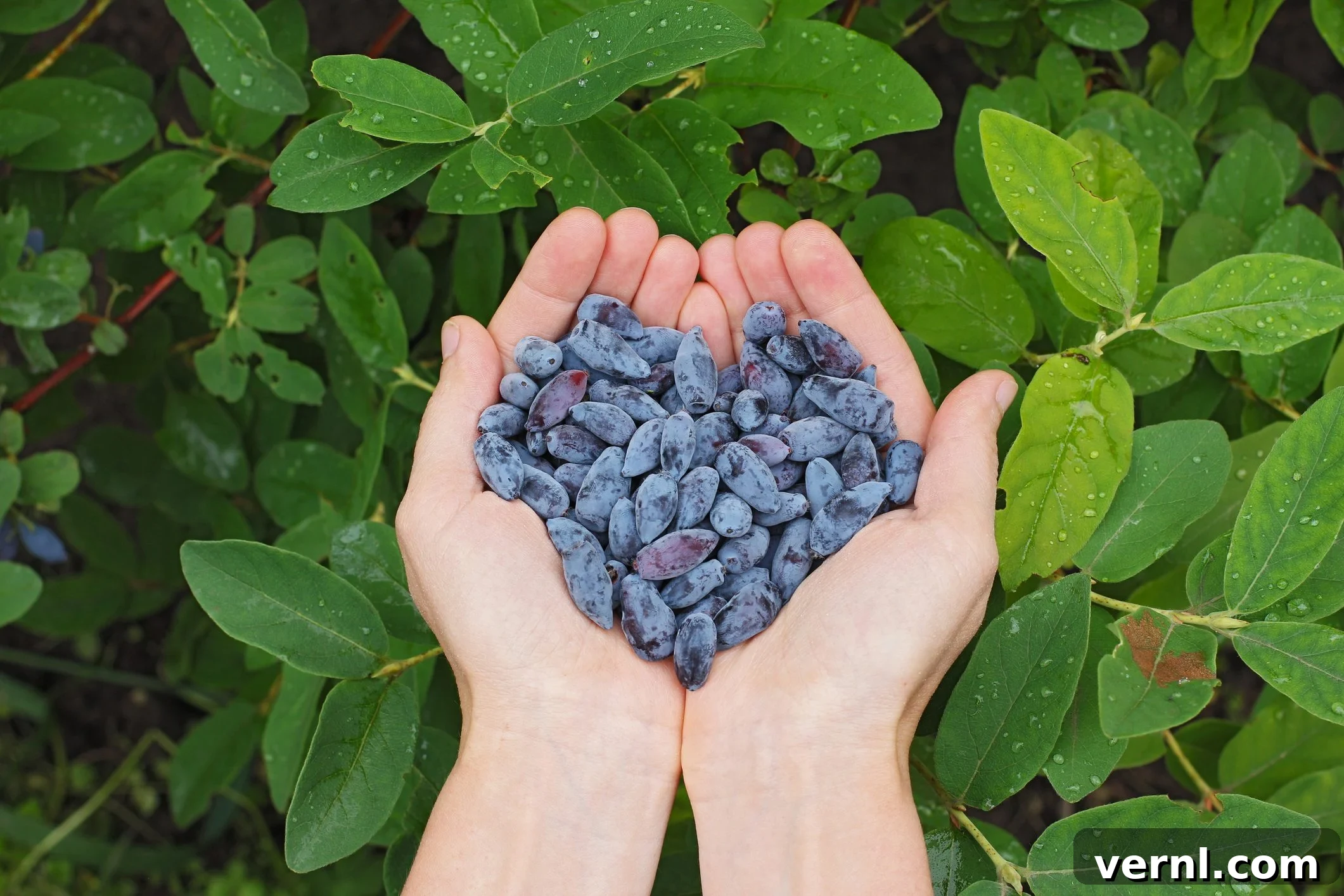
Several years ago, I embarked on a delightful gardening journey by planting two honeyberry shrubs. What started as an experiment quickly blossomed into a true passion, thanks to their remarkable ease of cultivation and the irresistible flavor of their unique fruit. Each early summer, these resilient plants reward me with an abundance of delicious, dark blue honeyberries, a treat I eagerly anticipate. Their consistent performance and low maintenance requirements have made them a cherished addition to my garden.
Whether friends and family spot their delicate yellow blooms in April, witness the emergence of the fruit a few weeks later, or simply admire them as a nice, healthy shrub, the question is always the same: “What are those?” This curiosity is a testament to the honeyberry’s distinctive charm and its relatively undiscovered status among many home gardeners. It’s a joy to introduce people to this wonderful fruit, often described as a blueberry with a tangy twist, making it a truly unforgettable experience.
What Exactly is a Honeyberry? Understanding This Unique Fruit
The honeyberry, scientifically known as Lonicera caerulea, is far more than just another berry bush; it’s a fascinating species of honeysuckle. This remarkable plant is indigenous to a vast expanse of the Northern Hemisphere, thriving in diverse regions including Europe, Russia, Asia, and North America. Its adaptability to various climates speaks volumes about its hardiness and resilience. In Japan, it has earned the delightful name “haskap,” which roughly translates to “many joys” or “berry of long life,” highlighting its cultural significance and perceived health benefits. It is also commonly referred to as “blue honeysuckle,” a descriptive name that points to its striking blue fruit and its botanical lineage.
While honeyberries have been part of natural ecosystems for centuries, the cultivars widely available to gardeners today are largely the result of extensive breeding programs. These efforts, primarily originating in Russia and Japan, have focused on enhancing fruit size, sweetness, yield, and disease resistance. Thanks to these dedicated horticulturists, modern honeyberry varieties offer superior characteristics, making them an excellent choice for home growers seeking a reliable and productive berry plant.
Beyond its botanical interest, the honeyberry plant itself is an attractive addition to any landscape. Its upright, somewhat bushy growth habit and vibrant green foliage provide year-round interest. In spring, the subtle yet charming yellow flowers emerge, often before many other plants have woken from their winter slumber, providing an early source of nectar for pollinators. This early bloom is a harbinger of the delicious fruit to come, setting the stage for a rewarding growing season.
The Distinctive Flavor Profile of Honeyberries: A Culinary Delight
Honeyberries offer a taste experience that is truly unique, standing apart from more common berries like blueberries or raspberries. Jason and Lucie Amundsen, the dedicated owners of Farm Lola, a popular pick-your-own honeyberry farm in northern Minnesota, have beautifully captured its essence. They describe honeyberries as tasting “like a blueberry had a baby with a package of SweeTARTS.” This vivid description perfectly encapsulates the berry’s complex flavor, which masterfully blends the sweet juiciness of a blueberry with an invigorating, tart zing.
Indeed, many honeyberry varieties boast a delightful tartness, especially when picked just as they turn blue. This tanginess, however, is precisely what makes them so versatile and exciting in the kitchen. While they are utterly delicious eaten fresh, particularly when fully ripe, their tart notes truly shine when combined with other fruits. Pairing them with sweeter berries, such as strawberries or raspberries, creates a harmonious balance of flavors that is simply exquisite.
The culinary applications for honeyberries are boundless. They excel as a vibrant and flavorful topping for ice cream, yogurt, or pancakes, adding a burst of color and taste. Blended into smoothies, they lend a refreshing tartness that invigorates the palate. And for those who enjoy preserves, honeyberries make exceptional jams, jellies, and sauces, their natural pectin often aiding in setting. Beyond these, consider them for pies, tarts, muffins, or even as a unique addition to savory dishes like glazes for poultry or pork. Generally, wherever you might reach for a handful of blueberries, honeyberries can step in as a delightful and more intriguing alternative, offering a gourmet twist to your favorite recipes.
Optimal Growing Conditions: Where Honeyberries Thrive
One of the most appealing characteristics of honeyberries is their remarkable hardiness and adaptability, making them an excellent choice for gardeners in challenging climates. These resilient plants are typically hardy in U.S. Department of Agriculture Plant Hardiness Zones 3 through 6. This means they can withstand extremely cold winter temperatures, often dipping well below freezing, without suffering significant damage. Furthermore, certain exceptionally robust varieties have been developed to survive even colder conditions, extending their viability into Zone 2, where winter temperatures can plummet to -40°F (-40°C) or lower. This makes them an ideal fruit crop for northern regions where other popular berries might struggle to survive.
Beyond their cold tolerance, honeyberries thrive in specific environmental conditions that are relatively easy to provide. They perform best when planted in full sun, which means they should receive at least six to eight hours of direct sunlight each day. Adequate sunlight is crucial for maximizing fruit production and ensuring the development of rich, flavorful berries. While they appreciate full sun, they can also tolerate partial shade, though yields may be slightly reduced in less sunny locations.
When it comes to soil, honeyberries prefer moist, well-drained soil. Good drainage is essential to prevent waterlogging, which can lead to root rot. However, they also need consistent moisture, especially during the fruiting period, so a soil rich in organic matter that can retain moisture is ideal. A significant advantage honeyberries hold over other popular berry crops, such as blueberries, is their less fussy nature regarding soil pH. While blueberries demand highly acidic soil, honeyberries are much more tolerant and will happily grow in a wide range of soil pH levels, from slightly acidic to slightly alkaline (pH 5.0 to 7.5). This adaptability simplifies soil preparation for many gardeners, making them a more accessible fruit choice.
For optimal growth and fruit development, it’s beneficial to amend heavy clay soils with organic matter like compost or aged manure to improve drainage and aeration. Similarly, sandy soils will benefit from organic matter to enhance water retention. Providing these conditions will ensure your honeyberry plants remain healthy, vigorous, and highly productive for many years to come.
Comprehensive Guide to Growing Honeyberries for Abundant Harvests
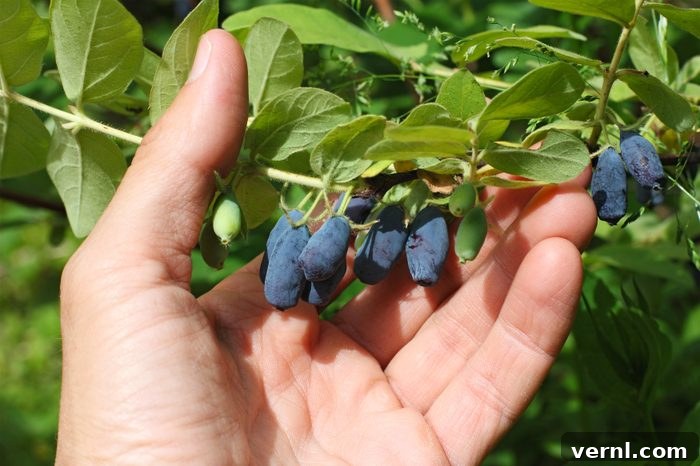
Cultivating honeyberries is a rewarding endeavor that can bring delicious fruit to your table with relatively little fuss. However, understanding a few key principles will significantly boost your success and yield. One of the most crucial aspects of growing honeyberries is ensuring proper pollination, as these plants are not self-pollinating.
Choosing the Right Varieties and Ensuring Pollination
A common misconception among new honeyberry growers is that a single plant will produce fruit. In reality, honeyberries are obligate cross-pollinators, meaning they require pollen from a different variety of honeyberry to set fruit. As the Amundsens wisely advise, you need at least two distinct varieties to ensure good cross-pollination. It’s not just about having two plants, but two *different* varieties. For instance, planting two ‘Aurora’ plants won’t suffice; you’d need an ‘Aurora’ and an ‘Indigo Gem’, or another compatible pairing.
Furthermore, timing is everything. It’s vital to choose two varieties that bloom around the same time. While some varieties have slightly different bloom windows, many nurseries specifically list which honeyberry cultivars are good companions for cross-pollination. Reputable online nurseries and garden centers typically provide detailed information on bloom times and recommended pairings, making it easier for gardeners to select compatible plants. By selecting varieties with overlapping bloom periods, you maximize the chances of successful pollination, leading to a bountiful harvest.
Planting Honeyberry Shrubs for Success
Honeyberry plants are typically available in a couple of forms: as bare-root cuttings during their dormant season or as container-grown plants throughout the growing season. For the best establishment and growth, it is recommended to plant them as soon as you acquire them. When planting container-grown specimens, ensure the plant is placed in the ground at the same depth it was growing in its original container. For bare-root plants, create a small mound in the center of the planting hole, spread the roots over it, and ensure the crown (where the roots meet the stem) is level with the soil surface.
Once planted, water thoroughly to settle the soil around the roots. Consistent watering is crucial until the plants are well-established, especially during dry spells in their first year. Applying a two to four-inch layer of organic mulch, such as wood chips, straw, or shredded leaves, around the base of the plants is highly beneficial. Mulch helps to retain soil moisture, suppress weeds that compete for nutrients, and regulate soil temperature. Given that some honeyberry varieties can mature into sizable shrubs, reaching six to eight feet tall and five feet wide, adequate spacing is essential. Plant individual shrubs at least four to six feet apart in a row to allow for proper air circulation and future growth.
Pruning for Health and Abundance
Fortunately for new growers, honeyberries are relatively low-maintenance when it comes to pruning, especially in their early years. Most honeyberry shrubs do not require any significant pruning during their first four to five years of growth. This allows them to establish a strong root system and develop a robust framework. Honeyberries produce fruit on one-year-old wood, meaning that the berries you harvest in early summer are formed from buds that were set on branches the previous year.
Once your plants reach dormancy in late fall or early spring, it’s a good practice to perform light maintenance pruning. This involves removing any broken, diseased, or crossing stems to maintain the plant’s health and structure. As your honeyberry plants mature beyond five years, you may begin to prune some of the older, less productive branches. This rejuvenation pruning encourages the development of new, vigorous growth, which will bear more fruit in subsequent seasons. Additionally, selectively thinning out older branches can improve sunlight penetration and air circulation within the shrub, both of which are critical for enhancing fruit quality and reducing the risk of fungal diseases like powdery mildew.
Feeding Your Honeyberries: Fertilization Tips
The need for fertilization in honeyberry plants largely depends on the inherent nutrient level and fertility of your garden soil. It’s entirely possible that with healthy, organic-rich soil, you may not need to fertilize your honeyberries at all, or only very sparingly. A soil test is always the best first step to determine your soil’s specific deficiencies and pH, allowing for a tailored fertilization plan.
However, if you observe that your honeyberry plants are not thriving—showing symptoms like stunted growth, pale foliage, or poor fruit production—then a boost of nutrients may be beneficial. The ideal time to apply fertilizer is in early spring, just as the plants are emerging from dormancy and beginning their new growth cycle. A balanced, general-purpose fertilizer, such as a 10-10-10 or 5-10-10 formulation, is generally suitable. Always follow the instructions provided on the fertilizer label carefully to avoid over-application, which can harm the plants. For organic gardeners, incorporating well-rotted compost or a balanced organic granular fertilizer provides a slow-release nutrient supply that enhances soil health over time.
Protecting Your Harvest: Pest and Disease Management
While honeyberries are generally robust, a few pests and diseases can occasionally pose a threat to your harvest. Vigilance and proactive measures are key to keeping your plants healthy and productive.
- Birds: Without a doubt, the most common and often most frustrating pest for honeyberry growers are birds. Their keen eyesight and love for ripe berries mean they can strip a bush clean seemingly overnight. On their large farm, the Amundsens employ innovative methods like inviting people to fly drones and model planes to deter cedar waxwings. For the home garden, simpler, yet effective, strategies include draping netting over your bushes as the fruit begins to ripen. Other deterrents like reflectors, sound devices, or even old CDs hung from branches can create a disorienting effect that discourages feathered foragers.
- Insect Pests: Honeyberries are fortunate to have relatively few major insect pests. However, it’s crucial to be aware of the spotted wing drosophila (SWD). This invasive type of vinegar fly, introduced from Asia, is a significant threat to many soft-skinned fruits, including honeyberries, blueberries, and raspberries. Unlike common fruit flies, SWD lay their eggs in healthy, ripening fruit, leading to larvae development inside the berries. Monitoring for SWD with traps and practicing good sanitation (picking all ripe fruit and removing fallen berries) can help manage their populations. Organic insecticides like spinosad can be used as a last resort if infestations are severe, always following label instructions.
- Diseases: The most prevalent disease affecting honeyberries, particularly in humid conditions late in the summer, is powdery mildew. This fungal disease appears as white, powdery patches on leaves and stems. While it rarely kills the plant, severe infections can weaken it and reduce future yields. Prevention is the best cure: ensure good air circulation around and within the plants through proper spacing and judicious pruning. Cleaning up all dropped leaves and plant debris in the fall helps remove overwintering fungal spores, reducing the inoculum for the following season. Fungicides, both organic (like neem oil or baking soda solutions) and conventional, can be used if the problem persists, again with careful adherence to product instructions.
Sourcing Honeyberry Plants: Where to Find Your Shrubs
As honeyberries gain popularity, they are becoming increasingly available to home gardeners. The most common and often most reliable source for a good selection of varieties is through online nurseries. These specialized nurseries frequently carry a broader range of cultivars compared to local garden centers, including newer and more sought-after types.
When searching for honeyberry plants, you’ll encounter a variety of excellent choices. Some favorites highly recommended by growers like those at Lola Farms include:
- Aurora: This particular variety is often celebrated for its exceptional sweetness and generous yields. Reportedly, its flavor profile has a delightful and almost whimsical quality, sometimes described as tasting like “pop rocks candy” – a unique blend of sweet with a slight zesty pop. Aurora is also known for being a good pollinator for many other varieties.
- Indigo Gem: A popular Russian variety, Indigo Gem is highly regarded for its sweet flavor and good productivity. It is frequently sold alongside ‘Tundra’ or ‘Borealis’ varieties, as these make excellent cross-pollinators, ensuring a fruitful harvest for both. Its compact growth habit makes it suitable for smaller gardens.
- Wojtek: Originating from Poland, Wojtek is another excellent choice known for its balanced sweet and tart flavor. It’s a vigorous grower and a reliable producer, making it a solid option for any honeyberry enthusiast. Like other varieties, it requires a compatible pollinator to bear fruit.
While many reputable nurseries, including prominent names like Nature Hills, do offer honeyberry plants, it’s worth noting that demand can be high. Especially during the peak spring planting season, popular varieties can sell out quickly due to their growing appeal. Therefore, if you have specific cultivars in mind, it’s advisable to place your order well in advance or look for nurseries that offer pre-orders. Starting your search early will increase your chances of securing the varieties best suited for your garden.
The Sweet Reward: Harvesting and Enjoying Honeyberries
The culmination of your gardening efforts comes with the harvest, and honeyberries make this process incredibly straightforward and satisfying. Knowing exactly when to pick them is key to enjoying their best flavor. Unlike some berries that are ready as soon as they change color, honeyberries develop their full sweetness and complex flavor a few days after turning dark blue. The best indicator of ripeness is when they easily detach from the stem with a gentle pull. If you have to tug, they likely need a bit more time on the bush.
For smaller, more manageable shrubs, hand-picking is the most direct method. However, for larger, more mature honeyberry bushes, a clever and efficient harvesting technique can save you considerable time and effort. Simply place a clean tarp, sheet, or old blanket underneath the plant. Then, gently shake the branches. Ripe honeyberries, being loosely attached, will readily fall off onto the prepared surface below. This method not only speeds up the harvesting process but also ensures you’re primarily collecting the perfectly ripe fruit.
Once harvested, honeyberries can be enjoyed fresh, offering a burst of flavor straight from the garden. They will keep well in the refrigerator for a few days, similar to blueberries, if stored in a breathable container. However, their unique taste also makes them ideal for preservation. If you find yourself with an abundance of honeyberries beyond what you can consume fresh, freezing them is an excellent option. To freeze, first gently wash the berries and pat them dry thoroughly. Then, spread them in a single layer on a baking sheet and place them in the freezer. Once frozen solid, transfer the berries to freezer-safe bags or containers. This prevents them from clumping together, allowing you to easily retrieve just the amount you need for smoothies, baking, or sauces later in the year. Frozen honeyberries retain their flavor and nutritional value beautifully, extending your enjoyment of this special fruit long after the summer harvest has passed.
Beyond the Berry: Culinary Versatility and Health Benefits of Honeyberries
While their fresh, sweet-tart flavor is a delight, the true magic of honeyberries lies in their extraordinary culinary versatility. Their unique taste profile makes them an exciting ingredient for a vast array of dishes, offering a fresh twist on traditional berry recipes. Beyond simple snacking, honeyberries can be transformed into exquisite jams, jellies, and preserves, their natural pectin content often aiding in a perfect set. Imagine a vibrant honeyberry jam spread on warm toast, or a tangy honeyberry sauce drizzled over ice cream or cheesecake.
For bakers, honeyberries are a dream come true. Substitute them for blueberries in muffins, pies, tarts, or crumbles to introduce a delightful complexity of flavor. Their tartness balances rich desserts beautifully, preventing them from becoming overly sweet. Beyond desserts, consider incorporating honeyberries into savory applications. A honeyberry vinaigrette can add a surprising pop to salads, while a honeyberry reduction can create an exquisite glaze for roasted meats like duck or pork, balancing richness with fruity acidity.
Furthermore, honeyberries are not just delicious; they are also packed with nutritional benefits. Rich in antioxidants, particularly anthocyanins (which give them their deep blue color), as well as vitamins A and C, and dietary fiber, they are a healthy addition to any diet. These compounds are known to support overall health, boost immunity, and contribute to well-being. Their health benefits, combined with their ease of cultivation and delightful flavor, solidify the honeyberry’s status as a superfood in the making.
Whether you’re a seasoned gardener looking for an exciting new crop or a novice eager to grow your own fruit, honeyberries offer an unparalleled opportunity. Their cold hardiness, low maintenance requirements, and unique taste make them an invaluable addition to any edible landscape. From the first delicate blossoms of spring to the abundant harvests of early summer, honeyberries promise a continuous cycle of joy and delicious discovery. Embrace the honeyberry revolution and transform your garden into a source of these extraordinary, easy-to-grow, and incredibly rewarding berries.