
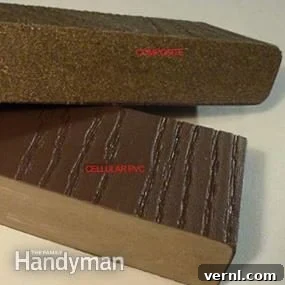
The quest for the perfect outdoor living space often begins with selecting the right decking material. Homeowners today are increasingly turning away from traditional wood, which demands constant upkeep, in favor of innovative, low-maintenance solutions. Among the diverse array of options available – including hardwoods like ipe and cumaru, and metals like aluminum and galvanized steel – two materials have risen to prominence as the undisputed leaders in convenience and popularity: composite and cellular PVC (polyvinyl chloride).
Both composite and PVC decking promise to liberate you from the annual chore of sanding, staining, and sealing, allowing you to spend your summers enjoying your deck rather than working on it. However, despite their shared promise of reduced maintenance, these materials possess distinct characteristics, performance traits, and cost implications. Furthermore, even within products made from the same base material, variations can exist between brands and specific product lines, offering a wide spectrum of choices for discerning homeowners.
The evolution of plastic-based decking materials is a relatively recent chapter in construction history. The market saw a significant shift with Trex’s introduction of composite decking in 1996. This groundbreaking material is an ingenious amalgam of plastic and wood fibers, combining the best attributes of both. Following this innovation, pure plastic options emerged in the early 2000s with the advent of PVC decking. This timeline, though not extensive, has provided ample opportunity to thoroughly assess the wearability, longevity, and overall performance of these modern decking solutions. Across the board, both composite and PVC decking materials demonstrate favorable comparisons to traditional wood, often outperforming it in terms of durability and ease of care.
To help you navigate the choices, here are some general points of comparison between PVC vs. composite decking, delving deeper into their individual attributes and what makes each unique.
Understanding Composite Decking
Composite decking represents a revolutionary blend of natural wood fibers and recycled plastics, typically polyethylene or polypropylene. This unique composition results in a highly durable, rot-resistant, and aesthetically versatile material that has become a staple in modern deck construction. Manufacturers often employ a “capping” technology, where the composite core is encased in a protective polymer shell, enhancing its resistance to stains, fading, and moisture.
- Consistent Aesthetics: A key advantage of composite decking is its solid color through the entire board. This consistent pigmentation means that the cut ends of the boards are not as noticeable, contributing to a more seamless and finished look for your deck. The color and grain patterns are designed to mimic natural wood, offering a rich variety of styles to suit any architectural design.
- Enhanced Structural Integrity: Composites are generally engineered to be stiffer than cellular PVC decking boards. This inherent stiffness allows them to span greater distances between joists, potentially reducing the number of framing supports required. This rigidity also makes a composite board easier for one person to handle and install, streamlining the construction process for both DIY enthusiasts and professional builders. Furthermore, the robust nature of composite boards helps to effectively hide minor imperfections or inconsistencies in the underlying framing, ensuring a level and attractive surface.
- Superior Slip Resistance: Safety is paramount in any outdoor living space. Composite decking boards are notably less slippery than PVC decking boards when wet, which is an important safety concern, especially for families with children or in areas prone to rain and humidity. Their textured surfaces provide better traction, reducing the risk of slips and falls.
- Exceptional Durability and Lifespan: When properly installed and maintained, you should be able to get at least 20 years of use from quality composite decking. Many manufacturers offer warranties exceeding this duration, underscoring their confidence in the material’s resilience. The actual lifespan can depend on various factors, including local climate conditions, the amount of direct sun exposure, and the specific brand and product line chosen.
- Investment and Value: Expect to pay approximately $6 per square foot for the decking material itself, not including the cost of installation. While this initial investment is higher than traditional pressure-treated lumber, the long-term savings on maintenance – eliminating the need for regular staining, sealing, and repairs due to rot or insect damage – often make composite decking a more economical choice over its lifespan. Its enduring beauty and low upkeep also contribute to increased home value.
Exploring PVC Decking
Cellular PVC decking, often simply referred to as PVC decking, stands apart as a 100 percent plastic product. Unlike composites, it contains no wood fibers, which grants it unique properties, particularly in terms of moisture resistance and overall impermeability. This pure plastic composition is achieved through a cellular foaming process, resulting in boards that are lightweight, durable, and exceptionally resilient.
- Pure Plastic Advantage: The fact that most PVC decking is made from 100 percent plastic is a significant differentiator. No wood content means absolutely no vulnerability to common wood-related issues such as rot, mold, or mildew. This makes PVC an ideal choice for areas with high humidity, frequent rainfall, or direct exposure to water, like around pools or hot tubs.
- Effortless Maintenance and Stain Resistance: PVC decking is renowned for its exceptional ease of cleaning and superior color retention. It stands up remarkably well to everyday spills; you won’t have to worry if you spill a little suntan oil, hamburger grease, or even red wine on it. These substances can typically be wiped away without leaving a lasting stain, making it incredibly easy to maintain a pristine deck surface. The material’s non-porous nature prevents liquids from penetrating and causing discoloration.
- Unmatched Scratch Resistance: For households with active pets, particularly large dogs, or those that frequently rearrange heavy patio furniture, PVC decking offers a substantial advantage. It is inherently harder and significantly more scratch-resistant than most composite decking options. This robust surface helps maintain the deck’s aesthetic appeal even under considerable wear and tear, ensuring it looks newer for longer.
- Premium Investment and Warranty: All these advanced benefits naturally come at a higher price point. PVC decking will typically cost you about $10 per square foot for the material. However, this premium often comes with enhanced peace of mind. Many companies offer a limited lifetime warranty on their PVC decking products, reflecting the material’s superior durability and long-term performance against defects, fading, and structural integrity. This robust warranty can be a significant factor for homeowners seeking maximum assurance and value.
FAQ: In-Depth Comparisons and Considerations
How do these decking materials perform in extreme weather conditions?
The performance of decking materials in varying climates is a critical consideration for homeowners. Both composite and PVC decking are engineered to withstand harsh elements, but their unique compositions lead to subtle differences in how they react.
Historically, owing to their wood content, composite boards were more vulnerable to moisture absorption, especially in humid and rainy weather. This could potentially lead to issues like swelling or mold growth. However, contemporary composite products have largely overcome this challenge. Most modern composites are “capped,” meaning they are coated with a durable, moisture-resistant polymer covering. This protective layer effectively seals the wood-plastic core, preventing moisture penetration and dramatically improving resistance to mold, mildew, and rot. In stark contrast, PVC decking boards contain no wood fibers whatsoever, rendering them completely impervious to moisture. This inherent property makes PVC an outstanding choice for exceptionally wet climates or installations directly exposed to water, such as around swimming pools or near sprinkler systems.
In hot, sunny weather, a common characteristic for both types of plastic-based decking is their tendency to absorb and retain heat. This can make the deck surface uncomfortably hot to walk on barefoot, especially darker colors. In this regard, there is generally no significant difference between PVC vs. composite decking. Homeowners in very hot climates might consider lighter-colored boards or installing their deck in a shaded area to mitigate heat absorption. Furthermore, because of their plastic content, both types of boards can exhibit some degree of thermal expansion and contraction, and can warp in extremely hot temperatures if not installed correctly. However, due to the stabilizing effect of the wood content within their core, composites are generally less prone to significant warping than pure PVC. You can significantly minimize the effects of thermal movement and potential warping by meticulously following the manufacturer’s specific best practices and installation guidelines, which typically include proper gapping between boards and adequate ventilation underneath the deck.
For colder climates, both materials offer superior performance compared to wood. Neither composite nor PVC decking will crack, split, or rot due to freeze-thaw cycles. They are resistant to snow and ice and do not require special winter protection beyond standard cleaning. Their non-porous surfaces also mean that de-icing salts can be used without damaging the material, though it’s always wise to check manufacturer recommendations.
Which decking material is more eco-friendly?
When comparing composite vs. PVC decking purely on their “green” credentials, composites generally hold a slight edge in eco-friendliness. This distinction primarily stems from their composition and the materials used in their manufacturing process.
Many popular composite brands are champions of recycling, as they are largely made from a combination of reclaimed wood fibers (such as sawdust, wood chips, and lumber industry byproducts) and recycled plastics (often post-consumer and post-industrial waste like plastic bags and milk jugs). By utilizing these waste streams, composite decking helps divert a significant amount of material from landfills and reduces the demand for virgin timber. This commitment to recycling and resource conservation positions composites as a more sustainable choice for many environmentally conscious consumers, often contributing to LEED certification points in construction projects.
By contrast, much of PVC decking, particularly historically, has been manufactured predominantly from virgin plastic (newly produced polyvinyl chloride). While PVC itself is a highly durable and long-lasting material that minimizes replacement frequency, the use of virgin resources rather than recycled materials gives it a less favorable standing in direct eco-friendliness comparisons. However, it’s worth noting that the PVC industry is continuously evolving, and some manufacturers are beginning to incorporate recycled PVC content into their decking products, slowly improving their environmental profile.
Despite their respective advantages in terms of recycled content, the “green” nature of both products is tempered by a crucial fact: neither readily decomposes in a natural environment. If old PVC or composite decking is not properly recycled into other building projects or through specialized recycling programs, and is simply discarded, it contributes to landfill clog. This highlights the importance of considering the entire lifecycle of these materials, from production to disposal. Homeowners are encouraged to investigate local recycling options for end-of-life decking or explore manufacturers with take-back programs to ensure responsible disposal and minimize environmental impact.
What about installation and maintenance considerations?
While both materials boast low maintenance, understanding the nuances of installation and ongoing care can further inform your decision.
Installation: Both composite and PVC decking can be installed using hidden fastener systems, creating a clean, screw-free surface. However, their material properties dictate slightly different approaches. PVC, being lighter and sometimes more flexible, may require closer joist spacing in certain applications to prevent excessive deflection. Composites, with their inherent stiffness, might allow for wider spans. Both materials expand and contract with temperature fluctuations, necessitating proper gapping between boards and at ends to accommodate movement. Manufacturers provide detailed instructions for specific products, and adherence to these guidelines is crucial for preventing issues like warping, buckling, or gapping problems down the line.
Maintenance: Beyond the absence of staining or sealing, general cleaning is straightforward for both. A simple wash with soap and water, or a deck cleaner recommended by the manufacturer, is usually sufficient to remove dirt, pollen, and light stains. For more stubborn marks, pressure washing can be an option, but it’s essential to use a low-pressure setting and a wide fan tip to avoid damaging the surface, especially with capped composites where aggressive cleaning could harm the cap layer. PVC’s non-porous nature often makes it even easier to clean and highly resistant to embedded dirt and grime.
Ultimately, the choice between composite and PVC decking hinges on a balance of priorities: budget, desired aesthetic, climate conditions, and specific performance requirements. Both offer exceptional longevity and a significant reduction in maintenance compared to traditional wood, making them excellent investments for any homeowner looking to enhance their outdoor living experience.