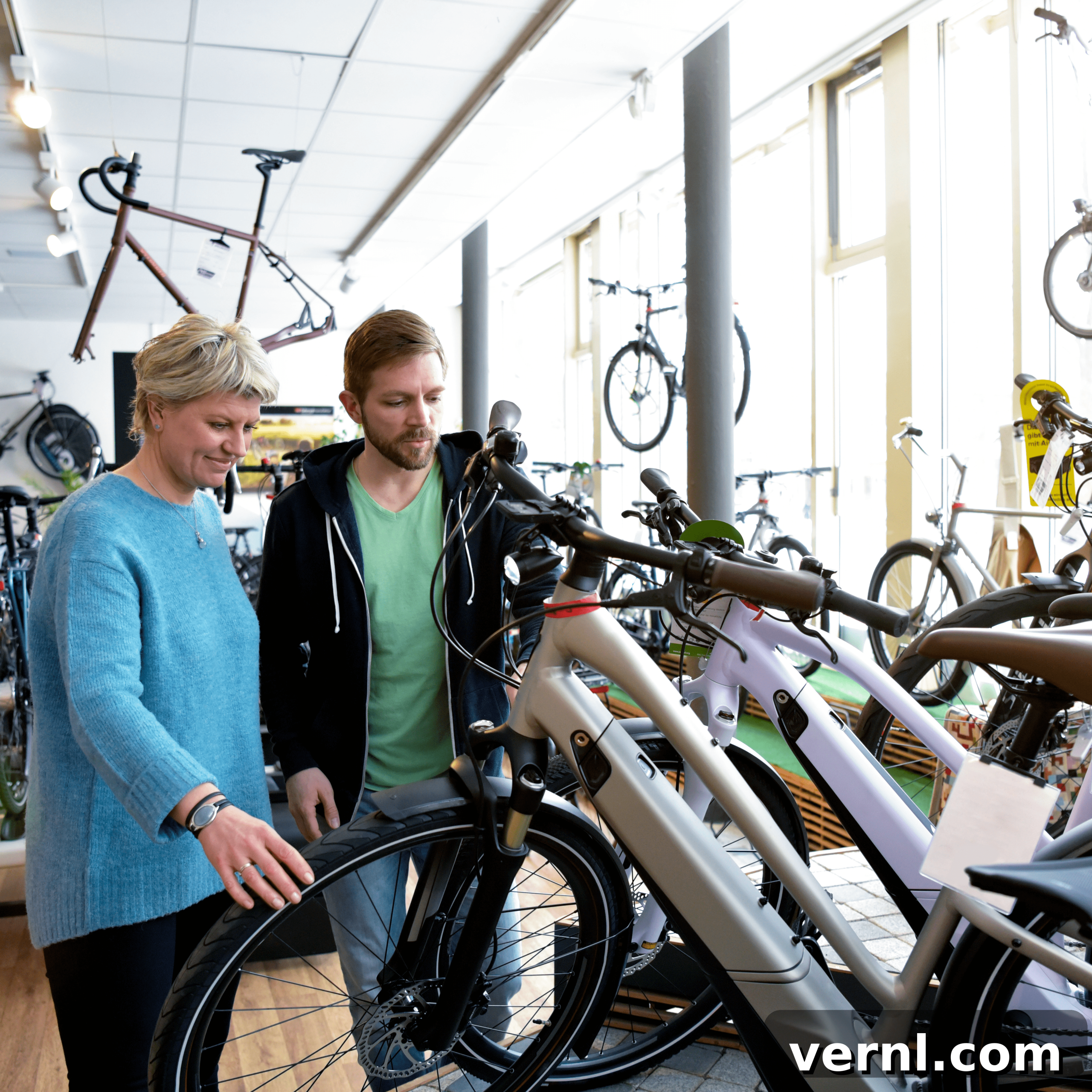
There’s a noticeable shift happening on our roads and bike paths. Once, the sight of a cyclist effortlessly zipping past, seemingly without pedaling, might have evoked a quiet curse or a pang of jealousy. “That’s not real biking,” some might have thought, eyeing the electric bicycle with skepticism. However, as more people discover the unparalleled convenience, enhanced accessibility, and tangible environmental benefits of electric bikes, that initial resistance quickly transforms into curiosity and admiration. From bustling city commuters to leisurely weekend riders, the embrace of e-bikes is undeniable.
Cities across the globe, including progressive hubs like Denver, are actively encouraging this trend by offering attractive rebates to make new e-bike purchases more affordable. Yet, investing in a brand-new electric bicycle isn’t the only path to joining the e-bike revolution. An increasingly popular and often more economical alternative is to transform your trusty, familiar bicycle into a powerful, motorized workhorse using an e-bike conversion kit and a dash of DIY spirit.
“The concept of retrofitting an electric kit onto an existing bicycle is steadily gaining traction and awareness among cyclists,” explains Craig Calfee, the insightful owner of Calfee Design, a renowned bicycle innovator based in La Selva Beach, California. He elaborates, “While a factory-built new e-bike is undoubtedly a highly engineered and cohesive product, it also means you become committed to that specific system and the manufacturer behind it. In contrast, a conversion kit offers unparalleled flexibility. It allows you to seamlessly integrate e-components into your cherished bicycle—the one that already fits you perfectly, feels like an extension of yourself, and which you’ve grown accustomed to.” This approach offers a personalized upgrade, marrying the comfort of your current ride with the thrill of electric power.
What Exactly Is an E-bike?
At its core, an e-bike, or electric bicycle, is a standard pedal bicycle augmented with an electric motor and a rechargeable battery. This powerful combination provides assistance to the rider, enabling them to travel farther, faster, and with significantly less physical exertion. Modern e-bikes typically feature a sophisticated control panel, often mounted conveniently on the handlebars, which displays crucial information such as your current speed, the remaining battery power, your chosen assist level, and sometimes even your distance traveled or cadence.
E-bikes come in various classes, each offering a slightly different riding experience. Some models are designed primarily as “pedal-assist” (Class 1 and 3), where the electric motor only engages when you are actively pedaling, amplifying your human effort. Others, known as “throttle-on-demand” (Class 2), include a throttle mechanism that allows you to propel the bike forward without pedaling at all, similar to a scooter. Regardless of the type, the fundamental promise of an e-bike remains the same: to make cycling more accessible, enjoyable, and efficient for a wider range of people, overcoming challenges like steep hills, long commutes, or limited physical stamina.
Understanding E-bike Conversion Kits: Your Gateway to Electric Cycling
An e-bike conversion kit serves as an innovative bridge, transforming your conventional bicycle into a high-performance electric one. This clever solution allows you to reap all the benefits of electric power—extended range, effortless hill climbing, and quicker commutes—without the considerable expense of purchasing an entirely new electric bike. Conversion kits provide a cost-effective and environmentally friendly way to upgrade your existing ride, giving it a new lease on life.
While the market for e-bike conversion kits is diverse, with offerings varying widely in terms of motor power, battery capacity, and overall quality, all kits share a common set of essential components. These core elements work in harmony to bring electric propulsion to your bicycle:
- An Electric Motor: This is the heart of the system, providing the power to assist your ride.
- A Rechargeable Battery: The energy source for the motor, typically a lithium-ion pack, designed for longevity and range.
- A Control Unit (Controller): The “brain” of the e-bike, managing power distribution from the battery to the motor and interpreting rider input.
- A Display Panel: Usually mounted on the handlebars, this interface provides real-time data such as battery level, assist mode, speed, and sometimes mileage.
- Pedal-Assist Sensor (PAS) or Throttle: The mechanism that tells the motor when to engage. PAS systems detect your pedaling and provide assistance, while a throttle allows on-demand power.
- Wiring Harness: Connects all components, ensuring seamless communication and power flow.
The flexibility and customization offered by conversion kits are particularly appealing. You can select components that best match your riding style, budget, and specific bicycle, creating a truly personalized electric experience.
Exploring the Different Types of E-bike Conversion Kits
The world of e-bike conversion kits primarily features three distinct types, each with its own set of advantages, ideal applications, and installation considerations:
- Hub-Drive (AKA Hub-Motor) Systems: These are arguably the most common and often the easiest kits to install. A hub motor is ingeniously encased within the hub of either the front or rear wheel. You simply replace your existing wheel with a new one that has the motor pre-installed.
- Front Hub Motors: Offer straightforward installation and are often chosen for lighter bicycles or those where maintaining rear wheel integrity is important (e.g., bikes with complex gearing). They can, however, sometimes lead to slightly altered steering feel due to the added weight on the front fork.
- Rear Hub Motors: Provide better traction and often a more natural riding feel, particularly with higher power outputs, as the weight is distributed over the rear wheel, which is typically where the power is delivered in a traditional bike. Installation might be slightly more involved than a front hub, especially if your bike has complex derailleur systems.
- Advantages: Generally more affordable, simpler to install, and many offer regenerative braking, which can slightly recharge the battery when braking, improving efficiency. They put less stress on your bike’s existing drivetrain components.
- Disadvantages: Can sometimes affect wheel removal/repair, and weight distribution might feel less balanced compared to mid-drives, especially on the front wheel.
- Mid-Drive (AKA Bottom-Bracket) Systems: These kits place the electric motor at the bicycle’s bottom bracket, the central point where your pedals and cranks attach. The motor then drives the front chainring, effectively adding power directly through your bike’s existing chain and gears.
- Advantages: Calfee notes, “These are highly preferred for off-road bikes or if one frequently navigates long, steep hills.” Mid-drives leverage your bike’s gears, allowing the motor to operate at its optimal RPM range, providing superior torque and efficiency for climbing. This results in a more natural, powerful assist and better weight distribution.
- Disadvantages: Installation is typically more complex, often requiring specialized tools to remove and replace the crankset and bottom bracket. Mid-drives also exert greater wear and tear on your bike’s drivetrain (chain, cassette, chainrings) due to the amplified power. Furthermore, they can be incompatible with many bike frames, particularly older or uniquely designed models, and generally come in medium to high power levels, making them a more significant investment.
- Innovative Friction/Rotor-Drive Systems: Emerging technologies are continually pushing the boundaries of e-bike conversion. Manufacturer Bimotal, for instance, has pioneered a third type of kit. This innovative system is often removable and adds power via a specialized disc-brake rotor.
- Characteristics: These systems are relatively new to the market and not yet widely available, but they represent an exciting evolution. Their removable nature offers unique flexibility, making them potentially very popular for retrofitting newer, high-end mountain bikes or road bikes where maintaining the original aesthetic and functionality is paramount. They often focus on lightweight design and easy transferability between bikes.
- Target Audience: Enthusiasts who want electric power on demand without permanent modifications, or those with multiple premium bikes.
A Step-by-Step Look at Installing an E-Bike Conversion Kit
The complexity of installing an e-bike conversion kit can vary significantly from one model to another. While some kits are designed for straightforward, plug-and-play assembly, others may require more mechanical aptitude and patience. Generally, you should set aside anywhere from two to six hours for the complete process. We’re assigning a medium difficulty rating to this DIY project, primarily because it involves handling electrical components and requires a methodical approach. However, with the right tools and clear instructions, it’s a rewarding project for most mechanically inclined individuals.
Here’s a breakdown of the essential tools and materials you’ll likely need:
- A Bike Stand: Crucial for securely holding your bicycle stationary at a comfortable working height. If a dedicated stand isn’t available, a stable alternative that keeps the bike upright and wheels off the ground is necessary.
- Specialized Tools for Crankset, Hubs, and Freewheel: These tools are specific to your bike’s brand and model. For mid-drive kits, you’ll need crank pullers and bottom bracket tools. For hub motors, you might need cone wrenches or specific cassette/freewheel removal tools to transfer your gears to the new motor wheel.
- Standard Pliers and Wire Cutters: For handling cables, crimping connectors, and general adjustments.
- Heavy-Duty Zip Ties: Indispensable for neatly routing and securing all the new cables and wires along your bike frame, preventing snags and maintaining a clean aesthetic.
- A Set of Small Screwdrivers: For adjusting display mounts, throttle components, and other small parts.
- Hex Key / Allen Wrench Set: Essential for tightening bolts on various components like the display, controller, and battery mount.
- Torque Wrench: Highly recommended for ensuring bolts, especially on the motor and battery mounts, are tightened to the manufacturer’s specified torque, preventing damage or loosening.
- Electrical Tape: For insulating connections and further securing wiring.
The quality of instructions provided with conversion kits varies widely. Some top-tier kits come with exceptionally detailed manuals, complete with step-by-step photographs, helpful YouTube video tutorials, and even access to person-to-person customer support for troubleshooting. This level of guidance can make a significant difference in the ease and success of your installation. Conversely, some budget-friendly kits may offer minimal documentation, leaving more to the installer’s initiative. When selecting a kit, prioritize those with comprehensive instructions and robust customer support, especially if you’re new to bike mechanics or electrical work. (We’ll highlight some recommendations for kits with ample support further down.) Remember, taking your time, following instructions meticulously, and performing safety checks are paramount for a successful conversion.
Choosing the Best E-Bike Kit for Your Bike: A Comprehensive Guide
Selecting the right e-bike conversion kit is arguably the most critical step in the entire process. The market offers a vast array of options, and ensuring compatibility with your specific bicycle is paramount to avoid frustrating installation headaches and potential returns. Most reputable manufacturers provide a detailed list of specifications to help you determine if their kit will fit your bike. Be prepared to measure and verify these crucial details:
- Fork Width (Front Wheel Clearance): Measure the internal distance between your front fork legs where the axle sits. This determines if a front hub motor will fit.
- Rear Dropout Width (Rear Wheel Clearance): Measure the internal distance between the rear frame stays (the part of your frame where the rear wheel attaches). This is crucial for rear hub motors.
- Freewheel/Cassette Type and Compatibility: Identify if your bike uses a freewheel or a cassette (the rear gears) and determine the number of speeds. The motor wheel typically comes with its own freewheel/cassette compatibility.
- Brake Type and Configuration: Whether you have rim brakes (V-brakes, cantilever), disc brakes (mechanical or hydraulic), or coaster brakes will influence kit choice. Ensure the motor wheel accommodates your brake type.
- Wheel Diameter and Rim Dimensions: Kits are sold for specific wheel sizes (e.g., 26-inch, 700c, 29-inch). Confirm your bike’s wheel size.
- Bottom Bracket Type and Width (for Mid-Drive Kits): This is crucial for mid-drive systems, as they need to integrate seamlessly with your bike’s bottom bracket shell. There are numerous bottom bracket standards (threaded, press-fit, etc.), and compatibility is not universal.
To avoid significant frustration and ensure a smooth conversion, meticulously verify all these details against the kit’s specifications *before* placing an order. When in doubt, contact the kit manufacturer’s customer support with your bike’s exact make and model.
Beyond compatibility, several other features and considerations will influence your choice, tailoring the e-bike experience to your needs:
- Battery Type, Voltage, and Amp-Hour Rating: The battery is the power source, dictating your range and motor performance.
- Type: Lithium-ion (Li-ion) batteries are the industry standard due to their energy density, longevity, and lighter weight. Avoid older lead-acid batteries.
- Voltage: Common voltages are 36-volt, 48-volt, and increasingly 52-volt. Higher voltage generally translates to more power and efficiency, especially for climbing hills. A wattage rating between 300 and 600 watts is common for street-legal kits, while off-road kits can be higher.
- Amp-Hour (Ah) Rating: This indicates the battery’s capacity and directly impacts your range. Look for a minimum rating of 10Ah. A 15Ah or 20Ah battery will offer significantly more range. Keep in mind that actual battery range is influenced by rider weight, terrain, assist level used, and riding style.
- Drive Location (Front Hub, Rear Hub, or Mid-Drive): Your choice here should align with your riding style and priorities.
- Front Hub Motor: Generally the simplest to install, making it an excellent choice for beginners or those seeking minimal fuss. Good for city commuting and flat terrain.
- Rear Hub Motor: A close second in installation ease, often providing better traction and a more natural push feel than a front hub. Suitable for diverse terrain.
- Mid-Drive Motor: Offers superior torque, climbing ability, and efficiency, making it ideal for hilly areas, cargo bikes, or off-road adventures. However, it’s more complex to install and compatible with fewer bicycles.
- Warranty and Customer Support: This is a critical factor often overlooked. Ensure the conversion kit manufacturer is genuinely reachable and responsive via telephone, email, or their website for technical support, troubleshooting, and obtaining replacement parts. A strong warranty and accessible support can save you considerable frustration down the line.
- Cost: E-bike conversion kits vary widely in price, from budget-friendly options to premium, high-performance systems. “If someone is simply dabbling with the idea of electric cycling, one of the more affordable kits can be an excellent entry point without a significant financial commitment,” advises Calfee. “However, if they truly ‘catch the bug’ and become enthusiastic about e-biking, they might find it worthwhile to invest in a higher-quality, more reliable, and feature-rich kit for long-term satisfaction.” Consider your long-term goals and budget.
- Pedal-Assist vs. Throttle: Decide if you want a system that only assists when you pedal (pedal-assist sensor – PAS) or one that also includes a throttle for on-demand power. Many kits offer both.
- Display Features: Consider what information you want at your fingertips. Basic displays show speed and battery, while advanced ones offer trip distance, cadence, estimated range, and more.
- Weight: Adding a motor and battery will increase your bike’s weight. Consider how this might affect handling and if the total weight is manageable for your needs (e.g., carrying up stairs).
- Brake Sensors: Many kits include sensors that cut power to the motor as soon as you apply the brakes, enhancing safety. This is a highly recommended feature.
By carefully evaluating these factors and matching them to your specific bike and riding preferences, you can confidently choose an e-bike conversion kit that will provide years of enjoyable, assisted cycling.
Three Top E-Bike Conversion Kits for Your Consideration
Navigating the multitude of e-bike conversion kits can be overwhelming. To help simplify your decision, we’ve highlighted three top contenders, each excelling in different categories, offering quality, performance, and value.
Most Versatile: Bafang Front Hub Motor Electric Bike Conversion Kit
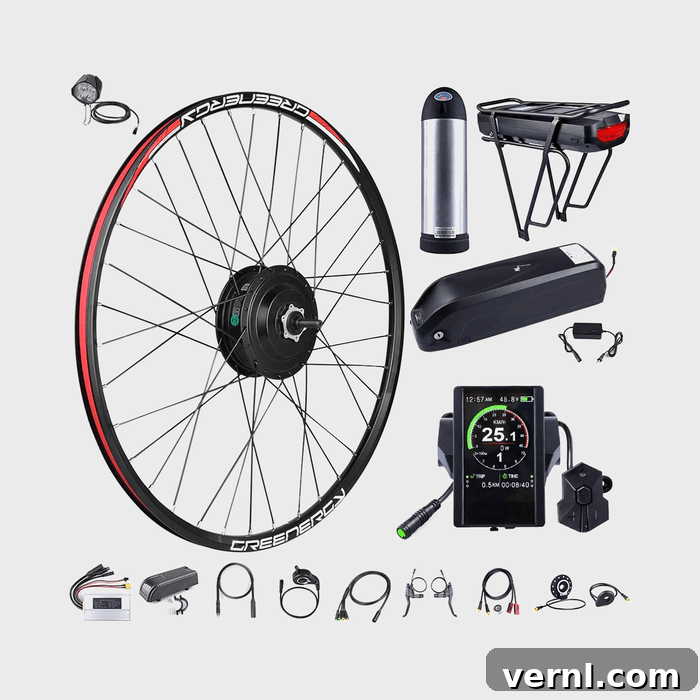
The Bafang’s 48-volt 500-watt front-hub motor conversion kit stands out as an exceptionally solid choice, offering a fantastic balance of performance, versatility, and a competitive price point. Bafang is a widely recognized and respected name in the e-bike component industry, known for its robust and reliable motors. This kit provides an impressive array of sizes and styles, designed to fit a vast majority of conventional bicycles, making it a highly adaptable option for various frame types and wheel sizes. What truly sets it apart is the comprehensive support system it offers; buyers receive detailed instructions to accurately determine if their bicycle meets the kit’s specifications, coupled with helpful YouTube video tutorials guiding them through the installation process. Furthermore, Bafang provides responsive customer support for any questions that might arise during setup.
Customization is another key strength of this Bafang kit. Riders can further tailor their electric experience by choosing from a selection of compatible batteries, advanced displays, and various other optional accessories, allowing for a personalized setup that perfectly matches individual needs and preferences. It’s also an excellent choice for retrofitting older mountain bikes, giving them new life as capable electric trail machines. Depending on whether you opt for a front or rear hub motor, desired wheel size, and selected accessories, this versatile kit typically ranges in cost from approximately $550 to $700.
Best Low-Budget: Ebikeling Waterproof E-bike Conversion Kit
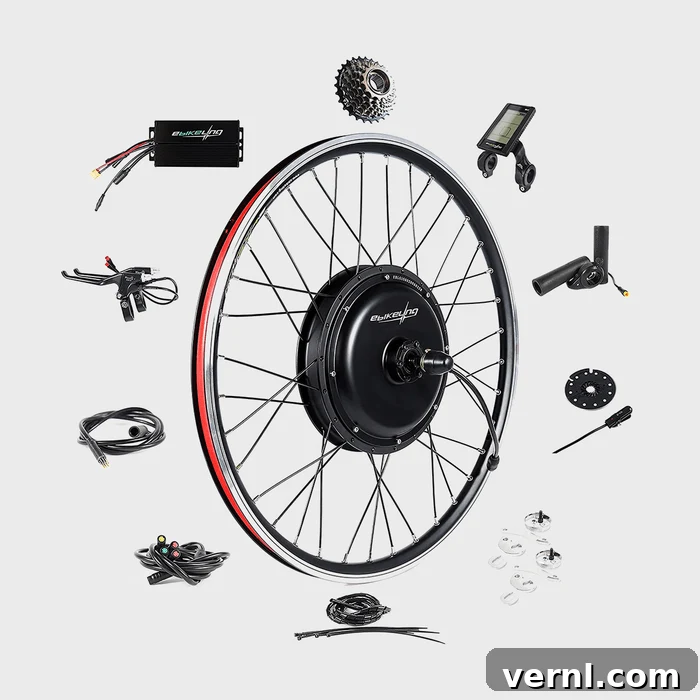
For those looking to enter the world of electric cycling without a significant financial outlay, the Ebikeling waterproof e-bike front- or rear-hub conversion kit offers an excellent entry-level price point without compromising on essential features or quality. This kit is a fantastic option for budget-conscious individuals who still demand a reliable and functional electric upgrade for their bicycle. It conveniently includes a battery, saving you the hassle and additional cost of purchasing one separately, and provides clear detailing of specifications and helpful installation tips.
While Ebikeling may not offer official YouTube video tutorials, its popularity has led to a vibrant community of users who have uploaded numerous helpful installation videos and reviews, providing valuable real-world guidance. The company also maintains a customer service channel, ensuring that buyers can get their questions answered during the installation process, which is a significant advantage for a kit in this price range. Depending on the desired wattage, this cost-effective kit typically falls within the approximate price range of $390 to $490, making electric bike conversion more accessible than ever.
Best High-End: Calfee Designs Electofit Kits
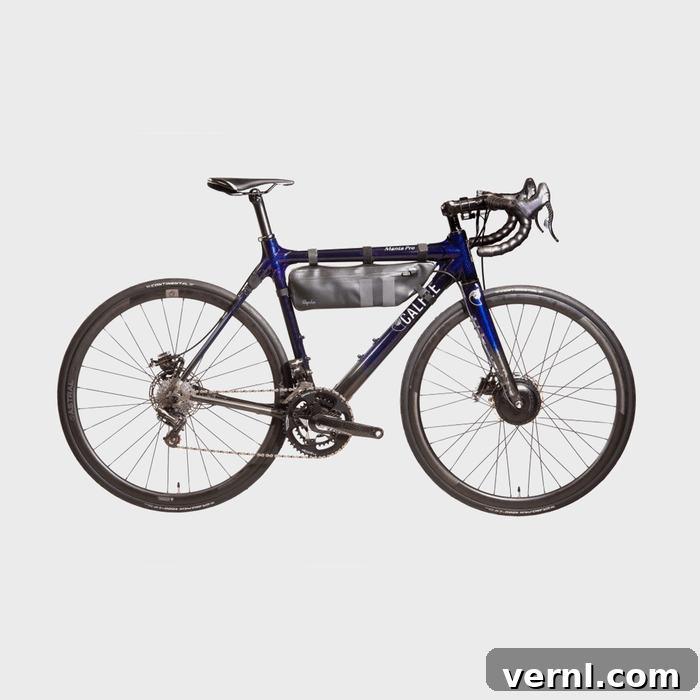
For discerning cyclists who demand the absolute pinnacle of quality, performance, and personalized service, Calfee Designs offers its bespoke Electofit kits. Unlike off-the-shelf solutions, Calfee takes a truly custom approach, meticulously crafting each conversion kit to perfectly suit your specific bicycle and individual riding needs. The journey begins when you complete their detailed online configuration tool, which gathers all the necessary information about your bike and preferences.
What truly elevates the Calfee experience is the unparalleled level of personalized support. Following your configuration submission, you’ll receive a one-on-one consultation with an expert, ensuring every detail is covered. This is followed by dedicated fitting and installation assistance from a company with an illustrious thirty-year history of building high-performance bicycles in California. Calfee Design is renowned for its expertise, not only in converting standard bikes but also in successfully electrifying more specialized bicycles such as tandems, recumbents, and travel bikes. This level of customization and white-glove service comes with a premium price; prices for Calfee’s Electofit conversion kits typically range from approximately $2,500 to $4,000, depending on the kit type, battery capacity, and any additional accessories chosen, representing a true investment in a superior, tailor-made electric cycling experience.