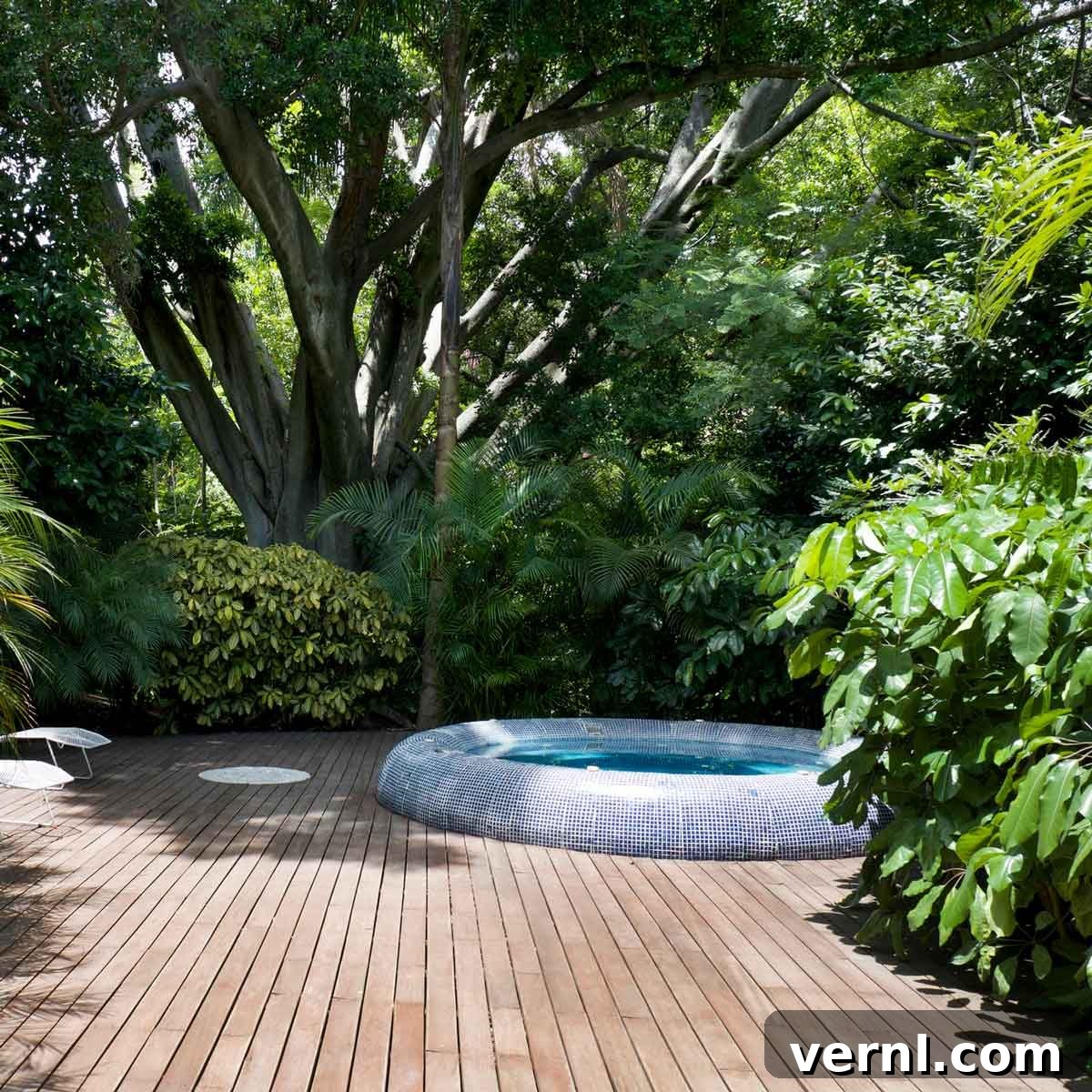
Plunge Pools: The Ultimate Guide to Compact Backyard Oasis
Transforming your backyard into a personal retreat doesn’t always require a sprawling landscape or an exorbitant budget. For homeowners with limited space, a keen eye on their finances, or simply a desire for a refreshing escape, a plunge pool offers an ideal solution. This comprehensive guide will explore everything you need to know about these increasingly popular backyard features, from their definition and benefits to installation and maintenance.
Essentially, a plunge pool is a small, specialized pool designed primarily for relaxation, cooling off, and low-impact aquatic activities rather than competitive swimming. They provide a quicker-to-install, easier-to-maintain, and more cost-effective alternative to traditional full-sized in-ground swimming pools, making luxury accessible to a broader range of homeowners.
What Exactly is a Plunge Pool?
A plunge pool can be defined as a compact, typically deep pool, usually installed in-ground, though versatile above-ground models are also readily available. Unlike a conventional swimming pool, it is not designed for swimming laps due to its smaller footprint. Instead, its purpose is to provide an intimate space for unwinding, immersing yourself in cool water, enjoying recreational play with children, or engaging in aqua-aerobics and water rehabilitation exercises.
Historically, the concept of a “plunge pool” can be traced back to ancient bathing rituals and modern cold plunge therapy, where individuals immerse themselves in cold water for various health benefits, including improved circulation, reduced muscle soreness, and enhanced mental clarity. While modern plunge pools are often heated and designed for leisure, their roots are deeply tied to therapeutic immersion.
Plunge pools are commonly designed in rectangular shapes, fitting seamlessly into various backyard layouts. However, their design flexibility allows for almost any shape that suits the available space and aesthetic preferences of the homeowner, from L-shaped designs to circular or freeform configurations. Typical dimensions for plunge pools often range around eight feet wide and 10 to 18 feet long. Depth is a critical feature, generally starting at four feet and customizable to be deeper, depending on the homeowner’s intended use and safety considerations.
Key Characteristics of a Plunge Pool:
- Compact Size: Significantly smaller than traditional pools, ideal for tight spaces.
- Depth Over Length: Prioritizes depth for full immersion and standing, rather than long swimming lanes.
- Purpose-Driven: Focuses on relaxation, therapy, cooling, and gentle activity.
- Versatile Installation: Can be installed in-ground, above-ground, or semi-in-ground.
- Customizable Features: Easily adapted with jets, heating, lighting, and seating.
Diverse Types and Customization Options for Plunge Pools
The beauty of a plunge pool lies in its remarkable adaptability. Homeowners can customize their pool to perfectly align with their lifestyle and aesthetic desires. Whether you envision a simple basin for cooling off, a sophisticated hub for entertaining friends, or a safe splash zone for children, the design possibilities are vast.
Entry and exit points can be tailored for convenience and style. Many plunge pools feature built-in steps for easy access, while others might incorporate wraparound bench seating, transforming the pool into a luxurious aquatic lounge. For those focused on fitness or rehabilitation, opting for a deeper pool can better facilitate aqua-aerobics, water walking, or other low-impact exercises, providing buoyancy and resistance without the need for extensive swimming space.
For an elevated experience, consider integrating powerful jets to generate a resistance current, effectively transforming your plunge pool into a smaller version of a spool pool or swim spa. This feature allows users to “swim in place” against a steady current, providing a robust cardiovascular workout even within a confined area. Adding massaging jets, similar to those found in hot tubs, coupled with a heater, converts a plunge pool into a larger, more spacious version of an outdoor hot tub, perfect for year-round therapeutic warmth and hydrotherapy.
Beyond outdoor installations, plunge pools can also be thoughtfully integrated indoors, becoming a stunning feature in a home gym, sunroom, or even a basement spa area. Indoor plunge pools offer the ultimate in privacy and year-round usability, protected from weather elements and offering a truly luxurious experience.
Popular Plunge Pool Materials and Styles:
- Concrete: Offers unlimited design flexibility in shape, size, and finish, but typically has a longer installation time.
- Fiberglass: Pre-fabricated shells offer quicker installation and a smooth, non-porous surface, limiting customization of shape.
- Vinyl Liner: A cost-effective option that allows for various shapes and patterns, with liners being replaceable.
- Naturalistic: Blends seamlessly with landscaping, often featuring rockwork and lush greenery.
- Modern Minimalist: Clean lines, geometric shapes, and often dark finishes for a sleek, contemporary look.
- Mediterranean/Resort Style: Incorporates classic tiling, architectural elements, and vibrant colors.
The Advantages and Disadvantages of Plunge Pools
Before committing to a plunge pool, it’s essential to weigh its specific benefits against potential drawbacks to ensure it aligns perfectly with your expectations and lifestyle.
The Benefits of Installing a Plunge Pool:
- Ideal for Small Backyards and Urban Spaces: Plunge pools are a perfect fit for compact lots, narrow yards, or small patios where a traditional pool would be impractical or impossible. They maximize the use of limited outdoor space, turning it into a functional and aesthetically pleasing oasis.
- More Affordable and Faster to Install: Compared to traditional full-sized pools, plunge pools generally come with a significantly lower upfront cost, primarily due to less excavation, fewer materials, and reduced labor. The installation timeline is also considerably shorter, meaning you can enjoy your new pool much sooner.
- Reduced Maintenance Requirements: Thanks to their smaller water volume, plunge pools demand less time, effort, and resources for upkeep. They require fewer chemicals, less energy for filtration, and are quicker to clean, making pool ownership a breeze.
- High Degree of Customization: Plunge pools can be highly personalized with features such as heating systems for extended use, resistance currents for aquatic exercise, therapeutic massaging jets, ambient lighting, and integrated seating or water features.
- Enhanced Backyard Aesthetics: When thoughtfully designed and integrated with landscaping and lighting, a plunge pool can become a stunning focal point, elevating the overall beauty and value of your outdoor living space. It offers a luxurious touch that belies its compact size.
- Promotes Health and Wellness: Beyond simple relaxation, plunge pools offer excellent opportunities for hydrotherapy, cold water immersion (beneficial for recovery and circulation), and low-impact exercise, contributing positively to physical and mental well-being.
- Eco-Friendly Option: Their smaller size means lower water consumption for filling and less energy needed for heating and filtration, making plunge pools a more sustainable choice for environmentally conscious homeowners.
Potential Downsides and Considerations for Plunge Pools:
- Limited Capacity and Activity: Plunge pools are not designed for large groups. They can only comfortably accommodate a few people at a time, making them less suitable for big pool parties or robust swimming activities.
- Not Suitable for Lap Swimming: The primary limitation of a plunge pool is its size, which prevents traditional lap swimming. While resistance jets can provide a workout, it’s a different experience than swimming laps in a full-sized pool.
- Safety Risks for Children: While fun for kids, the compact depth can pose unique safety challenges. Children can potentially hurt themselves by jumping into what might be a shallower pool than they anticipate, emphasizing the need for constant supervision and clear rules.
- Less Grand Impression: For those seeking the visual impact and sprawling entertainment space of a classic outdoor pool, a plunge pool may not deliver the same “grand impression.” Its understated elegance serves a different purpose.
- Regulatory Requirements: Depending on local ordinances and homeowners’ association (HOA) rules, a plunge pool may still require a gate, fencing, or other safety measures, similar to a regular pool. It’s crucial to research local regulations before installation.
- Ongoing Utility Costs (if Heated): While generally more energy-efficient, if your plunge pool is heated, you will incur higher electric or gas bills, especially during colder months or if set to a high temperature continuously.
The Plunge Pool Installation Process
Installing a plunge pool, while on a smaller scale, follows many of the same fundamental steps as a traditional swimming pool. The process requires careful planning and execution to ensure a safe, durable, and enjoyable final product. This is why, for most homeowners, engaging a professional pool contractor is highly recommended.
For an in-ground plunge pool, the process typically begins with meticulous site preparation and excavation. This involves digging the hole to the exact dimensions and depth, ensuring proper drainage and a stable base. Following excavation, the plumbing and electrical systems are roughed in, which includes installing skimmers, returns, main drains, and conduits for lights and heaters.
Next comes the installation of the pool shell, whether it’s a poured concrete structure, a pre-fabricated fiberglass insert, or a steel framework for a vinyl liner. This is followed by decking installation, using materials such as tile, wood, concrete, or composite decking, which integrates the pool seamlessly into your outdoor living area. Finally, the surrounding landscaping is completed, adding beauty and functionality, from planting to the addition of pathways or seating areas.
One of the most attractive aspects of plunge pools is their expedited installation timeline. A skilled pool contractor can typically complete the installation of an in-ground plunge pool in a matter of weeks, often within two to four weeks, a stark contrast to the six-to-eight week, or even longer, period often required for a regular in-ground pool. This quicker turnaround means less disruption to your backyard and faster enjoyment of your new aquatic feature.
While the prospect of saving money might tempt some to consider the DIY route, we strongly advise this only for individuals possessing advanced construction skills, extensive knowledge of plumbing and electrical systems, and a thorough understanding of local building codes. Mistakes in pool installation can be costly, dangerous, and lead to significant issues down the line.
Key Installation Stages:
- Planning & Permits: Design consultation, site survey, obtaining necessary local permits.
- Excavation: Digging the pool area and preparing the base.
- Plumbing & Electrical: Installing pipes, filtration lines, wiring for pumps, lights, and heaters.
- Shell Installation: Placing fiberglass shell, pouring concrete, or assembling vinyl liner walls.
- Decking & Coping: Installing the surrounding deck and the coping around the pool’s edge.
- Finishing Touches: Plastering or lining the pool, adding features, filling the pool.
- Landscaping: Integrating the pool with the surrounding garden and hardscaping.
Effortless Plunge Pool Maintenance and Care
One of the most compelling advantages of owning a plunge pool is the significantly reduced maintenance and ongoing expenses compared to their full-sized counterparts. Their smaller volume of water translates directly into less work and fewer costs, making pool ownership a truly low-stress experience.
Plunge pools require less water to fill initially and fewer chemicals to maintain balanced water chemistry. Daily maintenance often involves a quick skim of the surface with a net to remove leaves and debris. For deeper cleaning, a handheld pool vacuum is typically all you’ll need to keep the bottom pristine. There’s usually no need for expensive weekly pool service contracts or investing in sophisticated robotic pool cleaners, which are often overkill for these compact pools.
Regular water testing (1-2 times per week) to check pH, chlorine levels, and alkalinity remains crucial for preventing algae growth and ensuring swimmer comfort and safety. Based on the test results, small adjustments to chemical levels are made, a much simpler task with less water volume. Filters should be cleaned or backwashed periodically, as per manufacturer instructions, to maintain optimal water clarity and circulation.
Winterization procedures, if applicable to your climate, are also simpler for a plunge pool. Draining the system, adding winterizing chemicals, and covering the pool can often be managed by the homeowner or a local pool service provider at a lower cost.
For more detailed advice on keeping your pool sparkling, be sure to check out our collection of the best pool vacuums and essential pool maintenance basics.
Understanding Plunge Pool Cost Considerations
Just like standard swimming pools, the total cost of installing a plunge pool can vary significantly based on a multitude of factors, including its size, the materials chosen, and the specific features you opt to include. However, it’s almost universally true that plunge pools represent a far more budget-friendly option than traditional full-sized pools.
As a general ballpark figure, the cost for installing a high-quality plunge pool typically ranges from $18,000 to $40,000. This is remarkably lower, often at least half, and sometimes even a third, of what the average in-ground swimming pool costs, which can easily climb upwards of $45,000 to $80,000 or more. This significant price difference makes the dream of owning a pool a tangible reality for many more homeowners.
Factors Influencing Plunge Pool Costs:
- Materials: Fiberglass shells are often the most affordable and quickest to install. Concrete pools offer ultimate customization but come with higher material and labor costs. Vinyl liner pools sit in the middle, offering flexibility at a moderate price point.
- Size and Depth: While all plunge pools are compact, larger or deeper designs will naturally require more materials and excavation, increasing costs.
- Features and Accessories: This is where costs can quickly add up. Features like heating systems (gas, electric, or solar), powerful resistance jets, therapeutic massage jets, LED lighting, automated covers, saltwater systems, and high-end finishes (e.g., mosaic tiles, natural stone coping) will all contribute to the final price.
- Decking and Landscaping: The cost of the surrounding pool deck (concrete, pavers, wood, composite) and integrating it with your existing or new landscaping elements (plantings, outdoor lighting, privacy screens) can significantly impact the overall budget.
- Site Accessibility and Preparation: If your backyard has difficult access for machinery or requires extensive site preparation (e.g., rock removal, significant grading), labor costs can increase.
- Permits and Professional Fees: Don’t forget to budget for necessary building permits and potentially architectural or design fees if you’re undertaking a highly customized project.
- Location: Costs can vary geographically due to differences in labor rates, material availability, and local regulations.
Beyond the initial installation cost, consider the long-term operational expenses, albeit lower than traditional pools. These include electricity or gas for heating and filtration, water for refilling and evaporation, and chemicals for water balance. However, the overall reduced footprint of a plunge pool ensures that these ongoing costs remain comparatively modest, making it an excellent long-term investment for relaxation and enjoyment.
Designing Your Perfect Plunge Pool Oasis
Creating your ideal plunge pool involves more than just selecting a size and shape; it’s about crafting an integrated outdoor living space that reflects your personal style and enhances your home’s ambiance. Thoughtful design can transform a simple pool into a true backyard oasis.
Begin by considering the site: Where does the sun hit throughout the day? How can you maximize privacy from neighbors? How will the pool integrate with your home’s architecture and existing landscape? These questions will inform decisions about placement, materials, and surrounding features.
Material choices play a huge role in the aesthetic. For a modern look, consider sleek concrete with dark plaster and minimalist tiling. For a more natural, tropical vibe, opt for stone coping, pebble finishes, and lush, water-loving plants. Wood or composite decking can add warmth and texture, while pavers can create a formal patio feel.
Lighting is crucial for extending the usability of your plunge pool into the evening hours and creating a magical atmosphere. LED lighting within the pool can change colors and enhance safety, while exterior landscape lighting can highlight surrounding features, pathways, and create dramatic shadows.
Consider adding water features like sheer descent waterfalls, bubbling jets, or a tranquil spillway from an adjacent spa. These elements add soothing sounds and visual interest, elevating the sensory experience of your plunge pool area. Built-in seating, fire pits, and outdoor kitchens can further expand the functionality of your backyard, turning it into a complete entertainment and relaxation hub.
Conclusion: Is a Plunge Pool Right for You?
Plunge pools offer a compelling blend of luxury, convenience, and practicality, making them an excellent choice for a wide array of homeowners. Whether you’re navigating the challenges of a small backyard, mindful of your budget, seeking a personal wellness retreat, or simply looking for an efficient way to cool off during warm months, a plunge pool delivers significant value.
With their compact size, quicker installation, lower maintenance demands, and extensive customization options, plunge pools redefine the concept of backyard swimming. They provide an intimate aquatic experience, fostering relaxation, therapeutic benefits, and a stylish focal point for your outdoor living space. By carefully considering your needs, preferences, and the information outlined in this guide, you can confidently decide if a plunge pool is the perfect addition to transform your home into your very own tranquil oasis.