Unveiling the Hidden Dangers: A Comprehensive Guide to Double Tapped Breakers and Electrical Safety
Electrical systems are the lifeline of modern homes, powering our appliances, lighting, and devices. Yet, they can also be a source of significant danger if not properly installed and maintained. Among the myriad of potential electrical hazards, one common and often overlooked issue is the “double tapped breaker.” This seemingly minor wiring error can have severe consequences, including fire, electrocution, and damage to your electrical system. Understanding what double tapped breakers are, why they are dangerous, and how to address them is crucial for any homeowner.
In this comprehensive guide, we’ll delve deep into the world of double tapped breakers, explore other prevalent electrical mistakes found during home inspections, and provide actionable insights to ensure the safety and integrity of your home’s electrical system. Whether you’re a seasoned DIY enthusiast or a homeowner looking to enhance your electrical knowledge, this article will equip you with vital information to protect your property and loved ones.
What Exactly is a Double Tapped Breaker?
A double tapped breaker occurs when two or more circuit wires are connected to a single circuit breaker terminal in an electrical panel. Each circuit breaker is designed to safely accommodate a specific number of wires, typically just one, or sometimes two if explicitly rated and designed for it. When more wires than intended are crammed into a single terminal, it creates a problematic situation that undermines the breaker’s ability to function safely and effectively.
This common wiring error is often a shortcut taken by electricians or DIYers attempting to add an extra circuit without installing a new breaker or upgrading the panel. While it might seem like a quick fix, it’s a direct violation of electrical codes and a significant safety hazard that can compromise the entire electrical system.
Why Are Double Tapped Breakers So Dangerous?
The dangers associated with double tapped breakers are multifaceted and can lead to serious risks for your home and its occupants. Understanding these hazards underscores the importance of addressing the issue promptly:
- Overheating: When multiple wires share a single terminal, the connection can become loose over time. A loose connection increases electrical resistance, which in turn generates excessive heat. This overheating can melt wire insulation, damage the breaker itself, and potentially ignite surrounding flammable materials within the electrical panel or wall cavities.
- Arcing and Electrical Fires: The poor connection created by multiple wires can lead to arcing. Electrical arcs are essentially miniature lightning bolts that occur when electricity jumps across an air gap due to a faulty connection. These arcs produce intense heat and can easily spark a fire.
- Circuit Overload: Circuit breakers are designed to trip and cut off power when a circuit draws too much current, preventing overload. When two circuits are improperly connected to a single breaker, the breaker’s ability to accurately detect an overload is compromised. It might not trip when it should, allowing an overloaded circuit to continue drawing excessive current, leading to overheating and fire risks.
- Damage to Appliances: Inconsistent power delivery due to loose connections and overheating can damage sensitive electronics and appliances connected to the affected circuits, leading to costly repairs or replacements.
- Code Violations: Double tapped breakers are a clear violation of the National Electrical Code (NEC) and local electrical codes. This can pose problems during home inspections when buying or selling property, potentially requiring costly remediation before a sale can proceed.
Identifying Double Tapped Breakers in Your Home
Spotting a double tapped breaker requires a keen eye and a basic understanding of your electrical panel. While it’s always recommended to consult a professional for electrical inspections, knowing what to look for can help you identify potential issues.
Safety First: Before you even think about opening your electrical panel, ensure you understand the risks. Electrical panels contain live, high-voltage wires that can cause severe injury or death. If you are not comfortable or experienced with electrical work, DO NOT attempt to inspect the panel yourself. Always hire a qualified, licensed electrician or home inspector.
For those with appropriate knowledge and safety gear (insulating gloves, non-conductive tools), here’s what to look for:
- Locate Your Electrical Panel: This is typically a grey metal box mounted on a wall in your basement, garage, utility room, or outside your home.
- Turn Off the Main Power: If you are inspecting inside the panel, it is imperative to turn off the main breaker to de-energize the entire panel. Even with the main breaker off, caution is still required as the main service cables entering the panel will remain live.
- Open the Panel Cover: Carefully remove the screws securing the panel cover.
- Examine Each Breaker Terminal: Look closely at the screw terminals on each circuit breaker. A double tapped breaker will have two (or more) wires inserted under a single screw, where only one is intended. The wires might be twisted together before being inserted, or they might be visibly squeezed side-by-side.
- Check for Visual Clues: Sometimes, the wires might be different gauges (thickness) sharing the same terminal, which is another red flag. Look for signs of scorching, discoloration, or melted insulation around the breaker or the wires connected to it, which are indicators of overheating.
If you suspect you have double tapped breakers or any other wiring issue, refrain from attempting a DIY fix unless you are a certified electrician. The complexity and inherent dangers of electrical systems necessitate professional expertise.
Fixing Double Tapped Breakers: When to Call a Professional
Fixing a double tapped breaker is not a task for the average DIY enthusiast. It involves working with live electricity and requires specific knowledge of electrical codes and safe wiring practices. The most straightforward and safest solution is to hire a licensed and experienced electrician.
A professional electrician can properly address the issue by:
- Installing Pigtail Connectors: If two circuits need to share a breaker (and the combined load is appropriate for that breaker), the electrician can use a “pigtail” connection. This involves connecting the two circuit wires to a single, short wire (the pigtail) using a wire nut, and then connecting the pigtail to the breaker terminal. This ensures a secure and code-compliant connection.
- Adding a New Breaker: The ideal solution is often to install an additional breaker in the panel for the second circuit, assuming there is available space and the panel’s capacity allows it.
- Upgrading the Electrical Panel: In older homes or homes with insufficient panel space, a panel upgrade might be necessary to accommodate new circuits and resolve double tapping issues safely.
- Using Approved Breakers: Some specific brands and types of circuit breakers are designed and listed to accept two wires (e.g., Square D tandem breakers). An electrician will know if these are appropriate for your panel and application.
Never attempt to force more wires into a terminal than it’s designed for, and always ensure any electrical work adheres to local codes and safety standards. The cost of a professional repair pales in comparison to the potential cost of an electrical fire or injury.
Beyond Double Tapped Breakers: Other Common Electrical Mistakes Found in Home Inspections
While double tapped breakers are a significant concern, they are just one of many electrical issues that frequently surface during home inspections. Being aware of these common problems can help homeowners proactively address potential hazards and ensure their electrical systems are up to code and safe.
Overloaded Circuits and Outlets
An overloaded circuit occurs when too many appliances or devices are drawing power from a single circuit than it can safely handle. This often leads to frequently tripping breakers, dimming lights, or flickering. The danger lies in the potential for overheating wires, which can melt insulation and cause fires. Home inspectors often look for signs of overloaded circuits, such as extension cords permanently plugged into outlets or multiple power strips daisy-chained together.
Improper Wiring and Grounding Issues
Faulty wiring can manifest in many forms, from incorrect polarity (hot and neutral wires reversed) in outlets to ungrounded outlets in older homes. Proper grounding provides a safe path for electricity to flow in the event of a fault, protecting people from electric shock and preventing damage to appliances. Common issues include:
- Reversed Polarity: An outlet with reversed polarity can make appliances “hot” even when switched off, posing an electrocution risk.
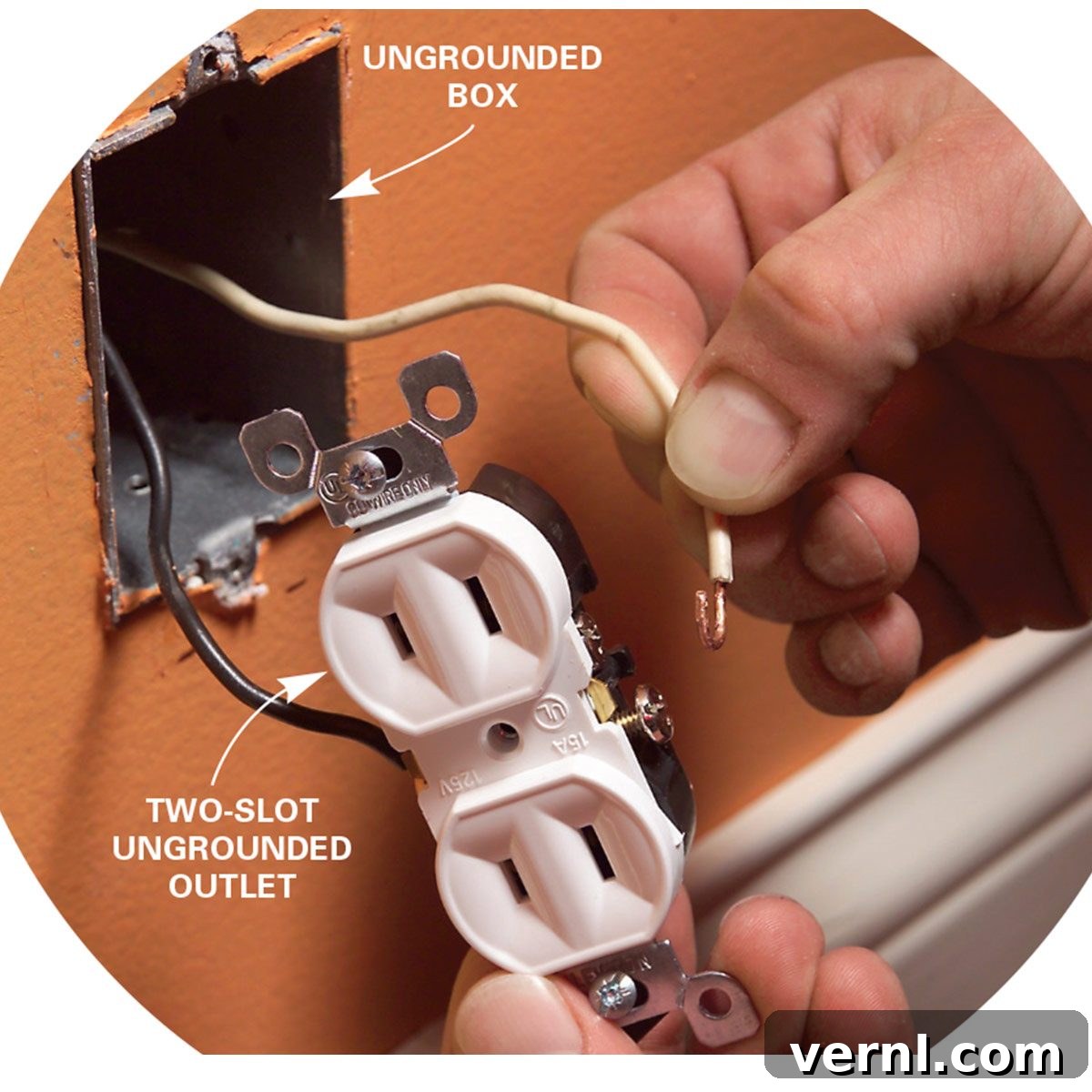
- Ungrounded Outlets: Older homes often have two-prong outlets without a ground wire. While these can be updated with GFCI protection, direct replacement with a three-prong outlet without proper grounding is a common and dangerous mistake.
- Aluminum Wiring: Prevalent in homes built between 1965 and 1975, aluminum wiring can be a fire hazard due to its tendency to expand and contract more than copper, leading to loose connections at terminals.
- Unsecured Wires: Wires not properly secured or protected can be susceptible to damage, leading to shorts or exposed conductors.
Faulty or Missing GFCI/AFCI Protection
Ground Fault Circuit Interrupters (GFCIs) and Arc Fault Circuit Interrupters (AFCIs) are crucial safety devices. GFCIs protect against electric shock, particularly in areas near water (bathrooms, kitchens, outdoors), while AFCIs protect against fires caused by arc faults in wiring. Home inspectors check for their presence and functionality. Missing GFCI protection where required by code, or non-functional GFCI/AFCI outlets, are serious safety concerns.
Missing Junction Box Covers
Every electrical junction box (where wires are spliced or connected) must have a cover. Exposed wiring in an uncovered junction box presents a significant risk of electric shock, short circuits, and fire. This is a common and easily rectifiable code violation that inspectors frequently flag.
Damaged Electrical Cords and Wires
Frayed, cracked, or damaged electrical cords and wires are a fire hazard. Whether it’s an appliance cord, an extension cord, or wiring inside walls, any compromise to the insulation can lead to short circuits, electrocution, or fires. Inspectors look for signs of wear and tear, animal damage, or wires pinched by furniture.
Outdated Electrical Panels and Service
Many older homes still have original electrical panels that are undersized for modern electrical demands or use outdated technology like fuse boxes. An undersized panel can lead to frequent breaker trips and overheating. Older fuse boxes, while not inherently unsafe if properly maintained, often signify an electrical system that hasn’t been updated to current safety standards and might lack the capacity for modern appliances.
DIY Electrical Work Done Incorrectly
While some home improvements are suitable for DIY, electrical work is best left to licensed professionals. Incorrectly performed DIY electrical work is a leading cause of electrical hazards, including the double tapped breakers discussed earlier. Inspectors often find improperly installed outlets, switches, light fixtures, or wiring that doesn’t meet code requirements.
The Indispensable Role of Professional Home Inspections
Given the complexities and potential dangers of residential electrical systems, the value of a professional home inspection cannot be overstated. A certified home inspector possesses the expertise, tools, and knowledge to thoroughly evaluate your electrical system, identify hidden hazards like double tapped breakers, and ensure your home complies with current safety codes.
During an electrical inspection, professionals look for much more than just the basics. They assess the electrical panel, wiring, outlets, switches, grounding, and safety devices. Their detailed reports provide invaluable insights into the condition of your home’s electrical infrastructure, offering peace of mind and guiding you on necessary repairs or upgrades. Whether you’re buying a new home or simply want to ensure the safety of your current residence, a professional inspection is a wise investment.
Conclusion: Prioritizing Electrical Safety for Your Home
Electrical safety is not something to be taken lightly. Issues like double tapped breakers, while seemingly minor, can escalate into significant dangers, including fire and electrocution. By understanding the common electrical mistakes, knowing what to look for, and recognizing the limits of DIY work, homeowners can play a crucial role in maintaining a safe environment.
Always prioritize safety over convenience or cost-cutting when it comes to electrical repairs. When in doubt, or when dealing with any electrical issue beyond simple replacements, always consult a licensed and reputable electrician. Regular inspections and timely repairs are the cornerstone of a safe, functional, and efficient electrical system, protecting your property and ensuring the well-being of everyone under your roof.
Learn more about preventing common electrical mistakes and maintaining a safe home:
8 Most Common Electric Mistakes Found in Home Inspections